50 Hobbies for Women Who Want to Try Something New
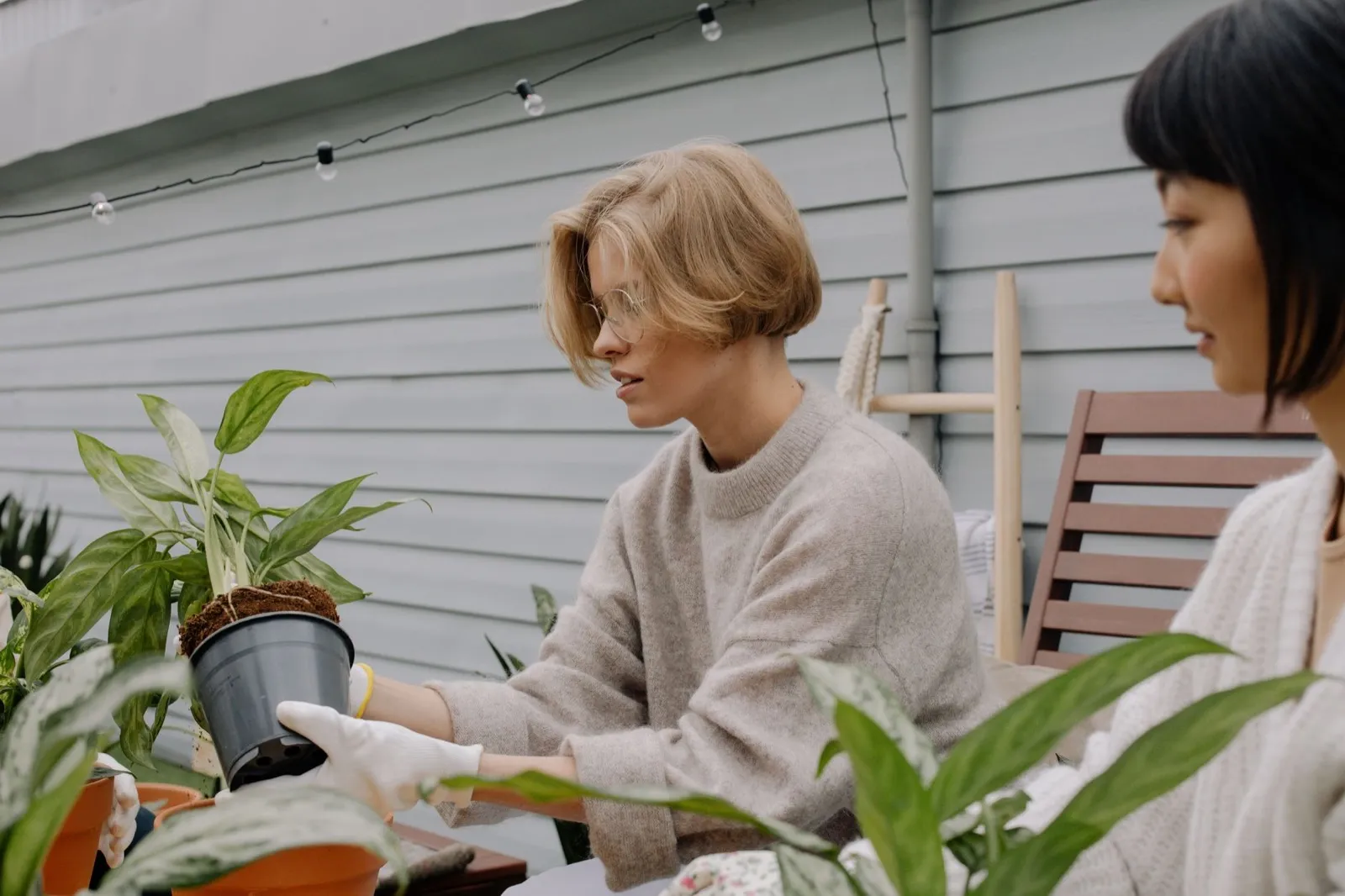
Image Credit: Pexels / cottonbro studio
The best hobby is not the one that looks impressive or turns into an income. It is the one you are curious enough to try again. If life has felt a little repetitive, choose one idea below, give it a small, low-cost first go and notice whether you want a second session. That is enough.
Hobbies can be quiet, sociable, practical, messy, active or deeply ordinary. They can happen for ten minutes at the kitchen table or once a week in a community hall. The NHS suggests finding activities you enjoy rather than feeling you have to spend hours in a gym, and its five ways to wellbeing also includes learning and connecting with others. Those are invitations, not targets. Free time does not have to become a project.
50 hobbies to try
Creative hobbies
-
Keep a sketchbook. Use a pencil and any paper. Draw a mug, your hand, a leaf or the view from a bus. Start with ten minutes, not a plan to become good.
-
Try watercolour. A small student set, a brush and thick paper are enough. Paint simple colour studies, postcards or fruit rather than attempting a finished landscape straight away.
-
Learn visible mending. Repair a small hole with colourful thread or a patch. It is useful, slow and forgiving, and many libraries or repair cafés run beginner sessions.
-
Crochet. One hook and a ball of yarn can take you through the basic chain and a small square. Ask at a local yarn shop or library about a relaxed group if videos feel confusing.
-
Make collages. Save magazines, packaging, old cards and scrap paper. Pick a theme such as colours you like, places you would visit or a season.
-
Write short personal essays. Describe a familiar place, a family recipe or a day you remember. Write for yourself and keep the piece unfinished if that feels truer.
-
Try poetry prompts. Begin with “I remember”, “Today I noticed” or a list of sounds outside your window. A poem can be six lines.
-
Take photographs on your phone. Give yourself one small brief: red things, interesting doors, morning light or the ordinary objects you use most.
-
Make a zine. Fold one sheet of paper into a tiny eight-page booklet. Fill it with drawings, lists, reviews or photos, then make another next month.
-
Learn basic hand lettering. Practise one alphabet with a pen you already own. The pleasure is in repetition, not in making something for social media.
Things to make with your hands
-
Bake one reliable recipe. Choose scones, a loaf cake or bread rolls and make it a few times. A familiar recipe is often more enjoyable than chasing novelty.
-
Cook a regional dish. Borrow a cookbook and choose a recipe with accessible ingredients. Read a little about its history and credit its origin.
-
Grow herbs on a windowsill. Mint, chives or basil are a manageable place to start. Check the label for light and watering needs instead of treating a struggling plant as a personal failure.
-
Try container gardening. Salad leaves, nasturtiums or dwarf tomatoes can work in pots. Community gardens may offer advice and a chance to learn from other people.
-
Make candles only if you enjoy the process. Reuse suitable containers and follow the supplier’s safety instructions. Keep heat, wax and flames away from children and pets.
-
Learn simple sewing. Hem a pair of trousers, sew on a button or make a cushion cover from a charity-shop sheet. Borrow a sewing machine before buying one.
-
Try air-dry clay. Make a trinket dish, plant marker or small ornament. It is a lower-commitment way to see whether pottery appeals before paying for a studio course.
-
Do a jigsaw. Choose a manageable piece count and a picture you actually want to look at. A tray lets you pack it away between sessions.
-
Build miniature scenes. A shoebox room, dollhouse corner or tiny garden can use cardboard, paper and found materials.
-
Learn bookbinding. Start with a simple folded notebook and thread. Use it for lists, drawing or recipes once it is finished.
Hobbies for curious minds
-
Read for pleasure. Borrow a novel, memoir, comic or audiobook. Abandoning a book that is not working is allowed.
-
Join a book group. Libraries often host free groups, and LibraryOn notes that many libraries offer interest groups for beginners and experienced people alike.
-
Learn a language for travel or enjoyment. Use a library course, a notebook or a short daily lesson. Try greetings, songs and food words before worrying about fluency.
-
Research local history. Look at old maps, local archives, cemetery records or museum exhibitions. Start with one street or building you pass often.
-
Try family history. Ask relatives what they remember, label photographs and record sources carefully. You do not need to publish a huge tree.
-
Learn bird identification. Pick three common birds in your area and learn their shapes and calls. A local wildlife group may offer walks.
-
Stargaze. Learn a few bright constellations with a reputable astronomy guide. Wrap up warm and keep expectations modest in light-polluted places.
-
Do a puzzle book. Crosswords, sudoku, logic puzzles or cryptic clues are easy to stop and start. Buy second-hand or borrow from the library.
-
Listen to long-form radio or podcasts. Choose a topic you genuinely like, then make notes only if that adds to the enjoyment.
-
Visit one museum slowly. Pick a single room or exhibition and linger. Many museums have free permanent collections.
Active but not competitive hobbies
-
Take a regular walk with a theme. Photograph trees, look for public art or try a new loop. A walk can be a hobby when curiosity, not step counts, leads it.
-
Try a walking group. The Ramblers and local councils list walks at different paces. Ask beforehand about distance, terrain, toilets and whether newcomers are welcome.
-
Dance at home. Put on three songs and move however feels comfortable. A beginner class can come later if you want company or guidance.
-
Go swimming. Look for quiet sessions, women-only sessions or accessible pool times at your leisure centre. Goggles can make the first few visits more relaxed.
-
Try beginner yoga or chair-based movement. Choose a qualified local teacher where possible and tell them privately about any relevant limitations.
-
Cycle on traffic-free paths. Borrow a bike first if you can. Start on a level route and learn basic road safety before venturing into busier places.
-
Garden outdoors. Digging, planting and tending can be active without feeling like a workout. Shared gardens can suit people without their own space.
-
Try bouldering. Many centres offer an induction. Wear comfortable clothes, follow staff advice and let yourself take plenty of rests.
-
Take up badminton. It is easy to play socially with a community session, a friend or a casual court booking.
-
Explore geocaching. Use an app to find small hidden containers in public places, observing local rules and leaving sites as you found them.
Social and restorative ideas
-
Volunteer for a cause you care about. A charity shop, food project, animal rescue or park group can provide structure and company. Ask clearly about time commitments before agreeing.
-
Play board games. Start with a library game afternoon or a low-cost café session. You do not need to know every rule before arriving.
-
Sing in a community choir. Many groups welcome people who cannot read music. Go once as a listener if that feels easier.
-
Try an amateur drama workshop. Improv and rehearsals can feel vulnerable, so look for a beginners’ group with a clear, kind atmosphere.
-
Go to a craft circle. Take knitting, mending or even just a cup of tea. Some people work quietly; conversation is optional.
-
Learn an instrument. A borrowed ukulele, keyboard app or second-hand recorder lets you test your interest before lessons or expensive equipment.
-
Host a low-key film night. Choose a theme, make simple snacks and invite one or two people. A monthly date can be easier than a big event.
-
Keep a seasonal list. Notice what changes in your local park, market or neighbourhood each month. This works well if you want a hobby with almost no equipment.
-
Try a free online course. Pick one short module from a university, museum or public library partner. Stop when it ceases to be interesting.
-
Make a “try once” list. Include a pottery taster, local talk, community garden visit, life drawing class or heritage open day. The list is for possibilities, not homework.
Choose an idea that fits your real life
Rather than choosing the most aspirational option, use three practical filters. First, what can you start with what you already have or can borrow? Second, what amount of time could feel pleasant this week: ten minutes, an hour, one evening a month? Third, what kind of company do you want: alone, beside other people, or with a friend?
It also helps to separate a hobby from an identity. You can enjoy painting without calling yourself an artist, attend a beginner dance class without becoming a dancer, or go birdwatching twice a year without collecting specialist kit. Keeping the label light gives you room to change your mind.
Make the first attempt easy
Set a tiny first step that creates as little friction as possible. Put a library visit in your diary, borrow a novel, ask one friend about a class, or buy one ball of yarn rather than a whole craft haul. For paid activities, look for a taster, a pay-as-you-go session, borrowing schemes or a community venue. Check cancellation terms before committing to a course.
If access matters, contact the organiser before you go. Ask about step-free entry, seating, toilets, lighting, breaks, parking, a quieter time or whether a support person can come with you. A decent organiser should be able to answer straightforward questions without making you justify yourself.
Let boredom and imperfection be part of it
Beginnings are often boring. There may be awkward hands, a confusing rule, a soggy bake or a class where you do not speak to anyone. That does not prove the hobby is wrong. Try a second or third session if you are still curious, then move on without guilt if you are not.
The useful question is not “Am I talented?” but “Did I enjoy any part of that?” Perhaps you liked choosing colours but not knitting, the walk but not the group chat, or the book club’s conversation more than the book. Those details point you towards a better fit.
Frequently asked questions
What hobby should I start if I have no idea what I like?
Start with the lowest-risk experiment: borrow a book, take a themed walk, visit a free museum, try a library group or make something from materials at home. Choose curiosity over a perfect answer.
Do hobbies have to be productive?
No. Rest, play, collecting interesting observations and making imperfect things are valid uses of time. A hobby does not need to earn money, improve your home or produce a result.
What if I do not have much spare time?
Choose a hobby with a small unit: one sketch, ten pages, one song, a short walk or five rows of knitting. Keeping materials visible and sessions brief can make returning easier.
When to get professional advice
Hobbies can offer pleasure, routine and connection, but they are not a substitute for healthcare. Speak to a GP or qualified mental health professional if low mood, anxiety, exhaustion or loss of interest is persistent, worsening or making daily life difficult. Before starting an activity that feels demanding or unfamiliar, seek individual advice if you have a health concern, recent injury or symptoms that make movement unsafe.
Related reading
- How to Romanticise Your Life Without Spending a Fortune
- How to Make Friends as an Adult
- How to Create a Balanced Lifestyle When Life Feels Busy