Baby Essentials Checklist: What You Actually Need for Your Baby
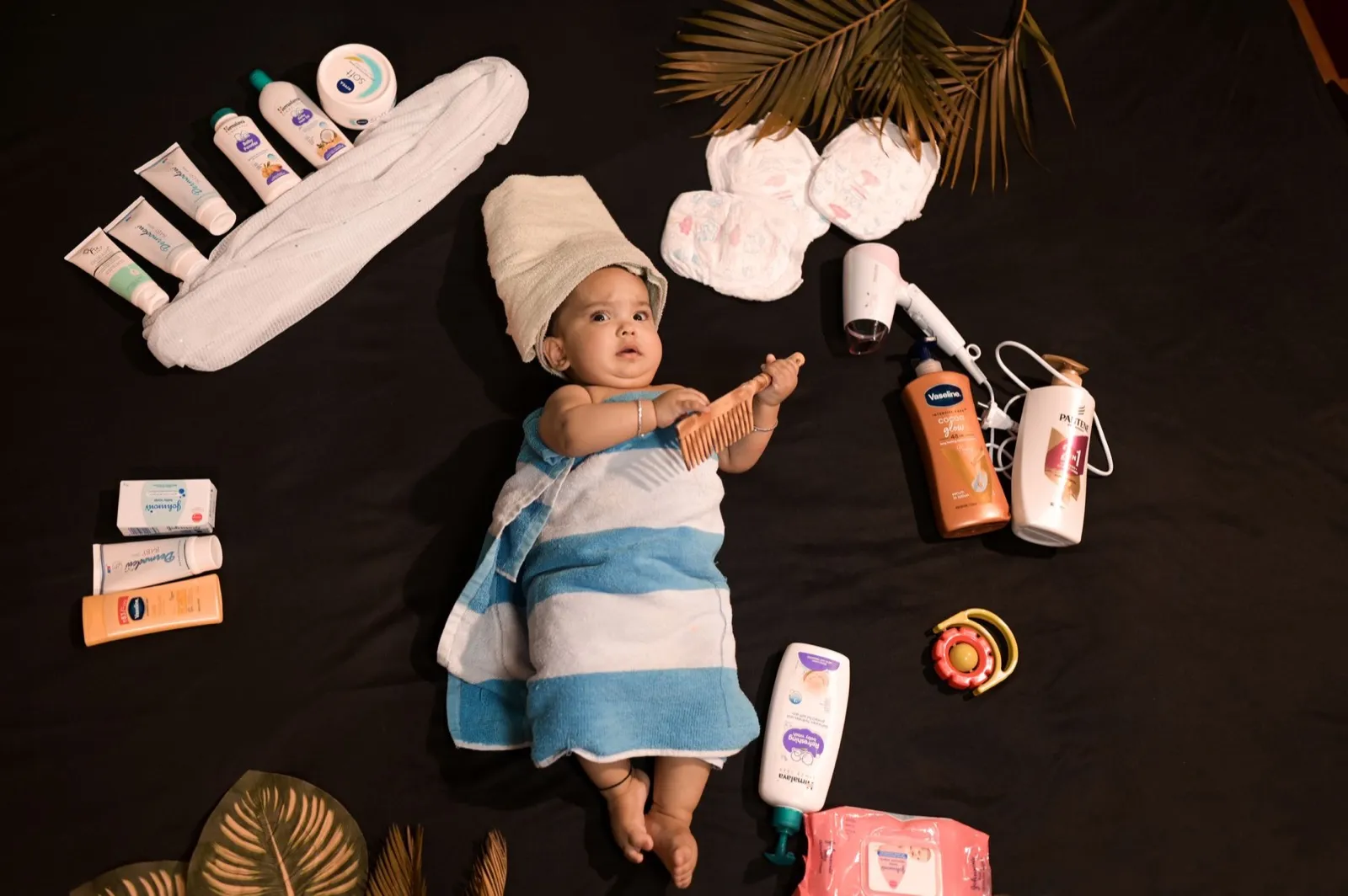
Image Credit: Pexels / Mahadev Mandal
Preparing for a baby can make it feel as though you need to buy an entire shop before they arrive. You really do not. The most useful baby essentials are surprisingly simple: a safe place to sleep, suitable clothes, nappies and changing supplies, feeding essentials that suit how you plan to feed, a safe way to travel, and a few basic washing and care items.
You can add other things once you know what works for your baby and your household. Some parents love gadgets, while others barely use them. There is no prize for having every possible piece of baby equipment ready before the birth.
This baby essentials checklist focuses on the things that are genuinely useful from the beginning, plus the purchases that can usually wait.
The baby essentials checklist at a glance
If you want the shortest possible shopping list, start here:
- A cot, crib or Moses basket suitable for safe sleep
- A firm, flat mattress that fits the sleep space properly
- Fitted sheets
- Appropriate bedding or baby sleepwear following safer sleep guidance
- Newborn and slightly larger clothes
- Nappies
- A changing mat or towel
- Cotton wool or suitable fragrance-free, alcohol-free baby wipes
- Barrier cream
- Muslin cloths
- Feeding supplies appropriate to your chosen feeding method
- A few towels
- A baby bath, clean washing-up bowl or another suitable bathing option
- A correctly fitted baby car seat if your baby will travel by car
- A pram, pushchair or suitable baby carrier if you plan to use one
That is the practical foundation. You may eventually want far more than this, but you do not need to predict every preference before meeting your baby.
Safe sleep essentials
A safe sleep space should sit near the top of your list.
NHS safer sleep guidance recommends that babies sleep on their back in their own clear, flat and firm sleep space, such as a cot or Moses basket, in the same room as their parent or carer for the first six months.
For the sleep area, you are likely to need:
- A cot, crib or Moses basket
- A firm, flat mattress that fits correctly
- A waterproof mattress cover if appropriate for your mattress
- Several fitted sheets
- Suitable baby sleepwear or bedding used in line with safer sleep guidance
You do not need to fill a cot with decorative accessories. Pillows, cot bumpers, soft toys and loose items should not be placed in a baby’s sleep space.
It can be tempting to buy sleep pods, nests and heavily padded products because they look cosy. Before buying anything marketed for sleep, check current safer sleep advice rather than assuming that a product is safe simply because it is sold for babies.
Clothing your baby actually needs
Newborn clothes are tiny and very easy to overbuy. Babies also grow quickly, so having a mixture of sizes is usually more practical than buying a large wardrobe in the smallest size.
A simple starting collection might include:
- Short-sleeved and long-sleeved bodysuits
- Sleepsuits
- Cardigans or extra layers appropriate for the weather
- Socks if needed
- A weather-appropriate outdoor layer
- A sun hat or warm hat when appropriate
- A few bibs
The exact number depends on how often you want to do laundry and how frequently your baby needs changing. You may find that you use the same easy-to-wash sleepsuits repeatedly while some of the more elaborate outfits remain untouched.
Choose clothes that are comfortable, washable and straightforward to put on. You can always buy more once you know which styles and sizes you reach for most often.
Nappy changing essentials
You do not need a dedicated changing station in every room. A washable changing mat or towel and a small basket of supplies can be enough.
The NHS recommends having the things you need ready before changing a baby. Useful basics include:
- Disposable or reusable nappies
- A changing mat or towel
- Cotton wool and warm water, or gentle fragrance-free and alcohol-free wipes
- Barrier cream
- A bag, bin or bucket for used nappies and wipes
- Clean clothes nearby
If you use reusable nappies, you will also need the appropriate liners and covers for your chosen system.
A changing table is optional. If you use one, never leave your baby unattended on it. The NHS notes that changing a baby on a mat or towel on the floor removes the risk of them falling from a raised surface.
Feeding essentials
What you need for feeding depends on how your baby is fed, so this is one area where it makes sense not to buy too much in advance.
For breastfeeding, many parents find muslin cloths and comfortable clothing useful. You may later decide that you want nursing bras, breast pads, a breast pump, milk storage containers or other accessories, but your individual needs can become clearer after your baby arrives.
If you plan to express milk or use formula, bottles and feeding equipment will need to be cleaned and sterilised according to current NHS guidance. The specific equipment you need will depend on how you feed your baby.
A few broadly useful items include:
- Muslin cloths
- Bibs
- Bottles if you expect to use them
- Suitable sterilising equipment if you use bottles or expressing equipment
- Feeding supplies recommended for your chosen feeding method
Try not to build a large stock of one particular bottle, teat or feeding accessory before you know what suits your baby.
If you are unsure what to buy for breastfeeding, expressing, combination feeding or formula feeding, your midwife or health visitor can help you prepare without purchasing unnecessary equipment.
Bathing and basic care essentials
A newborn does not require a bathroom full of products.
According to the NHS, you do not need to bathe a newborn every day. For bathing, the basic supplies are simple:
- A baby bath or clean washing-up bowl
- Towels
- Cotton wool
- Clean nappies
- Clean clothes
The NHS advises getting everything ready before you begin and never leaving a baby alone in the bath, even for a moment.
You may also find baby nail clippers, round-ended baby scissors or a fine emery board useful for keeping nails short.
There is no need to buy a large collection of scented washes, lotions and skincare products before birth. A baby’s skin can be sensitive, and simple care is often all that is required. If your baby develops a rash or persistent skin problem, ask a health visitor, pharmacist or GP for advice rather than trying multiple products.
Getting out of the house
Your travel essentials depend on how you live. A family that drives daily will have different priorities from one that mainly walks or uses public transport.
If your baby will travel in a car, you will need an appropriate child car seat. UK rules require children to use the correct child restraint, subject to limited exceptions, and the seat must meet the applicable approval requirements.
Other useful options include:
- A pram or pushchair suitable for your baby’s age and needs
- A baby carrier or sling that can be used safely
- A changing bag or ordinary backpack
- A portable changing mat
- Spare nappies and clothes
- Muslin cloths
- Weather protection suitable for your pram or pushchair
You do not necessarily need both a premium pushchair and an expensive carrier before birth. Think about your normal routine, storage space, transport and where you are most likely to take your baby.
Things you can usually wait to buy
Baby shops are very good at making optional products look essential. Waiting can save money, storage space and the frustration of owning equipment your baby dislikes.
Depending on your circumstances, you may be able to postpone:
- Large quantities of newborn-size clothing
- A high chair
- Weaning equipment
- Lots of toys
- Multiple types of baby seat
- A dedicated changing table
- Large stocks of one nappy brand
- Large stocks of bottles or dummies
- Nursery decorations
- Baby shoes
- Specialist gadgets you are not sure you will use
This does not mean these products are pointless. Some become genuinely useful. The advantage of waiting is that you can buy according to an actual need rather than trying to imagine every part of life with a baby beforehand.
What is worth buying before the birth?
Prioritise anything you are likely to need immediately and anything that requires time to choose, assemble or fit safely.
Your baby’s sleep space should be ready. If you are travelling home by car, have the appropriate car seat organised and learn how to fit and use it correctly before you need it. Have nappies, a few clothes and basic changing supplies available.
It can also help to wash and organise a small selection of baby clothes and sheets so that you are not dealing with packaging and laundry during the first days at home.
Everything else can be built around your real routine.
How to avoid overspending on baby essentials
Before buying something, ask yourself three questions:
- Will we need this during the first few weeks?
- Does it solve a problem we know we will have?
- Could we easily buy it later if we discover we need it?
If the answer to the first two is no and the third is yes, waiting is often sensible.
Second-hand baby clothes, furniture and equipment can also reduce costs, but safety matters. Check the current safety guidance for any second-hand product before using it, particularly sleep products and car seats. Avoid using equipment if you cannot establish its condition, history or suitability.
You also do not need to create a perfect nursery before your baby arrives. Safe, functional basics matter much more than matching storage baskets.
A realistic way to prepare
Divide your list into three categories: need before birth, useful soon, and buy only if needed.
The first category should stay short. Sleep, changing, basic clothing, feeding preparation and safe transport are the priorities.
The second might include extra clothes, more muslins, a carrier or additional feeding equipment.
The final category can contain all the appealing extras. Keep the list, but give yourself permission to wait.
Babies have preferences of their own, and parents quickly develop them too. Leaving some purchases until later means you can choose things that fit the family you actually become rather than the one you had to imagine before your baby arrived.
When to get professional advice
If you are unsure about safer sleep, feeding equipment, car seat use or caring for your newborn, ask a qualified professional rather than relying only on product packaging or social media advice.
Your midwife or health visitor can help with practical newborn care and feeding questions. Contact your GP or another appropriate healthcare professional if you are concerned about your baby’s health, skin, feeding or general wellbeing.
For urgent concerns about a baby who appears seriously unwell, follow current NHS guidance on getting urgent medical help.