Baby Health & Safety
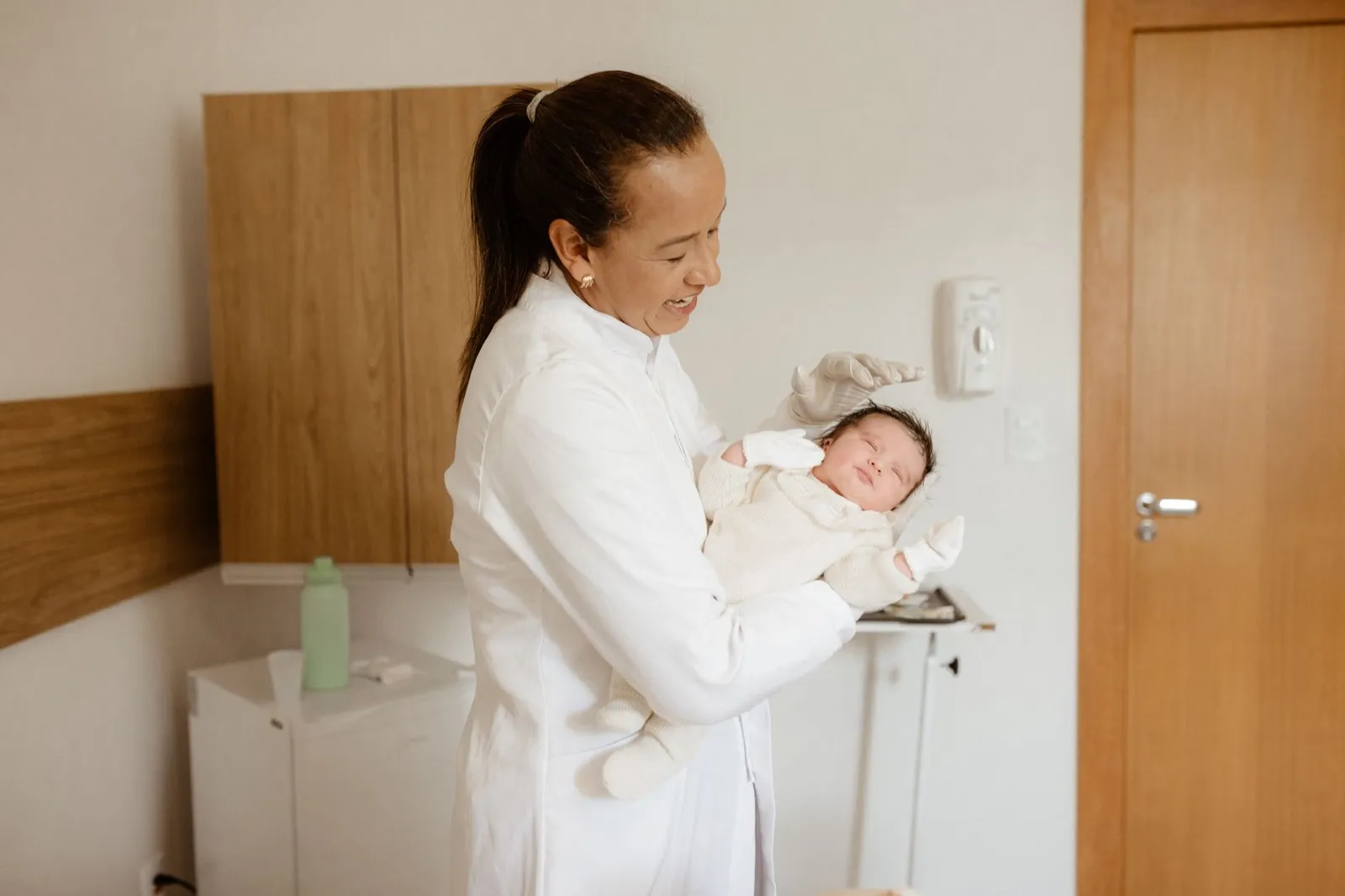
Image Credit: Pexels / Jonathan Borba
Keeping a baby healthy and safe can feel like a huge responsibility, especially when you are tired and everything from sleep to bath time suddenly comes with a list of things to remember.
You do not need to anticipate every possible problem. Focus on a few important areas: follow safer sleep guidance, use an appropriate car seat, keep medicines and dangerous household items out of reach, reduce choking and burn risks, keep up with routine health appointments and vaccinations, and learn the signs that mean your baby needs medical help.
As your baby grows, the risks around them change. A room that was perfectly safe for a newborn may need another look once your baby can roll, reach, crawl or pull themselves up.
Learn what is normal for your baby
One of the most useful things you can learn is what your baby is normally like.
Over time, you become familiar with how they feed, wake, cry, sleep and respond to you. That makes it easier to notice when something is different.
The NHS advises parents to trust their instincts if they think their baby may be seriously ill. You know your baby’s usual behaviour better than anyone else.
Changes that worry you might involve feeding, breathing, alertness, temperature, nappies, skin colour, crying or how easily your baby wakes.
You do not need to diagnose the cause yourself. Your job is to notice that something may be wrong and seek appropriate advice.
Make safer sleep a priority
Sleep safety is one of the most important parts of baby safety.
NHS guidance says the safest place for a baby to sleep during the first six months is in a cot or Moses basket, lying on their back, in the same room as you.
Use a firm, flat and waterproof mattress and keep the sleep space clear. The NHS advises against pillows, cot bumpers, loose bedding, pods and nests with raised or cushioned areas.
Avoid adding soft toys or decorative items to your baby’s sleep space, even if they look harmless.
If you use a baby sleeping bag, make sure it fits properly around the shoulders so your baby’s head cannot slip inside. Follow current NHS guidance on tog ratings, room temperature and clothing.
If you are unsure about your baby’s sleep setup, check the current NHS safer sleep advice rather than relying on older family advice or social media.
Understand the risks around co-sleeping
The NHS says it is always safer for your baby to sleep in their own cot or Moses basket in the same room as you.
Some parents do share a bed with their baby, sometimes intentionally and sometimes because they fall asleep during a feed. It is therefore useful to know the safety guidance before you are exhausted.
The NHS advises never co-sleeping if you are extremely tired, if your baby has a fever or signs of illness, or if your baby was born prematurely or had a low birthweight.
Co-sleeping is also unsafe if you or your partner have been smoking, drinking alcohol, taking recreational drugs or taking medication that causes drowsiness.
Falling asleep with a baby on a sofa or chair is particularly dangerous.
If bed-sharing is something that may happen in your household, read the full current NHS safer sleep guidance so that you understand the risks and situations in which it should be avoided.
Use the right car seat
Babies need an appropriate child car seat for travel by car.
UK law requires children to use a child car seat until they are 12 years old or 135 centimetres tall, whichever comes first, with limited exceptions.
For height-based seats approved under R129, children must remain rear-facing until they are over 15 months old. The seat must also be suitable for the child’s height.
Follow the instructions for your individual car seat and vehicle carefully. Not every seat fits every car in the same way.
If a rear-facing baby seat is fitted in the front passenger seat, GOV.UK says the front airbag must be deactivated.
Do not guess whether a seat is fitted correctly. If you are uncertain, check the manufacturer’s guidance or seek help from an appropriately trained retailer.
Baby-proof before your baby becomes mobile
Newborns stay where you put them. Mobile babies do not.
Once your baby begins rolling, reaching, crawling or pulling themselves up, objects that previously seemed safely out of the way may suddenly become accessible.
It can help to look around each room from your baby’s level.
Pay particular attention to:
- medicines
- cleaning products
- laundry products
- button batteries
- small objects that could be swallowed
- cords and blind chains
- hot drinks
- electrical equipment and trailing cables
- stairs
- accessible windows
- unstable furniture
- sharp objects
- plastic bags
Store medicines and hazardous products securely and out of sight and reach.
Do not rely on your baby having shown no interest in something before. Their abilities can change quickly.
Take button batteries seriously
Button batteries are small, easy to overlook and particularly dangerous if swallowed.
They can be found in toys, remote controls, key fobs, watches, lights and many other household items.
Check that battery compartments on toys and other products are secure. Keep loose and spare batteries somewhere your baby cannot access, and dispose of used batteries safely.
If you think your baby may have swallowed a button battery, seek emergency medical help. Do not wait for symptoms to appear.
This is also a useful reason to check second-hand toys carefully before giving them to your baby.
Reduce choking risks
Babies explore the world with their hands and mouths, which means small objects can quickly become a choking hazard.
Regularly check floors and low surfaces for coins, small toy parts, pen lids and other objects your baby could pick up.
Choose toys appropriate for your baby’s age and check them for loose or damaged parts.
Food also needs to be prepared appropriately once your baby starts solids. The NHS advises supervising babies while they eat, sitting them safely upright and preparing food in a way that reduces choking risk.
Gagging and choking are not the same. Gagging can happen as babies learn to manage food, while choking means the airway is blocked and requires immediate action.
Learning baby first aid from a recognised provider can help you feel more prepared for emergencies.
Keep hot drinks and hot water away
Babies’ skin can be badly injured by hot liquids.
A mug that seems safely placed to an adult can become reachable once a baby can grab, crawl or pull themselves up.
Keep hot drinks away from the edges of tables and worktops and avoid holding a hot drink while holding your baby.
Be careful with kettle leads, saucepan handles and other things a mobile baby could pull.
Bath water also needs attention. Check the temperature before putting your baby into the bath and never leave them unattended in water, even briefly.
Preparing everything you need before bath time makes it less likely that you will have to reach away or leave the room.
Never leave your baby unattended on a raised surface
Babies can begin moving unexpectedly.
A baby who has never rolled before can choose an inconvenient moment to do it for the first time.
If you use a changing table or another raised surface, keep a hand on your baby and do not leave them unattended.
A changing mat on the floor can be a simple alternative, particularly as your baby becomes more wriggly.
Have nappies, wipes or cotton wool, spare clothes and anything else you need within reach before you begin.
Keep medicines safely stored
Medicines should be stored securely and out of your baby’s sight and reach.
This includes prescription medicines, over-the-counter products, vitamins and medicines belonging to other people in the household.
Do not leave medicines in handbags, bedside drawers or low bathroom cabinets where a mobile baby may eventually reach them.
If your baby needs medicine, follow the instructions from a doctor, pharmacist or the medicine information carefully. Do not estimate a dose or give a medicine intended for somebody else.
Age restrictions and dosing instructions differ between medicines, so check with a healthcare professional if you are unsure what is appropriate.
If you think your baby has swallowed medicine or another potentially harmful substance accidentally, seek urgent medical advice.
Keep vaccinations and health reviews on your radar
Routine NHS vaccinations protect babies and children against a range of serious illnesses.
Your GP surgery will usually contact you when vaccinations are due, but keeping your baby’s appointments recorded somewhere convenient can help when life is busy.
Your baby will also have health and development reviews, including contact with your health visiting team.
These appointments are useful opportunities to ask questions about feeding, growth, development, sleep and general health.
Bring up concerns even if they seem small. You do not have to wait until something becomes a major problem before asking.
Be careful with online health advice
Parenting forums and social media can be reassuring when you want to know that somebody else has dealt with the same thing.
They are not a substitute for medical advice.
Be particularly cautious with posts recommending medicines, supplements, home remedies, sleep products or treatments for a baby.
A recommendation that was appropriate for one child may be unsafe for another, and some popular parenting advice may be outdated.
For health and safety information, start with recognised sources such as the NHS. If you need advice specific to your baby, speak to your health visitor, GP, pharmacist or another appropriate healthcare professional.
Make emergency information easy to find
When something frightening happens, it is harder to think clearly.
Keep important healthcare information somewhere easy to access. Make sure anyone who regularly cares for your baby knows how to contact you and understands what to do in an emergency.
In the UK, NHS 111 can provide urgent medical advice when you are unsure what to do. For a life-threatening emergency, call 999.
It can also be useful for regular caregivers to know basic baby first aid.
Preparation does not mean expecting something bad to happen. It simply removes a few decisions from a stressful moment.
When to get professional advice
Babies can become unwell quickly, and it is not always obvious how serious an illness is. The NHS advises parents to trust their instincts if their baby’s behaviour or appearance is worrying.
Seek urgent medical advice if your baby is not feeding normally and you are worried, has nappies that are noticeably drier than usual, is unusually difficult to wake, has breathing difficulties, has a very high or low temperature, has a cry that is different from normal, or has another significant change that concerns you.
The correct response can depend on your baby’s age and symptoms, so use current NHS guidance or speak directly to a healthcare professional rather than trying to diagnose the problem yourself.
Call 999 for a life-threatening emergency. NHS guidance says this includes situations such as a baby who stops breathing, will not wake up, is struggling to breathe, has a severe allergic reaction or has other signs requiring immediate emergency help.
If you are worried but unsure how urgent the situation is, contact NHS 111.
For less urgent concerns, your GP, health visitor, midwife or pharmacist may be able to help depending on the problem.
You do not need to be certain that something is seriously wrong before asking for advice. If your baby’s health or behaviour worries you, getting professional guidance is appropriate.
Related reading
- Baby Health & Safety Checklist: Essential Rules Every Parent Should Know
- Signs Your Baby Is Unwell: When to Seek Medical Help
- Baby First Aid Basics: What Every Parent Should Know