Baby Not Eating While Teething: What Can Help?
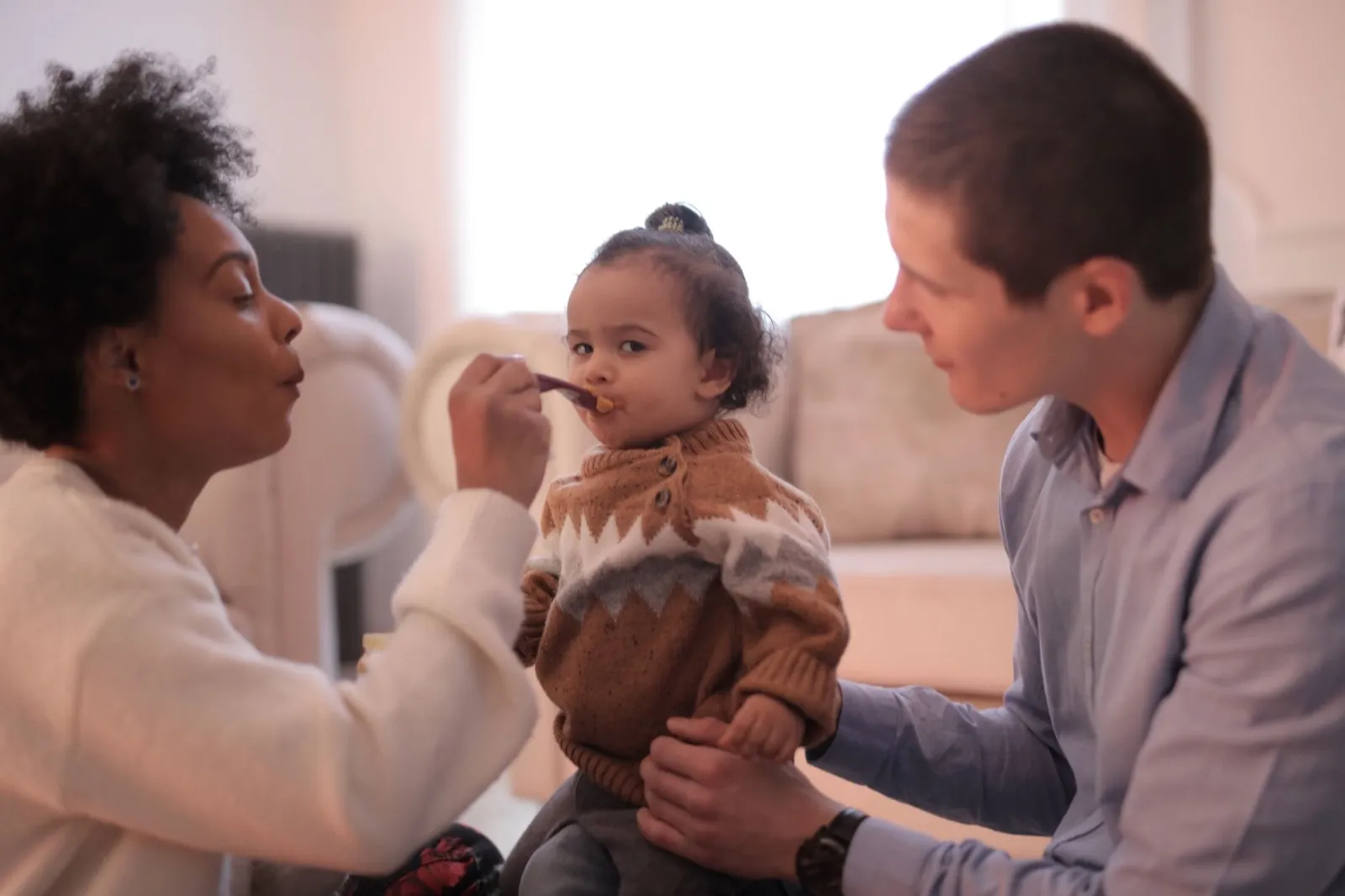
Image Credit: Pexels / Andrea Piacquadio
If your baby suddenly seems less interested in feeding just as their gums become sore, teething may be part of the picture. Teething can cause sore, red gums, increased chewing and general fretfulness, and some babies may temporarily have less appetite while their teeth are coming through.
The reassuring part is that appetite can naturally vary, especially once a baby is eating solid foods. The priority is to avoid forcing food, keep offering their usual milk feeds, make eating as comfortable as possible and watch how well hydrated and otherwise well your baby seems.
A significant reduction in milk intake, fewer wet nappies or a baby who seems unwell deserves more attention. Those changes should not automatically be blamed on teething.
Can teething make a baby eat less?
The NHS lists sore, red gums, increased chewing, dribbling, fretfulness and poorer sleep among common teething symptoms.
Sore gums can understandably make eating less appealing for some babies. NHS oral health guidance also notes that decreased appetite can occur alongside teething.
This does not mean every feeding change is caused by teeth.
Babies can eat less because they are tired, distracted, unwell or simply less hungry than usual. Once solids have been introduced, appetite can also vary considerably from one day to another.
If your baby is otherwise alert, drinking their usual milk reasonably well and producing their normal wet nappies, a temporary dip in enthusiasm for solids may be less concerning than a baby refusing milk and showing signs of dehydration.
Milk matters during the first year
If your baby has started solids, remember that milk remains an important part of their diet throughout the first year.
NHS guidance recommends continuing breast milk or first infant formula until at least 1 year old. Solid foods are introduced alongside milk from around 6 months.
If your teething baby is less interested in a meal, you do not need to pressure them into finishing it.
For babies under 12 months who seem hungry between meals, NHS guidance recommends offering extra milk feeds rather than snacks.
If your baby is refusing breast or bottle feeds as well as solids, however, monitor them more closely and seek advice if you are concerned.
Do not force your baby to eat
A half-eaten bowl can feel worrying when you know your baby usually eats more, but forcing food is unlikely to help.
NHS feeding guidance recommends going at your baby’s pace and stopping when they show that they have had enough. Babies may eat more on some days, less on others and occasionally reject food altogether.
Try to keep mealtimes calm.
Offer food and allow your baby to decide how much they want. If they turn their head away, close their mouth or lose interest, it is fine to stop and try again later.
A difficult teething day does not need to become a battle over every spoonful.
Try foods that feel comfortable on sore gums
For babies who are already established on solid foods, softer foods may feel easier to manage when gums are tender.
You might offer familiar foods with a soft texture, such as:
- Plain yoghurt
- Soft cooked vegetables
- Mashed vegetables
- Soft fruit
- Porridge
- Soft pasta
- Other familiar foods prepared in a texture your baby can safely manage
The appropriate texture depends on your baby’s stage of weaning and existing eating skills.
Continue following normal choking-prevention guidance. Your baby should sit upright while eating and should always be supervised.
There is no need to introduce a completely different diet just because your baby is teething.
Cool foods may feel soothing
Some babies seem to prefer cool foods when their gums are sore.
If your baby is already eating solids, you could offer suitable familiar foods chilled from the fridge, such as plain yoghurt or soft fruit prepared safely for their stage of weaning.
Cold does not treat the cause of teething, but it may feel soothing against tender gums.
Avoid giving foods that are too hard for your baby’s eating abilities or present a choking risk.
If you are unsure how to prepare a particular food safely, follow NHS weaning guidance rather than relying on the fact that it is being offered as a teething aid.
A chilled teething ring may help before meals
If sore gums seem to be making eating uncomfortable, soothing them before a meal may help your baby feel more settled.
The NHS recommends teething rings as one option for teething discomfort. Some can be cooled in the fridge according to the manufacturer’s instructions.
Never freeze a teething ring. The NHS warns that a frozen ring could damage your baby’s gums.
Never tie a teething ring around your baby’s neck because this creates a choking hazard.
You can also gently rub your baby’s gums with a clean finger.
Give meals plenty of time
Teething can make an already easily distracted baby even less interested in sitting through a meal.
Try not to rush.
NHS guidance recommends allowing plenty of time for eating and avoiding pressure. It also suggests keeping distractions such as televisions, phones and tablets away from mealtimes.
A calm meal may last five minutes one day and considerably longer another day.
If your baby has clearly had enough, stopping is usually more useful than repeatedly trying to persuade them to take another bite.
Keep offering familiar foods
One refused meal does not mean your baby has permanently stopped liking that food.
NHS weaning guidance notes that babies may need repeated opportunities to become familiar with different tastes and textures. It also acknowledges that there will be days when babies eat more and days when they eat less.
Continue offering a varied diet without turning each refusal into a concern.
During particularly uncomfortable teething days, familiar foods may be easier than introducing several new textures at once.
Once your baby feels better, their usual appetite may return.
What if your baby only wants milk?
For a baby who has started weaning but is still under 1, a temporary preference for their usual breast milk or first infant formula can happen.
Continue offering appropriate solid foods without forcing them.
Milk should not suddenly be replaced with snacks, juice or other drinks because a baby is refusing meals.
NHS guidance recommends continuing breast milk or first infant formula throughout the first year.
If your baby persistently refuses solids, seems unable to manage food, has difficulty swallowing or you are worried about their growth or feeding development, speak to your health visitor or GP.
What if your baby refuses milk too?
Reduced interest in solids and refusing milk are not quite the same concern.
Milk is a major source of nutrition and fluid during a baby’s first year. If your baby is breastfeeding or bottle feeding much less than usual, pay attention to their wet nappies and general behaviour.
NHS bottle-feeding guidance notes that weight gain and wet and dirty nappies help indicate whether a baby is getting enough formula.
For breastfeeding, the NHS similarly uses feeding behaviour, weight gain and wet nappies as useful indicators.
If your baby repeatedly refuses feeds or you think they are taking much less milk than usual, contact your health visitor, GP or NHS 111 for advice.
Watch wet nappies
Wet nappies are one of the most useful everyday signs that a baby is taking in fluid.
A noticeable reduction can be a warning sign of dehydration.
The NHS lists fewer wet nappies than usual among signs of dehydration in babies. Other possible signs include:
- Few or no tears when crying
- Sunken eyes
- A sunken soft spot on the head
- Drowsiness
- Irritability
If you think your baby may be dehydrated, contact NHS 111 or seek medical advice.
Do not assume dehydration symptoms are simply part of teething.
Check whether your baby might actually be ill
Teething and ordinary childhood illnesses can happen at the same time.
The NHS says teething may be associated with a slightly raised temperature, but it should remain below 38°C. A temperature of 38°C or higher is considered a fever.
The NHS also says there is no evidence that teething causes diarrhoea.
If reduced feeding comes with fever, repeated vomiting, diarrhoea, breathing difficulties, unusual sleepiness or other signs of illness, consider the possibility that something other than teething is responsible.
A visible new tooth does not rule out illness.
What about pain relief?
If your baby seems distressed by teething pain, age-appropriate pain relief may sometimes be an option.
The NHS advises that paracetamol or ibuprofen can be used for teething symptoms in some babies, but suitability depends on age and the individual medicine. Ibuprofen is also not appropriate for every child.
Always check the packaging and patient information leaflet for the exact medicine you have.
If you are unsure whether a medicine is suitable, particularly for a young baby, ask a pharmacist, health visitor or GP.
Do not estimate doses or use medicine simply to persuade a baby to eat.
What about teething gels?
The NHS says evidence that teething gels are effective is limited and recommends trying options such as teething rings first.
If you decide to consider a teething gel, it should be specifically designed for young children and suitable for your baby’s age.
General oral pain-relief gels are not suitable for children.
Ask a pharmacist if you are uncertain about a product.
Keep the bigger picture in mind
A baby’s appetite is not identical every day.
If your baby has eaten less at lunch but is alert, drinking milk, producing their usual wet nappies and otherwise seems well, you may simply need to offer food again later without pressure.
More significant changes deserve attention.
A baby who is taking very little fluid, repeatedly refusing milk, producing fewer wet nappies or becoming unusually sleepy needs a different response from a baby who turns down some porridge because their gums are tender.
Looking at the whole baby can help you decide what matters most.
When to get professional advice
Speak to your health visitor, GP or NHS 111 if your baby is feeding much less than usual, repeatedly refusing breast or bottle feeds, producing fewer wet nappies, losing weight or showing signs of dehydration.
Seek advice if feeding difficulties persist beyond a short period of teething discomfort, your baby seems to have difficulty swallowing, eating appears consistently painful or you are worried about their growth.
You should also seek medical advice if reduced feeding is accompanied by fever, repeated vomiting, diarrhoea, unusual drowsiness or other symptoms that concern you.
Call 999 or go to A&E if your baby has serious warning signs such as difficulty breathing, blue, grey, pale or blotchy skin, is unusually sleepy and difficult to wake, or is not responding normally.
Teething can make eating uncomfortable for some babies, but significant feeding changes should not automatically be dismissed as part of getting a new tooth.
Related reading
- Teething at Night: How to Comfort a Baby Who Cannot Settle
- How to Soothe a Teething Baby: Safe Remedies That Can Help