Can you drink coffee while pregnant?
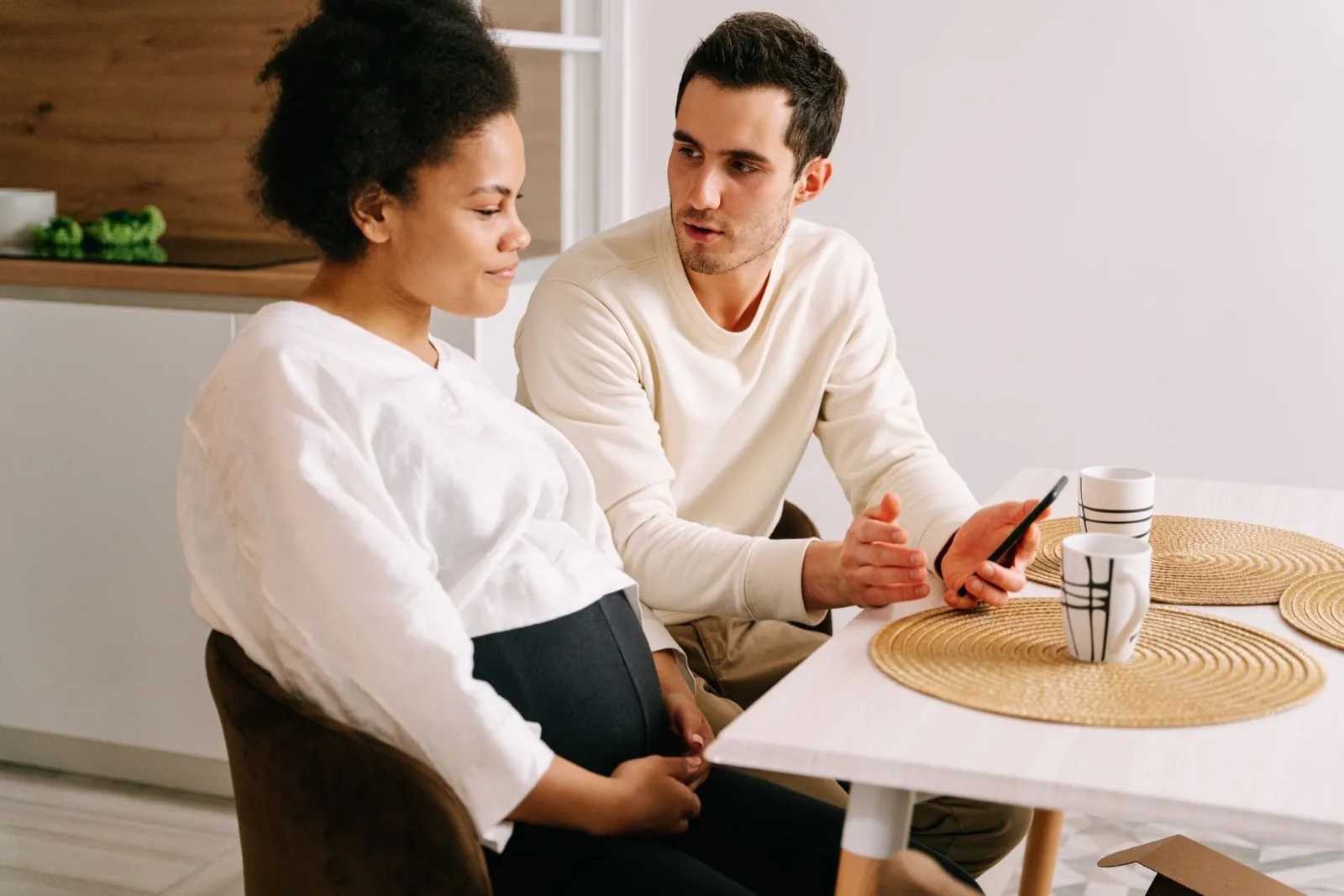
Image Credit: Pexels / Ivan S
Yes, you can drink coffee while pregnant. You do not need to cut it out completely, but you do need to keep track of how much caffeine you have across the whole day.
Current NHS guidance says you should have no more than 200mg of caffeine a day during pregnancy. That total includes caffeine from coffee as well as tea, cola, energy drinks, chocolate, guarana, caffeine tablets and some health or fitness supplements.
So, if coffee is something you enjoy, it can still have a place in your day. The useful thing to focus on is your total caffeine intake rather than simply counting cups.
How much coffee can you have during pregnancy?
There is no single number of cups that works for every type of coffee because caffeine content varies.
The NHS gives the following estimates:
- a mug of instant coffee contains around 100mg of caffeine
- filter coffee and coffee bought from coffee shops can contain more
This means two mugs of instant coffee would provide roughly 200mg, reaching the NHS daily limit before accounting for any caffeine from tea, chocolate, cola or other sources.
Coffee-shop drinks are harder to estimate because serving size, coffee beans and the number of espresso shots can all affect the amount of caffeine. If caffeine information is available from the café or brand, checking it can give you a more accurate figure.
Why is caffeine limited during pregnancy?
The NHS advises limiting caffeine because having too much during pregnancy has been linked to a higher chance of miscarriage and stillbirth.
This does not mean that drinking a cup of coffee is treated as unsafe under current UK guidance. The recommendation is to keep your total daily caffeine intake at or below 200mg.
Tommy’s also supports the official advice to stay below 200mg a day and notes that reducing caffeine further is an option if you would prefer to.
Pregnancy advice can sometimes sound frightening when risks are discussed without context. You do not need to feel guilty about having coffee within current guidance. If you are worried about how much caffeine you have been drinking, your midwife can talk it through with you.
Caffeine is not only in coffee
One of the easiest things to miss is caffeine from other foods and drinks.
According to the NHS, approximate amounts include:
- 100mg in a mug of instant coffee
- 75mg in a mug of tea, including black or green tea
- 40mg in a can of cola
- 80mg in a 250ml can of energy drink
- less than 25mg in a 50g bar of plain dark chocolate
- less than 10mg in a 50g bar of plain milk chocolate
These are estimates rather than exact values. Different brands, serving sizes and preparation methods can change the caffeine content.
If you have coffee in the morning, tea later in the day and some chocolate in the evening, all of those sources contribute to the same 200mg daily total.
What about espresso, lattes and cappuccinos?
A latte, cappuccino, flat white or Americano can still fit within pregnancy caffeine guidance, but the drink name alone does not tell you exactly how much caffeine it contains.
A small latte made with one espresso shot may contain considerably less caffeine than a large coffee made with several shots. Filter coffee can also contain more caffeine than people expect.
For coffee bought from a chain or café, look for the company’s nutritional or caffeine information where available. If you cannot find it and want to keep your intake comfortably within the recommended limit, choosing a smaller drink, fewer espresso shots or a decaffeinated version can make tracking easier.
Milk in a latte or cappuccino does not remove the caffeine. It simply changes the proportion of coffee to milk.
Can you drink decaf coffee while pregnant?
Decaffeinated coffee can be a useful alternative if you enjoy the taste or ritual of coffee but want to reduce your caffeine intake.
Tommy’s lists decaffeinated coffee among the alternatives people can choose when cutting down on caffeine during pregnancy.
Decaf does not necessarily mean completely caffeine-free, but it contains much less caffeine than regular coffee. If you drink several cups a day or want precise information, check the product label or the café’s nutritional information.
You could also mix regular and decaf coffee if you would rather reduce your caffeine gradually.
What about coffee in the first trimester?
The NHS caffeine recommendation applies during pregnancy rather than giving a different coffee allowance for each trimester.
You should keep caffeine intake to no more than 200mg a day throughout pregnancy.
If you were drinking more caffeine before you knew you were pregnant, try not to make assumptions about what that means for your pregnancy. You can reduce your intake in line with current guidance and speak to your midwife or GP if you are concerned.
Does tea count towards the caffeine limit?
Yes. Black tea and green tea both contain caffeine and contribute to your daily total.
The NHS estimates around 75mg of caffeine in a mug of tea, although the actual amount can vary.
Herbal tea is a separate consideration. The NHS advises having no more than four cups of herbal tea a day during pregnancy and avoiding teas containing liquorice root.
If you switch from coffee to tea purely to reduce caffeine, check what kind of tea you are choosing. A caffeinated tea still counts towards your 200mg daily intake.
Do energy drinks count too?
Yes. Energy drinks can contain significant amounts of caffeine.
The NHS estimates around 80mg in a 250ml can of energy drink, although some products may contain different amounts. Check the label for the caffeine content and remember to include it alongside coffee, tea and other caffeine sources.
Caffeine can also appear in tablets and some health or fitness supplements, so it is worth reading ingredient labels if you use these products.
What if coffee suddenly makes you feel unwell?
Pregnancy can change how appealing certain foods and drinks feel. Some people find that coffee suddenly tastes or smells unpleasant, while others continue enjoying it as usual.
You do not need to force yourself to drink coffee simply because it was part of your normal routine before pregnancy.
If you would still like a warm drink, decaffeinated coffee is one option. You could also choose another drink that suits you, while checking any pregnancy guidance that applies to herbal products or caffeinated alternatives.
If nausea, vomiting or difficulty keeping fluids down is affecting you, speak to your midwife, GP or maternity team rather than relying on dietary changes alone.
What if you accidentally have more than 200mg?
It can happen, particularly because caffeine content is not always obvious.
The 200mg figure is a recommended daily limit, not a reason to panic if you realise you have accidentally exceeded it on one occasion.
Do not try to diagnose risk yourself based on the number of coffees you had. You can return to keeping your intake within current guidance and speak to your midwife or GP if you are worried about your caffeine intake or have regularly been consuming more than recommended.
Tommy’s also has a caffeine calculator that can help you estimate how much caffeine you are getting from different foods and drinks.
Simple ways to reduce caffeine
If you would like to cut down without giving up coffee entirely, small changes can make the daily total easier to manage.
You could choose decaf for some drinks, order a smaller coffee, ask for fewer espresso shots, or check the caffeine information provided by your usual coffee shop.
It also helps to look beyond coffee. Switching one cup to decaf may make room for the caffeine you get from tea, cola or chocolate later in the day.
There is no need to turn every drink into a calculation. Once you know roughly how much caffeine is in the things you usually have, staying within the NHS guidance can become much more straightforward.
When to get professional advice
Speak to your midwife, GP or pharmacist if you are worried about how much caffeine you have been consuming, are finding it difficult to reduce a high caffeine intake, or are unsure whether a medicine, supplement or other product contains caffeine.
If vomiting or another pregnancy symptom is making it difficult to eat or drink normally, contact your midwife, GP or maternity unit for advice based on your individual circumstances.
If you become acutely unwell or have symptoms that concern you, contact your maternity unit, GP or NHS 111 as appropriate. For a severe or life-threatening medical emergency, call 999 or go to A&E.
Related reading
- Can you drink alcohol based syrups while pregnant?
- Can you drink alcohol while pregnant?
- Can you drink chamomile while pregnant?