Can you drink Coke while pregnant?
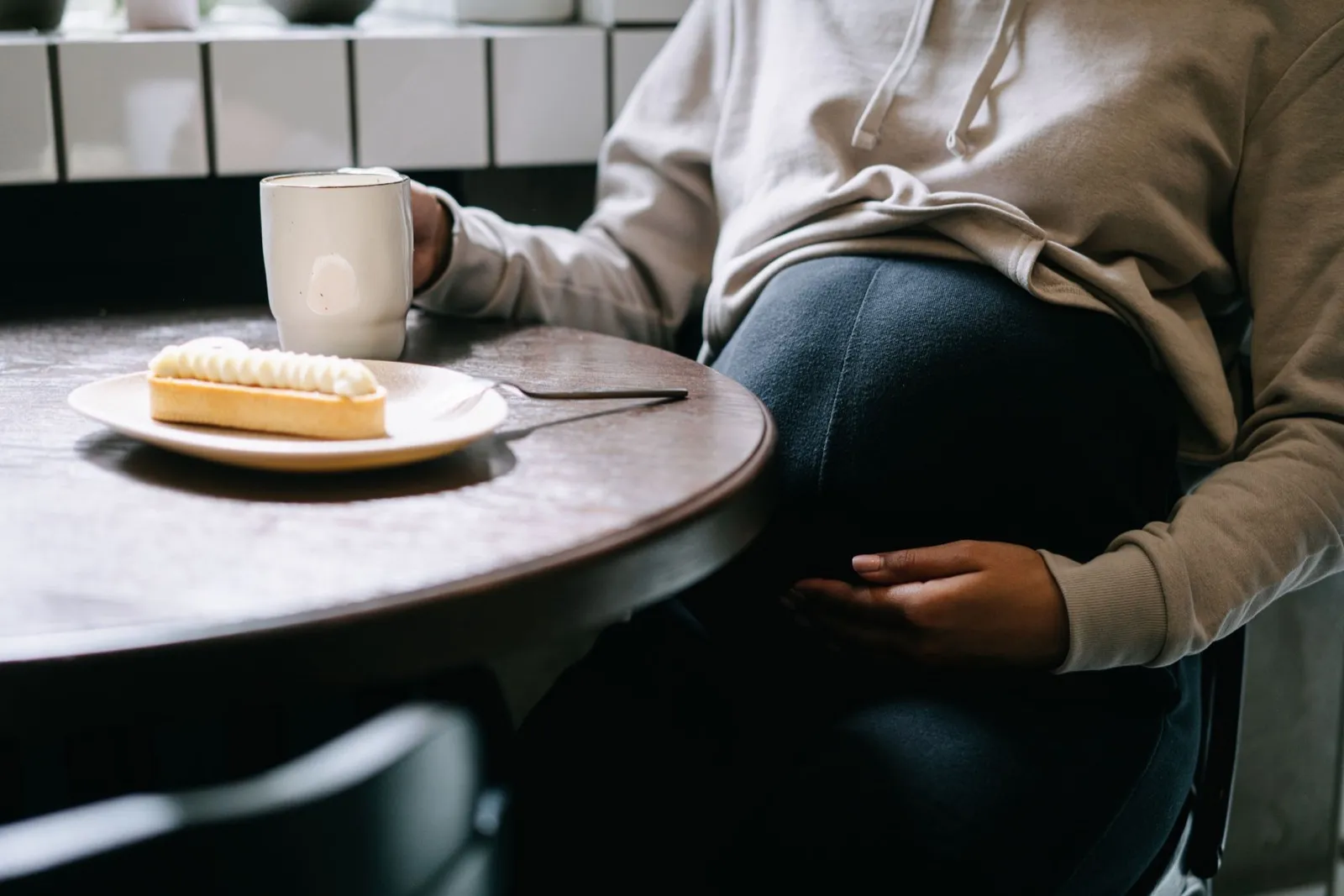
Image Credit: Pexels / Ivan S
Yes, you can drink Coke while pregnant, but there are two things worth keeping in mind: caffeine and sugar.
The NHS recommends limiting caffeine to no more than 200mg a day during pregnancy. Cola contains caffeine, so a Coke needs to be included alongside any coffee, tea, chocolate, energy drinks or other caffeinated products you have that day.
You do not need to avoid Coke simply because you are pregnant. Checking how it fits into your overall caffeine intake is the useful part.
How much caffeine is in Coke?
The NHS estimates that a 330ml can of cola contains around 40mg of caffeine.
The exact amount can differ between brands, varieties and serving sizes, so the label or manufacturer’s information is the best place to check a particular drink.
For context, the NHS gives these approximate caffeine amounts:
- 100mg in a mug of instant coffee
- 140mg in a mug of filter coffee
- 75mg in a mug of tea, including green tea
- 40mg in a can of cola
- 80mg in a 250ml can of energy drink
This means one standard can of caffeinated cola would usually account for only part of the NHS 200mg daily caffeine limit. What matters is the total amount from everything you consume during the day.
Why is caffeine limited during pregnancy?
Caffeine crosses the placenta, and pregnancy guidance recommends limiting how much you consume.
The NHS advises having no more than 200mg of caffeine a day during pregnancy. It states that regularly having more than this can increase the chance of pregnancy complications, including low birthweight, and may increase the chance of miscarriage.
Tommy’s also recommends keeping caffeine intake below 200mg per day during pregnancy and notes that caffeine is found in more than coffee and tea.
This is why a cola on its own is not the whole picture. Someone who rarely drinks other caffeinated products will have a different daily total from someone who also has coffee, tea and chocolate.
Does Coke Zero or Diet Coke contain caffeine?
Some sugar-free colas still contain caffeine, so switching from regular Coke to a diet or zero-sugar version does not necessarily remove caffeine.
Check the individual product label because formulations can vary. Caffeine-free versions are also available.
If you are choosing a caffeine-free cola, it will not contribute caffeine towards the NHS 200mg daily limit. You can check the packaging to make sure the particular product is labelled caffeine-free.
Sugar-free fizzy drinks may contain sweeteners. The NHS says approved sweeteners used in foods and drinks in the UK undergo safety assessment before they can be used.
What about the sugar in regular Coke?
Regular Coke contains added sugar.
The NHS recommends that adults have no more than 30g of free sugars a day. This is general healthy-eating guidance rather than a pregnancy-specific ban on sugary drinks.
The NHS also recommends swapping sugary drinks for water, lower-fat milk, or sugar-free, diet and no-added-sugar drinks as one way to reduce free sugar intake.
That does not mean you need to feel guilty about having a Coke. Looking at your overall eating and drinking pattern is more useful than treating one drink as a test of how well you are eating during pregnancy.
If you have been given individual dietary advice during pregnancy, follow the guidance from your maternity or healthcare team.
Can you drink caffeine-free Coke while pregnant?
A caffeine-free cola can be a straightforward option if you enjoy Coke but want to keep more of your daily caffeine allowance available for coffee, tea or other foods and drinks.
Still, check the label. Product names and formulations can change, and similar-looking versions may have different ingredients.
If reducing caffeine is your main goal, choosing a drink explicitly labelled caffeine-free removes the need to count that particular drink towards your caffeine total.
Does the size of the Coke matter?
Yes. A small can, a large bottle and a restaurant serving can contain different amounts of caffeine simply because the quantity of cola is different.
The NHS estimate of around 40mg refers to a can of cola. If you drink a larger serving, check the label and calculate the caffeine based on the amount you actually drink where that information is available.
This is especially useful with refillable restaurant drinks or larger bottles, where it can be easy to lose track of the total volume.
What if you accidentally have more than 200mg of caffeine?
The NHS recommendation is a daily limit, so it is sensible to keep track of your usual caffeine intake rather than becoming frightened by one day that may have gone over it.
Tommy’s advises reducing your caffeine intake if you realise you regularly have more than 200mg per day. Its caffeine calculator can help you estimate how much you usually consume.
If you are worried about how much caffeine you have had, particularly if you regularly exceed the recommended amount, speak to your midwife or GP. They can give advice based on your circumstances.
Easy ways to keep track of caffeine
You do not need to count every drink forever. It can help to work out the caffeine in the products you have most often.
For example, check your usual coffee, tea and cola serving sizes and keep the NHS 200mg daily recommendation in mind. Remember that chocolate, energy drinks and some medicines or supplements can contain caffeine too.
If you enjoy several caffeinated drinks, swapping one for a caffeine-free or decaffeinated version can reduce your total without requiring you to give up the drinks you like altogether.
Water remains a simple everyday option for hydration, but having a Coke occasionally does not need to become a source of guilt.
When to get professional advice
Speak to your midwife, GP or pharmacist if you regularly consume more than 200mg of caffeine a day, are finding it difficult to work out your caffeine intake, or have questions about a particular drink, medicine or supplement containing caffeine.
If you have been given individual nutrition advice during pregnancy, including advice related to blood sugar or another health concern, follow the recommendations from your maternity or healthcare team rather than relying on general guidance.
If you feel unwell during pregnancy or develop symptoms that concern you, contact your maternity unit, GP or NHS 111 as appropriate. For a severe or life-threatening medical emergency, call 999 or go to A&E.
Related reading
- Can you drink alcohol based syrups while pregnant?
- Can you drink alcohol while pregnant?
- Can you drink chamomile while pregnant?