Can you drink green tea while pregnant?
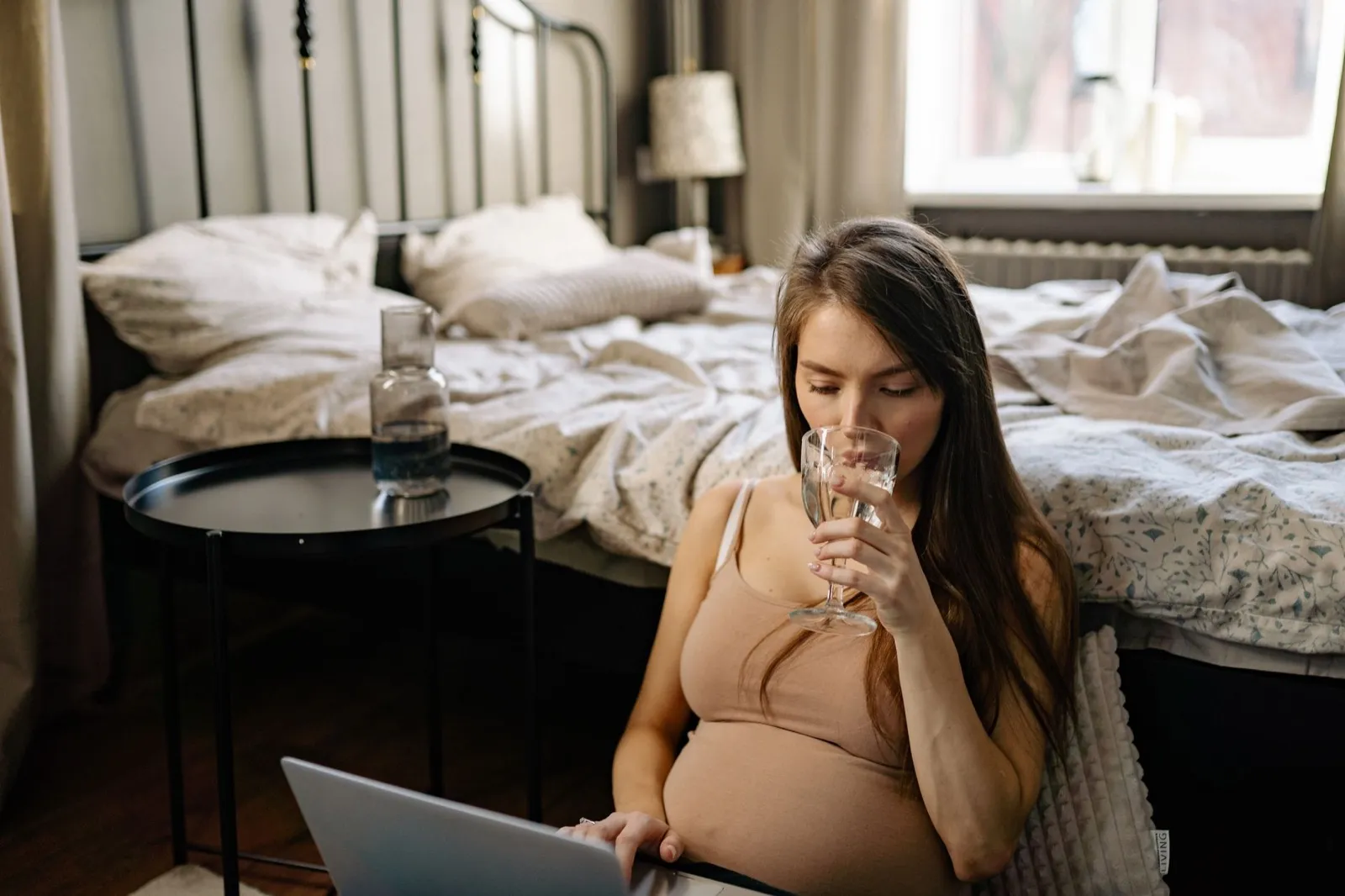
Image Credit: Pexels / Yan Krukau
Yes, you can drink green tea while pregnant, but it contains caffeine, so it needs to count towards your daily caffeine intake.
The NHS recommends having no more than 200mg of caffeine a day during pregnancy. It estimates that a cup of tea, including black or green tea, contains around 75mg of caffeine. The exact amount can vary depending on the tea, serving size and how strongly it is brewed.
That means you do not necessarily need to stop drinking green tea. The main thing is to keep an eye on how much caffeine you are getting from green tea alongside coffee, other teas, cola, energy drinks, chocolate and other sources.
How much green tea can you drink during pregnancy?
There is not a separate NHS daily limit specifically for green tea. Instead, green tea contributes to the overall recommendation of no more than 200mg of caffeine each day.
The NHS estimates around 75mg of caffeine in a cup of tea, including green tea. Using that estimate, two cups would provide around 150mg.
However, caffeine content is not identical in every cup. The amount can vary according to the product, cup size and brewing method. If the packaging gives caffeine information, that can help you estimate your intake more accurately.
It is also worth looking at the rest of your day. A couple of cups of green tea may leave less room for caffeinated coffee, cola or chocolate if you want to remain within the recommended total.
Why does green tea count towards the caffeine limit?
Green tea is sometimes thought of as a caffeine-free alternative to coffee, but it naturally contains caffeine.
The NHS includes both black and green tea among sources of caffeine and recommends limiting total caffeine intake during pregnancy to 200mg a day.
The reason for the limit is not specific to green tea itself. The NHS states that having too much caffeine during pregnancy has been linked to a higher chance of miscarriage and stillbirth.
Tommy’s also advises limiting caffeine during pregnancy and specifically notes that green tea contains caffeine.
This can sound worrying if you have already been drinking green tea. The guidance is about managing your overall caffeine intake rather than treating an individual cup of green tea as something that must be avoided.
How much caffeine is in green tea?
For pregnancy guidance, the NHS uses an estimate of around 75mg of caffeine for a cup of tea, giving black and green tea as examples.
Actual caffeine content can vary. Some green teas may contain less than this estimate, while stronger or larger servings can contain more.
This is why counting cups alone is not always precise. If you regularly drink a particular brand, check its packaging or the manufacturer’s information if caffeine content is provided.
If you buy green tea from a café, serving size and preparation can also differ from the tea you make at home.
What else counts towards your 200mg caffeine limit?
Green tea is only one possible source of caffeine.
The NHS gives these approximate amounts:
- 100mg in a cup of instant coffee
- 75mg in a cup of tea, including black or green tea
- 40mg in a can of cola
- 80mg in a 250ml can of energy drink
- less than 25mg in a 50g bar of plain dark chocolate
- less than 10mg in a 50g bar of plain milk chocolate
Caffeine can also be found in tablets, guarana and some health or fitness supplements.
You do not need to avoid every food or drink containing caffeine. It is the combined amount across the day that matters for the NHS recommendation.
Is green tea the same as herbal tea?
No. Green tea and herbal tea are not the same thing.
Green tea is made from the tea plant and contains caffeine. Herbal teas are made from different plants, herbs, fruits or spices and their ingredients vary considerably.
The NHS advises having no more than four cups of herbal tea a day during pregnancy and avoiding teas containing liquorice root.
Tommy’s takes a more cautious approach and recommends no more than two cups of herbal tea a day because there is limited information about the safety of herbal and green teas during pregnancy.
If you are choosing a herbal tea as an alternative to green tea, check the ingredients rather than assuming that every herbal product is suitable during pregnancy. Your midwife, GP or pharmacist can help if you are unsure about a particular ingredient.
What about decaffeinated green tea?
Decaffeinated tea can be an option if you enjoy green tea but want to reduce your caffeine intake.
Decaffeinated does not always mean completely caffeine-free, so check the label if you are keeping a close record of your caffeine consumption.
Switching some of your usual cups to decaffeinated versions can make it easier to stay within the daily caffeine recommendation, particularly if you also drink coffee or other caffeinated drinks.
Can you drink matcha while pregnant?
Matcha is made from powdered green tea leaves, so it contains caffeine too.
The amount can vary between products and serving sizes. Because the NHS caffeine guidance applies to your total intake rather than to one particular type of tea, caffeine from matcha needs to be included in the same 200mg daily total.
If you drink matcha regularly, check the product’s caffeine information where available. Café servings can also vary depending on how much matcha powder is used.
If you cannot find reliable caffeine information for the product you use, ask your midwife, pharmacist or the manufacturer rather than relying on a generic estimate.
What if you have already had several cups?
If you realise that you may have had more caffeine than recommended, you do not need to work out the possible effects yourself.
You can keep your caffeine intake within current guidance going forward and speak to your midwife or GP if you are worried, particularly if you regularly consume more than 200mg a day.
Tommy’s has a caffeine calculator that can also help you estimate how much caffeine you are getting from your usual drinks and foods.
Pregnancy food and drink advice can feel like a long list of things to monitor. Looking at your usual routine rather than trying to calculate every occasional sip can make the guidance easier to use.
When to get professional advice
Speak to your midwife, GP or pharmacist if you are unsure how much caffeine you are consuming, regularly have more than the recommended 200mg a day, or want advice about a particular green tea, herbal tea, matcha product or supplement.
It is particularly worth asking about products containing several herbs or other active ingredients because their suitability cannot be judged simply by whether they are labelled as tea.
If you become unwell during pregnancy or have symptoms that concern you, contact your maternity unit, GP or NHS 111 as appropriate. For a severe or life-threatening medical emergency, call 999 or go to A&E.
Related reading
- Can you drink alcohol based syrups while pregnant?
- Can you drink alcohol while pregnant?
- Can you drink chamomile while pregnant?