Can you drink kombucha while pregnant?
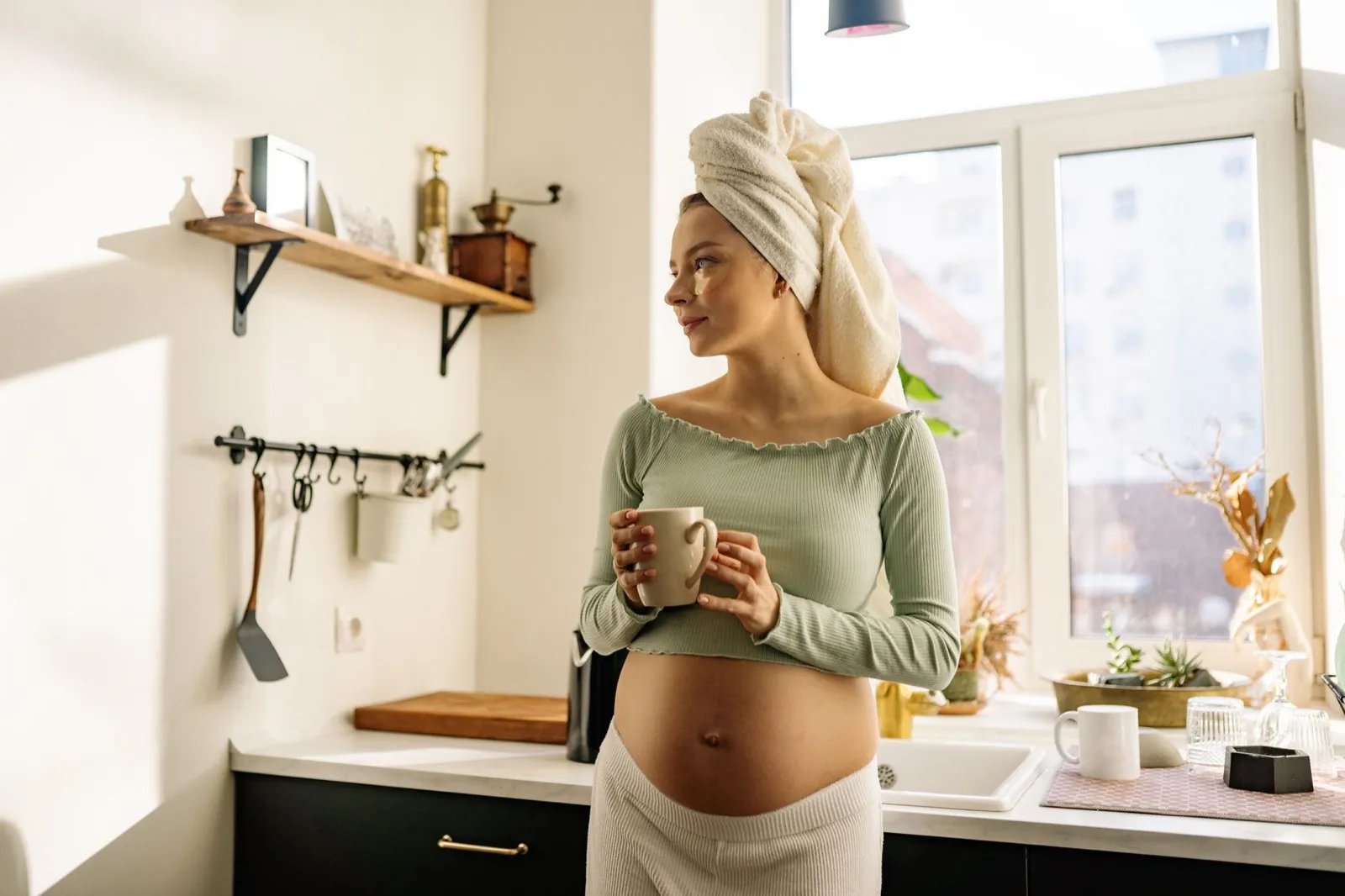
Image Credit: Pexels / Yan Krukau
Kombucha is one of those drinks that can be difficult to place on a pregnancy food list. There is no specific NHS pregnancy recommendation for kombucha itself, but there are good reasons to be cautious with it.
Kombucha is a fermented tea, and depending on the product it may contain alcohol, caffeine or both. Some kombucha is also sold unpasteurised. Because the NHS recommends avoiding alcohol during pregnancy and limiting caffeine to no more than 200mg a day, the safest practical approach is to check the individual product carefully and ask your midwife, GP or pharmacist if you are unsure.
Homemade kombucha deserves particular caution because its alcohol content and fermentation conditions can be harder to assess consistently.
Why kombucha is different from ordinary tea
Kombucha usually starts with sweetened tea that is fermented using a culture of bacteria and yeast. Fermentation is what gives it its characteristic sharp, slightly fizzy taste.
It also makes kombucha more complicated than a straightforward cup of tea during pregnancy. The finished drink can contain several things worth checking:
- alcohol produced during fermentation
- caffeine from the tea used to make it
- live microorganisms if the product has not been pasteurised
- additional herbs, juices or other ingredients in flavoured varieties
There is no single formulation that applies to every bottle. One brand can therefore be quite different from another.
What about alcohol in kombucha?
This is one of the main reasons to check kombucha carefully during pregnancy.
Alcohol can be produced naturally as kombucha ferments. The amount depends on how the drink has been made, processed and stored.
Current NHS guidance says that if you are pregnant or planning to become pregnant, you should not drink alcohol. The NHS explains that there is no proven safe level of alcohol during pregnancy and that avoiding it is the safest approach.
For kombucha, this means checking the label rather than assuming that every product is alcohol-free because it is sold as a soft drink.
If a kombucha contains alcohol, NHS pregnancy guidance supports choosing an alcohol-free alternative instead.
Does kombucha contain caffeine?
Kombucha is commonly made using black tea, green tea or another caffeinated tea, so the finished drink may contain caffeine.
The NHS recommends having no more than 200mg of caffeine per day during pregnancy. That total includes caffeine from all sources, such as coffee, tea, cola, energy drinks, chocolate and some supplements.
The amount of caffeine in kombucha varies between products. If a bottle lists its caffeine content, include it in your daily total.
If the label does not provide this information and you regularly drink kombucha, you can contact the manufacturer or ask your midwife or pharmacist for advice.
What about unpasteurised kombucha?
Some commercially produced kombucha is pasteurised, while other products are deliberately left unpasteurised so that they retain live cultures.
The NHS does not currently provide kombucha-specific advice on pasteurisation. Its pregnancy food guidance does, however, recommend avoiding several unpasteurised foods, particularly unpasteurised dairy products, because of the risk of harmful bacteria.
That does not mean the dairy guidance can simply be transferred to kombucha. It does mean that an unpasteurised fermented drink has additional food-safety considerations that are worth discussing with a healthcare professional rather than assuming it is suitable during pregnancy.
If you want kombucha during pregnancy, a commercially prepared product with clear labelling gives you more information to work with than a drink with uncertain ingredients or production conditions.
Is homemade kombucha suitable during pregnancy?
Homemade kombucha is more difficult to assess because fermentation conditions, alcohol concentration and hygiene controls can vary from batch to batch.
There is no NHS guidance specifically approving homemade kombucha during pregnancy. Given that NHS advice is to avoid alcohol, and homemade fermentation can make the final alcohol level difficult to know, a cautious option is to avoid homemade kombucha while pregnant.
If someone offers you homemade kombucha and you are unsure how it was prepared or how long it fermented, there is no need to feel awkward about choosing something else.
What about shop-bought kombucha?
Shop-bought kombucha can be easier to assess because you can check the packaging.
Look for information about:
- alcohol content
- caffeine content
- whether the drink is pasteurised
- the type of tea used
- additional herbal ingredients
- storage instructions
- the use-by date
Do not rely only on words such as “natural”, “raw”, “probiotic” or “healthy”. These descriptions do not tell you whether a product contains alcohol or how much caffeine it provides.
If the label is unclear, the manufacturer may be able to provide more detailed information.
What if you drank kombucha before realising you were pregnant?
If you have already had kombucha, try not to make assumptions about what that means without first checking the product.
Look at the bottle or manufacturer’s information to see whether it contained alcohol and, if so, how much. The NHS says that people who drank alcohol before knowing they were pregnant should avoid further alcohol, but should not worry unnecessarily because the risk of the baby being affected is likely to be low. If you are concerned, speak to your midwife or doctor.
The same approach can help if you are unsure about caffeine. Check what you drank, consider your other caffeine sources that day, and ask your midwife or GP if you are worried.
Are there alternatives to kombucha during pregnancy?
If you mainly like kombucha because it is fizzy and sharp, there are plenty of simpler alternatives.
Sparkling water with fruit, alcohol-free drinks that clearly state their ingredients, or chilled water with citrus can offer a similar refreshing feel without the uncertainty of fermentation.
If you are choosing herbal tea instead, remember that herbal products have their own pregnancy guidance. The NHS recommends limiting herbal tea to no more than four cups a day and avoiding teas containing liquorice root.
You do not need to find a special pregnancy drink. The useful part is simply knowing what is in the product you choose.
When to get professional advice
Speak to your midwife, GP or pharmacist if you regularly drink kombucha, are unsure whether a particular product contains alcohol, or cannot establish its caffeine content or ingredients.
It is also worth getting individual advice before drinking homemade or unpasteurised kombucha during pregnancy, particularly because the NHS does not provide specific pregnancy guidance for kombucha itself.
If you drank kombucha containing alcohol before knowing you were pregnant and are worried, the NHS advises speaking to your midwife or doctor. They can discuss your individual circumstances without judgement.
If you become unwell during pregnancy after consuming a food or drink and are concerned about your symptoms, contact your maternity unit, GP or NHS 111 as appropriate. For a severe or life-threatening medical emergency, call 999 or go to A&E.
Related reading
- Can you drink alcohol based syrups while pregnant?
- Can you drink alcohol while pregnant?
- Can you drink chamomile while pregnant?