Can you drink wine while pregnant?
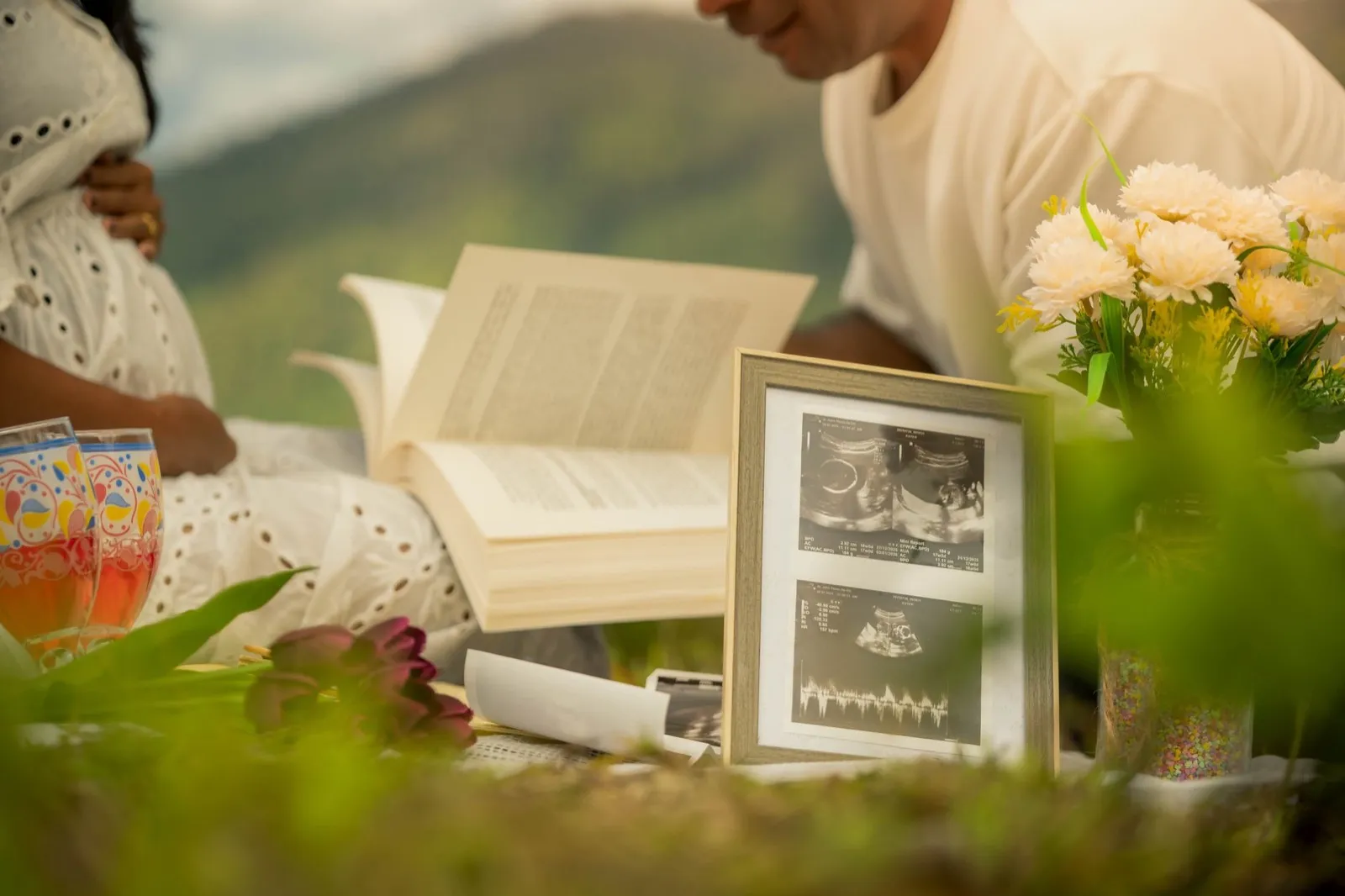
Image Credit: Pexels / Cheer Miron Asso
If you are pregnant, UK health guidance recommends not drinking wine or any other alcohol during pregnancy. The NHS and the Royal College of Obstetricians and Gynaecologists (RCOG) both say that avoiding alcohol completely is the safest approach because there is no proven safe amount to drink during pregnancy.
That applies to red, white, rosé and sparkling wine. The guidance is based on the alcohol they contain, rather than the particular type of wine.
If you drank wine before realising you were pregnant, this can understandably cause worry. RCOG states that the risk of harm is low with small amounts of alcohol consumed before you knew you were pregnant. You can stop drinking now and speak to your midwife or GP if you are concerned about what you drank.
Why is wine not recommended during pregnancy?
Alcohol passes from your blood through the placenta to the baby.
A developing baby cannot process alcohol in the same way an adult can. Alcohol exposure during pregnancy can affect development, and the risk of harm increases the more alcohol is consumed.
The NHS says drinking alcohol during pregnancy can cause fetal alcohol spectrum disorder, known as FASD. FASD describes a range of lifelong physical, behavioural and learning difficulties associated with alcohol exposure before birth.
RCOG also explains that heavy drinking during pregnancy can increase the chance of complications including miscarriage, stillbirth, premature labour and problems with fetal growth and development.
Because researchers have not established an amount of alcohol that can be guaranteed to be safe during pregnancy, UK guidance recommends avoiding it altogether.
Is one glass of wine safe during pregnancy?
There is no proven safe amount of alcohol to drink during pregnancy, so UK guidance does not recommend a particular number of glasses or units as safe.
This can sometimes feel confusing because you may hear personal stories about people having an occasional glass of wine during pregnancy. Individual experiences do not establish that a particular amount is safe.
The official recommendation is simpler: if you are pregnant or planning to become pregnant, the safest approach is not to drink alcohol.
This does not mean that someone who accidentally had a small amount should assume that harm has occurred. RCOG says the risk of harm is low if you drank only small amounts before becoming aware of the pregnancy. If it is worrying you, your midwife or GP can discuss your individual circumstances with you.
Does the type of wine make a difference?
Red wine is not considered safer than white wine during pregnancy, and white wine is not safer than rosé or sparkling wine. They all contain alcohol.
You may sometimes see claims that red wine has health benefits because it contains certain plant compounds. That does not change pregnancy guidance on alcohol.
The relevant question is whether the drink contains alcohol, not its colour or style.
Wine can also vary considerably in alcohol strength. The percentage shown as ABV on the bottle tells you how much of the drink is alcohol by volume. Even so, choosing a lower-alcohol wine does not make alcoholic wine a recommended pregnancy drink.
What about alcohol-free wine?
Alcohol-free and low-alcohol wines are different from ordinary wine, but it is worth checking the label carefully.
Products marketed as alcohol-free, de-alcoholised or low-alcohol can have different alcohol contents. If your aim is to avoid alcohol completely during pregnancy, check the ABV on the bottle rather than relying only on the product name.
You can also choose drinks that are naturally alcohol-free, such as sparkling water, juice-based drinks or other non-alcoholic options that suit you.
If you are unsure about a particular product, your midwife, GP or pharmacist can advise you.
What if you drank wine before you knew you were pregnant?
Finding out you are pregnant can immediately make you replay everything you ate and drank in the previous few weeks. If wine was part of that, try to focus on what the official guidance actually says rather than assuming the worst.
RCOG states that although there is no safe level of alcohol during pregnancy, the risk of harm is low with small amounts consumed before you became aware of the pregnancy.
The NHS recommendation is to avoid alcohol once you know you are pregnant.
If you drank heavily, drank regularly, or simply feel worried about how much you had, tell your midwife or GP. Being open about alcohol allows your healthcare team to give you advice and support based on your circumstances.
What if avoiding alcohol feels difficult?
For some people, stopping alcohol is straightforward. For others, it can be difficult, particularly if drinking has become a regular part of daily life or is being used to cope with stress.
This is something you can discuss confidentially with your midwife or GP. Tommy’s advises speaking to a healthcare professional if you find it difficult to avoid alcohol during pregnancy so that appropriate support can be arranged.
If you think you may be dependent on alcohol, seek medical advice rather than trying to manage the situation alone. Your healthcare team can help you access suitable specialist support.
Pregnancy care is there to support you, not to grade your choices.
What if someone offers you a small glass at a celebration?
You do not need to make an exception for a wedding, birthday, holiday or toast. The recommendation to avoid alcohol applies throughout pregnancy.
If you would rather not explain why you are avoiding wine, choosing a genuinely alcohol-free alternative can make social occasions simpler. Checking the ABV is useful because products described as low-alcohol and alcohol-free are not necessarily the same thing.
There is also no need to justify your decision. A simple alcohol-free drink in your glass is enough.
When to get professional advice
Speak to your midwife or GP if you have drunk alcohol during pregnancy and are worried about it, particularly if you have been drinking regularly or in larger amounts.
You should also ask for professional support if you are finding it difficult to stop drinking. The NHS advises speaking to a midwife or doctor if you are struggling with alcohol during pregnancy. They can help you access appropriate support.
If you think you may be dependent on alcohol, get medical advice about stopping rather than making a sudden change without support.
For other pregnancy symptoms or health concerns, contact your maternity unit, GP or NHS 111 as appropriate. Call 999 or go to A&E for a life-threatening emergency.
Related reading
- Can you drink alcohol based syrups while pregnant?
- Can you drink alcohol while pregnant?
- Can you drink chamomile while pregnant?