Can you eat fast food while pregnant?
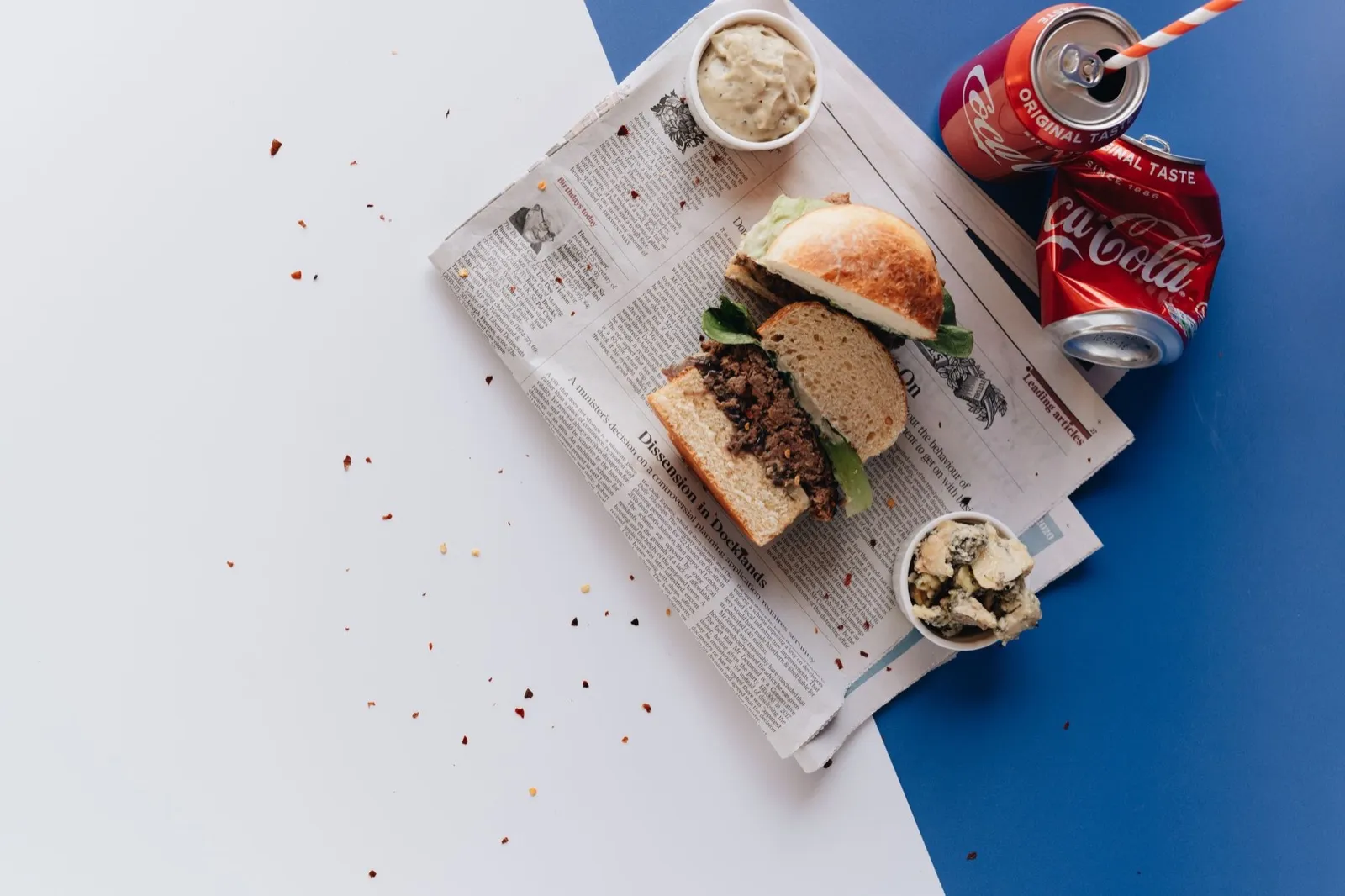
Image Credit: Pexels / alleksana
Yes, you can eat fast food while pregnant. Pregnancy does not mean burgers, chips, pizza, fried chicken or an occasional takeaway suddenly have to disappear from the menu.
The main considerations are food safety and your overall diet. Some fast-food meals can be high in salt, saturated fat or calories, while certain ingredients need extra care during pregnancy. What matters most is what the meal contains, how it has been prepared and what your eating pattern looks like overall.
If fast food is what is practical, affordable or appealing to you on a particular day, there is no need to attach guilt to that choice.
Is fast food safe during pregnancy?
Fast food itself is not listed by the NHS as a food that needs to be avoided during pregnancy. However, the usual pregnancy food-safety guidance still applies to everything in your meal.
For example, the NHS advises that chicken, pork, burgers, sausages and other minced meats should be thoroughly cooked, with no pink or blood remaining. Raw or undercooked meat should be avoided because of the risk of toxoplasmosis.
Cheese also needs checking. Many cheeses commonly used in fast food, including pasteurised mozzarella and processed cheese spreads, are included on the NHS list of cheeses that can be eaten during pregnancy. Hard cheeses such as cheddar and parmesan are also suitable.
Soft mould-ripened cheeses and soft blue cheeses need to be cooked until steaming hot. Unpasteurised milk and dairy products should be avoided, apart from hard cheeses, which the NHS states are safe even if made with unpasteurised milk.
So rather than asking whether an entire fast-food meal is safe, it is more useful to look at the individual ingredients.
What should you check when ordering fast food?
A few simple checks can make ordering easier.
Burgers and meat
Burgers and other minced meat products should be thoroughly cooked during pregnancy. The NHS advises that there should be no pink or blood after cooking.
Chicken and pork should also be thoroughly cooked.
If a burger, chicken portion or other meat looks undercooked, do not eat it. Ask for it to be replaced or choose something else.
Cheese
Common cheeses such as cheddar, pasteurised mozzarella and processed cheese spreads can be eaten during pregnancy.
If a meal contains brie, camembert, chèvre with a white rind or a soft blue cheese, the NHS advises that it should be cooked until steaming hot.
If you are unsure what type of cheese is being used, ask the restaurant or check its ingredient information.
Eggs
British Lion hen eggs, identified by the red lion stamp, and eggs produced under the Laid in Britain scheme can be eaten raw or partially cooked during pregnancy according to NHS guidance.
Other hen eggs should be well cooked. Duck, goose and quail eggs should also be well cooked.
This may be relevant if you are ordering a breakfast sandwich, burger with an egg or another meal containing a runny egg.
Cold cured meats
Cold cured meats such as salami, pepperoni, chorizo and prosciutto should be cooked until steaming hot before eating during pregnancy.
This is worth remembering for pizzas, toasted sandwiches and other meals where cured meat may sometimes be added after cooking.
Fish and seafood
Cooked fish and cooked shellfish are suitable during pregnancy, but there are specific restrictions for certain fish.
The NHS advises avoiding raw fish and raw shellfish, as well as shark, swordfish and marlin. Tuna should be limited to no more than four cans or two tuna steaks a week, and oily fish should be limited to no more than two portions a week.
Cold-smoked and cured fish, such as smoked salmon, should be cooked until steaming hot.
Does fast food have too much salt during pregnancy?
Some fast food can contain a lot of salt. The NHS notes that salt is found in takeaway meals, restaurant meals and fast-food outlets, and advises adults to have no more than 6g of salt a day.
NHS pregnancy guidance also recommends cutting down on salt during pregnancy.
That does not mean you need to calculate every gram in an occasional takeaway. If you eat fast food regularly, though, checking nutritional information can help you compare options.
Many chains publish nutritional information online or in their restaurants. Where information is available, you can look at the salt content and compare meals rather than assuming that one particular type of fast food is always the better choice.
You might also choose not to add extra salt or particularly salty sauces if the meal already contains plenty.
What about fat, sugar and calories?
Fast food varies enormously. A grilled chicken wrap, vegetable pizza, burger and chips, milkshake and salad are all very different meals, even though they may all be sold as fast food.
The NHS recommends a balanced diet during pregnancy rather than a special pregnancy diet. This includes fruit and vegetables, starchy foods, protein foods and dairy or suitable alternatives.
Foods that are high in fat, salt and sugar are generally recommended less often and in smaller amounts as part of a balanced diet.
That is about the overall pattern of eating, not judging an individual meal.
If you want to make a fast-food meal more balanced, you could add vegetables, fruit or another food you enjoy alongside it. You might choose a smaller portion or compare different menu options. Equally, one meal does not need to contain every food group.
What if fast food is one of the few things you feel like eating?
Pregnancy can affect appetite and food preferences, and eating may not always look the way you expected.
If fast food is particularly appealing, focus first on following pregnancy food-safety guidance. There is no benefit in feeling guilty about an individual meal.
If you are finding it difficult to eat a varied diet, are struggling to keep food or fluids down, or have concerns about your nutrition during pregnancy, speak to your midwife or GP. They can give advice based on your circumstances rather than a generic idea of what pregnancy eating should look like.
Can you have takeaway leftovers during pregnancy?
Food storage and reheating still matter.
Follow the storage instructions provided with food and do not eat foods after their use-by date. Foods that need reheating should be heated until steaming hot all the way through.
If you are uncertain how long a takeaway has been sitting out or whether it has been stored safely, it is sensible not to eat it.
Pregnancy food rules can sometimes make ordinary meals feel complicated, but the key principles are fairly practical: choose appropriately prepared ingredients, avoid the foods the NHS advises against, and make sure foods that need thorough cooking are properly cooked.
When to get professional advice
Speak to your midwife or GP if you are concerned about something you have eaten during pregnancy, particularly if you develop symptoms afterwards.
The NHS advises contacting NHS 111 if you are pregnant and feel unwell after eating food or drink that should be avoided during pregnancy, have vomiting and diarrhoea for more than 48 hours, or develop symptoms of listeriosis or toxoplasmosis.
If you have ongoing concerns about what you are able to eat, your appetite or whether your diet is meeting your needs during pregnancy, your midwife or GP can give advice that takes your individual circumstances into account.
For severe or life-threatening symptoms, call 999 or go to A&E.
Related reading
- Can you drink alcohol based syrups while pregnant?
- Can you drink alcohol while pregnant?
- Can you drink chamomile while pregnant?