Can you eat feta cheese while pregnant?
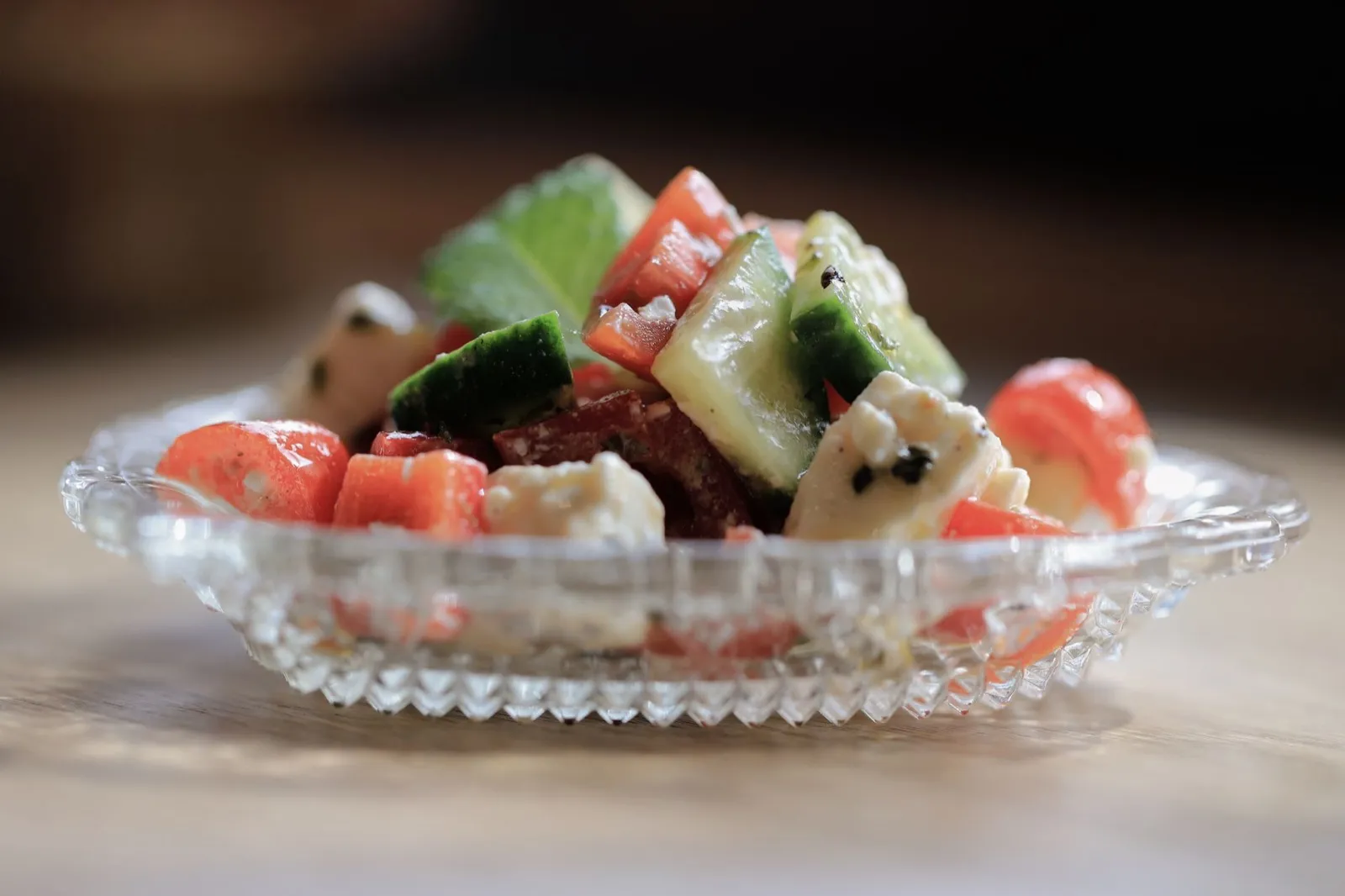
Image Credit: Pexels / Christina & Peter
Yes, you can eat feta cheese while pregnant if it is made from pasteurised milk. Current NHS pregnancy guidance specifically lists pasteurised feta among the soft cheeses that are safe to eat.
You do not need to cook pasteurised feta before eating it. It can be eaten cold in salads, sandwiches and other dishes, provided it has been stored correctly and the other ingredients are suitable during pregnancy.
The useful check is the label. If the feta is pasteurised, it can be included in your diet. Unpasteurised milk and dairy products should be avoided during pregnancy because of the risk of listeria.
Is feta cheese safe during pregnancy?
Pasteurised feta is considered safe during pregnancy under current NHS guidance.
Cheese advice in pregnancy can sound confusing because some soft cheeses need to be avoided or cooked before eating. Feta, however, is specifically included on the NHS list of pasteurised soft and semi-hard cheeses that can be eaten.
Other examples include:
- mozzarella
- ricotta
- mascarpone
- cottage cheese
- cream cheese
- halloumi
- paneer
- burrata
The important word is pasteurised.
Unpasteurised milk and dairy products should be avoided during pregnancy because they may contain listeria bacteria.
How do you know if feta is pasteurised?
Check the packaging.
The ingredients or product description should tell you whether the feta has been made from pasteurised milk. The NHS notes that most milk, cheese and other dairy products sold in UK supermarkets are pasteurised, but checking the label is the simplest way to confirm.
If you buy feta from a deli, market, farm shop or specialist food shop, ask whether the milk has been pasteurised if the information is not clearly displayed.
Imported and artisan products can vary, so it is better to check than assume.
If you cannot find out whether a particular feta is pasteurised, choosing one with clear labelling is an easy alternative.
Does feta need to be cooked during pregnancy?
Pasteurised feta does not need to be cooked before you eat it.
You can have it cold in a salad, crumble it over a meal or use it in a sandwich, provided it has been stored safely.
This is different from certain mould-ripened and blue cheeses. The NHS advises that soft cheeses with a white coating on the outside, such as brie and camembert, and soft blue cheeses such as gorgonzola and Roquefort should only be eaten during pregnancy when cooked until steaming hot.
Feta does not fall into that category when it is pasteurised.
Of course, you can still cook feta if you prefer it that way. Baking or cooking it is a matter of taste rather than a requirement for pasteurised feta.
Can you eat feta in a restaurant?
Yes, but it is reasonable to check whether the feta is pasteurised if the restaurant does not provide that information.
You can simply ask a member of staff whether the cheese is made from pasteurised milk.
The rest of the dish matters too. A feta salad, for example, may contain raw vegetables and salad leaves. NHS pregnancy guidance advises washing fruit, vegetables and salads thoroughly before eating them.
Restaurants and food businesses have their own food hygiene responsibilities, but if you have questions about an ingredient during pregnancy, asking how it has been prepared is entirely reasonable.
If the restaurant cannot confirm whether its feta is pasteurised and you would rather not take the uncertainty, you can choose another dish.
What about Greek feta?
The name or country of origin does not determine whether feta is suitable during pregnancy.
Traditional feta may be made from sheep’s milk or a combination of sheep’s and goat’s milk. The relevant pregnancy food safety question is whether that milk has been pasteurised.
If a Greek feta is labelled as pasteurised, NHS guidance allows pasteurised feta during pregnancy.
If it is unpasteurised, avoid it.
This is why checking the label is more useful than trying to judge a cheese by its name, texture or where it was produced.
Can you eat feta made from goat’s or sheep’s milk?
Yes, provided the feta is made from pasteurised milk.
Pregnancy cheese guidance is not simply about whether a product comes from cows, goats or sheep. Pasteurisation and the type of cheese are what matter.
The NHS lists pasteurised feta as safe during pregnancy without requiring it to be made from a particular animal’s milk.
Again, check the packaging if you are unsure.
How should feta be stored?
Follow the storage instructions on the packaging and keep feta refrigerated where directed.
Use-by dates are about food safety. The Food Standards Agency advises not eating food after its use-by date, even if it looks and smells fine.
Once the packet has been opened, follow the manufacturer’s instructions about how long the cheese should be kept.
If feta has been left out for an extended period, stored incorrectly or you are unsure how long an opened packet has been in the fridge, it is sensible to follow food safety guidance rather than relying on smell or appearance alone.
Good storage matters for everyone, but pregnancy is a time when avoiding preventable foodborne infection is particularly important.
Why does pasteurisation matter?
Pasteurisation is a heat treatment used to kill harmful bacteria in milk.
The NHS advises avoiding unpasteurised milk and dairy products during pregnancy because they may contain listeria.
Listeria can cause an infection called listeriosis. The infection is uncommon, but pregnancy increases the risk of complications.
This is why pasteurised feta is acceptable while unpasteurised dairy products are on the avoid list.
It is a specific food safety precaution rather than a reason to avoid cheese generally.
Is feta good for pregnancy?
Feta can be part of a varied pregnancy diet, but there is no need to treat it as an essential pregnancy food.
Dairy foods such as cheese can provide nutrients including calcium and protein. The NHS includes dairy foods and suitable alternatives within a balanced pregnancy diet.
Feta can also be relatively high in salt, so it makes sense to consider it as one part of your overall eating pattern rather than something you need to eat in large quantities.
You do not need to make every meal nutritionally perfect. If you enjoy pasteurised feta, it can simply be one of the foods you include.
What if you already ate unpasteurised feta?
Finding out after eating something that it may not be recommended during pregnancy can be worrying.
The NHS says that if you have already had a small amount of a food or drink that should be avoided during pregnancy, it is unlikely to have affected you or your baby if you have not become unwell. If you are worried or develop symptoms, speak to your midwife or GP.
Do not try to diagnose listeriosis yourself.
If you still have the packaging, checking whether the product was actually pasteurised may answer the question. Most supermarket dairy products in the UK are pasteurised, according to the NHS.
When to get professional advice
You do not normally need professional advice simply because you have eaten pasteurised feta during pregnancy.
Speak to your midwife or GP if you know you have eaten unpasteurised feta and are worried, or if you become unwell after eating a food you are concerned about.
The NHS advises asking for an urgent GP appointment or contacting NHS 111 if you are pregnant and think you have listeriosis. Symptoms can include a high temperature, aches and pains, chills, feeling or being sick and diarrhoea. During pregnancy, stomach ache or noticing your baby moving less than usual can also be relevant symptoms.
You can also contact your midwife for advice.
Call 999 or go to A&E for symptoms of a serious emergency, such as a seizure, sudden confusion, being very difficult to wake, a severe headache with a stiff neck or a rash that does not fade when a glass is rolled over it.
Related reading
- Can you drink alcohol based syrups while pregnant?
- Can you drink alcohol while pregnant?
- Can you drink chamomile while pregnant?