Can you eat KFC while pregnant?
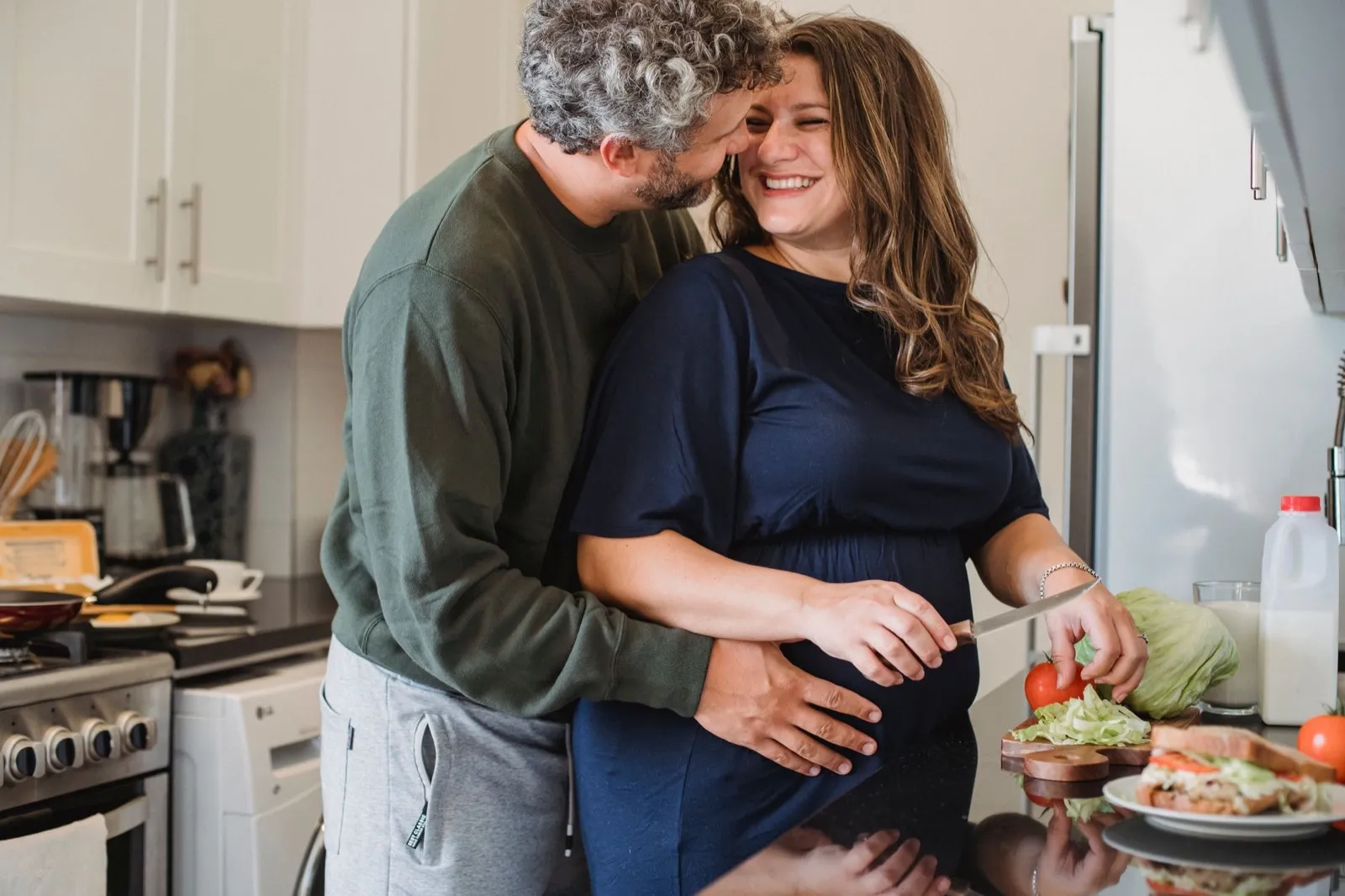
Image Credit: Pexels / Amina Filkins
Yes, you can eat KFC while pregnant, provided the food is properly cooked and handled safely. NHS pregnancy guidance says thoroughly cooked chicken is safe to eat, with no pink meat or blood remaining.
There is no NHS rule telling pregnant people to avoid KFC specifically. The same pregnancy food-safety principles that apply to other restaurants and takeaways apply here too.
That means the bigger questions are what you order, whether ingredients that need cooking are thoroughly cooked, and how the meal fits into your overall eating pattern.
Is KFC chicken safe during pregnancy?
Chicken can be eaten during pregnancy, but it needs to be thoroughly cooked.
The NHS advises that poultry should be cooked very thoroughly until steaming all the way through, with no pink meat and no pink or red juices. This is because undercooked poultry can cause food poisoning.
KFC sells cooked chicken products, but the practical advice is the same as it would be with chicken from any restaurant. If a piece of chicken looks undercooked or pink inside, do not continue eating it. Return it to the restaurant or choose something else.
Food should also be served and stored appropriately. If you are eating KFC as a takeaway, it is best to eat hot items while they are freshly cooked rather than leaving them sitting around for a long time.
What can you order from KFC while pregnant?
There is no single pregnancy-specific KFC order that everyone needs to choose.
Chicken that is thoroughly cooked can be eaten during pregnancy. Other common parts of a KFC meal, such as chips, corn and gravy, are not among the foods the NHS specifically tells pregnant people to avoid.
Burgers and wraps can also contain salad, cheese, mayonnaise or sauces, so it can be useful to check the ingredients if you are unsure about a particular product.
KFC UK publishes nutritional, allergen and dietary information for its menu online. Its menu can change, so checking the current information for the exact product you want is more reliable than relying on an old ingredient list.
If you have a food allergy, KFC states that its kitchens handle multiple ingredients and it cannot guarantee that products are completely free from allergens because cross-contact can occur.
What about mayonnaise and sauces?
Mayonnaise sometimes causes confusion during pregnancy because homemade mayonnaise can contain raw egg.
The NHS says foods made with raw hen eggs, including mayonnaise, can be eaten if they are made using British Lion eggs or eggs produced under the Laid in Britain scheme.
Commercially produced sauces can vary in their ingredients, so if you want to know exactly what is in a particular KFC sauce, check KFC UK’s current ingredient and allergen information.
You do not need to avoid every sauce simply because you are pregnant. The relevant question is what the sauce contains and whether any ingredient falls under NHS pregnancy food restrictions.
Is KFC too salty or fatty during pregnancy?
An occasional KFC meal does not need to become a source of guilt.
NHS pregnancy guidance recommends eating a varied, balanced diet, including fruit and vegetables, starchy carbohydrates, protein foods and dairy or suitable alternatives.
Fried and takeaway foods can contain more fat and salt than some other choices. That does not mean they are forbidden during pregnancy. It simply means they are best considered as part of your wider eating pattern rather than judged in isolation.
If you eat KFC regularly and want to compare your options, the company’s UK nutrition information provides details for individual menu items. You could use this to compare portions, energy, fat, salt and other nutritional information according to what matters to you.
There is no need to make every meal nutritionally perfect. Pregnancy can affect appetite, energy and food preferences, and what feels manageable can vary from one day to another.
Can you eat KFC chips while pregnant?
KFC chips are not listed among the foods that need to be avoided during pregnancy.
The NHS includes potatoes and other starchy foods as part of a balanced pregnancy diet. It also notes that foods high in fat, salt and sugar are generally recommended less often and in smaller amounts.
So chips can be part of a meal during pregnancy. How often you have them and what else you eat across the day or week matters more nutritionally than treating one portion as a problem.
If you have been given individual dietary advice because of a pregnancy-related condition or another health issue, follow the guidance from your maternity team rather than general online advice.
What about coleslaw and other cold sides?
Cold ready-to-eat foods deserve a little more attention during pregnancy because safe storage matters.
The NHS notes that some ready-to-eat foods, including pre-packaged salads, can carry a low risk of listeria. It advises keeping these foods chilled and eating them before their use-by date.
Restaurant-prepared sides do not come with a use-by date for you to check, so they should be handled according to the restaurant’s food-safety procedures and eaten promptly after purchase.
If a cold side appears to have been left unrefrigerated for an uncertain length of time, or you have concerns about how it has been stored, choosing something else is reasonable.
What if the chicken looks pink?
Do not eat chicken that appears undercooked.
NHS guidance is clear that chicken should be thoroughly cooked, with no trace of pink or blood remaining. If you cut into a piece and believe it is undercooked, stop eating it and tell the restaurant.
If you have already eaten some and later realise it may have been undercooked, you do not need to diagnose yourself based on the meal alone. Pay attention to how you feel and seek professional advice if you become unwell or are concerned.
The NHS advises pregnant people to contact NHS 111 if they feel unwell after eating something that should be avoided during pregnancy or have symptoms of food poisoning, including vomiting and diarrhoea lasting more than 48 hours.
Can you have leftover KFC during pregnancy?
Safe storage and reheating are important for leftovers.
The NHS advises following cooking instructions and reheating food until it is steaming hot all the way through. Ready meals containing poultry should also be heated until steaming throughout.
If takeaway food has been left sitting out and you are uncertain whether it has been stored safely, it is better not to eat it.
If you plan to keep leftovers, refrigerate them promptly and follow reliable food-storage guidance. Avoid repeatedly cooling and reheating the same food.
When to get professional advice
Speak to your midwife or GP if you are concerned about something you have eaten during pregnancy or you develop symptoms afterwards.
The NHS advises contacting NHS 111 if you are pregnant and feel unwell after eating food that should be avoided, have vomiting and diarrhoea for more than 48 hours, or have symptoms of listeriosis or toxoplasmosis.
If you have specific nutritional needs, food allergies, pregnancy complications or have been advised to follow a particular diet, your midwife, GP or maternity team can help you work out what is appropriate for you.
For severe or life-threatening symptoms, call 999 or go to A&E.
Related reading
- Can you drink alcohol based syrups while pregnant?
- Can you drink alcohol while pregnant?
- Can you drink chamomile while pregnant?