Can you eat pizza while pregnant?
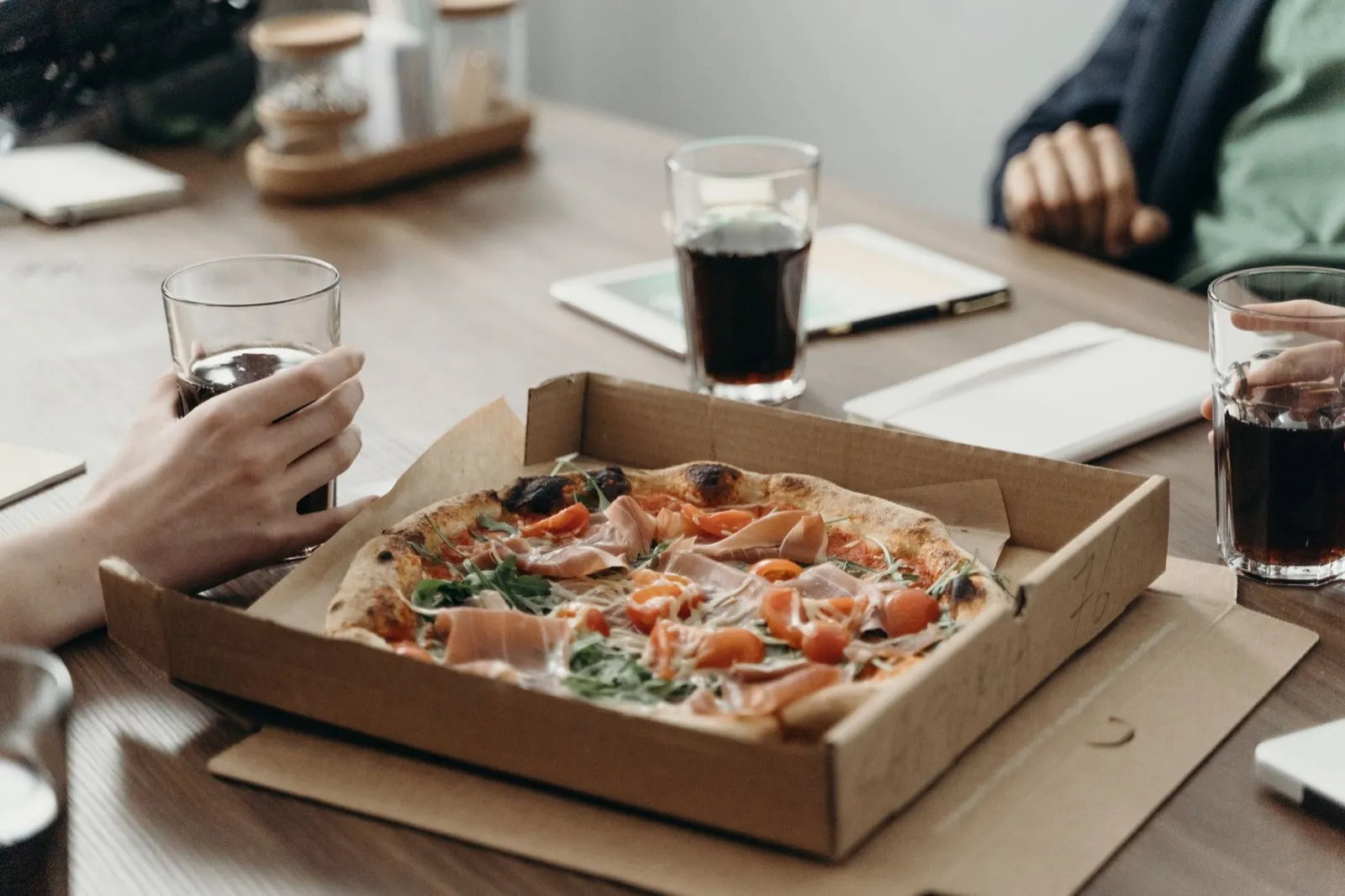
Image Credit: Pexels / cottonbro studio
Yes, you can eat pizza while pregnant. For most pizzas, the main things to check are that any meat toppings are properly cooked, cheeses that need cooking are heated until steaming hot, and the pizza itself is served thoroughly cooked.
That means familiar choices such as a freshly cooked margherita, vegetable pizza or pizza topped with thoroughly cooked meat can usually fit within current NHS pregnancy food guidance.
The ingredients matter more than the fact that it is pizza. A few toppings, including certain soft cheeses, cured meats and cold-smoked fish, need extra care during pregnancy.
Which pizza toppings can you eat during pregnancy?
Many common pizza ingredients are suitable during pregnancy.
The NHS lists pasteurised mozzarella as safe to eat during pregnancy. Hard cheeses such as cheddar and parmesan are also included among cheeses that can be eaten, whether they are made with pasteurised or unpasteurised milk.
Vegetable toppings can be eaten too. Fresh vegetables and salad ingredients should be washed thoroughly before eating, particularly if they are added to the pizza after cooking.
Meat toppings need to follow pregnancy food-safety guidance. The NHS advises that pork, poultry, burgers and sausages should be thoroughly cooked, with no pink or blood remaining.
If you are ordering pizza and cannot tell whether a particular ingredient is suitable, asking how it has been prepared can make the choice much clearer.
Can you eat pepperoni pizza while pregnant?
Pepperoni needs a little more attention because it is a cold cured meat.
Current NHS guidance says cold cured meats such as pepperoni, salami, chorizo and prosciutto should be cooked until steaming hot before they are eaten during pregnancy.
This means pepperoni that has been properly cooked as part of a hot pizza is different from cold pepperoni added after the pizza has been cooked.
The NHS explains that raw, undercooked or cured meat carries a small risk of toxoplasmosis. Cold cured ready-to-eat meats may also contain listeria bacteria.
If you are having a takeaway or restaurant pizza, the practical point is simple: the cured meat topping should be properly cooked and served hot rather than added cold at the end.
What about cheese on pizza?
Cheese is often one of the easiest parts of pizza to navigate during pregnancy.
Pasteurised mozzarella, feta, ricotta, mascarpone, halloumi, paneer, cottage cheese and goats’ cheese without a white rind are listed by the NHS as safe to eat. Hard cheeses such as cheddar and parmesan are also suitable.
Some soft cheeses require different handling. Mould-ripened cheeses with a white rind, such as brie and camembert, and soft blue cheeses such as gorgonzola and roquefort should be thoroughly cooked during pregnancy.
The NHS states that these cheeses can be eaten when cooked until steaming hot.
So a pizza containing gorgonzola or brie may still be an option if the cheese has been thoroughly cooked as part of the pizza. Adding pieces of these cheeses cold after baking would not follow that guidance.
Unpasteurised milk and dairy products should be avoided during pregnancy, although the NHS separately states that hard cheeses are safe even if made with unpasteurised milk.
Can you eat takeaway or restaurant pizza while pregnant?
A takeaway or restaurant pizza can be eaten during pregnancy if its ingredients and preparation follow the same food-safety guidance you would use at home.
The pizza should be properly cooked, particularly if it contains meat. Cured meats and cheeses that require cooking during pregnancy should be steaming hot.
If something is unclear, it is reasonable to ask the restaurant whether a cheese is pasteurised, whether a cured topping is cooked with the pizza, or whether an ingredient is added after cooking.
For leftovers, follow safe storage instructions rather than leaving pizza sitting at room temperature for long periods. The NHS advises following cooking instructions and heating or reheating foods until they are steaming hot right through where applicable.
Use-by dates also matter for packaged ingredients. The NHS advises not eating food after its use-by date even if it looks and smells fine.
What about smoked salmon pizza?
Cold-smoked salmon needs particular care during pregnancy.
Current NHS guidance says cold-smoked and cured fish, including smoked salmon, should be cooked until steaming hot before eating during pregnancy because of the risk of listeria.
A pizza where smoked salmon has been thoroughly cooked until steaming hot is therefore different from one where cold smoked salmon is placed on top after the pizza leaves the oven.
If you are ordering smoked salmon pizza in a restaurant, ask how and when the salmon is added if it is not clear from the menu.
The NHS also advises limiting oily fish, including salmon, to no more than two portions a week during pregnancy.
Is pizza unhealthy during pregnancy?
Pizza does not need to be labelled as a “good” or “bad” pregnancy food.
Pregnancy does not require a special diet. NHS guidance recommends eating a balance of foods, including fruit and vegetables, starchy carbohydrates, protein foods and dairy or suitable alternatives.
Some pizzas can be high in salt, saturated fat or calories, particularly depending on their size, crust, cheese and toppings. That does not mean you need to avoid pizza. It simply makes sense to consider it within the overall pattern of what you eat.
If you want to vary a pizza meal, you might choose vegetable toppings or have vegetables or salad alongside it. There is no need to turn an occasional pizza into a perfectly balanced meal.
Food safety is the more immediate pregnancy-specific consideration. Make sure ingredients that require cooking are thoroughly cooked and follow NHS guidance for cheeses, meat and fish.
What if you ate a pizza topping that should be avoided?
It is easy to realise afterwards that a pizza contained an ingredient you would have chosen differently if you had known.
The NHS says that if you have already eaten a small amount of a food or drink that should be avoided during pregnancy, it is unlikely to affect your baby if you did not become ill.
You do not need to diagnose a problem based simply on having eaten the food. Speak to your midwife or GP if you are worried or develop symptoms.
When to get professional advice
Contact your midwife or GP if you are worried about something you have eaten during pregnancy or you feel unwell afterwards.
Current NHS guidance advises getting help from NHS 111 if you are pregnant and feel unwell after eating food that should be avoided, have vomiting and diarrhoea lasting more than 48 hours, or have symptoms of listeriosis or toxoplasmosis.
Listeriosis can cause symptoms including a high temperature, aches and pains, chills, feeling or being sick and diarrhoea. During pregnancy, stomach ache or a reduction in your baby’s usual movements can also occur.
If you notice your baby moving less than usual or there is a change in their usual pattern of movements, NHS guidance says to contact your midwife or maternity unit immediately rather than waiting until the next day.
For severe or life-threatening symptoms, call 999 or go to A&E.
Related reading
- Can you drink alcohol based syrups while pregnant?
- Can you drink alcohol while pregnant?
- Can you drink chamomile while pregnant?