Can you eat pork while pregnant?
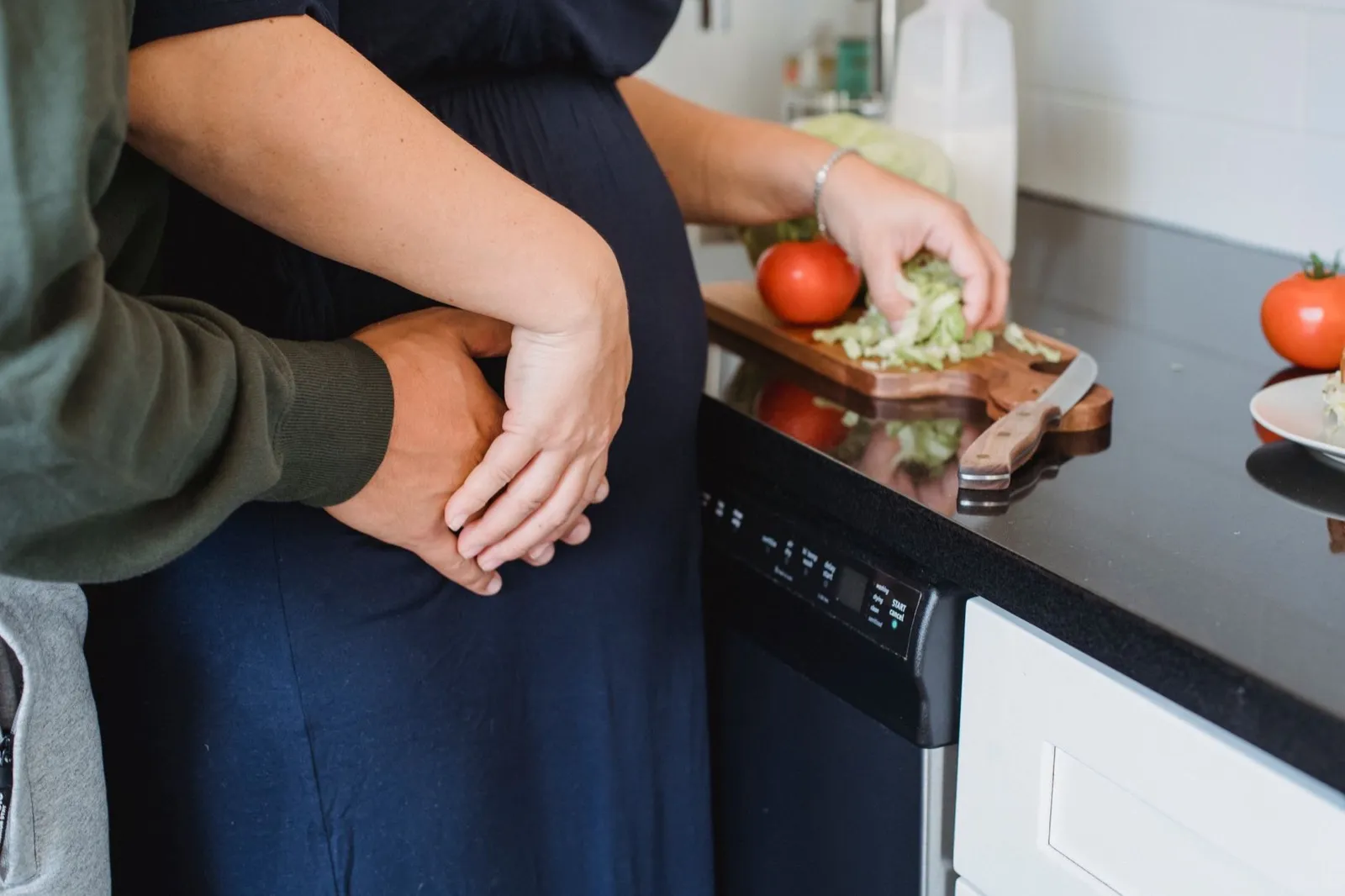
Image Credit: Pexels / Amina Filkins
Yes, you can eat pork while pregnant, as long as it is thoroughly cooked. The NHS lists thoroughly cooked pork among the meats that are safe to eat during pregnancy and advises that there should be no trace of pink or blood after cooking.
Raw or undercooked pork should be avoided. The same care is needed with some pork products, including sausages and cold cured meats, because their preparation can affect whether they are suitable during pregnancy.
If you are unsure how pork has been cooked, particularly in a restaurant or takeaway, it is reasonable to check before eating it.
How should pork be cooked during pregnancy?
Pork should be thoroughly cooked before you eat it during pregnancy.
Current NHS pregnancy guidance says thoroughly cooked pork is safe to eat and that there should be no trace of pink or blood after cooking. The NHS also advises cooking pork and pork products thoroughly as part of reducing the risk of infections during pregnancy.
This applies to pork chops, pork joints and other fresh pork dishes.
If you are preparing pork at home, follow the cooking instructions on the packaging. The NHS advises cooking pork all the way through and making sure it is steaming hot throughout.
Good kitchen hygiene matters as well. Wash your hands, knives, chopping boards and other surfaces after preparing raw meat, and keep raw foods separate from foods that are ready to eat.
Why should you avoid raw or undercooked pork?
Raw and undercooked meat can carry microorganisms and parasites that may cause illness.
One concern during pregnancy is toxoplasmosis. The NHS explains that the parasite that causes toxoplasmosis can be found in undercooked meat and specifically advises thoroughly cooking meat, particularly pork, lamb and venison.
Toxoplasmosis often causes no obvious symptoms in otherwise healthy people, but an infection acquired during pregnancy can sometimes affect the pregnancy or baby. This is why food safety guidance focuses on prevention rather than trying to tell whether a particular piece of meat is contaminated.
NHS pregnancy guidance also notes that research is ongoing into pigs as a possible source of hepatitis E infection and advises pregnant people to cook pork and pork products thoroughly.
Can you eat pork sausages while pregnant?
Yes, pork sausages can be eaten during pregnancy if they are thoroughly cooked.
The NHS lists thoroughly cooked sausages among the meats that are safe during pregnancy and advises that there should be no pink or blood after cooking.
Sausages are made from minced meat, so they need to be cooked all the way through rather than served undercooked.
If you are eating sausages away from home and they appear undercooked, ask for them to be cooked thoroughly before eating them.
What about ham, bacon and other pork products?
Different pork products have different preparation methods, so it helps to distinguish between them.
The NHS says processed, cold pre-cooked meats such as ham can be eaten during pregnancy, but they should be kept chilled and eaten before their use-by date.
Cold cured meats such as salami, pepperoni, chorizo and prosciutto need more care. Current NHS guidance says these should be cooked until steaming hot before eating during pregnancy. Cold cured meats may carry a risk of toxoplasmosis, and ready-to-eat cured meats may also contain listeria bacteria.
For bacon and other pork products that are sold raw, cook them thoroughly and follow the storage and cooking instructions on the packaging.
Can you eat roast pork while pregnant?
Roast pork can be eaten during pregnancy if it has been thoroughly cooked.
Unlike whole cuts of beef and lamb, which the NHS says can sometimes be pink inside if properly cooked on the outside, pork should be cooked all the way through.
This distinction is useful when eating at restaurants, where different meats may be offered at different levels of doneness. If you order pork, it should not be served rare or undercooked.
For rolled joints of meat, NHS pregnancy guidance specifically says they must be thoroughly cooked all the way through.
Is pork nutritious during pregnancy?
Pork can be one of many protein sources in a balanced pregnancy diet. The NHS includes meat among the protein foods that can form part of healthy eating during pregnancy.
You do not need to eat pork specifically, and there is no single food that everyone needs to include. Protein can also come from foods such as fish, eggs, beans, pulses, nuts and other meats.
One pork-related food that should not be treated like ordinary pork is liver. The NHS advises avoiding liver and liver products during pregnancy because they contain high levels of vitamin A, which can be harmful to an unborn baby.
If you have individual nutritional needs, dietary restrictions or a health condition affecting what you eat, your midwife, GP or dietitian can give advice suited to you.
What if you accidentally ate undercooked pork while pregnant?
Finding out afterwards that pork was undercooked can understandably leave you wondering what to do next.
The NHS says that if you have already eaten a small amount of a food that should be avoided during pregnancy, it is unlikely to affect your baby if you did not become ill. It advises talking to your midwife or GP if you are worried or develop symptoms.
Do not rely on the appearance of the remaining food to work out whether you have been exposed to an infection. If you feel unwell or have concerns about what you ate, seek professional advice.
When to get professional advice
Talk to your midwife or GP if you have eaten raw or undercooked pork during pregnancy and are worried, especially if you develop symptoms.
The NHS advises getting help from NHS 111 if you are pregnant and feel unwell after eating food or drink that should be avoided. You should also contact NHS 111 if you have symptoms of food poisoning, including vomiting and diarrhoea, for more than 48 hours, or if you have symptoms that could be linked to toxoplasmosis.
Toxoplasmosis can sometimes cause flu-like symptoms, such as a high temperature, aching muscles, tiredness, feeling sick or swollen glands. These symptoms can have many causes, so they should not be used to diagnose an infection yourself.
For a life-threatening emergency, call 999.
Related reading
- Can you drink alcohol based syrups while pregnant?
- Can you drink alcohol while pregnant?
- Can you drink chamomile while pregnant?