Can you eat prawns while pregnant?
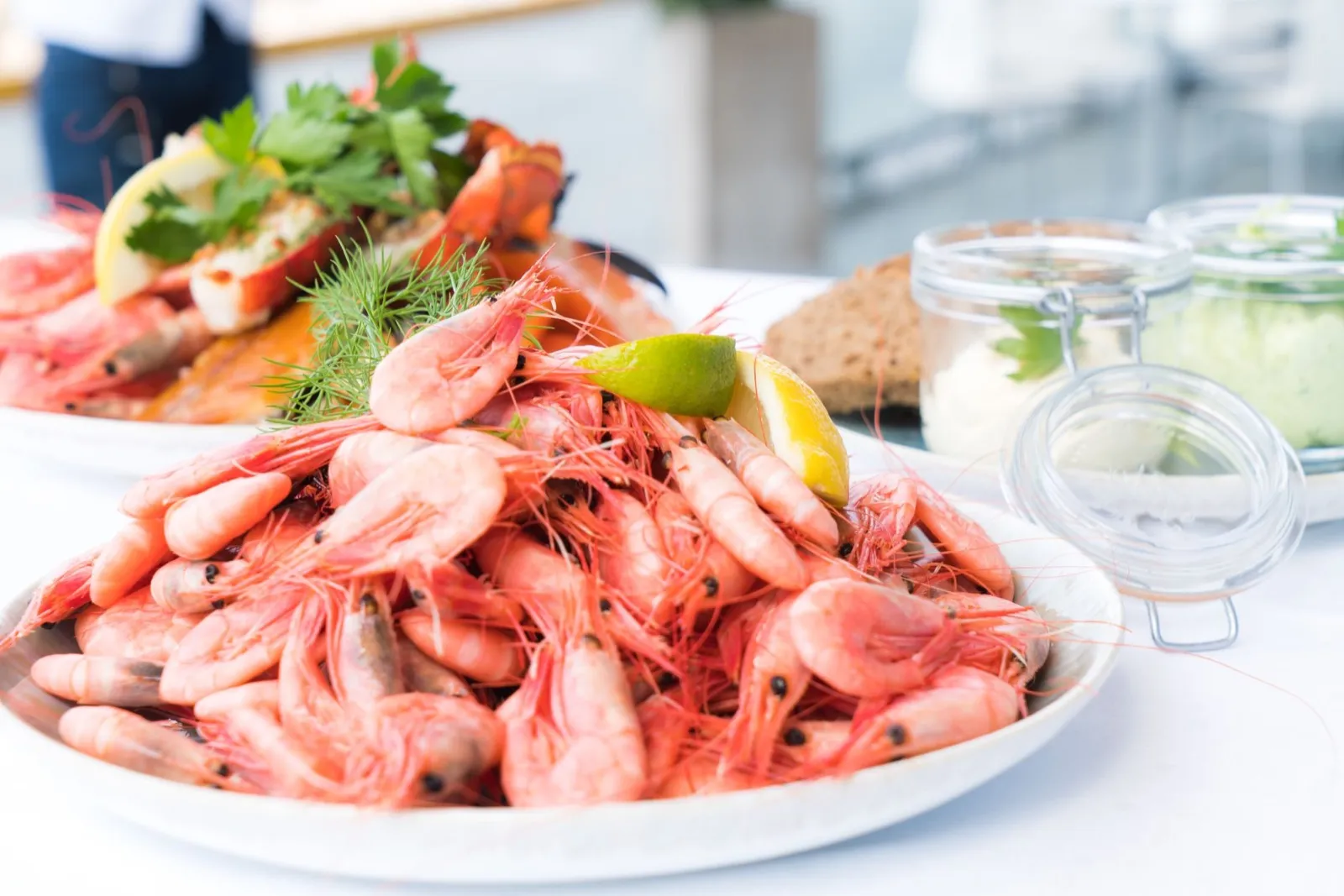
Image Credit: Pexels / Terje Sollie
Yes, you can eat prawns while pregnant, provided they are thoroughly cooked. Current NHS guidance lists cooked shellfish, including prawns, as safe to eat during pregnancy. Raw shellfish should be avoided because it can contain bacteria, viruses or toxins that may cause food poisoning.
There is one extra detail worth knowing about chilled prawns. The NHS currently advises that cold, pre-cooked ready-to-eat prawns should be cooked until steaming hot during pregnancy.
So the simplest rule is: cooked prawns are fine, raw prawns are not recommended, and chilled ready-to-eat prawns should be reheated until steaming hot.
Why do prawns need to be cooked during pregnancy?
Prawns are shellfish, and raw or insufficiently cooked shellfish can carry harmful microorganisms that may cause food poisoning.
The NHS advises pregnant people to avoid raw shellfish and to make sure shellfish is thoroughly cooked. Its wider fish and shellfish guidance notes that raw or lightly cooked shellfish can contain harmful bacteria and viruses.
Cooking helps reduce this risk.
The Food Standards Agency says prawns should become firm and opaque when thoroughly cooked. If you are cooking packaged prawns at home, follow the manufacturer’s preparation and cooking instructions as well.
Can you eat cooked prawns while pregnant?
Yes. Cooked prawns are included on the NHS list of seafood that can be eaten during pregnancy.
This includes prawns cooked as part of dishes such as curries, pasta, stir-fries or other hot meals, provided they have been thoroughly cooked.
If you are preparing raw prawns yourself, keep them separate from foods that will be eaten without further cooking. The NHS advises using separate plates and utensils for raw seafood and ready-to-eat foods, and washing your hands thoroughly before and after handling fish or shellfish.
If you are eating in a restaurant and are unsure whether the prawns have been fully cooked, ask before eating them.
Can you eat cold pre-cooked prawns while pregnant?
Current NHS pregnancy guidance says cold, pre-cooked ready-to-eat prawns should be cooked until steaming hot.
This is particularly relevant to the chilled cooked prawns sold for salads, sandwiches, prawn cocktails and similar ready-to-eat dishes.
Although these prawns have already been cooked during production, the current NHS advice treats them as a food to be careful with during pregnancy because some chilled ready-to-eat foods can contain listeria bacteria.
If you buy pre-cooked chilled prawns, follow the package instructions and cook them until steaming hot before eating them during pregnancy.
Can you eat prawn cocktail while pregnant?
A traditional prawn cocktail is usually served cold and often uses chilled, pre-cooked ready-to-eat prawns.
Because current NHS pregnancy guidance says these prawns should be cooked until steaming hot, a standard cold prawn cocktail made directly from a packet of chilled ready-to-eat prawns does not fit that advice.
If you want a similar meal, you could use prawns that have been thoroughly heated and then follow current food-safety guidance for preparation and storage.
Also check the other ingredients in the dish. For example, mayonnaise made with British Lion hen eggs or eggs produced under the Laid in Britain scheme can be eaten raw or partially cooked according to the NHS. Other hen eggs should be well cooked.
Can you eat prawns in sushi while pregnant?
Cooked prawns can be eaten during pregnancy, and the NHS lists sushi made with cooked fish or cooked shellfish as safe.
Raw shellfish should be avoided.
That means a sushi roll containing thoroughly cooked prawns may be suitable, while sushi containing raw prawns or other raw shellfish should not be eaten during pregnancy under current NHS guidance.
If the menu does not clearly state whether the prawns are cooked, ask the restaurant before ordering.
What about frozen prawns?
Frozen prawns can be either raw or pre-cooked, so check the packaging rather than relying on their appearance.
Raw frozen prawns need to be thoroughly cooked before eating. If the product is pre-cooked, follow the manufacturer’s instructions and current NHS pregnancy guidance about cold ready-to-eat prawns.
Do not assume that freezing makes raw shellfish suitable to eat without cooking. NHS guidance advises avoiding raw shellfish during pregnancy.
When thawing frozen seafood, follow the storage and preparation instructions on the packet. The NHS recommends thawing frozen fish or shellfish in the fridge overnight.
How can you tell when prawns are cooked?
The Food Standards Agency says that prawn flesh should become firm and opaque when cooked thoroughly.
Raw prawns often have a translucent appearance, while properly cooked prawns become opaque.
Colour alone is not always the best way to judge a particular product, especially because different varieties and pre-cooked products can look different. Following the cooking instructions on the packaging is useful.
If you are uncertain whether prawns in a restaurant dish have been fully cooked, ask the staff rather than guessing.
Is there a pregnancy limit on prawns?
The NHS does not set a specific maximum weekly amount for prawns or most other shellfish.
This is different from certain fish that have specific pregnancy limits. For example, oily fish should be limited to no more than 2 portions a week, and tuna has its own weekly limits because it contains more mercury than many other fish.
Prawns are shellfish rather than oily fish, so they do not count towards the oily-fish limit.
The NHS recommends trying to eat 2 portions of fish a week as part of a healthy pregnancy diet, with 1 portion being oily fish.
You do not need to eat prawns or seafood during pregnancy if they are not part of your usual diet.
Are prawns nutritious during pregnancy?
The NHS describes shellfish, including prawns, as a source of nutrients such as selenium, zinc, iodine and copper.
Fish and shellfish can form part of a varied diet during pregnancy, but no single food is essential.
If you do not eat seafood, follow a vegetarian or vegan diet, have allergies, or have been advised to follow a particular diet during pregnancy, your midwife, GP or dietitian can help with individual nutritional questions.
Avoid adding supplements simply because you do not eat prawns without first checking whether they are appropriate during pregnancy.
What if you accidentally ate raw or cold ready-to-eat prawns?
Realising after a meal that something was on a pregnancy caution list can be worrying.
Eating raw or cold ready-to-eat prawns does not by itself tell you that you have food poisoning or another infection. A general article also cannot assess what a particular exposure means for you.
If you are concerned about something you have eaten, contact your midwife, GP, maternity unit or NHS 111 for advice based on your circumstances.
If the prawns were part of a product that has been recalled for safety reasons, follow the recall instructions from the Food Standards Agency or retailer.
When to get professional advice
Contact your midwife, GP, maternity unit or NHS 111 if you become unwell after eating prawns or other shellfish, particularly if you are concerned about food poisoning.
Food poisoning can cause symptoms such as feeling sick, vomiting, diarrhoea, stomach pain and a high temperature. These symptoms can have different causes, so do not try to diagnose yourself from symptoms alone.
Seek urgent medical attention if you become seriously unwell. Call 999 for a life-threatening emergency.
If you have a known shellfish allergy, follow the medical advice you have been given. Cooking prawns does not make them safe for someone with a shellfish allergy.
For questions about a specific product, especially chilled ready-to-eat seafood, check the current NHS guidance and the manufacturer’s instructions or ask your midwife or another qualified health professional.
Related reading
- Can you drink alcohol based syrups while pregnant?
- Can you drink alcohol while pregnant?
- Can you drink chamomile while pregnant?