Can you eat shrimps while pregnant?
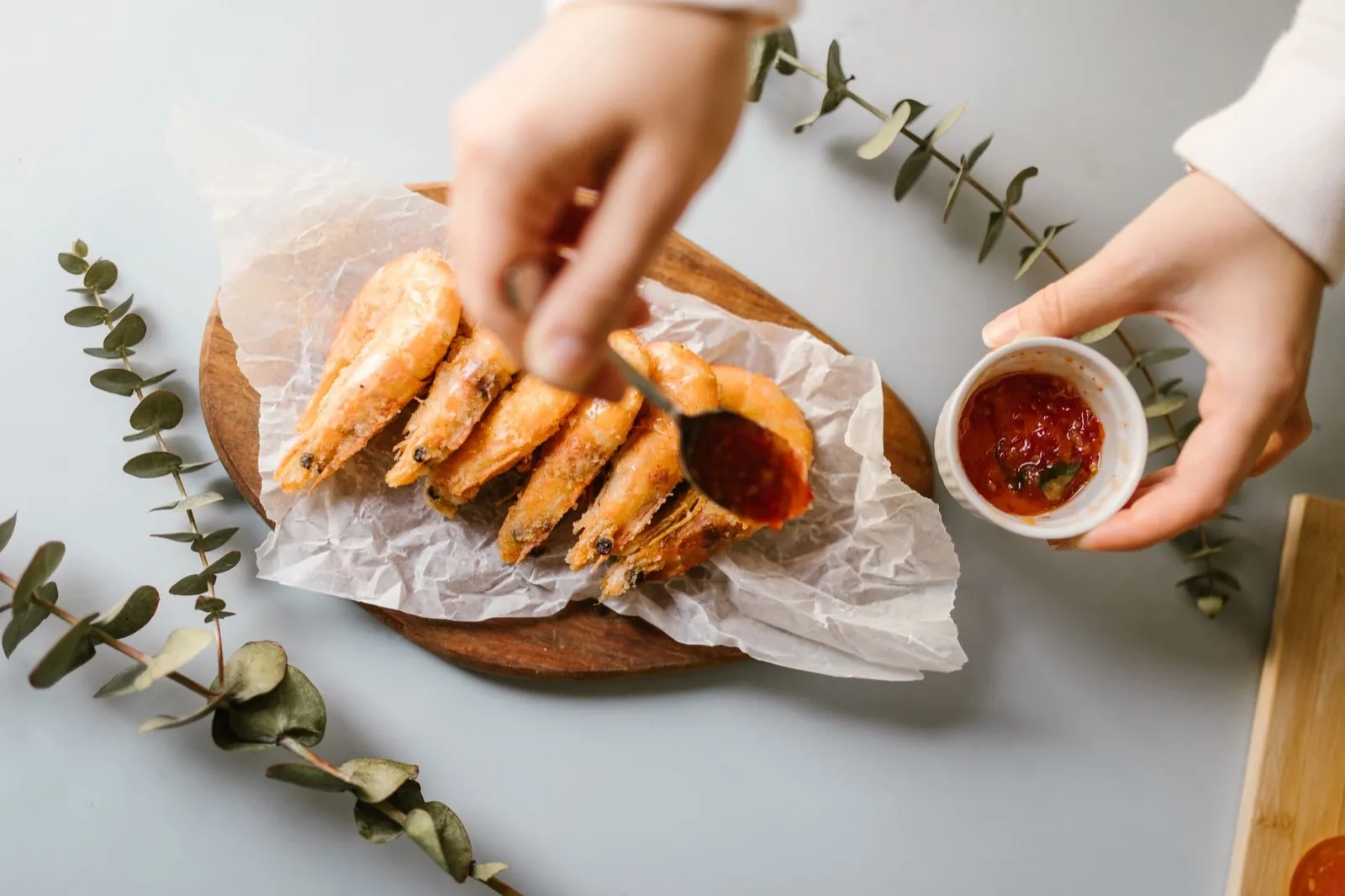
Image Credit: Pexels / RDNE Stock project
Yes, you can eat shrimps while pregnant, provided they are thoroughly cooked. In UK guidance, shrimp and prawns fall under shellfish, and the NHS lists cooked shellfish as safe to eat during pregnancy. Raw shellfish should be avoided because it can contain bacteria or toxins that may cause food poisoning.
There is one extra point to know about ready-to-eat shrimp or prawns. Current NHS guidance says cold, pre-cooked ready-to-eat prawns should be cooked until steaming hot during pregnancy.
So if shrimp is on the menu, the preparation matters more than the fact that it is shrimp.
Which shrimp can you eat during pregnancy?
Thoroughly cooked shrimp can be eaten during pregnancy. This includes shrimp that has been properly cooked as part of a hot meal, such as a curry, pasta dish, stir-fry or other cooked recipe.
The NHS lists cooked shellfish, including prawns, crab, lobster, squid, mussels, scallops, clams and cockles, among foods that are safe to eat during pregnancy.
Raw shellfish is different. NHS pregnancy guidance advises avoiding raw fish and raw shellfish. This means raw shrimp should not be eaten during pregnancy.
If you are ordering shrimp in a restaurant and are unsure whether it has been thoroughly cooked, asking how it is prepared is a simple way to check.
What about cold cooked shrimp?
This is an area where checking current guidance matters.
The NHS advises that cold, pre-cooked ready-to-eat prawns should be cooked until steaming hot before eating during pregnancy. Although the wording commonly used in the UK is “prawns”, the same precaution is relevant when a product is labelled shrimp but is essentially the same type of ready-to-eat shellfish.
This can include chilled cooked shrimp sold ready to eat or used in cold dishes.
Pre-packaged sandwiches and salads containing fish or shellfish also need to be kept chilled and eaten before their use-by date, according to the NHS.
If you are unsure whether a restaurant dish contains freshly cooked shrimp or cold ready-to-eat shrimp, you can ask before ordering.
Why should raw shrimp be avoided?
Raw shellfish can contain harmful bacteria or toxins that can make you seriously unwell or cause food poisoning. The NHS therefore advises pregnant people to avoid raw shellfish and make sure shellfish is thoroughly cooked.
Food hygiene matters too. Raw seafood should be kept separate from cooked or ready-to-eat foods to reduce the risk of cross-contamination.
At home, wash your hands after handling raw shellfish and use clean utensils and preparation surfaces. Follow the storage instructions on packaged seafood and keep chilled products refrigerated as directed.
Is shrimp a good food during pregnancy?
Shellfish can provide useful nutrients as part of a varied diet. The NHS describes shellfish as a source of nutrients including selenium, zinc, iodine and copper.
There is no need to eat shrimp specifically during pregnancy, though. Protein and other nutrients can come from many foods, so you can choose what suits your diet, preferences and circumstances.
The NHS recommends a balanced diet during pregnancy that includes sources of protein such as fish, poultry, eggs, beans, pulses and nuts.
If you have been given individual dietary advice because of a health condition, allergy or another pregnancy-related consideration, follow the guidance from your healthcare professional.
Can you eat shrimp sushi while pregnant?
It depends on how the shrimp has been prepared.
The NHS lists sushi made with cooked fish or cooked shellfish as safe to eat during pregnancy. Sushi made with raw fish or raw shellfish should be avoided.
That means a sushi roll containing thoroughly cooked shrimp may be suitable, provided the other ingredients are also appropriate during pregnancy.
If you cannot tell from the menu whether the shrimp is raw or cooked, ask the restaurant. Sushi dishes can vary considerably, so the name of the roll alone may not tell you how the seafood has been prepared.
What if you accidentally ate raw shrimp while pregnant?
It can be unsettling to realise that something you ate appears on a pregnancy food avoidance list.
The NHS says that if you have already eaten a small amount of a food or drink that should be avoided during pregnancy, it is unlikely to affect your baby if you did not become ill. It advises speaking to your midwife or GP if you are worried or develop symptoms.
Do not try to determine from the appearance or taste of the shrimp whether it was contaminated. If you feel unwell, seek professional advice.
When to get professional advice
Speak to your midwife or GP if you have eaten raw or undercooked shrimp during pregnancy and are worried, particularly if you develop symptoms.
The NHS advises contacting NHS 111 if you are pregnant and feel unwell after eating food or drink that should be avoided during pregnancy. It also advises getting help from NHS 111 if you have symptoms of food poisoning, including vomiting and diarrhoea, for more than 48 hours.
If you have a shellfish allergy, avoid shrimp according to the medical advice you have been given. Cooking shellfish does not make it safe for someone who is allergic to it.
For a life-threatening emergency, such as severe difficulty breathing or loss of consciousness, call 999.
Related reading
- Can you drink alcohol based syrups while pregnant?
- Can you drink alcohol while pregnant?
- Can you drink chamomile while pregnant?