Can you eat strawberries while pregnant?
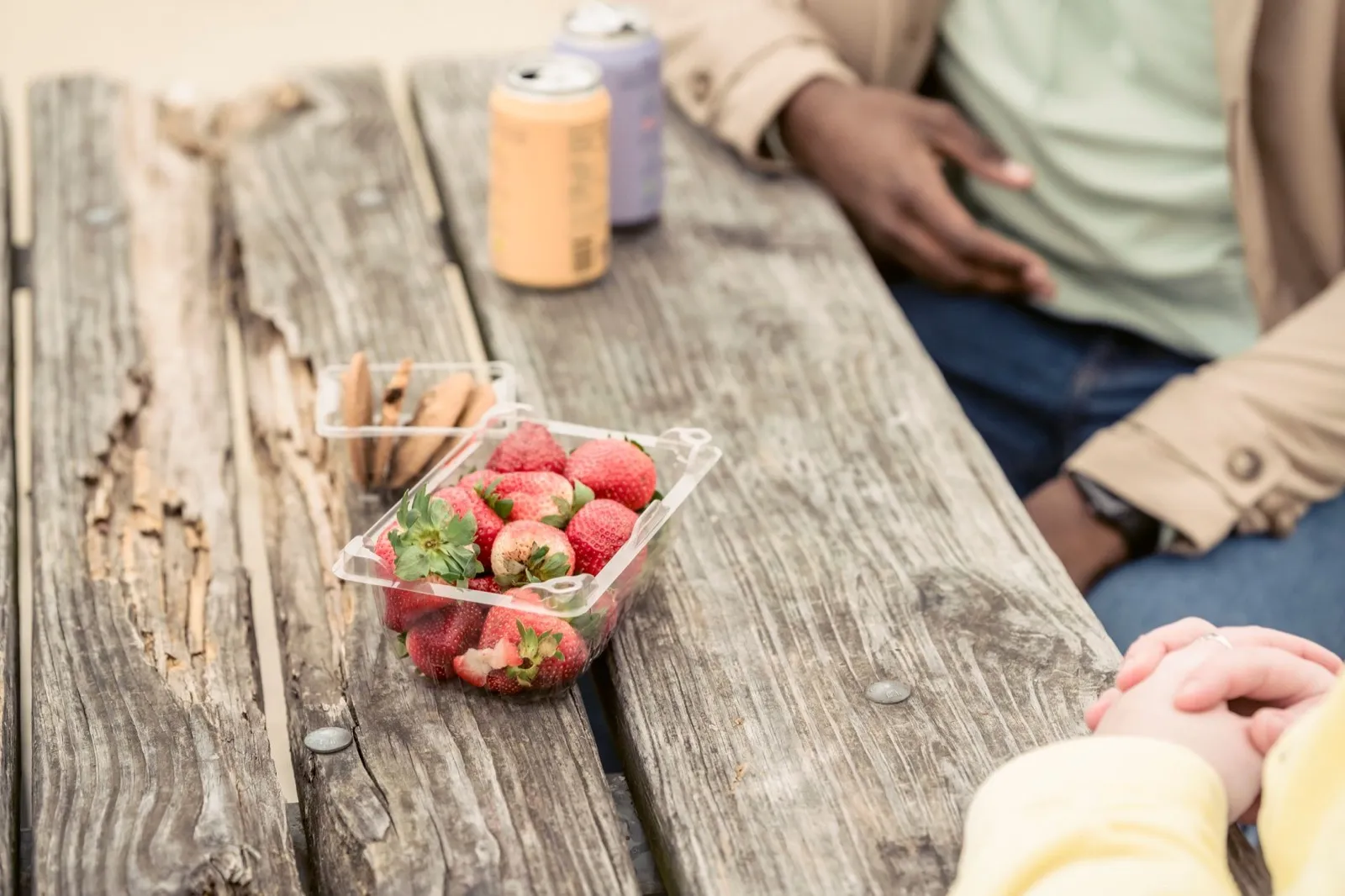
Image Credit: Pexels / John Diez
Yes, you can eat strawberries while pregnant. The NHS says that most fruits and vegetables are safe during pregnancy, including fresh fruit, as long as they are washed thoroughly before eating.
Strawberries can be eaten on their own or added to familiar foods such as yoghurt, porridge and cereal. There is no pregnancy-specific reason to avoid them unless you have an allergy, have been given individual dietary advice by a healthcare professional, or the fruit is no longer safe to eat.
The main pregnancy precaution is simple: wash fresh strawberries carefully before you eat them.
Are strawberries safe during pregnancy?
Strawberries are not included on the NHS list of foods to avoid during pregnancy.
In fact, fruit and vegetables are encouraged as part of a varied pregnancy diet. NHS guidance recommends aiming for at least five portions of fruit and vegetables each day, with fresh, frozen, canned and dried options all able to contribute.
Fruit provides vitamins, minerals and fibre, but you do not need to choose strawberries specifically to have a healthy pregnancy diet. If you enjoy them, they are one of many fruits you can include.
Pregnancy can also change your appetite and food preferences. If strawberries suddenly sound wonderful, they can be a simple snack. If you cannot stand the thought of them, there are plenty of other fruits and vegetables to choose from.
Why do strawberries need to be washed carefully?
The important food safety rule for strawberries during pregnancy is the same one that applies to other fresh fruit and vegetables.
The NHS advises washing fresh fruit, vegetables and salads carefully before eating them. This helps remove soil, which can contain bacteria or parasites that may make you unwell.
Toxoplasmosis is one of the reasons for taking extra care with soil during pregnancy. The NHS recommends washing fruit and vegetables thoroughly to remove traces of soil as part of pregnancy food safety.
Wash strawberries before eating them, including fruit that looks clean.
You do not need to avoid fresh strawberries because of this advice. Washing fresh produce carefully is the precaution recommended by the NHS.
What about pre-cut strawberries and fruit pots?
Pre-cut and pre-packaged fruit can also be eaten during pregnancy, but it needs a little more attention to storage.
Current NHS pregnancy guidance advises keeping pre-packaged and pre-cut fruit chilled and eating it before its use-by date.
This applies to fruit pots and mixed prepared fruit as well as strawberries that have already been sliced or prepared.
If you are buying ready-to-eat fruit while out, check the use-by date and follow the storage instructions on the packaging.
Fresh, frozen or canned strawberries
Fresh strawberries are not your only option.
The NHS includes fresh, frozen and canned fruit as possible ways to include fruit and vegetables in a balanced pregnancy diet.
Frozen strawberries can be convenient for porridge, yoghurt, desserts or other meals. Follow the preparation and storage instructions on the packaging.
Canned fruit can also contribute to your fruit intake. For everyday healthy eating, NHS guidance suggests choosing fruit canned in natural juice rather than syrup where possible.
There is no need to treat one form of strawberry as the only healthy choice. What works best may depend on your appetite, budget, access to fresh produce and what you actually enjoy eating.
How many strawberries can you eat during pregnancy?
There is no NHS pregnancy-specific limit for strawberries.
Instead, strawberries can form part of the wider recommendation to eat at least five portions of a variety of fruit and vegetables each day.
Variety matters because different foods provide different nutrients. You do not need to rely on one particular fruit or worry about creating a perfect combination every day.
If you have been given personalised dietary advice because of a medical condition or another aspect of your pregnancy, follow the guidance from your own healthcare team.
Are strawberries good for pregnancy?
Strawberries can be part of a healthy, varied pregnancy diet, but it is better to think of them as one useful food rather than something with special pregnancy powers.
Fruit and vegetables provide vitamins, minerals and fibre. The NHS recommends eating plenty of them during pregnancy as part of an overall balanced diet.
No individual food can guarantee a particular pregnancy outcome, and there is no need to eat strawberries if you do not enjoy them.
A bowl of strawberries can simply be a pleasant way to include some fruit in your day.
Easy ways to eat strawberries during pregnancy
Strawberries do not need special preparation beyond normal food safety precautions.
You might enjoy washed strawberries:
- on their own as a snack
- with pasteurised yoghurt
- sliced over porridge or breakfast cereal
- blended into a smoothie
- alongside other washed fresh fruit
- with a meal or dessert
If you make a smoothie, remember that NHS healthy eating guidance recommends limiting fruit juice and smoothies to a combined total of 150 ml per day because blending releases the sugars in fruit.
Whole strawberries do not fall under that 150 ml juice and smoothie limit.
What if you ate strawberries without washing them?
It is easy to realise after eating something that you forgot a pregnancy food safety recommendation.
Eating unwashed fruit does not mean that you will become unwell. However, because the NHS advises washing fruit thoroughly during pregnancy, it is sensible to follow that precaution in future.
If you are worried or develop symptoms after eating something you are concerned about, contact your midwife or GP rather than trying to work out the risk yourself.
The NHS also advises getting help from NHS 111 if you are pregnant and feel unwell after eating food that should be avoided, have vomiting and diarrhoea lasting more than 48 hours, or develop symptoms associated with infections such as listeriosis or toxoplasmosis.
When to get professional advice
You do not normally need to contact your midwife simply because you have eaten properly washed strawberries during pregnancy.
Speak to your midwife, GP or another appropriate healthcare professional if you have an allergy, a medical condition affecting your diet, or have been advised to follow specific dietary guidance during pregnancy.
If you are concerned about something you have eaten or develop symptoms afterwards, contact your midwife or GP for individual advice.
NHS pregnancy guidance advises getting help from NHS 111 if you feel unwell after eating or drinking something that should be avoided during pregnancy, have symptoms of food poisoning such as vomiting and diarrhoea for more than 48 hours, or have symptoms of listeriosis or toxoplasmosis.
If you are vomiting repeatedly and cannot keep food or drink down, contact your midwife, GP or maternity service. The NHS advises seeking medical help because frequent vomiting can lead to dehydration.
For a life-threatening emergency, call 999.
Related reading
- Can you drink alcohol based syrups while pregnant?
- Can you drink alcohol while pregnant?
- Can you drink chamomile while pregnant?