Can you eat tuna while pregnant?
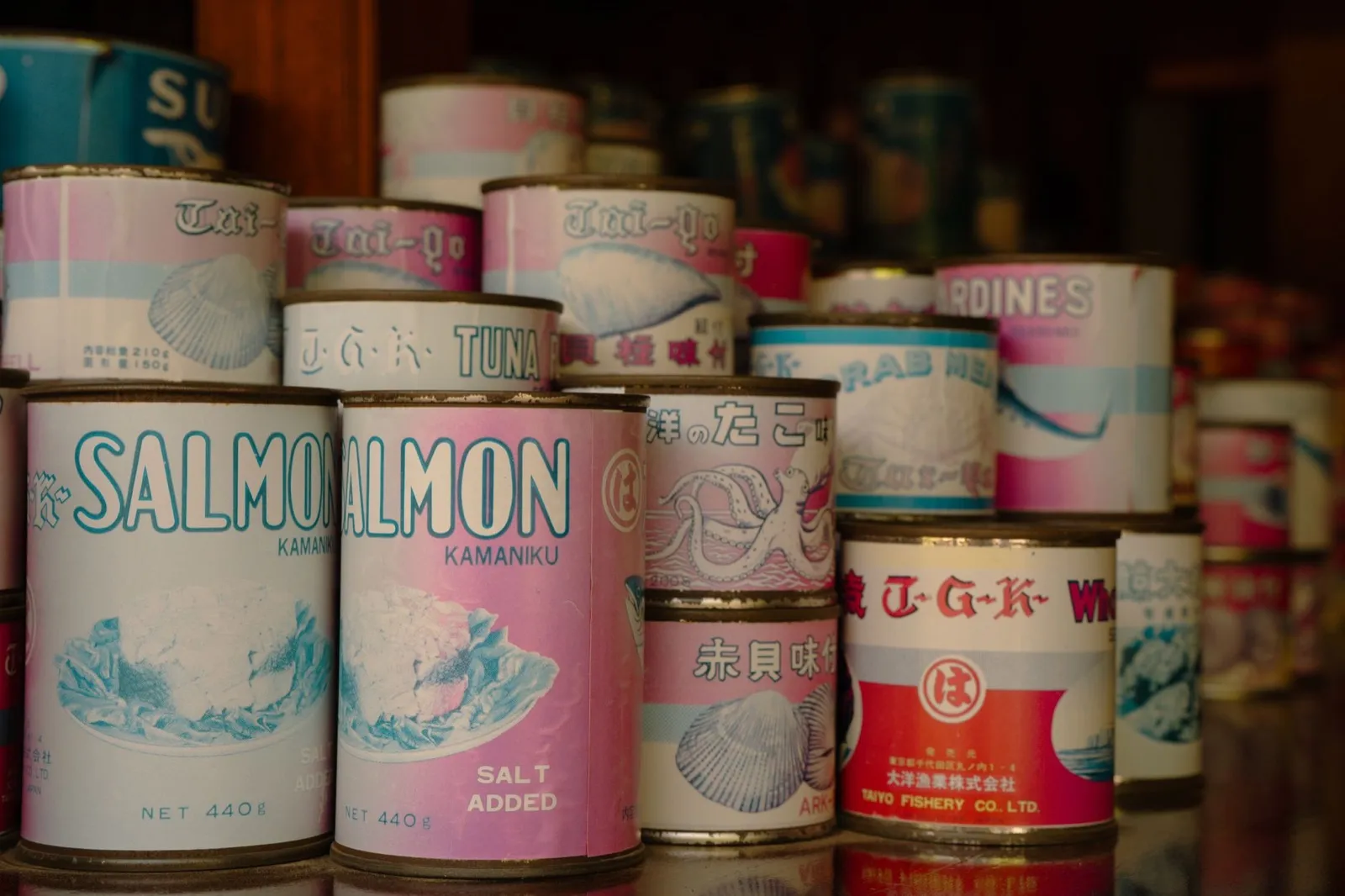
Image Credit: Pexels / Iban Lopez Luna
Yes, you can eat tuna while pregnant, but the amount matters. Current NHS guidance says that if you are pregnant or trying for a baby, you should have no more than 4 cans of tuna a week or no more than 2 tuna steaks a week.
The limit is there because tuna contains more mercury than many other types of fish. Too much mercury can be harmful to a developing baby’s nervous system.
You do not need to avoid tuna completely. The practical point is to keep track of how much you eat across the week and stay within the NHS limit.
How much tuna can you eat during pregnancy?
The NHS recommends having no more than:
- 4 cans of tuna a week, or
- 2 tuna steaks a week
The NHS fish guidance bases this on a medium-sized can with a drained weight of around 140g and a cooked tuna steak of around 140g.
This is a weekly maximum rather than a target. You do not need to eat tuna regularly during pregnancy.
If you eat different forms of tuna in the same week, it can be harder to apply the simple can-or-steak limit. If you are unsure how your portions compare, ask your midwife or another qualified health professional for advice rather than trying to calculate a personalised allowance yourself.
Why is tuna limited during pregnancy?
Tuna can contain mercury.
Mercury occurs in the environment and can build up in fish. Some fish contain more of it than others.
The NHS explains that tuna contains higher levels of mercury than other fish and that too much can affect a developing baby’s nervous system. This is why there is a specific weekly limit during pregnancy and while trying to conceive.
Other fish have different guidance. Shark, swordfish and marlin should not be eaten at all during pregnancy or while trying for a baby because they can contain higher levels of mercury.
The advice is about limiting exposure, not treating tuna as a food that must be completely avoided.
Can you eat canned tuna while pregnant?
Yes. Canned tuna can be eaten during pregnancy.
The NHS limit is no more than 4 medium-sized cans a week. Its detailed fish guidance describes a medium can as having a drained weight of around 140g.
Canned tuna can be used in sandwiches, pasta, salads, jacket potatoes and other meals.
For pre-packaged sandwiches and salads containing fish, NHS pregnancy guidance advises keeping them chilled and eating them before their use-by date.
If you prepare tuna dishes at home, follow the storage instructions on the can and refrigerate leftovers appropriately.
Can you eat tuna steak while pregnant?
Yes, but the NHS advises having no more than 2 tuna steaks a week during pregnancy.
Its fish guidance uses a cooked steak of around 140g when explaining this limit.
Tuna steak should be cooked rather than eaten raw during pregnancy. Current NHS pregnancy guidance lists cooked fish as safe and advises avoiding raw fish.
This means a tuna steak served rare or raw in the centre does not fit current NHS pregnancy food guidance.
If you are ordering tuna steak in a restaurant, you can ask for it to be cooked rather than served rare.
Can you eat tuna mayo while pregnant?
Yes, tuna mayonnaise can be eaten during pregnancy, provided the tuna counts towards your weekly tuna limit and the mayonnaise is suitable.
Commercially produced mayonnaise is generally made with pasteurised egg. If mayonnaise contains raw egg, NHS guidance says raw or partially cooked hen eggs are safe when they carry the British Lion mark or are produced under the Laid in Britain scheme.
Hen eggs that are not British Lion eggs or produced under the Laid in Britain scheme should be well cooked.
If you are buying a ready-made tuna mayo sandwich or salad, keep it chilled and eat it before the use-by date.
The tuna itself still counts towards the weekly maximum.
Can you eat tuna sushi while pregnant?
Current NHS pregnancy guidance says to avoid sushi made with raw fish, even if the fish has previously been frozen.
Sushi made with cooked fish or cooked shellfish is listed as safe.
So raw tuna sushi, sashimi and similar dishes should be avoided during pregnancy under current NHS guidance.
A sushi roll made with cooked or canned tuna can be suitable, provided the other ingredients are pregnancy-safe and the tuna remains within your weekly limit.
If you cannot tell whether the tuna is raw or cooked, ask before ordering.
Does tuna count as oily fish?
No. The NHS specifically states that tuna does not count as oily fish.
This means eating tuna does not use up your weekly oily-fish allowance.
The NHS recommends trying to eat 2 portions of fish a week during pregnancy, with 1 portion being oily fish such as salmon, sardines, trout, mackerel or herring. It also advises having no more than 2 portions of oily fish a week because these fish can contain pollutants.
So if you have tuna during the week, you can still have oily fish within the separate NHS limit.
This distinction is useful because fresh tuna was historically treated differently in some dietary advice. Current NHS guidance does not count tuna as oily fish.
Is tuna good for you during pregnancy?
Fish can be part of a varied pregnancy diet.
NHS healthy eating guidance includes fish among protein foods and recommends trying to eat 2 portions of fish a week, including 1 portion of oily fish.
The NHS also notes that fish provides nutrients as part of a balanced diet.
Tuna does not need to be your main source of fish. You can vary the types you eat while following the specific pregnancy limits and avoiding fish that the NHS says not to eat.
There is no need to eat tuna because you are pregnant. If you dislike it, avoid fish for dietary reasons or follow a vegetarian or vegan diet, your midwife or dietitian can advise on suitable sources of nutrients if needed.
What about tuna sandwiches and salads?
Tuna sandwiches and salads can be eaten during pregnancy, but storage matters.
The NHS advises keeping pre-packaged sandwiches and salads containing fish chilled and eating them before their use-by date.
At home, prepare food with clean hands and utensils and follow the storage instructions for the ingredients you use.
If your tuna salad contains raw vegetables, wash them thoroughly before eating. The NHS recommends washing fruit, vegetables and salads carefully to remove soil.
A portion of tuna in a sandwich or salad still contributes to your weekly tuna intake.
What if you ate more tuna than the recommended limit?
If you realise that you have eaten more tuna than the NHS weekly recommendation, avoid trying to assess the effect yourself from a single week or meal.
The limit is intended to reduce mercury exposure over time. Your midwife, GP or another qualified health professional can give advice that takes your individual circumstances into account.
You can tell them what type of tuna you ate, roughly how much and over what period.
Do not make major dietary changes or remove broad food groups because of one accidental excess without discussing any concerns with a healthcare professional.
What other fish should you avoid or limit?
Current NHS pregnancy guidance makes several distinctions between types of fish.
Tuna is limited to no more than 4 cans or 2 steaks a week.
Oily fish such as salmon, trout, mackerel, sardines and herring should be limited to no more than 2 portions a week because they can contain pollutants.
Shark, swordfish and marlin should be avoided during pregnancy.
Raw fish and raw shellfish should also be avoided under current NHS pregnancy food guidance. Cold-smoked and cured fish, such as smoked salmon, should be cooked until steaming hot.
These rules can look complicated on a list, but each one addresses a particular food safety or contaminant concern.
When to get professional advice
Speak to your midwife or GP if you regularly eat more tuna than the NHS pregnancy limit, are unsure how much tuna you have been eating, or have been given individual dietary advice because of a medical condition.
You can also ask your midwife or a dietitian for guidance if fish is a major part of your diet and you want help varying your choices while staying within pregnancy recommendations.
If you become unwell after eating fish and are concerned about food poisoning or another illness, contact your GP, maternity unit or NHS 111 as appropriate.
Seek urgent medical help for severe symptoms or a medical emergency. Call 999 for a life-threatening emergency.
Related reading
- Can you drink alcohol based syrups while pregnant?
- Can you drink alcohol while pregnant?
- Can you drink chamomile while pregnant?