Drinks During Pregnancy
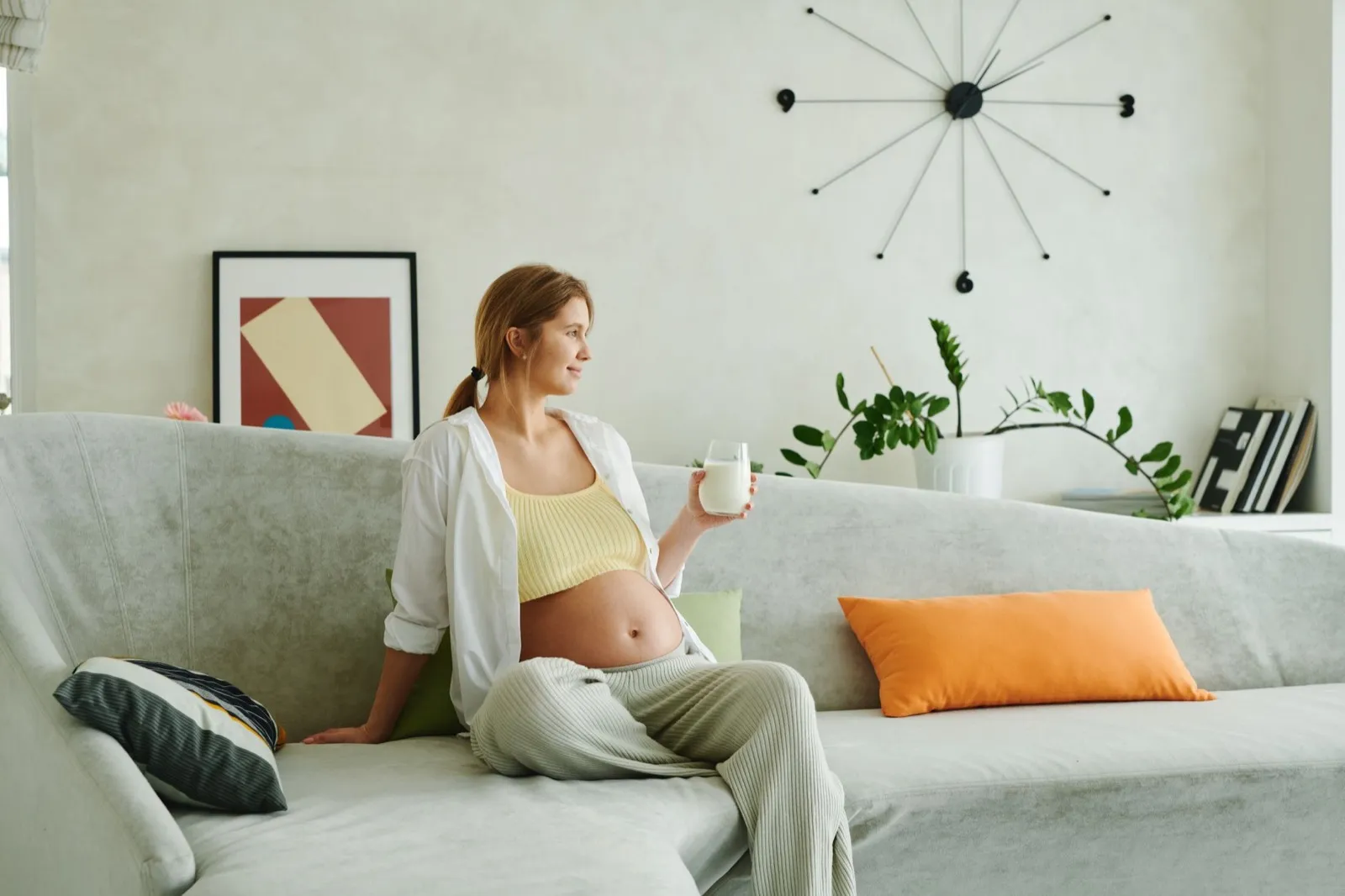
Image Credit: Pexels / Matilda Wormwood
Pregnancy can make even an ordinary cup of tea or a favourite soft drink feel like something you need to double-check. The good news is that many everyday drinks are still suitable during pregnancy. Water is a simple everyday choice, while drinks containing caffeine need to be counted towards the recommended daily limit. Alcohol and herbal teas containing liquorice root should be avoided.
You may also find that what you want to drink changes during pregnancy. Nausea, changes in taste, heartburn or simply going off your usual coffee can all affect what feels appealing. There is no single drink that everyone needs to rely on. The useful part is knowing which choices are suitable and where pregnancy-specific limits apply.
Water and everyday hydration
Water is an easy way to stay hydrated during pregnancy, but it does not have to be the only thing you drink.
Milk and suitable alternatives, decaffeinated tea and coffee, and other non-alcoholic drinks can all contribute to your fluid intake. If plain water is unappealing, changing the temperature or adding fresh fruit for flavour may make it easier to drink.
Your fluid needs can vary depending on factors such as the weather, physical activity and whether you are being sick. NHS guidance on dehydration suggests drinking regularly and using the colour of your urine as a practical guide. Pale urine generally indicates that you are drinking enough, while dark yellow, strong-smelling urine and urinating less often can be signs of dehydration.
If pregnancy sickness is making drinking difficult, small, regular sips may feel more manageable than drinking a large amount at once.
Coffee, tea and caffeine
You can still have caffeine during pregnancy, but the NHS recommends limiting your total intake to no more than 200 mg a day.
Caffeine is found in more than coffee. Tea, including black and green tea, cola, some energy drinks, chocolate, guarana and some health or fitness supplements can all contribute to your daily amount.
The NHS gives these approximate examples:
- a cup of instant coffee contains around 100 mg
- a cup of tea contains around 75 mg
- a can of cola contains around 40 mg
- a 250 ml can of energy drink contains around 80 mg
Filter coffee and coffee bought from coffee shops can contain more caffeine than these examples, so it is worth checking the information provided by the brand or retailer where available.
If you enjoy several cups of tea or coffee, you do not necessarily have to give them up. Switching some to decaffeinated versions can make it easier to stay within the recommended caffeine limit.
Remember that chocolate and other caffeine-containing products count towards the same daily total.
Can you drink herbal tea during pregnancy?
Herbal tea can seem like an obvious caffeine-free alternative, but pregnancy guidance is slightly more cautious.
The NHS advises limiting herbal tea, including varieties such as peppermint and chamomile, to no more than four cups a day. This is because there is limited research into the effects of herbal teas during pregnancy.
Herbal teas containing liquorice root should be avoided.
Different herbal products can contain very different combinations of ingredients. If you are unsure about a particular blend, check the ingredients and ask your midwife, pharmacist or GP for advice rather than assuming that a product is suitable simply because it is described as natural or herbal.
Milk and plant-based drinks
Pasteurised milk is safe to drink during pregnancy and can be part of a balanced diet.
If you prefer a plant-based drink, options such as soya, oat or almond drinks can also fit into your diet. NHS healthy eating guidance recommends choosing unsweetened, calcium-fortified alternatives where possible.
Unpasteurised milk should be avoided during pregnancy because of the risk of harmful bacteria.
Check the label if you are unsure whether a milk or milk-based drink has been pasteurised.
Fruit juice, smoothies and fizzy drinks
Fruit juice and smoothies can be enjoyed during pregnancy, although they can contain a significant amount of free sugars.
For general healthy eating, the NHS recommends limiting the combined amount of fruit juice, vegetable juice and smoothies to 150 ml a day and having them with a meal.
Soft drinks can also be part of your diet, but check whether they contain caffeine. Cola commonly contains caffeine and therefore contributes to the 200 mg daily pregnancy limit.
Energy drinks deserve particular attention because some contain substantial amounts of caffeine. Check the label and include any caffeine they contain in your daily total.
Alcohol during pregnancy
Current NHS guidance recommends not drinking alcohol during pregnancy.
Alcohol passes through the placenta, and drinking during pregnancy can cause long-term harm to a developing baby. There is no proven safe level of alcohol during pregnancy, so not drinking is considered the safest approach.
If you drank alcohol before you realised you were pregnant, you are not alone in having that concern. Speak to your midwife or GP if you are worried about how much you drank or would like individual advice.
If stopping alcohol is difficult, tell your midwife or GP. Support is available, and asking for it is part of healthcare rather than something to feel judged about.
What about alcohol-free drinks?
Alcohol-free and low-alcohol products are widely available, but labels deserve a quick check because products marketed as low alcohol can still contain some alcohol.
If you want to avoid alcohol completely during pregnancy, choose a product labelled 0.0% ABV rather than assuming that every drink described as alcohol-free or low alcohol contains none.
It is also worth checking the rest of the ingredients. Some alcohol-free drinks contain caffeine or herbal ingredients, which may bring separate pregnancy guidance into consideration.
Drinks when you feel sick
Nausea can make drinking surprisingly difficult. Sometimes plain water tastes different, while the smell or temperature of a familiar drink suddenly becomes unpleasant.
The NHS advises drinking plenty of fluids during pregnancy sickness and notes that sipping water little and often may help if drinking larger amounts makes you feel more likely to vomit.
Some people find drinks containing ginger helpful for nausea. The NHS notes that there is some evidence that ginger may help reduce nausea and vomiting, but advises checking with a pharmacist before taking ginger supplements during pregnancy.
You do not need to force yourself to drink something that makes you feel worse. Trying small amounts of fluids you can tolerate may be more manageable.
If you cannot keep fluids down, however, it is important to get professional advice rather than trying to manage persistent vomiting by yourself.
How to make drink choices simpler
You do not need to analyse every drink you pick up. A few checks cover most situations.
For caffeinated drinks, look at how much caffeine you are having across the whole day rather than considering each drink separately.
For herbal teas and wellness drinks, read the ingredients. Avoid liquorice root and remember the NHS recommendation to limit herbal tea.
For milk-based drinks, check that the milk is pasteurised.
For alcohol alternatives, look at the ABV on the label if you want a completely alcohol-free option.
If a drink contains a long list of herbal extracts, supplements or unfamiliar ingredients and you cannot find reliable pregnancy guidance for them, ask a pharmacist, midwife or GP before having it regularly.
When to get professional advice
Speak to your midwife, GP or pharmacist if you are unsure whether a particular drink, herbal ingredient or supplement is suitable during pregnancy. This is particularly useful for products that contain several active or herbal ingredients.
Contact your midwife, GP or NHS 111 if vomiting is making it difficult to stay hydrated. NHS guidance advises seeking help if you are unable to keep food or fluids down for 24 hours, have very dark urine or have not urinated for more than eight hours, feel very weak, dizzy or faint when standing, have abdominal pain, have a high temperature, vomit blood or have lost weight.
Signs of dehydration can include thirst, dark yellow strong-smelling urine, urinating less often, dizziness, tiredness and a dry mouth, lips or tongue.
If you are finding it difficult to stop drinking alcohol during pregnancy, speak to your midwife or GP. They can help you access appropriate support. If you may be physically dependent on alcohol, seek medical advice before suddenly stopping because alcohol withdrawal can require medical care.
For a life-threatening emergency, call 999.
Related reading
- Can you drink alcohol based syrups while pregnant?
- Can you drink alcohol while pregnant?
- Can you drink chamomile while pregnant?