Face Makeup Guide for Beginners: Products, Order and Easy Application Tips
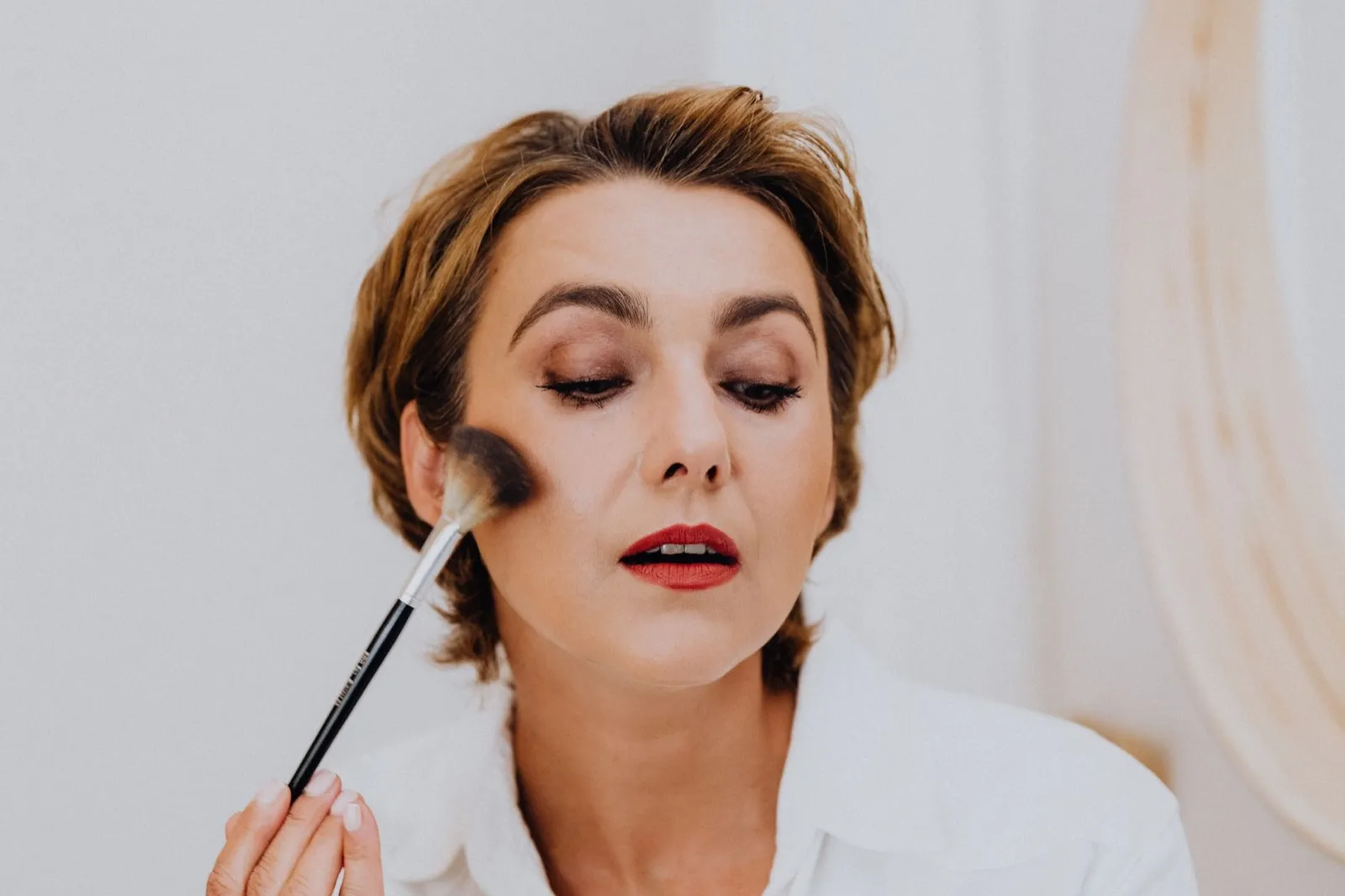
Image Credit: Pexels / https://kaboompics.com/
Face makeup helps create an even-looking complexion, brighten your features, and provide a smooth base for the rest of your makeup. If you’re just getting started, you don’t need dozens of products or professional techniques. A few well-chosen products, applied in the right order, can give you a fresh, natural look.
The best face makeup routine is one that suits your skin type, your lifestyle, and the finish you want to achieve.
What is face makeup?
Face makeup refers to the products applied to the skin to even out the complexion, add colour, create dimension, and help makeup last longer.
A basic face makeup routine may include:
- Primer
- Foundation or skin tint
- Concealer
- Setting powder
- Bronzer
- Blush
- Highlighter
- Setting spray
Not everyone needs every product. Many people achieve an everyday look using only foundation, concealer, blush, and a little powder.
Face makeup products explained
Primer
Primer is applied after skincare and before foundation. It creates a smoother surface and may help makeup stay in place for longer.
Different primers are designed for different concerns, including:
- Hydrating primers for dry skin
- Mattifying primers for oily skin
- Pore-blurring primers
- Illuminating primers for a radiant finish
Foundation
Foundation evens out your skin tone and creates the base of your makeup.
There are several types to choose from:
- Liquid foundation
- Skin tint
- BB cream
- CC cream
- Powder foundation
- Cushion foundation
Choose the coverage and finish that best suits your skin and the look you want.
Concealer
Concealer provides extra coverage where foundation alone isn’t enough.
It can help cover:
- Dark circles
- Blemishes
- Redness
- Pigmentation
For the most natural finish, blend concealer into the skin rather than applying thick layers.
Setting powder
Setting powder reduces shine and helps prevent foundation from moving throughout the day.
People with oily skin often use powder across the forehead, nose, and chin, while those with dry skin may only apply a small amount where needed.
Bronzer
Bronzer adds warmth and dimension to the face.
Apply it lightly to areas where the sun naturally hits:
- Forehead
- Temples
- Cheekbones
- Jawline
A little product usually goes a long way.
Blush
Blush adds healthy-looking colour to your cheeks.
Popular formulas include:
- Cream blush
- Powder blush
- Liquid blush
Choose shades that complement your skin tone and build the colour gradually.
Highlighter
Highlighter reflects light and creates a natural glow.
Apply small amounts to:
- Tops of the cheekbones
- Bridge of the nose
- Brow bone
- Cupid’s bow
A subtle application often looks more natural than a heavy shimmer.
Setting spray
Setting spray is the final step of many makeup routines.
It helps melt powder products together and may improve the longevity of your makeup.
Face makeup order
Applying products in the correct order helps create a smoother finish.
- Cleanse and moisturise your skin.
- Apply primer if you’re using one.
- Apply foundation or skin tint.
- Add concealer where needed.
- Set with powder if required.
- Apply bronzer.
- Add blush.
- Apply highlighter.
- Finish with setting spray.
Following this order makes blending easier and reduces the chance of disturbing products you’ve already applied.
How to choose face makeup for your skin type
Oily skin
Look for:
- Oil-free foundation
- Mattifying primer
- Lightweight powder
- Long-lasting formulas
Dry skin
Choose:
- Hydrating foundation
- Cream blush
- Dewy finishes
- Minimal powder
Combination skin
A satin finish foundation often works well, with powder applied only where shine develops.
Sensitive skin
Products labelled fragrance-free or suitable for sensitive skin may be less likely to cause irritation.
If you’re trying a new product, consider patch testing it first.
Common face makeup mistakes
Most people improve with practice. These are some of the most common mistakes beginners make:
- Choosing the wrong foundation shade
- Applying too much foundation
- Forgetting to blend around the jawline
- Using heavy powder on dry skin
- Applying bronzer too low on the cheeks
- Using too much highlighter
- Skipping skincare before makeup
Building coverage gradually usually gives a more natural-looking result.
How to make face makeup look natural
Natural-looking makeup is usually created by using less product rather than more.
You can achieve a fresh finish by:
- Starting with a lightweight foundation or skin tint
- Applying thin layers
- Blending thoroughly
- Choosing cream products if your skin is dry
- Matching your foundation to your neck as well as your face
- Using blush to bring life back into the complexion
Many people find that good skincare underneath their makeup makes the biggest difference.
Face makeup essentials for beginners
If you’re building your first makeup collection, consider starting with:
- Moisturiser
- Primer, if you want it
- Skin tint or foundation
- Concealer
- Blush
- Light setting powder
- One fluffy brush
- Makeup sponge
You can always add bronzer, highlighter, and setting spray as you become more confident.
Related reading
- Makeup Basics for Beginners: Step by Step Guide
- Eye Makeup for Beginners: A Complete Guide to Beautiful, Easy Looks
- Lip Makeup Guide for Beginners: Lipstick, Gloss and Easy Everyday Looks