Hair Growth Supplements. Which Vitamins and Minerals Actually Matter?
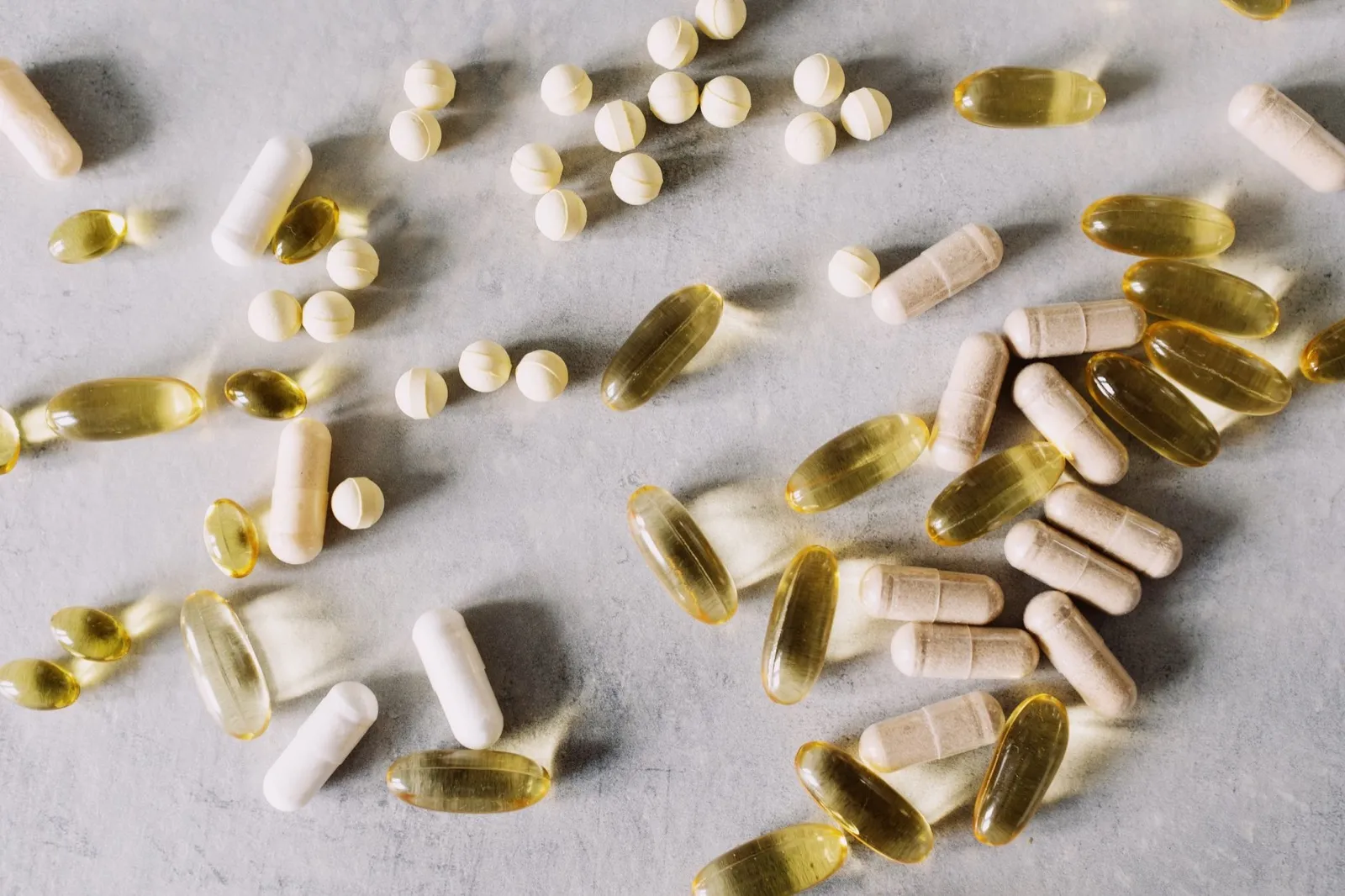
Image Credit: Pexels / ready made
Hair growth supplements can be useful when you are genuinely low in a nutrient your body needs, but taking extra vitamins does not automatically make hair grow faster or thicker. For most people, the useful question is not “Which hair vitamin should I buy?” but “Could I actually be deficient in something?”
Iron, vitamin D and zinc are among the nutrients most often studied in relation to hair loss. Biotin is probably the most famous hair supplement of all, yet evidence that extra biotin improves hair growth in people who are not deficient is surprisingly weak. The safest approach is usually to look for a reason behind new or persistent hair loss before building a shelf full of supplements.
The short answer
Hair follicles need adequate nutrition, so deficiencies can affect hair. That does not mean everyone experiencing hair loss needs a supplement.
The NHS lists iron deficiency and weight loss among possible causes of temporary hair loss. Research has also found associations between some forms of hair loss and lower levels of nutrients including vitamin D, iron and zinc. However, an association does not necessarily mean that taking extra amounts will treat hair loss if your levels are already adequate.
A 2024 systematic review of micronutrients and androgenetic alopecia found that vitamin B, vitamin D, iron and zinc appear to have important roles in hair growth and maintenance, while also noting that evidence is inconsistent.
There is also research suggesting that certain nutritional supplements may benefit some people with hair loss. The difficulty is that studies investigate very different products, often containing several ingredients at once, so the results cannot be reduced to “take a multivitamin and your hair will grow”.
Do hair growth supplements actually work?
Some can, in particular circumstances.
A 2023 systematic review in JAMA Dermatology looked at nutritional interventions for people with hair loss who did not have a known nutritional deficiency. Researchers found potential benefit from several specific supplements and ingredients, but stressed that findings need to be interpreted in the context of individual study designs and that larger randomised trials are needed.
More recent reviews have continued to find encouraging results for some nutraceutical products. At the same time, the evidence remains complicated by small studies, different types of hair loss, different supplement formulations and limited direct comparisons.
This means there is no single “best hair growth supplement” that can be recommended to everyone.
It also matters whether you have a deficiency. Correcting low iron is a very different situation from taking iron when your body already has enough.
Iron is one of the most important nutrients to consider
Of all the nutrients associated with hair loss, iron deserves particular attention because iron deficiency is a recognised potential cause of temporary hair loss.
Your body uses iron to make haemoglobin, a protein in red blood cells that carries oxygen. If your iron stores become low, you can develop iron deficiency, with or without anaemia.
Ferritin is a protein that stores iron and is commonly measured as part of an assessment of iron status. You may therefore encounter discussions about “low ferritin” when researching hair shedding.
Studies have investigated the relationship between ferritin and conditions such as telogen effluvium, a form of diffuse shedding. A 2026 systematic review and meta-analysis found lower serum ferritin levels in people with telogen effluvium than in controls, although research in this area varies and a blood result needs to be interpreted in context.
The important point is not to start iron simply because your hair is shedding. Iron supplements are not harmless when taken unnecessarily, and the cause of hair loss may be completely unrelated.
If low iron is suspected, speak to your GP about whether testing is appropriate.
What about vitamin D and hair loss?
Vitamin D is another nutrient that appears repeatedly in hair-loss research.
A 2024 systematic review and meta-analysis found that people with several forms of alopecia frequently had vitamin D deficiency. In particular, vitamin D deficiency and lower vitamin D levels were significantly associated with alopecia areata and female pattern hair loss compared with controls.
Another meta-analysis of non-scarring alopecia also found lower vitamin D levels and a greater occurrence of deficiency among people with hair loss.
That tells us there is an association. It does not prove that vitamin D supplements will regrow hair in everyone with thinning.
This distinction matters. If a blood test shows that you are deficient, correcting the deficiency may be recommended for your general health as well as potentially removing one factor relevant to your hair. If your vitamin D level is already adequate, taking progressively larger amounts is not a shortcut to faster hair growth.
In the UK, vitamin D supplementation is also recommended for broader public-health reasons at certain times and for certain groups. Follow current NHS guidance rather than choosing a high-dose “hair” supplement based solely on its label.
Does biotin actually help hair grow?
Biotin has an enormous reputation and a surprisingly small evidence base.
Biotin, also called vitamin B7, is needed by the body and true biotin deficiency can cause hair loss. But deficiency is rare in otherwise healthy people eating a varied diet.
The US National Institutes of Health Office of Dietary Supplements notes that although biotin is widely promoted for hair, skin and nail health, these claims are supported at best by only a small number of case reports and small studies.
A 2024 review specifically examining biotin for hair loss reached an even clearer conclusion. Only three studies met the researchers’ criteria. The strongest was a double-blind placebo-controlled study and found no difference in hair growth between biotin and placebo. The authors concluded that high-quality evidence does not support biotin’s widespread use as a hair supplement.
So biotin matters biologically, but “biotin is necessary for healthy hair” and “extra biotin makes hair grow” are not the same statement.
Biotin can also interfere with blood tests
This is an easy detail to miss because biotin is sold over the counter.
High amounts of biotin can interfere with certain laboratory tests and produce misleading results. This can affect some hormone and other blood tests.
If you take a biotin-containing hair supplement and are having blood tests, tell the healthcare professional looking after you. Do not assume that something sold as a beauty supplement is irrelevant to medical testing.
Check the label of combination hair supplements too. Biotin may be included even when it is not the ingredient advertised most prominently on the front.
Does zinc matter for hair growth?
Yes, zinc is an essential mineral involved in many processes in the body, and severe zinc deficiency can affect hair.
Research has also explored zinc levels in different types of hair loss. The 2024 systematic review of micronutrients and androgenetic alopecia identified zinc as one of the micronutrients potentially relevant to hair growth and maintenance, although findings across studies were not completely consistent.
This does not make zinc a universal hair-loss treatment.
Taking excessive zinc can cause adverse effects and can interfere with the body’s handling of other minerals, including copper. If you suspect a deficiency, it is better to discuss the possibility with a healthcare professional than to take high-dose zinc indefinitely.
What about selenium?
Selenium is essential, but it is a good example of why more nutrients do not equal more hair.
The body needs selenium for normal functions, and it is found naturally in foods including fish, meat, eggs and Brazil nuts.
Yet excessive selenium can cause the opposite of what someone buying a hair supplement wants. The NHS warns that too much selenium can cause selenosis, which in its milder form can lead to loss of hair and nails.
That is worth remembering when combining supplements. A multivitamin, a dedicated hair supplement and separate selenium tablets can all contribute to your total intake.
Check labels rather than assuming different supplements contain completely different ingredients.
Can too much vitamin A contribute to hair loss?
Vitamin A is essential for normal health, but excessive intake can be harmful.
Hair loss has been associated with vitamin A excess, particularly from high-dose supplementation or certain medicines derived from vitamin A.
You do not need to avoid normal dietary sources of vitamin A because you are worried about your hair. The practical issue is unnecessary high-dose supplementation and accidentally doubling up across several products.
This is another reason an enormous “hair, skin and nails” supplement stack can be counterproductive.
What about vitamin B12 and folate?
Vitamin B12 and folate are essential nutrients involved in red blood cell formation and other important functions.
They are sometimes included in investigations for diffuse hair shedding, particularly where someone’s diet, symptoms or medical history suggests deficiency could be possible. Research into their specific role in common hair-loss conditions is less clear than the marketing around B-vitamin complexes may imply.
If you are deficient in B12 or folate, that deserves appropriate treatment for health reasons. If you are not deficient, there is not good evidence that taking increasingly high amounts will make hair grow faster.
People following a vegan diet need a reliable source of vitamin B12 because it is not naturally present in plant foods in useful amounts. That is a nutritional requirement rather than a beauty treatment.
Do you need collagen for hair growth?
Collagen supplements are frequently sold alongside hair vitamins, but hair itself is made primarily from keratin rather than collagen.
Your body breaks dietary proteins down into amino acids and uses them according to its needs. Taking collagen does not mean that intact collagen travels directly to your scalp and becomes hair.
There is growing research into commercial nutraceuticals that contain combinations of proteins, marine extracts, botanicals, vitamins and minerals. Some trials have reported improvements in measures of hair growth, but it can be difficult to know which ingredient was responsible when a product contains many components.
If you enjoy a collagen supplement for other reasons, that is a separate choice. It should not be presented as an essential part of a hair-growth routine.
Protein matters, but it does not have to come from a hair supplement
Hair is made largely from the protein keratin, so adequate dietary protein is part of normal hair production.
Very restrictive eating, substantial weight loss or inadequate nutrition can contribute to temporary hair shedding. The NHS specifically lists weight loss as one possible trigger for temporary hair loss.
That does not mean you need protein powder or a specialist hair supplement.
Protein can come from ordinary foods, including beans, lentils, tofu, dairy foods, eggs, fish, meat, nuts and seeds, depending on how you eat.
If you are struggling to eat enough, have experienced significant unintentional weight loss or follow a restrictive diet and are concerned about nutritional adequacy, professional dietary advice can be more useful than guessing which supplement you need.
Are expensive multi-ingredient hair supplements better?
Not necessarily.
A higher price, a longer ingredient list or attractive packaging does not tell you whether a supplement is appropriate for the cause of your hair loss.
Some commercial nutraceuticals have been tested in clinical trials and systematic reviews have found promising results for particular formulations. That evidence belongs to the specific products or combinations that were studied. It cannot automatically be transferred to every supplement containing a similar list of ingredients.
Multi-ingredient products also make it harder to know what you are taking.
Before buying one, check:
- every vitamin and mineral it contains
- the amount of each nutrient
- whether those ingredients overlap with other supplements you take
- whether it contains herbal extracts or other active ingredients
- whether there are warnings for medicines, pregnancy or medical conditions
- whether the evidence advertised relates to the actual finished product
There is no need to buy a supplement simply because it is labelled for hair.
Should you get blood tests before taking hair growth supplements?
If you have unexplained or persistent hair loss, speaking to a GP before self-treating is a sensible place to start.
There is no universal “hair loss blood panel” that everyone needs. Which tests are appropriate depends on your symptoms, medical history, diet and the pattern of hair loss.
A healthcare professional may consider tests where there is reason to suspect issues such as iron deficiency, thyroid disease or particular nutritional deficiencies.
This is more useful than taking several supplements first and hoping one happens to address the cause. Supplements can also alter blood results, so tell your healthcare professional what you are already taking.
Which vitamins and minerals actually matter for hair?
Many nutrients contribute to normal body functions that support hair follicles. The ones most discussed in relation to hair loss include:
- Iron, because iron deficiency is a recognised cause of temporary hair loss.
- Vitamin D, because lower levels and deficiency have been associated with several forms of alopecia, although the benefit of supplementation specifically for hair requires more research.
- Zinc, because deficiency can affect hair and research suggests a possible relationship with some hair-loss conditions.
- Biotin, because genuine deficiency can cause hair loss, although evidence for extra biotin in people without deficiency is poor.
- Selenium, because it is essential in appropriate amounts but excessive intake can itself cause hair loss.
- Vitamin A, because both adequate nutrition and avoiding excessive supplementation matter.
- Vitamin B12 and folate, because deficiencies can affect general health and may be considered where clinically relevant.
The theme running through the list is adequacy, not excess.
Hair follicles do not necessarily perform better because you give them more of a nutrient once their needs are already met.
A sensible approach to hair growth supplements
If you are considering supplements because of hair loss, keep the process simple.
- Think about what changed. Sudden shedding after illness, major stress, weight loss or another event may have a different explanation from gradual thinning over several years.
- See a GP if the loss is new, persistent or concerning. Finding the likely cause comes before choosing a supplement.
- Review your diet realistically. Consider whether you regularly eat sources of protein, iron and a variety of vitamins and minerals.
- Check your existing supplements. You may already be taking some of the same nutrients.
- Do not assume a high dose is better. Excessive intake of certain nutrients can cause harm, and selenium excess can itself cause hair loss.
- Treat confirmed deficiencies appropriately. Follow advice from your GP, pharmacist or dietitian rather than choosing a dose from social media.
- Be patient with hair changes. Hair cycles operate over months, so nutritional correction does not translate into an overnight visible change.
There is no requirement to take a supplement simply because you care about your hair. For many people, a varied diet and appropriate treatment of any underlying health issue is the more relevant foundation.
When to get professional advice
See a GP if you are worried about hair loss. The NHS recommends finding out what may be causing it before considering a commercial hair clinic.
Professional advice is particularly useful if:
- your hair loss is sudden, significant or unexplained
- you are losing hair in patches
- shedding continues for several months
- your scalp is painful, inflamed, itchy, scaly or scarred
- you have fatigue, unexplained weight change or other new symptoms
- you have very heavy periods or another reason you may be at risk of iron deficiency
- your diet is restricted or you are concerned you may not be getting enough nutrients
- you are taking several supplements at the same time
- you take regular medicines and want to add a supplement
- you are pregnant, breastfeeding or trying to conceive
- you are considering high-dose vitamins or minerals
- hair loss is affecting your wellbeing
A GP can assess the wider picture and decide whether any blood tests or referrals are appropriate. If a deficiency is found, it can then be treated for the right reason and with appropriate guidance.
Hair supplements can have a place, but they are not a universal treatment for hair loss and they do not replace finding out why the hair is changing in the first place.
Related reading
- Related reading will be added during editorial review
Sources
- NHS: Hair loss
- NHS: Vitamins and minerals, others
- PubMed: Micronutrients and Androgenetic Alopecia, A Systematic Review
- PubMed: Evaluation of the Safety and Effectiveness of Nutritional Supplements for Treating Hair Loss, A Systematic Review
- PubMed: Biotin for Hair Loss, Teasing Out the Evidence
- NIH Office of Dietary Supplements: Biotin, Health Professional Fact Sheet
- PubMed: Vitamin D deficiency in non-scarring and scarring alopecias, a systematic review and meta-analysis
- PubMed: Effects of dietary supplements on androgenetic alopecia, a systematic review and network meta-analysis