High blood pressure in pregnancy
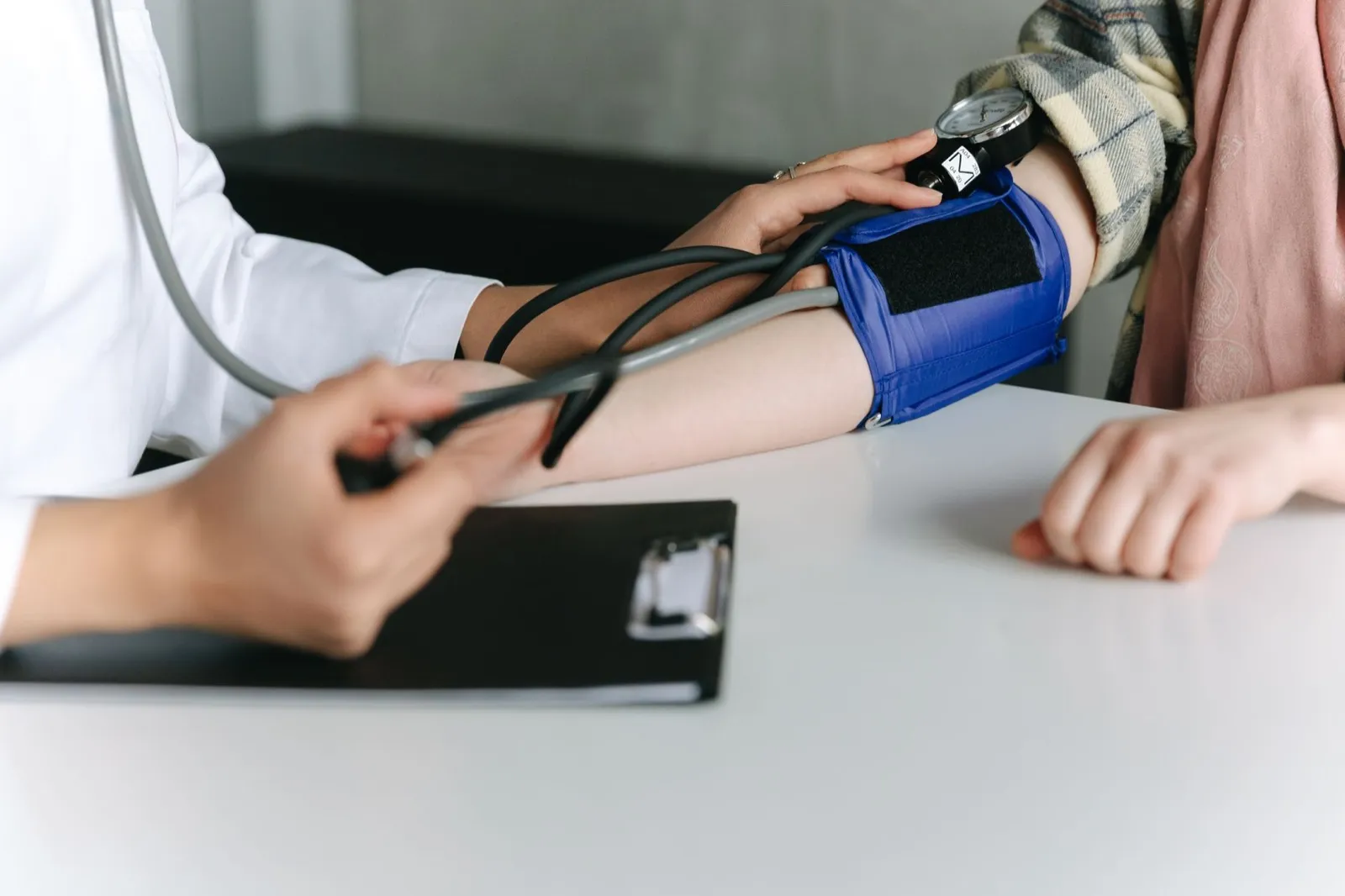
Image Credit: Pexels / Thirdman
Finding out that your blood pressure is high during pregnancy can be unsettling, especially if you feel completely well. High blood pressure, also called hypertension, needs medical assessment and monitoring during pregnancy, but what it means for your care depends on when it developed, how high it is and whether there are any other signs of a pregnancy complication.
High blood pressure can exist before pregnancy or develop during it. It can also be associated with pre-eclampsia, a pregnancy-related condition that requires careful monitoring. Regular antenatal blood pressure checks matter because hypertension and early pre-eclampsia may not cause noticeable symptoms.
What counts as high blood pressure in pregnancy?
Blood pressure is recorded using two numbers and measured in millimetres of mercury, written as mmHg.
NICE defines hypertension in pregnancy as a systolic blood pressure of 140 mmHg or higher, or a diastolic blood pressure of 90 mmHg or higher. Severe hypertension is defined as blood pressure above 160 mmHg systolic or 110 mmHg diastolic.
A raised reading does not tell you by itself why your blood pressure is high. Your maternity team will interpret it alongside your stage of pregnancy, medical history, previous readings and any other test results.
If a healthcare professional tells you that your blood pressure is raised, follow the assessment and monitoring plan they give you rather than trying to diagnose the cause from the numbers alone.
The different types of high blood pressure in pregnancy
High blood pressure during pregnancy does not always have the same cause.
Chronic hypertension
Chronic hypertension is high blood pressure that was already present before pregnancy or is identified during the first 20 weeks. It may continue after the pregnancy.
If you already have high blood pressure, tell your maternity team about any medicines you take. Some medicines used outside pregnancy may need to be reviewed, but prescribed medication should not be stopped or changed without medical advice.
Gestational hypertension
Gestational hypertension is new high blood pressure that develops after 20 weeks of pregnancy without significant protein in the urine or other features that would lead to a diagnosis of pre-eclampsia.
NICE recommends assessment by a healthcare professional trained in managing hypertensive disorders of pregnancy when gestational hypertension is diagnosed. Ongoing care can include repeated blood pressure measurements, urine and blood tests and monitoring of the baby’s wellbeing.
Pre-eclampsia
Pre-eclampsia is a pregnancy-related condition associated with high blood pressure. It usually develops after 20 weeks, although it can also develop during labour or after birth.
Protein in the urine can be one sign, but RCOG notes that pre-eclampsia can sometimes affect organs including the liver, kidneys and blood clotting without protein being present in the urine.
This is one reason a high blood pressure reading during pregnancy needs proper clinical assessment rather than being considered in isolation.
Does high blood pressure cause symptoms?
Not necessarily.
High blood pressure itself may be found during a routine antenatal appointment without you noticing anything unusual. Pre-eclampsia can also initially have no obvious symptoms, which is why blood pressure and urine checks are a routine part of antenatal care.
Some symptoms can, however, be warning signs of pre-eclampsia. The NHS lists symptoms including a severe headache, blurred vision or flashing lights, pain below the ribs, sudden swelling of the face, hands or feet, vomiting, persistent heartburn and feeling very unwell.
These symptoms need immediate medical assessment during pregnancy or in the weeks after birth.
Why high blood pressure is monitored carefully
Hypertension in pregnancy can sometimes become more severe or be associated with complications such as pre-eclampsia.
Pre-eclampsia can affect the pregnant person’s organs and can affect how well the placenta works. RCOG explains that this may affect a baby’s growth and wellbeing. Severe cases can require hospital care and may affect decisions about the timing of birth.
This does not mean that every person with a raised blood pressure reading will develop severe complications. Monitoring helps the maternity team identify changes and decide what care is appropriate for the individual pregnancy.
What happens if your blood pressure is high?
The next steps depend on your readings and your individual circumstances.
Your maternity team may repeat your blood pressure measurement and test your urine. Depending on the situation, assessment can also include blood tests and ultrasound scans to monitor the baby’s growth.
NICE recommends specialist assessment for gestational hypertension. People with severe hypertension require hospital assessment and management.
If treatment is needed, your healthcare team will decide which medicine is appropriate during pregnancy and discuss it with you. Do not start, stop or alter blood pressure medication without speaking to the clinician responsible for your care.
The frequency of appointments and tests can vary. Someone with mild hypertension and reassuring test results may have a different care plan from someone with severe hypertension or pre-eclampsia.
Blood pressure checks at antenatal appointments
Routine antenatal blood pressure checks are important even if you feel well.
Pre-eclampsia is often first detected because blood pressure is raised or protein is found in the urine during an antenatal appointment. Keeping your appointments gives your maternity team the opportunity to notice changes over time.
If you have chronic hypertension or develop hypertension during pregnancy, you may be offered more frequent monitoring than someone whose blood pressure remains within the expected range.
Your maternity team can explain what your individual readings mean and how often they want to check them.
Can you check your blood pressure at home?
Some maternity services may ask people with hypertension to monitor their blood pressure at home between appointments.
Home monitoring should form part of a plan agreed with your maternity team. They can advise you on the equipment to use, how to take readings correctly and what results should prompt you to contact them.
A home reading should not be used to dismiss concerning symptoms. If you develop symptoms that require urgent assessment, contact your maternity service even if a recent blood pressure reading did not seem unusually high.
High blood pressure after giving birth
Blood pressure problems do not necessarily end immediately after birth.
Pre-eclampsia can develop for the first time after a baby is born, and complications can occur during the days following birth. People who have had hypertension or pre-eclampsia may therefore need continued blood pressure monitoring and, in some cases, medication after leaving hospital.
RCOG advises that people who have had pre-eclampsia should have follow-up after birth. Pre-eclampsia is also associated with a higher risk of high blood pressure and cardiovascular disease later in life, so longer-term follow-up with a healthcare professional is important.
If you develop possible symptoms of pre-eclampsia after birth, seek medical help rather than assuming the condition can only happen during pregnancy.
When to get professional advice
If you have been told that your blood pressure is high during pregnancy, follow the monitoring and follow-up advice from your midwife, obstetric team or GP. Contact them if you are unsure about a reading, your medication or the plan you have been given.
Get urgent medical help if you are pregnant or have given birth in the last few weeks and develop symptoms of pre-eclampsia. NHS and RCOG guidance includes:
- a severe headache that does not go away
- blurred vision, flashing lights or other sudden changes to your vision
- severe pain below your ribs
- a sudden increase in swelling of your face, hands or feet
- vomiting
- persistent heartburn that does not improve with usual heartburn medicines
- feeling very unwell
If you are pregnant and have these symptoms, contact your maternity unit immediately if you have its number. If you have recently given birth, cannot reach your maternity unit or are unsure where to get help, contact NHS 111.
Call 999 if there is a life-threatening emergency.
You can also contact your maternity team whenever you are worried about your health or your baby’s health, even if the concern is not included in a standard list of symptoms.