How to Have a Self-Care Day at Home
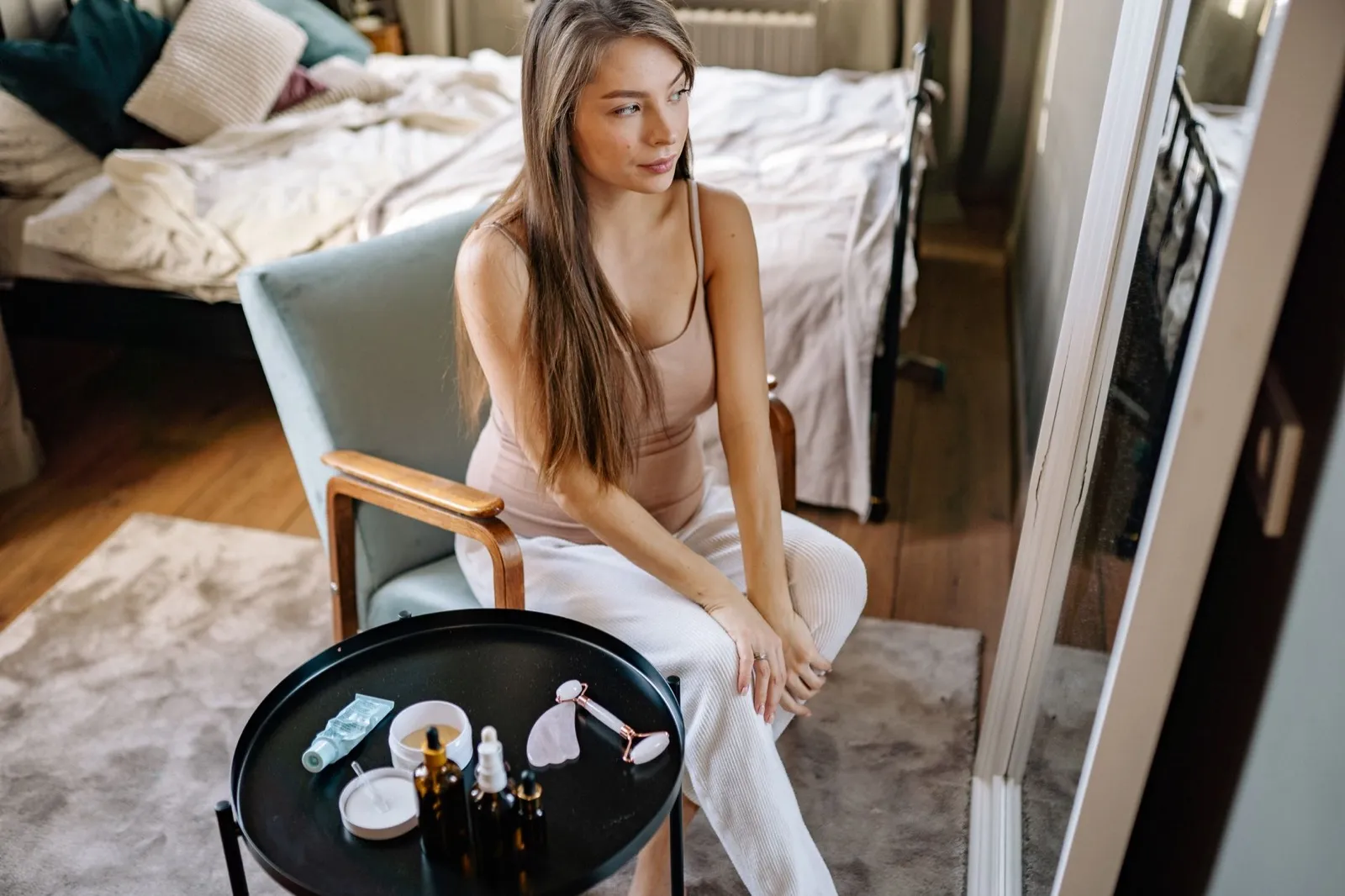
Image Credit: Pexels / Yan Krukau
A self-care day at home is a chance to lower demands for a while. It does not need a strict itinerary, a shopping trip or a spotless home. A useful day is one that leaves you feeling a little less pressured, not one that creates more preparation.
Decide what would feel restorative
There is no single version of rest. Ask whether you need quiet, comfort, movement, connection, practical relief or simple fun. Mind notes that relaxation can be a few minutes away from a stressful routine, gentle activity, music, creativity, time in nature or a break from technology. Choose only what appeals.
A flexible at-home plan
Start slowly if you can: open a window, make breakfast, shower, or sit with a hot drink. Pick one nourishing activity, one soothing activity and one practical task that will help tomorrow. For example, a walk, a film, and preparing lunch for the next day.
Leave deliberate empty space. A self-care day does not need to become a deep-clean, beauty treatment schedule or backlog-clearing session. If you want to tidy, choose a small area that will make the room feel easier to use, then stop.
Create a calmer corner
Use what you have: a blanket, headphones, a library book, a chair by the window, an easy meal, or a shower with clean clothes afterwards. Comfort need not be expensive. If home is noisy or crowded, take your pause outdoors, in a library, or in another safe shared space where possible.
If you have caring responsibilities
A whole day may be unrealistic. Trade an hour with someone if you can, choose an early morning or evening, or involve children in a quiet activity alongside you. The aim is not uninterrupted perfection. It is one small stretch with fewer demands.
Build the day around three gentle choices
A simple structure prevents a day at home becoming either a long to-do list or an aimless scroll. Choose one thing for your body, one thing for your mind and one thing that helps tomorrow.
For your body, that could be a proper breakfast, a shower, a nap, a walk or comfortable clothes. For your mind, it might be a library book, music, a film, quiet or a call with someone safe. For tomorrow, choose one small relief such as putting clothes out, clearing a chair or ordering a repeat prescription if that is something you already need to do.
Leave the rest of the day unplanned. You do not need to fill every hour with wellness activities for it to count.
A realistic self-care day timeline
There is no need to follow a schedule, but this can help if decision-making feels tiring:
- Morning: start slowly, eat something and reduce unnecessary notifications.
- Middle of the day: choose one nourishing activity and one easy meal.
- Afternoon: rest, get a change of scene or do something you enjoy without making it productive.
- Evening: make one small choice that eases tomorrow, then lower the pace.
If you wake late, have care work to do or feel flat, begin wherever you are. A self-care day is not ruined by laundry, children, work or a difficult mood.
Boundaries that protect the pause
Tell people only if it is useful, but decide in advance what you are available for. You might answer urgent calls while muting group chats, decline an optional plan or leave household tasks at their basic level. If you live with others, say something simple: “I need an hour without questions this afternoon,” or “I can do dinner, but not the extra jobs today.”
It is reasonable to need time without becoming completely unavailable. Adapt the boundary to your circumstances and safety.
When home is not restful
Home is not always quiet, private or comfortable. If it is crowded, stressful or unsafe, do not blame yourself for finding a “day at home” difficult. A library, park, community space, friend’s home or a brief walk may offer more ease. If leaving is not possible, claim a smaller pocket with headphones, a shower or a chair by a window.
End without turning the evening into a project
As the day closes, resist the urge to make up for resting by racing through every task you postponed. Choose one small thing that helps tomorrow, then let that be enough. You might put a glass by the bed, make an easy breakfast choice, check the weather or put a bag by the door.
If the day did not feel restful, be curious rather than critical. Was there too much noise, too little food, an unfinished worry or a plan that was too ambitious? Use the answer to make the next pause more useful. You do not need to create a perfect home environment to deserve a little care within the one you have.
Frequently asked questions
What if I do not have a whole day?
Use an evening, afternoon or 20 minutes. Care is not measured by duration.
Should I avoid my phone all day?
Only if that helps. You could mute stressful alerts while keeping contact, music and entertainment available. Make the boundary serve you, rather than following a rule.
What if I feel guilty resting?
Notice the thought, then return to the practical reason for the pause: recovery, comfort or a little less pressure. Rest is not a prize for finishing every task.
When to get professional advice
Self-care can support you, but it cannot carry everything. Speak to a GP or mental health professional if stress, low mood, anxiety, sleep problems or exhaustion are lasting, worsening or making everyday life hard. If you feel unable to keep yourself safe, call 999 or go to A&E.
Related reading
- How to Create a Balanced Lifestyle When Life Feels Busy
- How to Reset Your Life When You Feel Stuck
- How to Build Healthy Habits That Actually Stick