How to Layer Fragrances: A Simple Guide to Creating Your Own Scent
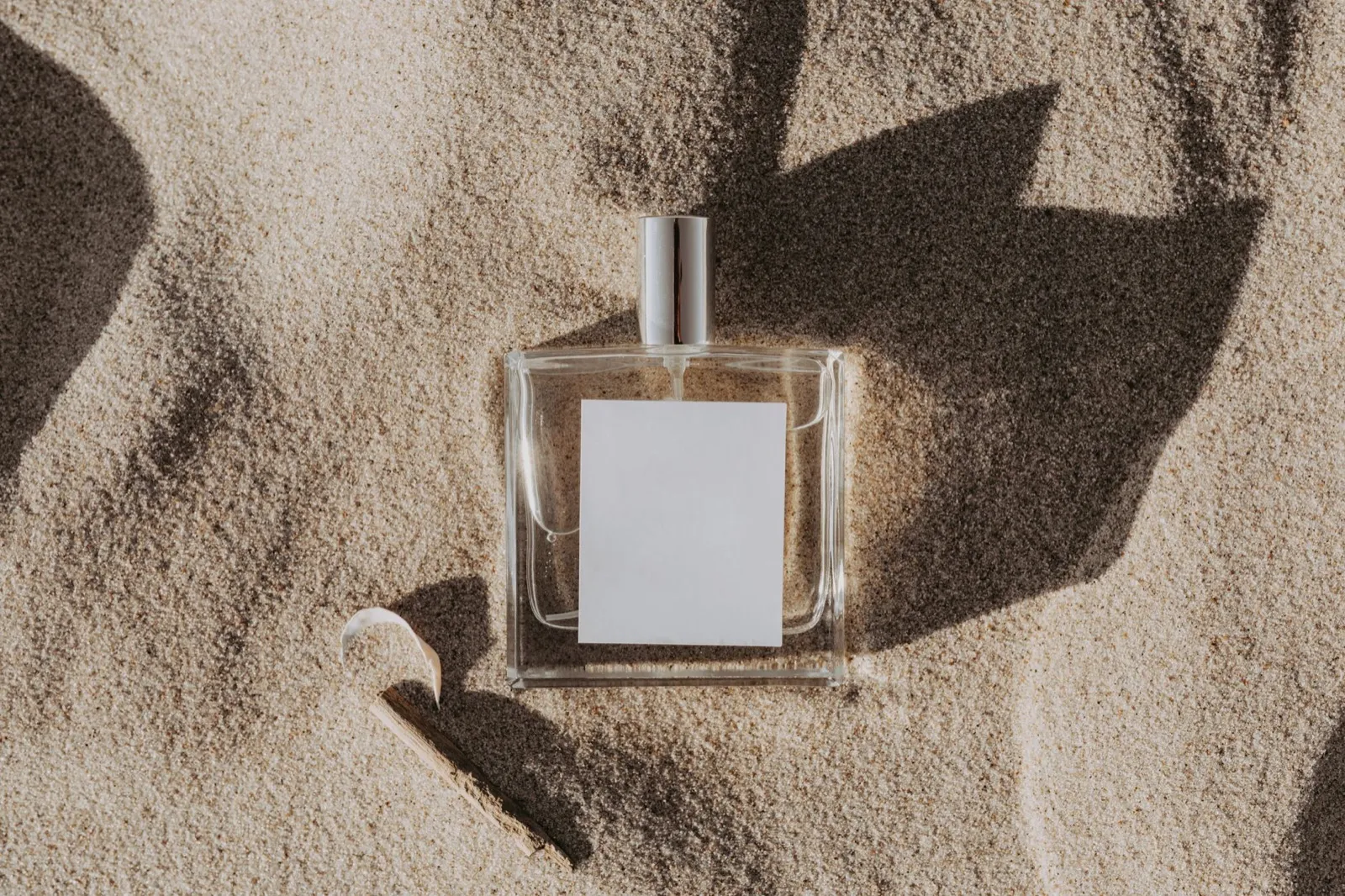
Image Credit: Pexels / https://kaboompics.com/
To layer fragrances, begin with two scents that share a note or belong to complementary fragrance families. Apply the deeper, stronger fragrance first, then add the lighter scent in a smaller amount. Test the combination on your skin and give it time to develop before adding more.
Easy combinations include vanilla with amber, rose with musk, citrus with tea and coconut with sandalwood. You can also layer a scented body lotion beneath one perfume rather than combining two full fragrances.
There are no strict rules, but restraint helps. Two carefully chosen scents are usually easier to balance than several perfumes applied together.
Fragranced products may irritate sensitive skin or cause contact dermatitis in some people. Stop using them if you develop itching, burning, swelling or a rash.
What is fragrance layering?
Fragrance layering means wearing two or more scented products together to create a particular effect.
You might combine:
- Two perfumes
- Perfume and body mist
- Body lotion and perfume
- Shower gel and body mist
- Fragrance oil and perfume
- Hair mist and perfume
- Several products from the same fragrance range
The aim may be to make a scent last longer, soften a perfume you find too intense or create a combination that feels more personal.
Layering does not require mixing liquids together inside a bottle. Apply each product separately so you can control the balance and avoid affecting the original formulas.
How to layer fragrances for beginners
Start with two products rather than building a complicated combination.
A simple method is:
- Choose one main fragrance.
- Identify its strongest note or general fragrance family.
- Select a second scent that shares or complements that character.
- Test both on paper first.
- Apply the stronger fragrance lightly to your skin.
- Add the softer fragrance nearby or over the same area.
- Allow the combination to develop for several hours.
- Adjust the number of sprays next time if needed.
The finished scent may change as the top notes fade and the heart and base notes become clearer.
A combination that smells confusing immediately after spraying may become smoother after 15 minutes. Another may begin pleasantly but become too sweet or heavy later.
Give it time before deciding.
Which fragrance should you apply first?
Apply the stronger, deeper or longer-lasting scent first.
This often includes fragrances built around:
- Amber
- Oud
- Leather
- Patchouli
- Sandalwood
- Musk
- Vanilla
- Incense
- Tonka bean
Add the lighter fragrance afterwards.
Lighter scents may feature:
- Citrus
- Tea
- Green notes
- Delicate flowers
- Fresh fruit
- Watery notes
- Herbs
This order allows the lighter scent to remain noticeable rather than being immediately covered by the heavier one.
It is a useful starting point rather than a fixed rule. Testing both orders may produce two different results.
Should you spray layered perfumes on the same place?
You can apply both fragrances to the same area or use separate areas.
Applying them to the same area
Spraying both scents on the same point creates a closely blended result.
For example, you could apply one spray of a woody perfume to the wrist, then add a light vanilla mist over it.
This method makes it easier to smell the combination as one fragrance.
Applying them to different areas
You might apply one perfume to the neck and another to the wrists.
The scents meet gradually as you move, which can create a softer and less predictable effect.
This may work well if both perfumes are strong and you do not want them concentrated in one place.
How many sprays should you use?
Begin with fewer sprays than you would normally use for each fragrance.
For example:
- One spray of the stronger perfume
- One or two sprays of the lighter scent
- One layer of scented lotion
- One spray of perfume over the lotion
Layering does not mean applying your usual amount of every product.
Two fragrances worn together may project more strongly than expected. This matters in offices, restaurants, public transport and other shared spaces.
Your nose may also become less aware of the scent after a while. Not noticing it yourself does not always mean it has disappeared.
Start with a shared note
One of the simplest ways to create a balanced combination is to choose fragrances with a note in common.
Examples include:
- Vanilla perfume with a vanilla body mist
- Rose perfume with a rose and musk scent
- Citrus fragrance with an orange blossom perfume
- Coconut mist with a creamy sandalwood scent
- Cherry perfume with an almond fragrance
- Lavender scent with an aromatic herbal fragrance
The shared note connects the two products while their other ingredients add contrast.
This approach is particularly useful if fragrance families feel confusing.
Easy perfume layering combinations
Some fragrance pairings are easier to balance than others.
Vanilla and amber
Vanilla can make amber feel softer and sweeter. Amber may give a simple vanilla scent more depth.
This combination often feels warm, rich and comforting.
Use a lighter hand if both products are already sweet.
Rose and musk
Musk can soften rose and make it feel smoother or more skin-like.
A fresh rose with clean musk may feel light and polished. A darker rose with warm musk may create a richer result.
Citrus and tea
Citrus adds brightness, while tea can provide a dry, calm or slightly green quality.
Try bergamot and black tea, lemon and green tea, mandarin and white tea or grapefruit and herbal tea notes.
This pairing may work well for daytime or warm weather.
Coconut and sandalwood
Coconut can feel sweet, creamy or tropical. Sandalwood adds warmth and smoothness.
Choose a lighter sandalwood if you want a fresh combination, or a deeper woody scent for something richer.
Cherry and almond
Cherry and almond often work naturally together because some cherry fragrances already have a slightly almond-like quality.
Add vanilla for sweetness or leather for a darker result.
Jasmine and vanilla
Vanilla can soften the intensity of jasmine and make it feel warmer.
This combination may become very rich, so begin with one spray of each.
Pear and musk
Pear adds freshness and gentle sweetness. Musk can make the combination feel clean and soft.
This is a useful option for someone who wants a light fragrance without strong citrus.
Coffee and vanilla
Vanilla softens coffee’s roasted bitterness and creates a gourmand effect.
Caramel, chocolate and tonka bean may also work well, but using all of them together can become very sweet.
Lavender and vanilla
Lavender can feel herbal, clean or aromatic. Vanilla gives it softness and warmth.
The result may feel calm and cosy without smelling entirely like a traditional sweet perfume.
Oud and rose
Rose can bring brightness and softness to a deep oud fragrance.
Both notes can be powerful. Use very small amounts and allow the combination time to settle.
Leather and fruit
Leather may become more wearable when balanced with cherry, plum, peach or dark berries.
This pairing can feel rich and dramatic.
Green notes and florals
Fresh green fragrances may sharpen or lighten soft floral perfumes.
Try green leaves with rose, violet or white flowers.
Fragrance families that work well together
You do not need to match individual notes. You can also combine broader fragrance families.
Floral and woody
Wood adds depth to floral scents and may make them feel less sweet.
Possible pairings include rose and sandalwood, jasmine and cedar, violet and vetiver, or orange blossom and patchouli.
Fruity and floral
Fruit can make a floral perfume feel brighter or more playful.
Try pear and peony, peach and jasmine, cherry and rose, or berries and violet.
Fresh and woody
This combination can create a clean fragrance with more staying power.
Try citrus and cedar, tea and sandalwood, marine notes and vetiver, or herbs and soft woods.
Gourmand and woody
Wood can balance sweetness and stop a gourmand perfume feeling too dessert-like.
Try vanilla and cedar, caramel and sandalwood, coffee and patchouli, or chocolate and vetiver.
Amber and floral
Floral notes can lift a rich amber fragrance, while amber makes the flowers warmer and deeper.
Rose, jasmine and orange blossom are common choices.
How to layer perfume with body mist
Body mist is lighter than most perfumes, making it a useful layering product.
Apply the body mist more widely, then place perfume on selected areas.
A simple routine is:
- Apply unperfumed moisturiser.
- Spray body mist over the torso or clothing.
- Apply one or two sprays of perfume to the neck or wrists.
- Allow both products to dry naturally.
You can use matching perfume and body mist, vanilla mist beneath a floral perfume, coconut mist beneath a woody scent, fruity mist with a soft musk perfume, or a fresh mist with a deeper amber fragrance.
The body mist may need refreshing later, while the perfume continues to provide the base.
How to layer perfume with body lotion
Using a scented lotion is one of the easiest forms of fragrance layering.
It can add a subtle background scent and may help perfume remain noticeable for longer on dry skin.
Apply the lotion first and allow it to absorb before spraying perfume.
Possible combinations include vanilla lotion and amber perfume, coconut lotion and floral perfume, rose lotion and musk perfume, citrus lotion and tea fragrance, or unperfumed lotion with any perfume.
An unperfumed moisturiser is the safest choice when you want to preserve the perfume’s original scent.
Avoid applying fragranced lotion to irritated, broken or eczema-affected skin.
How to layer fragrance oils and perfume
Fragrance oils often sit closer to the skin and may last for several hours.
Apply a small amount of oil first, then add perfume after it has settled. Focus oil on limited areas, such as wrists, inner elbows, upper chest or the sides of the neck.
Do not assume every essential oil or undiluted perfume oil is safe for direct skin application. Use only products intended for cosmetic use and follow the instructions.
Oils may stain clothing, so allow them to absorb before dressing.
Can you layer three perfumes?
You can, but balancing three full fragrances is more difficult.
Each perfume already contains many notes. Combining three complex compositions may produce something muddy, overly sweet or difficult to understand.
A more manageable three-layer combination might be a scented lotion, a body mist and one perfume. Alternatively, use one simple fragrance oil, one perfume and one light body mist.
Keep at least one layer soft and simple.
How to soften a perfume that is too sweet
Pair a very sweet fragrance with something dry, fresh or woody.
Possible additions include cedar, vetiver, tea, bergamot, green notes, leather, aromatic herbs or clean musk.
Apply the less sweet fragrance first, then add a small amount of the sweeter perfume.
Avoid layering a sweet perfume with several other gourmand products unless you deliberately want a rich dessert-like scent.
How to make a perfume feel warmer
Add notes such as vanilla, amber, sandalwood, tonka bean, cinnamon, musk, benzoin or soft spices.
This can make a fresh floral or fruity perfume feel richer and more suitable for cool weather.
Begin with one spray. Warm base notes can become strong as they develop.
How to make a perfume feel fresher
Pair it with citrus, green tea, mint, watery notes, green leaves, light herbs, clean musk or bergamot.
A fresh body mist is often easier to control than adding another concentrated perfume.
This method may help make a heavy scent feel lighter during the day.
How to make floral perfume less powdery
Pair a powdery floral fragrance with something brighter or smoother.
Try citrus, pear, green notes, tea, clean musk or soft woods.
Avoid adding another powdery perfume if that is the quality you want to reduce.
How to make perfume last longer through layering
Layering can support longevity, but it does not guarantee that every fragrance will last all day.
Try applying an unperfumed moisturiser, using a matching or complementary body lotion, adding body mist across a wider area, applying perfume to selected points and spraying suitable clothing lightly. Reapply only when needed.
Deeper base notes such as vanilla, musk, amber and woods often remain longer than very light citrus or watery notes.
Storage also matters. Keep fragrance bottles away from direct sunlight, heat and rapid temperature changes.
Test combinations on paper first
Paper strips allow you to compare combinations without covering your skin in several perfumes.
To test:
- Spray each fragrance onto its own strip.
- Smell them separately.
- Hold the strips together.
- Adjust their distance to compare different strengths.
- Check them again after 15 minutes.
- Test the best combination on skin.
You can also spray both fragrances onto one strip, but separate strips make it easier to change the balance.
Label each strip so you remember what you used.
Test the final combination on skin
A combination that works on paper may develop differently on skin.
Apply it to a small area and wear it for several hours. Notice the first impression, the scent after 15 minutes, the heart after one or two hours, the remaining base notes, whether it becomes too strong, whether one fragrance disappears and whether it causes irritation.
Avoid testing a new combination immediately before an important event.
Should you mix perfumes in one bottle?
It is better to apply fragrances separately.
Pouring two perfumes into one bottle may change their balance, affect the spray mechanism, make the combination impossible to adjust, waste both products if you dislike the result, introduce contamination or affect the stability of the formulas.
Layering on skin gives you more control. You can change the number of sprays, the order and the application areas without altering the original bottles.
Layering fragrance for work
Use fewer products and softer projection in shared workplaces.
A simple combination may include unperfumed lotion, a light body mist and one spray of perfume.
Fresh, musky, tea-based and soft woody combinations often feel less intrusive, but any fragrance can become overwhelming when heavily applied.
Respect fragrance-free workplace policies. Some people experience asthma symptoms, migraine, nausea or throat irritation around fragranced products.
Do not spray perfume in a shared office, toilet or changing room.
Layering fragrance for evening
An evening combination may include deeper or sweeter notes.
Try rose and oud, vanilla and amber, cherry and leather, jasmine and sandalwood, coffee and tonka bean, or plum and patchouli.
Apply conservatively at first. Rich scents often become stronger as they warm on the skin.
Layering fragrance for warm weather
Warm weather can increase projection and make heavy combinations feel more intense.
Try lighter pairings such as citrus and tea, pear and musk, coconut and light florals, mint and green notes, orange blossom and clean musk, or bergamot and cedar.
Use fewer sprays and avoid applying fragrance to skin that is irritated, sunburnt or very sweaty.
Layering fragrance for cold weather
Cool air may soften fragrance projection, so warmer combinations can feel comfortable.
Try vanilla and amber, coffee and caramel, rose and patchouli, sandalwood and musk, leather and dark fruit, or incense and spice.
You may apply fragrance to clothing where the fabric is suitable, as fabric often holds scent longer than skin.
Common fragrance layering mistakes
Using too many strong perfumes
Several intense fragrances can quickly become overwhelming. Begin with two products.
Applying the same number of sprays of each
The stronger fragrance may dominate. Use less of the more concentrated or powerful scent.
Judging the combination immediately
Perfume changes after the opening fades. Wait before adding more.
Layering only sweet fragrances
Vanilla, caramel, fruit and marshmallow may work together, but the result can become extremely sweet. Add musk, tea or wood for balance.
Rubbing the skin after application
Allow fragrances to dry naturally. There is no need to blend them by rubbing.
Mixing perfumes inside the bottle
Apply them separately so you can adjust the result.
Ignoring skin irritation
More layers mean exposure to more ingredients. Stop using the combination if your skin reacts.
Spraying heavily because one scent is light
A body mist may be soft, but repeated spraying can still become strong. Give your nose time to adjust.
Testing too many combinations at once
Your sense of smell may become tired. Limit each session and take breaks.
Forgetting the setting
A combination suitable for an outdoor evening may feel too strong in an office or on public transport. Adjust the number of sprays.
Can fragrance layering irritate sensitive skin?
Yes.
Layering several products increases the number of fragrance ingredients touching your skin. This may raise the chance of irritation in someone who has sensitive or eczema-prone skin.
Possible symptoms include itching, burning, redness or another colour change, dryness, scaling, swelling, small blisters or a spreading rash.
To reduce skin exposure:
- Use unperfumed moisturiser.
- Apply fewer products.
- Spray suitable clothing instead.
- Avoid active eczema.
- Do not apply after shaving.
- Test one product at a time.
- Stop using anything that causes a reaction.
Fragrances are among the cosmetic ingredients that can cause allergic contact dermatitis. A person may become allergic after previous use without any problem.
Is natural fragrance safer for layering?
Not necessarily.
Natural extracts and essential oils may also contain fragrance allergens and can cause irritation or allergic contact dermatitis.
The words natural, clean or botanical do not guarantee that a product is suitable for sensitive skin.
Use products according to their instructions and avoid applying undiluted essential oils directly to the skin.
Fragrance layering during pregnancy
Layering fragrances during pregnancy is generally a personal choice, but a heightened sense of smell may make combinations feel stronger than usual.
You may prefer to:
- Use one fragrance at a time.
- Choose lighter body mists.
- Apply fewer sprays.
- Avoid spraying near your face.
- Use products in a ventilated room.
- Stop if the scent worsens nausea.
- Apply fragrance to clothing rather than skin.
Speak to your midwife, pharmacist or GP if you have concerns about a specific product or develop a skin reaction.
When to get professional help
Stop using fragranced products and speak to a pharmacist or GP if you develop persistent itching, burning, a spreading rash, dry, cracked or weeping skin, blistering, swelling, eczema that repeatedly worsens after fragrance use, or reactions that return with different fragranced products.
A GP or dermatologist may recommend patch testing if allergic contact dermatitis is suspected. Patch testing is a specialist procedure used to identify substances that trigger a contact allergy.
Seek prompt medical advice if a reaction affects your eyes or face, becomes increasingly painful or continues to worsen after the fragrance has been washed away.
Call 999 if you develop difficulty breathing, severe wheezing, throat tightness, difficulty swallowing, faintness, sudden swelling of the lips, mouth, tongue or throat.
Move away from the fragrance and follow your asthma action plan if scented products trigger coughing, wheezing or chest tightness. Seek urgent help if prescribed reliever treatment does not improve your breathing.
Related reading
- Perfume Guide: How to Choose, Wear and Store Your Fragrance
- Body Mists Guide: How to Choose, Apply and Make Them Last
- Sensitive Skin Skincare Guide: Triggers, Ingredients and a Gentle Routine