How to Prepare a Baby Bottle Safely
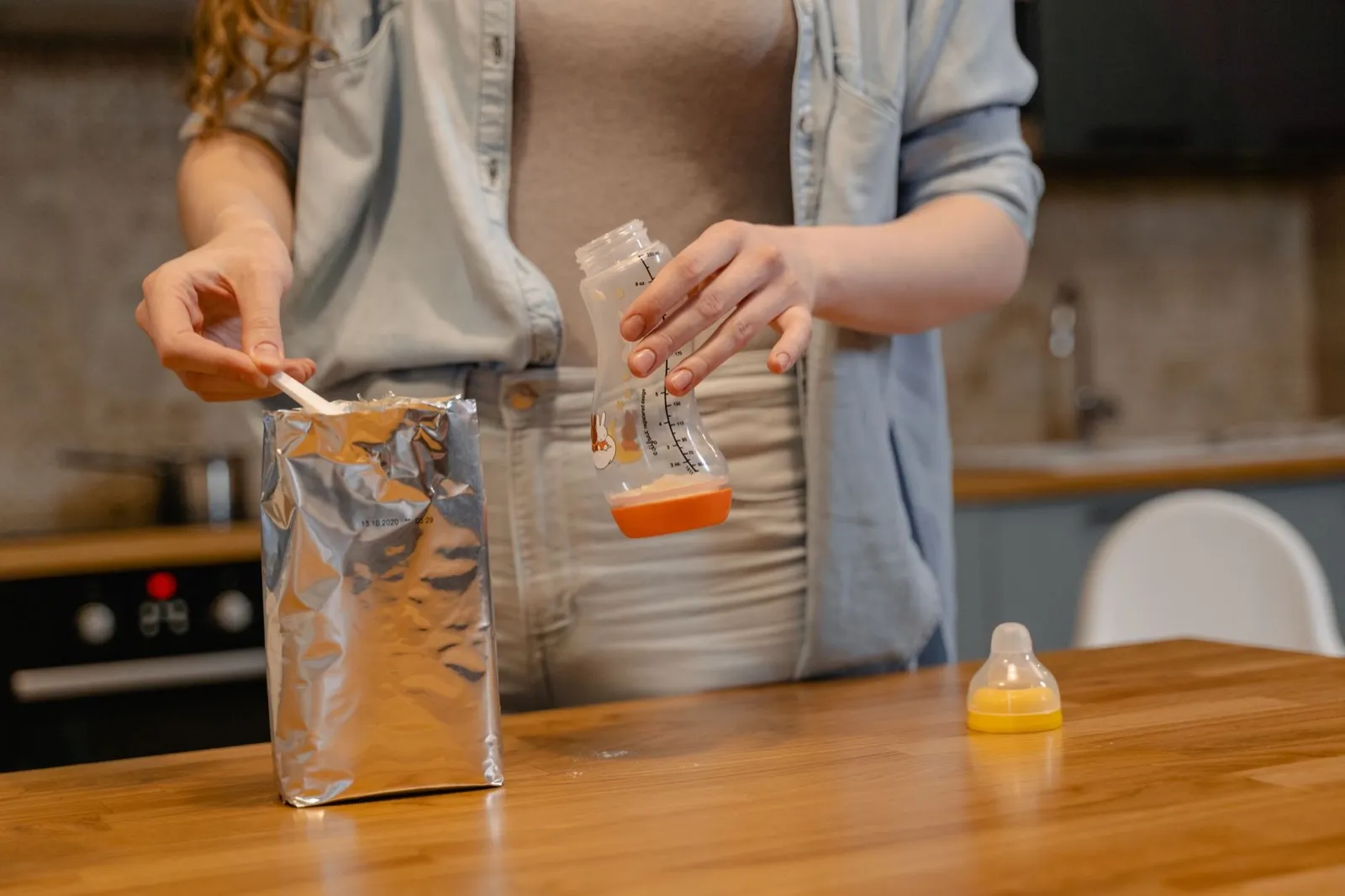
Image Credit: Pexels / MART PRODUCTION
Preparing a baby bottle can feel surprisingly complicated at first, especially when you are tired and your baby is already hungry. The basic routine becomes much easier with practice: clean and sterilise the feeding equipment, wash your hands and prepare the feed according to current NHS guidance.
If you are using powdered infant formula, there is an extra safety point to remember. Powdered formula is not sterile, so the NHS advises making each feed with freshly boiled tap water that has cooled for no more than 30 minutes, so it remains at least 70°C when mixed with the powder. The bottle should then be cooled to a safe drinking temperature before feeding.
Ready-to-feed liquid formula is sterile until opened and does not need to be mixed with water, although bottles and other feeding equipment still need to be sterilised.
What you need to prepare a bottle
You do not need an elaborate collection of equipment.
For formula feeding, the NHS lists the basics as:
- bottles with teats and caps
- brushes for cleaning bottles and teats
- suitable sterilising equipment
- infant formula powder or ready-to-feed liquid formula
Sterilising options include a cold-water sterilising solution, a steam steriliser or boiling equipment that is suitable for the items you are using.
A clean bottle brush used specifically for feeding equipment is useful because milk can collect in areas that are difficult to reach.
Check bottles and teats regularly for cracks, tears or other damage and replace damaged items.
Clean the bottle before sterilising it
Sterilising works properly only after feeding equipment has been cleaned.
Wash your hands with soap and water and clean the work surface you will use.
Wash bottles, teats and other feeding equipment thoroughly in hot, soapy water. A clean bottle brush can help you reach the inside of the bottle and teat.
Rinse everything in clean, cold running water before sterilising.
A dishwasher can clean feeding equipment, but NHS guidance states that it does not sterilise it.
Cleaning bottles soon after feeds also prevents old milk from drying inside them and makes the next wash easier.
Sterilise feeding equipment before each feed
The NHS recommends sterilising bottles, teats and other feeding equipment until your baby is at least 12 months old.
There are several accepted methods.
Steam sterilising
Electric and microwave steam sterilisers can be used according to the manufacturer’s instructions.
Make sure the openings of bottles and teats face downwards inside the steriliser.
Cold-water sterilising
If you use a cold-water sterilising solution, follow the manufacturer’s instructions carefully.
NHS guidance says the solution should be changed every 24 hours and feeding equipment should remain fully submerged for at least 30 minutes. Make sure there is no trapped air inside bottles or teats.
Sterilising by boiling
Check first that your bottles and other equipment are suitable for boiling.
The NHS advises keeping feeding equipment fully submerged in boiling water for at least 10 minutes.
Teats may become damaged more quickly with this method, so inspect them regularly.
After sterilising, it is best to leave bottles and teats in the steriliser or pan until you need them. If you remove them, wash and dry your hands first and assemble them on a clean, disinfected surface.
How to prepare powdered infant formula safely
Powdered infant formula needs careful preparation because the powder itself is not sterile.
The NHS recommends preparing feeds one at a time, when your baby needs them.
Start by filling the kettle with at least one litre of fresh water from the cold tap. Do not use water that has already been boiled or artificially softened water.
Boil the water and leave it to cool in the kettle for no more than 30 minutes. This is intended to keep the water at a temperature of at least 70°C when it meets the formula powder.
While the water cools, clean and disinfect your preparation surface and wash your hands.
Take a sterilised bottle and follow the formula manufacturer’s instructions carefully.
Put the water in before the formula powder
The order matters.
Pour the correct amount of hot water into the sterilised bottle first.
Check the water level carefully.
Then use only the scoop supplied with your particular formula. Loosely fill it with powder and level it according to the manufacturer’s instructions.
Add exactly the recommended number of scoops.
Do not add extra powder to make a feed stronger. NHS guidance warns that too much powder can contribute to constipation or dehydration.
Do not add extra water either. Diluting formula can mean your baby does not receive enough nourishment.
The proportions printed on the formula packaging are there for a reason, so follow them exactly.
Mix and cool the bottle
Once you have added the correct amount of formula, assemble the bottle carefully.
Hold the edge of the retaining ring rather than touching the teat unnecessarily, screw it securely onto the bottle and cover the teat with the cap.
Shake the bottle until the powder has dissolved.
The feed will still be too hot for your baby, so it needs cooling.
The NHS recommends holding the lower half of the closed bottle under cold running water and moving it around so that it cools evenly.
Keep tap water away from the teat and cap.
Before feeding, test the temperature on the inside of your wrist. It should feel warm or cool, not hot.
Why the water needs to be at least 70°C
The 70°C guidance is not about making the milk pleasant to drink. The feed is cooled before it reaches your baby.
It is about reducing the risk from bacteria that may be present in powdered formula.
Even an unopened container of powdered infant formula can contain bacteria because the powder is not sterile.
This is why the NHS advises mixing formula with water that is still at least 70°C rather than waiting until boiled water becomes lukewarm before adding the powder.
Once the formula has been mixed safely, cool the bottle before feeding.
Can you use bottled water for baby formula?
Bottled water is not usually recommended for preparing infant formula.
The NHS explains that bottled water is not sterile and may contain too much sodium or sulphate.
Fresh cold tap water is normally recommended.
There can be unusual circumstances where the normal drinking water supply is unavailable or contaminated. In that situation, follow any specific advice issued by the Food Standards Agency, UK Health Security Agency or your local authorities.
If you are uncertain about your water supply, ask your health visitor for advice.
Can you make formula with previously boiled water?
The NHS advises using fresh tap water each time you prepare powdered formula.
Do not use water that has already been boiled and then reheated.
Fill the kettle with fresh water from the cold tap, boil it and allow it to cool for no more than 30 minutes before preparing the feed.
This helps ensure that the water is still hot enough when it is mixed with the formula powder.
Can you prepare formula bottles in advance?
Freshly prepared formula is the safest option.
The NHS recommends making feeds one at a time as your baby needs them because bacteria can multiply in prepared formula.
This can feel inconvenient, particularly during night feeds, but organising your clean equipment beforehand can make the process quicker.
If you genuinely need to store a prepared feed, ask your health visitor about the safest way to do it.
For everyday feeding at home, making a fresh bottle for each feed is the preferred approach.
What should you do with leftover formula?
Throw away formula left in the bottle after your baby has finished feeding.
Do not save it for the next feed.
Once your baby has drunk from the bottle, bacteria from their mouth can enter the remaining milk.
Preparing a smaller amount initially can reduce waste if your baby regularly leaves milk, as long as you follow the manufacturer’s mixing instructions exactly.
If your baby still seems hungry after finishing, you can prepare another fresh feed.
Can you warm a bottle in the microwave?
Do not warm infant formula in a microwave.
Microwaves can heat milk unevenly and create hot spots that may burn your baby’s mouth even if the bottle itself does not feel particularly hot.
If a prepared feed needs cooling, use cold running water as recommended by the NHS.
Ready-to-feed formula does not necessarily need warming. If your baby is happy to drink it at room temperature and it has been stored and handled according to the manufacturer’s instructions, warming is not required simply because adults tend to associate milk with being warm.
Always follow the storage instructions on the packaging.
What about ready-to-feed liquid formula?
Ready-to-feed liquid infant formula is sterile until its container is opened.
It does not need water added to it.
You still need sterilised feeding equipment, including bottles and teats.
Follow the manufacturer’s instructions for opening and storing the formula. NHS guidance says unused ready-to-feed formula from an opened container should be kept at the back of the fridge on the top shelf and used within 24 hours.
Do not keep milk that has already been offered to your baby for a later feed.
Ready-to-feed formula can be useful when preparing powdered formula safely is difficult, such as during some journeys or outings.
Preparing bottles away from home
Making powdered formula safely while you are away from your kitchen takes some planning.
NHS guidance recommends making a fresh feed when your baby needs it.
For trips out, you can take a measured amount of formula powder in a clean, dry container, a clean vacuum flask containing freshly boiled water and an empty sterilised feeding bottle.
The water needs to remain hot enough to be at least 70°C when it is mixed with the formula.
Once prepared, cool the bottle before feeding your baby.
If you cannot prepare powdered formula safely while away from home, ready-to-feed liquid formula can be a simpler option. You will still need clean, sterilised feeding equipment.
What about formula preparation machines?
If you use a formula preparation machine, check that it follows current NHS safety guidance.
The NHS says the water that comes out of the machine should be at least 70°C when it is mixed with the formula powder.
You can check this with a digital food thermometer.
If the water is below 70°C, NHS guidance recommends stopping use of the machine and preparing formula using freshly boiled water according to the standard method instead.
Follow the manufacturer’s cleaning instructions too, as any equipment used to prepare feeds needs regular and careful maintenance.
A simple routine can make bottle preparation easier
Safe bottle preparation can feel like a lot of steps when you first read the instructions.
A simple routine helps.
Clean used bottles promptly. Keep your sterilising equipment ready. Make sure formula, clean scoops and feeding supplies have a regular place in the kitchen. Before preparing a feed, wash your hands and clean the surface.
Then follow the same sequence each time: fresh cold tap water, boil, cool for no more than 30 minutes, water into the bottle first, exact amount of powder, mix, cool and check the temperature.
You do not need to improvise or make the formula stronger, weaker or hotter.
Following the same routine reduces the number of decisions you have to make during an already busy part of the day.
When to get professional advice
Speak to your midwife, health visitor, GP or another qualified healthcare professional if you are unsure how to prepare your baby’s formula, need to use a specialist formula or have been given feeding instructions that differ from standard formula preparation guidance.
Some specialist formulas, including certain anti-reflux products, may have different preparation instructions. Follow the packaging and advice from the healthcare professional who recommended the formula rather than changing preparation temperatures yourself.
Ask for advice if your baby repeatedly refuses feeds, struggles to feed, vomits persistently, has fewer wet nappies than expected, is unusually sleepy or difficult to wake, or you are worried that they are not getting enough milk.
If you think a feed may have been prepared with the wrong ratio of water to powder, contact a healthcare professional for advice rather than repeatedly adjusting later feeds to compensate.
If your baby has difficulty breathing, becomes unresponsive, is choking or appears seriously unwell, seek urgent medical help.
Related reading
- How to Choose a Bottle and Teat for Your Baby
- Responsive Bottle Feeding: What It Is and How It Works
- Bottle Feeding Your Baby: A Beginner’s Guide