How to Stop Checking Your Ex's Social Media
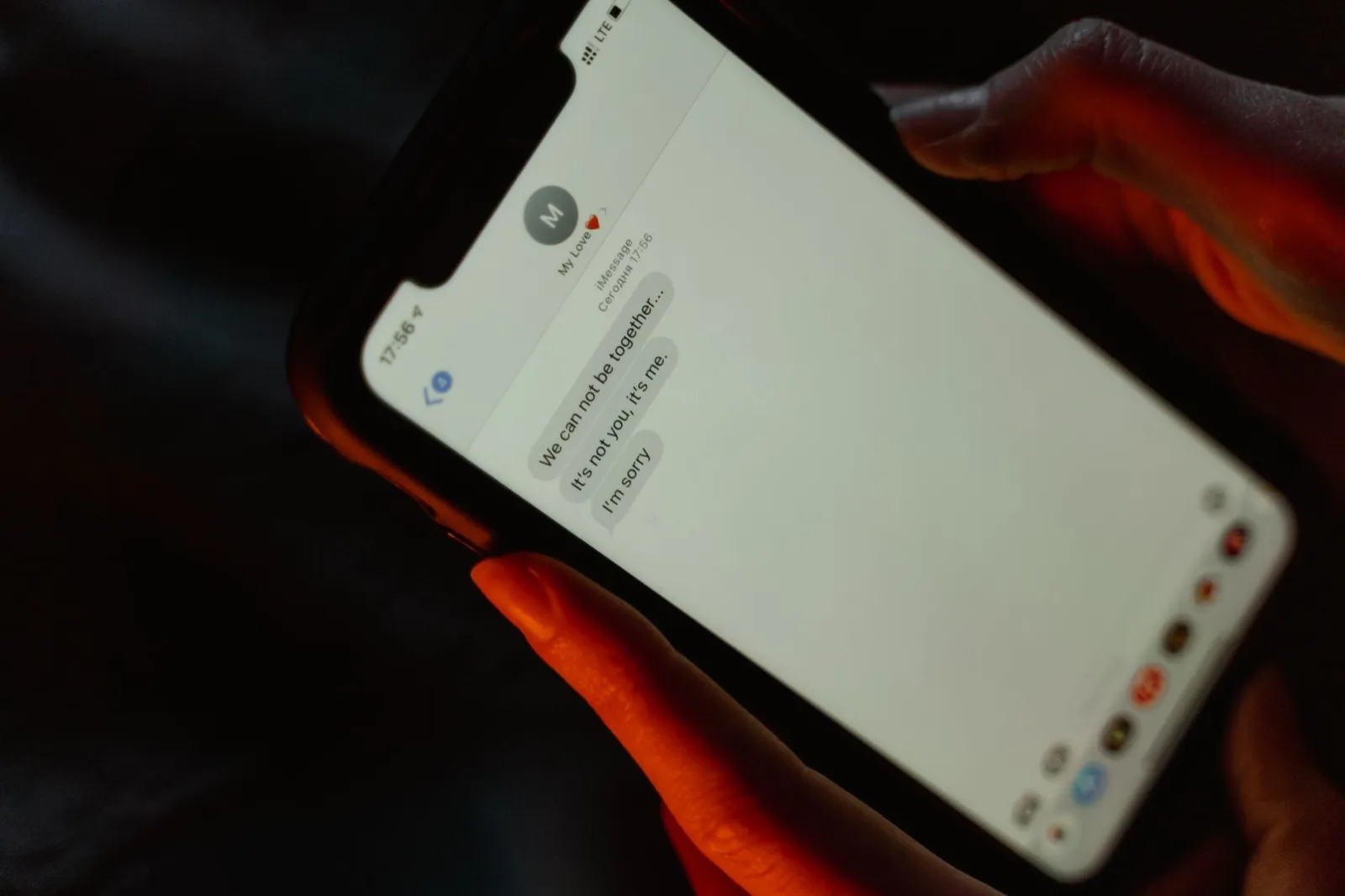
Image Credit: Pexels / MART PRODUCTION
How to Stop Checking Your Ex’s Social Media
If you keep checking your ex’s social media even though you know it usually makes you feel worse, you are far from unusual. After a breakup, their profile can feel like a tiny window into a life you are no longer part of. It can be tempting to look for clues about how they feel, what they are doing or whether they have moved on.
The problem is that checking rarely gives you the certainty you are looking for. A photograph, follow, like or story can easily create another round of questions. Relate specifically notes that social media can make it harder to disconnect from painful reminders of a past relationship.
Stopping does not have to rely on willpower alone. Making your ex less accessible, understanding what triggers you to check and deciding what you will do when the urge appears can make the habit much easier to change.
Why do I keep checking my ex’s social media?
You may be looking for information, reassurance or connection.
Perhaps you want to know if your ex misses you. You may be worried they are seeing somebody else. Maybe you want evidence that they are unhappy too, or you are hoping to spot something that suggests they want you back.
Sometimes there is no dramatic reason at all. Checking has simply become a habit.
You open an app, type their name and look before you have really decided to.
Relate describes how people who still have strong feelings for an ex may repeatedly wonder how that person is coping or whether they have forgotten them. Social media can reinforce these thoughts because it provides a steady stream of information that may not accurately represent how somebody is actually feeling.
Understanding what you hope to find is a useful first step.
Before opening their profile, ask yourself:
“What am I hoping to learn?”
Then ask:
“Will seeing their page actually answer that?”
Often, it will not.
Notice what happens after you check
The urge to check can feel as though seeing the profile will settle your mind.
Pay attention to what actually happens afterwards.
Do you feel calmer?
Or do you start wondering who somebody in a photograph is, why your ex liked a particular post or what they were doing at the weekend?
Maybe you compare your life with theirs.
Perhaps you check again an hour later because the first look created more questions than it answered.
For a few days, make a simple note each time you check:
- what happened immediately beforehand
- what you hoped to find
- how you felt before checking
- how you felt afterwards
- whether you wanted to check again
You are not keeping score so you can criticise yourself.
You are looking for the pattern.
Once you can see what starts the behaviour and what it does to your mood, it becomes easier to interrupt.
Make their profile harder to reach
If you want to stop checking your ex’s social media, reduce the number of opportunities to do it automatically.
Depending on the platform and your circumstances, you could:
- unfollow them
- mute their posts and stories
- remove them from favourites
- clear their name from your recent searches
- remove shortcuts to their profile
- archive old conversations
- temporarily block their account
- ask friends not to send you updates about them
Choose the level of distance that feels appropriate.
You do not have to make a permanent decision today. Muting someone for a few weeks can be enough to create breathing room.
If your first thought is, “But what if they post something I need to know?”, ask yourself what information would genuinely require your attention.
If there is something practical you need to communicate about, such as children, shared finances or belongings, that can usually happen directly rather than through monitoring social media.
Stop using mutual friends as a second feed
You can unfollow your ex and still end up seeing their life through other people.
Mutual friends may post photographs. Someone might casually mention what your ex has been doing. You may even find yourself checking friends’ accounts specifically because you know your ex might appear.
If this keeps pulling you back in, set a simple boundary.
You could tell a trusted friend:
“I’m trying to stop checking what they’re doing for a while, so please don’t send me updates unless there’s something I genuinely need to know.”
You do not need everyone to choose sides.
You are simply asking for some space from information that is making it harder for you to move forward.
Identify your most difficult times
Checking often has predictable triggers.
You might do it:
- before going to sleep
- first thing in the morning
- after drinking alcohol
- when you feel lonely
- after seeing a couple together
- after somebody mentions your ex
- when you have had a difficult day
- when you are bored
- after posting something yourself
- when you wonder if they have viewed your content
Once you know your vulnerable moments, plan around them.
If evenings are difficult, leave your phone across the room while you watch something.
If you check during your commute, choose a podcast or book before you leave.
If weekends trigger curiosity, arrange something that gets you away from your usual scrolling routine.
A small plan is easier to follow than telling yourself, “I must never check again.”
Delay the urge instead of fighting it
An urge does not require an immediate response.
When you want to check, give yourself ten minutes first.
Put your phone down and do something specific.
Make tea. Take a shower. Walk around the block. Message a friend about something unrelated. Finish one small task.
After ten minutes, ask whether you still want to look.
Sometimes you will.
If you do check, avoid turning that moment into evidence that you have failed.
Close the app and begin again.
Changing a repeated behaviour often takes practice.
Ask what you are really looking for
The profile may not be the thing you actually want.
You may want reassurance that the relationship mattered.
You may want your ex to regret leaving.
You might want to know that they are not happier without you.
Perhaps you are hoping they will post something that gives you permission to contact them.
Social media cannot reliably provide any of those things.
A smiling photograph does not tell you whether someone is happy. Silence does not tell you they are miserable. A song, quote or vague caption may have nothing to do with you.
Relate warns that social media can make it appear that an ex is carefree and having a wonderful time even when that impression may not reflect reality.
Try naming the need beneath the checking.
“I want reassurance.”
“I feel lonely.”
“I want to know if they miss me.”
“I am scared they have moved on.”
That gives you something real to respond to.
Do not turn their posts into messages for you
After a breakup, ordinary online activity can suddenly feel loaded with meaning.
A sad quote may seem directed at you.
A photograph from a night out might feel designed to make you jealous.
A new follow can become evidence of a relationship that may not exist.
You cannot reliably know somebody’s intention from a post.
Try separating what you know from what you are interpreting.
For example:
What I know: They posted a photograph at a restaurant.
What I am assuming: They are dating somebody new and wanted me to see it.
That distinction can stop one piece of information turning into an entire imagined story.
Consider whether posting is keeping you stuck too
Checking is not always one-sided.
You may also be posting with your ex in mind.
Perhaps you choose a photograph because you hope they will see how well you are doing. You check whether they viewed your story. You wonder what they thought about a caption.
This can keep your attention attached to their reaction even when you are technically not looking at their profile.
Before posting, ask:
“Would I still want to share this if I knew my ex would never see it?”
If yes, post it.
If not, you may want to wait.
Your social media can gradually become yours again rather than a conversation you are having indirectly with somebody who is no longer your partner.
Give yourself a realistic rule
“Never look again” may feel impossible.
A clearer short-term boundary can be easier.
For example:
“For the next seven days, I won’t look at their profile.”
Or:
“I am muting their account for one month.”
At the end, notice what changed.
Did you think about them less?
Did your mood feel steadier?
Did you stop wondering what every post meant?
If the distance helped, extend it.
You do not have to decide today what your online relationship with your ex will look like forever.
Replace the habit, not just the app
Removing access leaves an empty moment.
If you normally checked your ex while drinking your morning coffee, you need something else to do with those few minutes.
Create alternatives that are easy enough to use immediately:
- read a saved article
- message someone you care about
- do a short puzzle
- write down what you are feeling
- listen to one song
- step outside
- make a small plan for your day
This is not about distracting yourself from every feeling.
You still need space to process the breakup.
It is about separating emotional processing from repeatedly gathering new information about your ex.
What if I check after doing well for weeks?
One check does not erase your progress.
Maybe curiosity got the better of you. Perhaps a friend mentioned your ex and you looked. Maybe you had a difficult evening and fell back into an old habit.
Notice what triggered it.
Then restore the boundary that was helping.
Avoid telling yourself, “I’ve already ruined it, so I might as well keep looking.”
You have not ruined anything.
The useful question is simply:
“What would help me stop here?”
What if my ex is already dating someone else?
Finding evidence that an ex may be seeing somebody new can be painful.
You may feel replaced, angry, shocked or suddenly pulled back into the breakup.
Try not to keep searching for more information.
Knowing their new partner’s name, workplace, friends or old photographs is unlikely to make the situation easier to process.
Mute or block accounts if you need to.
Ask mutual friends not to update you.
Then bring your attention back to your own life.
Your ex moving forward does not determine how quickly you need to move forward, and you do not have to compete with their timeline.
What if I need to stay in contact with my ex?
Some former partners need ongoing communication.
You may share children, work together, own property together or have practical matters still to resolve.
Stopping social media checking does not require cutting off necessary communication.
Create a distinction between information you need and information you are curious about.
You might keep one direct communication channel available while muting social media updates.
If you co-parent, the focus can stay on information relevant to your children rather than each other’s personal online activity.
The boundary can be practical rather than absolute.
If your ex has asked for no contact
Respect their boundary.
Do not use social media, alternative accounts, mutual friends or other routes to keep track of or contact someone who has clearly asked you not to.
You may still feel curious or distressed by the separation. Those feelings deserve support, but they do not override another person’s right to end contact.
Relate notes that if one person has decided a relationship is over, the other person ultimately has to accept that decision, even when doing so is painful.
If accepting the end of the relationship feels overwhelming, talk to someone you trust or consider professional support rather than trying to regain contact indirectly.
When to get professional advice
Consider speaking with a counsellor, therapist, GP or another qualified professional if checking your ex’s social media feels extremely difficult to control, takes up a large amount of your day or is part of wider anxiety, low mood or distress that is affecting everyday life.
Mind describes repetitive checking and repeatedly going over worries as behaviours that can occur alongside anxiety. This does not mean that checking an ex’s profile gives you a mental health condition. It does mean that professional support may be useful if repetitive thoughts or behaviours are causing significant distress.
Relate offers counselling and relationship support for people dealing with breakups and unresolved feelings about former relationships.
If a former partner is monitoring, threatening, harassing or frightening you online, or the previous relationship involved abuse or coercive behaviour, seek specialist support rather than treating the situation as an ordinary breakup problem.
Related reading
- The No Contact Rule After a Breakup: Does It Actually Work?
- How to Know When It’s Time to Break Up
- Why Can’t I Stop Thinking About My Ex?