How to Wear Fashion Trends Without Looking Like You're Trying Too Hard
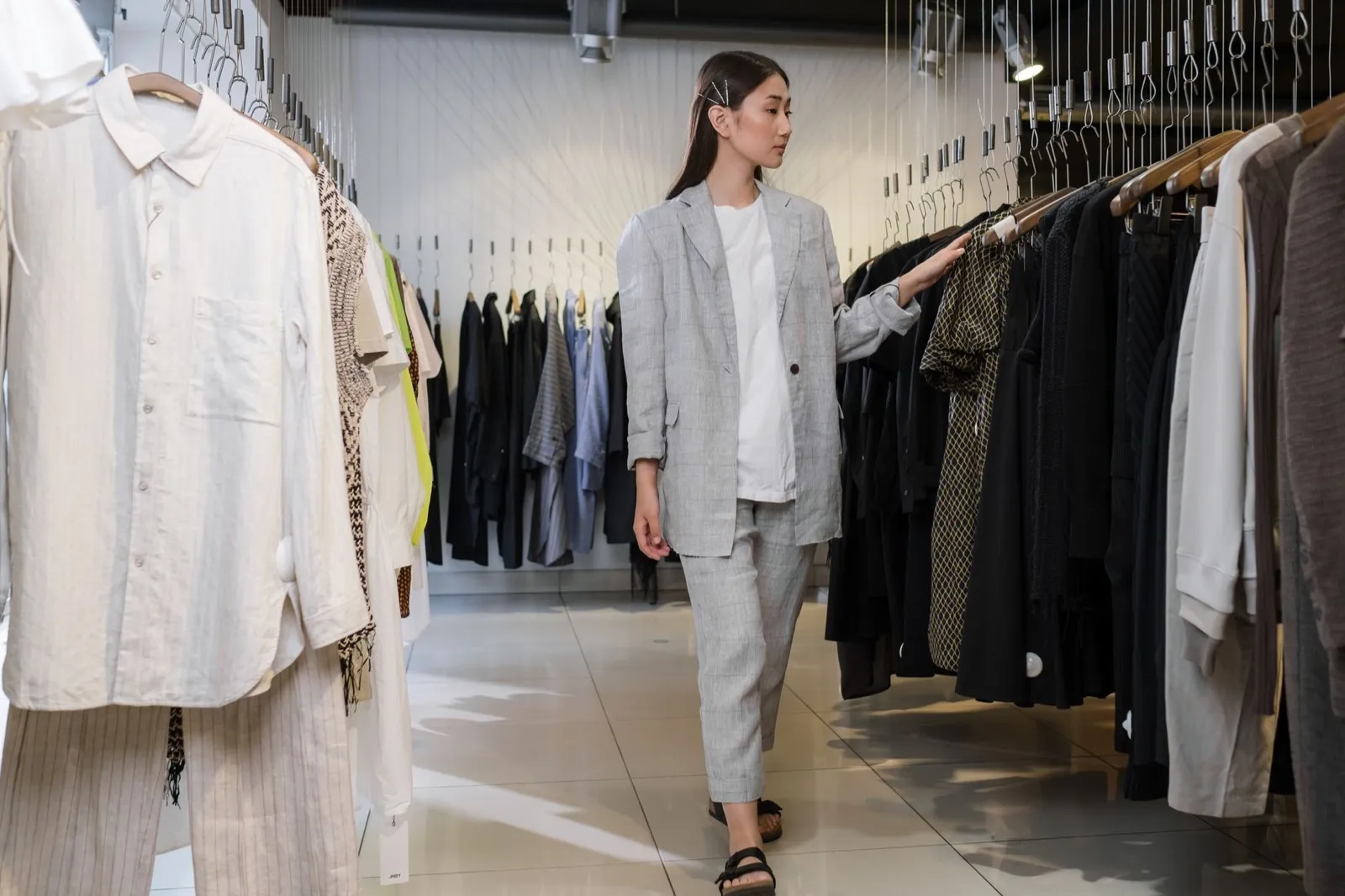
Image Credit: Pexels / Ron Lach
How to Wear Fashion Trends Without Looking Like You’re Trying Too Hard
The easiest way to wear fashion trends without feeling overdone is to treat them as additions to your personal style, rather than instructions for replacing it. Pick one idea you genuinely like, combine it with familiar clothes and leave the rest alone.
A trend can be as small as a colour, shoe shape, accessory or new way of styling something you already own. You do not need the complete look for it to work.
In fact, outfits often feel most natural when the trend is only one part of the story.
Start with your own wardrobe, not the trend
Before deciding how to wear a trend, think about how you normally dress.
Perhaps you live in jeans, shirts and trainers. Maybe you prefer dresses and boots. Your wardrobe might be mostly neutral, very colourful, tailored, relaxed, romantic or a mixture that changes from day to day.
That existing style gives you a useful foundation.
Instead of asking, “How do I dress like this trend?”, try asking, “How would I wear this trend?”
The difference is small but useful.
If bright red is having a fashion moment and you usually wear simple neutral outfits, you might add a red cardigan or bag rather than building an entirely red outfit.
If romantic blouses appeal to you but your wardrobe is casual, wear one with your usual jeans.
If wide trousers catch your eye, pair them with the knit, T-shirt or jacket you already reach for regularly.
The trend becomes part of your wardrobe instead of making your wardrobe feel like somebody else’s.
Try one trend at a time
Wearing several recognisable trends in one outfit can be fun if maximal styling is naturally your thing. But if you are worried about looking as though you tried too hard, one trend is a useful starting point.
Keep most of the outfit familiar and change one element.
For example:
- Straight jeans + white shirt + a trend-led shoe
- Simple dress + statement jewellery
- Black trousers + knit + colourful bag
- Jeans + T-shirt + an interesting jacket
- Familiar skirt + a newer blouse silhouette
This also gives you a better sense of whether you actually like a trend.
Something can look wonderful in photographs and still feel completely wrong once you wear it for an ordinary Tuesday. That is useful information. You do not need to persuade yourself to like something simply because it is current.
Borrow the detail rather than the whole look
Fashion trends are often presented as complete outfits, but you can separate them into smaller ideas.
Imagine a runway look featuring oversized tailoring, a bright colour, pointed shoes and layers of jewellery.
You do not have to recreate all four elements.
Perhaps the part you like is the roomy blazer. Or the colour combination. Or the jewellery.
Take that one detail and use it with clothes that already feel like you.
This approach works particularly well with trends that initially seem difficult to wear. A dramatic silhouette can become a smaller change in proportion. A bold print can become a scarf. A strong colour can appear in a top underneath a neutral jacket.
You are interpreting the idea, not copying the outfit.
Keep something familiar in the outfit
A familiar piece can make an unfamiliar trend much easier to wear.
If you are experimenting with a dramatic skirt, pair it with the simple jumper you wear constantly.
Trying an unusual shoe? Wear it with your favourite jeans.
Interested in a statement jacket? Put it over a straightforward outfit you already know works for your day.
The familiar element gives the outfit continuity with the rest of your wardrobe.
It also makes experimenting less expensive. You are building around clothes you own rather than feeling that one new item requires three more purchases before it becomes wearable.
Choose trends that fit your actual life
A trend can be beautiful and still be completely impractical for your routine.
Think about where you spend your time, how much walking you do, your workplace, climate, transport, social life and what you genuinely find comfortable.
If you walk everywhere, a shoe trend that hurts after ten minutes may not earn much space in your wardrobe.
If you need practical work clothes, perhaps a trending colour, bag shape or trouser silhouette makes more sense than an elaborate statement piece.
If you rarely dress formally, you probably do not need to build your wardrobe around eveningwear simply because you love looking at it.
There is no prize for wearing the most trends. The useful ones are the trends that can comfortably exist in your real life.
Repeat the trend in different ways
Sometimes a new piece feels conspicuous simply because you have only worn it once.
Try styling it several ways before deciding it is too much.
A bright cardigan might work with jeans one day, over a dress another day and with tailored trousers for work.
A statement necklace could sit over a plain T-shirt, a knit or an open shirt.
A fashionable skirt could be worn with trainers, boots or simple flats depending on the rest of your wardrobe.
Repeating a piece also helps it stop feeling like “the trendy thing I bought” and start feeling like one of your clothes.
Use colour to make a trend feel more like you
Colour can completely change how trend-led clothing feels.
If a fashionable silhouette seems too dramatic in a bright shade, you might prefer it in black, navy, brown, cream or another colour you already wear often.
The opposite works too.
If you like classic shapes but want something fresher, colour can provide the change. A familiar cardigan, shirt or dress can feel very different in a shade you do not usually wear.
You do not need to follow seasonal colour rules. Use colours that you enjoy seeing in your wardrobe and wearing together.
Avoid buying the trend and the styling at the same time
One reason trend-led purchases can become difficult to wear is that they are often bought as part of an imagined outfit.
You see a particular skirt styled with a particular jacket, shoe and bag, and suddenly the skirt seems to require all of them.
Before buying something, picture it with at least a few pieces you already own.
What coat would you wear over it?
Which shoes work with it?
Could you wear it casually as well as dressed up?
Does it work with the colours already in your wardrobe?
You do not need a strict mathematical wardrobe formula. This is simply a practical check that the piece can join your existing clothes rather than creating a separate mini wardrobe.
Do not retire something just because the trend changes
Personal style becomes much easier once “out of fashion” stops meaning “unwearable”.
Trends move quickly and often overlap. A silhouette that receives less attention one season can return later, while supposedly dated pieces continue to be worn by people who simply like them.
If you still enjoy an item, keep wearing it.
You can also change its context.
Try an older dress with a different jacket. Wear familiar jeans with a newer shoe shape. Add contemporary accessories to a coat you have owned for years.
A wardrobe does not need to represent one fashion season perfectly. It can contain different periods, influences and versions of your taste.
A simple formula for trying a trend
If you see a trend you like but are unsure how to approach it, use this simple process:
- Identify the exact part you like. Is it the colour, silhouette, fabric, accessory or styling?
- Find the closest pieces in your wardrobe. You may already own something that creates a similar effect.
- Build a familiar outfit first. Start with clothes you regularly wear.
- Change one element. Add the trend without changing everything else.
- Wear it somewhere ordinary. A normal day is often the best test of whether something suits your life.
- Adjust rather than abandon it. Try another shoe, layer or colour combination if the first version feels awkward.
And if you still do not like it, leave it.
Fashion trends are ideas to choose from. The ones worth keeping are the ones that make getting dressed more interesting for you, not the ones you feel obliged to prove you can wear.
Related reading
- Fashion Trends: What’s In, What’s Out & How to Wear It
- Fashion Trends 2026: The Biggest Trends to Know This Year
- Fashion Trends That Are Out in 2026 --- and What’s Replacing Them