Iron, Ferritin and Hair Loss. Could Low Iron Be Causing Your Hair to Thin?
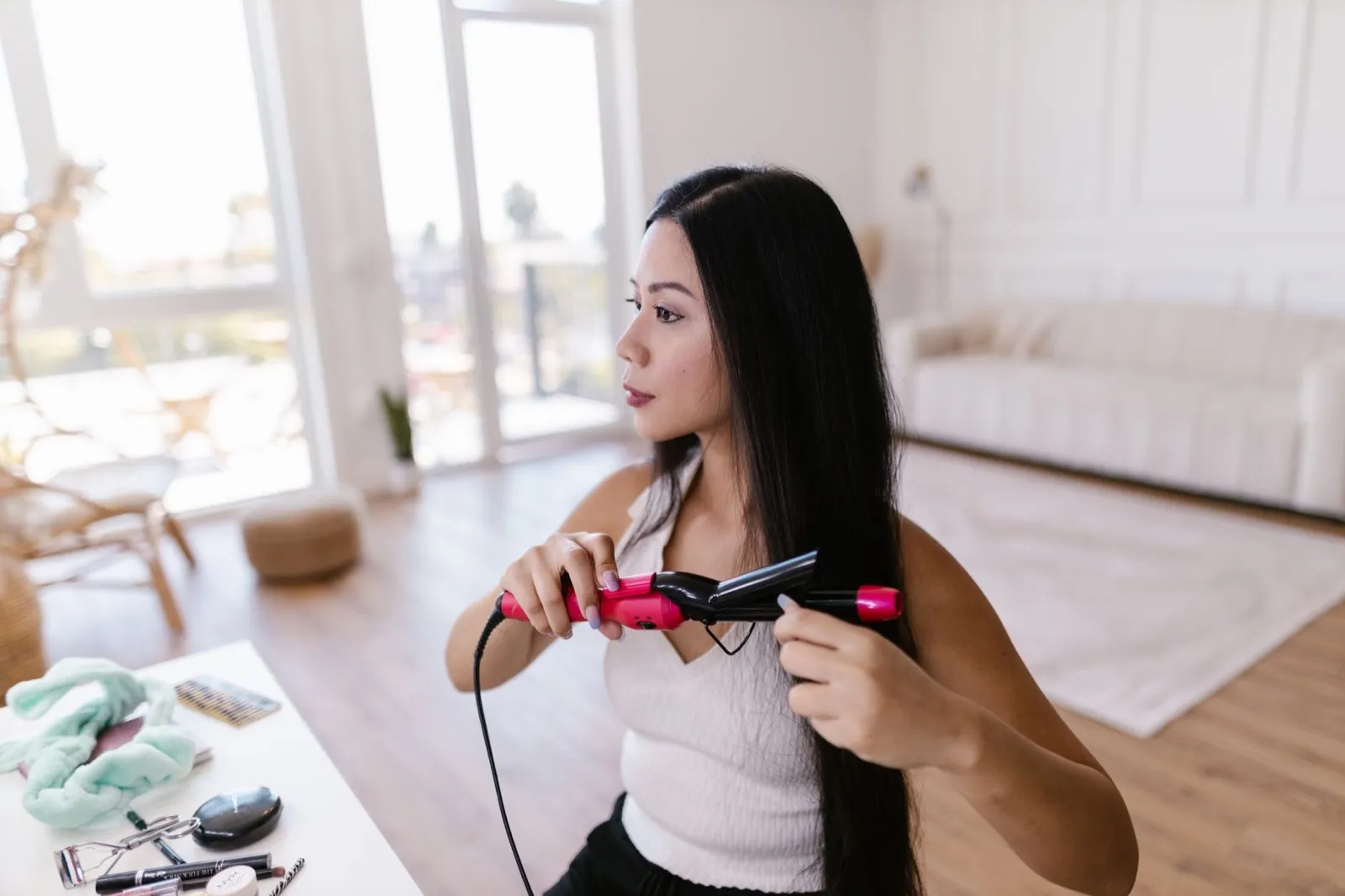
Image Credit: Pexels / RDNE Stock project
Yes, low iron can contribute to hair loss. The NHS lists iron deficiency as one possible cause of temporary hair loss, and iron deficiency anaemia can sometimes cause noticeably more hair to come out during washing or brushing.
But hair thinning does not automatically mean your iron is low. There are many possible causes of hair loss, and a blood test is more useful than trying to diagnose iron deficiency from your hair alone. Ferritin is one of the measurements you may hear about because it reflects the body’s stored iron, but the result needs to be interpreted alongside your wider health and other test results.
The short answer
Iron is essential for normal body function, including making haemoglobin, the protein in red blood cells that carries oxygen. When the body does not have enough iron, iron stores can fall and iron deficiency anaemia may eventually develop.
Hair shedding can be one sign of iron deficiency, although many people with low iron will have other symptoms or no obvious hair changes at all.
Research also suggests a relationship between lower ferritin levels and telogen effluvium, a type of diffuse hair shedding. A 2026 systematic review and meta-analysis found significantly lower serum ferritin levels among people with telogen effluvium compared with controls. The studies varied considerably, however, so this does not give us one universal ferritin number that guarantees hair loss or regrowth.
If you are worried that low iron could be affecting your hair, the sensible next step is to speak to your GP rather than starting high-dose iron on your own.
What does iron have to do with hair?
Iron is a mineral the body needs to produce haemoglobin. Without enough iron, the body cannot make healthy red blood cells as effectively.
Hair follicles are active structures that regularly cycle between growth and rest. Significant changes in the body, including nutritional deficiencies, illness and major stress, can disrupt that cycle.
One possible result is telogen effluvium, where more hairs than usual move into the resting and shedding stage.
The British Association of Dermatologists lists iron deficiency among the possible underlying causes that may need to be excluded when someone has telogen effluvium. It also notes that the condition can recur if an underlying cause such as iron deficiency is not treated.
This does not mean every case of telogen effluvium is caused by iron. Childbirth, illness, major stress, surgery, significant weight loss, extreme dieting, medicines and hormonal changes are among other recognised triggers.
What is ferritin?
Ferritin is a protein that stores iron.
A serum ferritin blood test measures ferritin circulating in your blood and can help healthcare professionals assess your body’s iron stores.
This is why ferritin comes up so often in conversations about hair loss. Someone can be interested in their ferritin even when they are really asking a broader question: “Do I have enough stored iron?”
Ferritin is useful, but it is not a perfect standalone measure in every situation. Levels can be influenced by factors including inflammation, illness and some medical conditions. Healthcare professionals may therefore interpret ferritin alongside a full blood count and, where appropriate, other measures of iron status.
There is no need to interpret a ferritin result from a hair-loss forum or somebody else’s target number. Your own result needs clinical context.
Can you have low iron without being anaemic?
Yes.
Iron deficiency and iron deficiency anaemia are related but not identical. Iron stores can become depleted before haemoglobin falls enough for someone to be classified as anaemic.
This helps explain why looking only at whether you have “anaemia” does not always tell the full story about iron status.
At the same time, not every low or borderline ferritin result is the explanation for someone’s hair loss. Hair thinning can have more than one cause, and two conditions can occur together.
If your GP thinks iron deficiency may be relevant, they can decide which blood tests are appropriate and interpret them together.
What does iron deficiency hair loss look like?
Iron-related shedding is often discussed in connection with telogen effluvium.
The British Association of Dermatologists describes telogen effluvium as increased shedding from all over the scalp. Rather than developing one clear bald patch, you may notice that your overall hair volume has reduced.
You might first become aware of:
- more hair than usual in the shower or bath
- more hair on your brush or comb
- hairs appearing around the house or on your pillow
- a ponytail that feels less full
- more scalp becoming visible because overall density has reduced
These signs are not specific to iron deficiency. Other causes of telogen effluvium can produce a very similar pattern, and female pattern hair loss can sometimes occur at the same time.
That is why appearance alone cannot tell you whether ferritin is low.
Can low ferritin cause hair loss even if you feel well?
Potentially, but hair loss by itself cannot confirm that this is happening.
Some people with depleted iron stores may have few obvious symptoms. Others develop symptoms associated with iron deficiency anaemia, such as tiredness, shortness of breath, palpitations, headaches or paler skin.
The NHS also lists hair loss as a less common symptom of iron deficiency anaemia.
Feeling energetic therefore does not prove that your iron status is normal, just as feeling tired does not prove that you are iron deficient.
If there is a reason to suspect low iron, testing is more reliable than judging it from symptoms.
What ferritin level causes hair loss?
There is no universally agreed ferritin threshold at which hair starts falling out.
This is one of the most confusing parts of researching ferritin online because you may see very specific claims such as “your ferritin must be above X for hair growth”. Those numbers are often presented with far more certainty than the research supports.
Studies have found associations between lower ferritin and some types of diffuse hair loss, but results across studies are not completely consistent. A 2026 systematic review found lower ferritin in telogen effluvium overall, while also reporting substantial variation between the included studies.
A laboratory’s reference range is also not the same thing as a scientifically established “ideal hair-growth level”.
Your GP can interpret your result in relation to your haemoglobin, symptoms, medical history and other relevant tests. Avoid taking iron simply to chase a ferritin number you have seen online.
Why might your iron be low?
Low iron can happen for several reasons.
The NHS notes that iron deficiency anaemia is commonly caused by blood loss or pregnancy. Heavy periods are a common cause in people who menstruate. Bleeding from the stomach or intestines can also cause iron deficiency.
Diet can contribute in some circumstances, particularly if iron intake is low or nutritional needs are not being met. Some gastrointestinal conditions can also affect absorption.
The cause matters because simply taking a supplement does not necessarily address why iron became low.
For example, if heavy menstrual bleeding is repeatedly depleting your iron stores, treating the deficiency without discussing the bleeding may mean the same problem returns.
If blood tests show iron deficiency, your healthcare professional may ask questions or recommend further investigation to understand the reason.
Are heavy periods linked to low iron and hair loss?
Heavy menstrual bleeding can lead to iron deficiency because blood contains iron.
The NHS lists heavy periods as a common cause of iron deficiency anaemia. If you regularly lose a large amount of blood during your period, your body may struggle to replace the iron being lost.
Hair shedding can then be one of several possible symptoms associated with iron deficiency.
If your periods are very heavy and you are also experiencing fatigue, breathlessness, palpitations or increased hair shedding, mention the whole picture to your GP. The bleeding itself may deserve assessment as well as your iron status.
Can dieting or weight loss affect iron and hair?
Yes, although iron is only part of the picture.
The British Association of Dermatologists lists marked weight loss and extreme dieting among triggers for telogen effluvium. The NHS also lists weight loss as a possible cause of temporary hair loss.
A restrictive diet may provide too little energy, protein, iron or other nutrients, depending on what has been removed and how much you are eating.
Hair shedding after substantial weight loss therefore cannot automatically be labelled “low iron”. It may involve several nutritional or physiological factors.
If you have been restricting food, have lost a significant amount of weight or are concerned that your diet is not meeting your nutritional needs, discuss this with a GP or registered dietitian rather than trying to cover every possible gap with hair supplements.
Can vegetarians and vegans get enough iron?
Yes, but the type of iron in plant foods is absorbed differently from the iron found in animal foods.
Plant sources of iron include pulses such as lentils and beans, fortified cereals, nuts, seeds and some green vegetables. A varied vegetarian or vegan diet can provide iron, but individual needs and absorption vary.
If you eat a plant-based diet, hair loss does not automatically mean your diet is inadequate.
There are many possible causes of shedding. If you are concerned about iron, especially if you also have heavy periods or other risk factors, testing can clarify the situation much more effectively than guessing.
Should you take an iron supplement for hair loss?
Not unless there is a good reason to think you need one.
If iron deficiency is confirmed, your GP may recommend treatment. The NHS explains that iron deficiency anaemia is commonly treated with iron tablets, while also addressing the underlying cause where possible.
That is different from taking iron as a general hair-growth supplement.
Iron can cause side effects, and taking more than you need can be harmful. The correct treatment depends on your individual circumstances, so this is not a supplement where “just in case” is a particularly sensible approach.
If you already take a multivitamin or hair supplement, check whether it contains iron before adding anything else.
Will hair grow back after iron deficiency is treated?
Hair shedding caused by telogen effluvium can recover once the underlying trigger has been addressed, but the change is gradual.
The British Association of Dermatologists explains that telogen effluvium usually gets better without a specific hair treatment. The shedding phase commonly lasts around three to six months, after which new hair begins to grow. It can take many additional months for overall volume and thickness to return.
If iron deficiency was the trigger, correcting it addresses an underlying factor. It does not mean you should expect visible regrowth immediately after starting treatment.
Hair grows slowly, and the follicle cycle needs time to reset.
If hair loss continues despite correction of an identified deficiency, your GP may consider whether another cause is also present.
Can low iron and female pattern hair loss happen together?
Yes.
Hair loss does not always have one neat explanation. The British Association of Dermatologists notes that telogen effluvium and androgenetic alopecia, which includes female pattern hair loss, can occur at the same time.
That can make the pattern confusing.
Telogen effluvium tends to cause increased shedding across the scalp, while female pattern hair loss more commonly produces gradual thinning, often with increased visibility of the scalp over the top of the head and widening of the central parting.
A period of heavy shedding can also make previously subtle pattern hair loss more noticeable.
If your hair has not regained its previous density after the shedding settles, or your parting continues to widen, professional assessment can help distinguish between possibilities.
What blood tests might be considered for hair loss?
There is no single blood test that diagnoses every type of hair loss.
For suspected telogen effluvium, the British Association of Dermatologists notes that blood tests may be carried out to exclude possible causes including iron deficiency and thyroid conditions.
If iron status is being investigated, tests may include a full blood count and ferritin. Depending on your circumstances, a clinician may consider other measurements too.
Which tests are useful depends on your history. Someone with heavy periods, fatigue and diffuse shedding may need a different assessment from someone with a slowly widening parting and no other symptoms.
You do not need to arrive at your GP appointment with a self-designed list of dozens of tests. Explaining what has changed, when the shedding started and any other symptoms gives them useful information to work from.
What can you do while waiting for your hair to recover?
If temporary shedding is making your hair feel different, you can keep hair care simple and gentle.
The British Association of Dermatologists suggests avoiding harsh brushing, limiting heated styling tools, avoiding harsh chemical treatments and limiting tight hairstyles during telogen effluvium.
You may also prefer:
- a gentler approach to detangling
- hairstyles that do not pull tightly at the roots
- volumising products if you enjoy the effect
- changing your parting if that makes you feel more comfortable
- taking occasional photographs rather than checking your scalp repeatedly
These steps do not treat iron deficiency. They simply help you care for your hair while the underlying issue is being addressed.
You also do not need to disguise thinning if you do not want to.
When to get professional advice
See a GP if you are worried about hair loss. The NHS recommends finding out what may be causing it before considering a commercial hair clinic.
It is particularly worth seeking advice if:
- your hair is shedding noticeably more than usual
- hair loss is sudden or unexplained
- you have bald patches rather than generalised shedding
- your parting is progressively widening
- you feel unusually tired, breathless or light-headed
- you notice heart palpitations
- your periods are very heavy
- you are pregnant or recently gave birth
- you have lost a significant amount of weight
- you follow a restrictive diet or are worried about your nutritional intake
- you have already been told your iron or ferritin is low
- you are considering taking iron supplements without knowing whether you are deficient
- hair loss is affecting your wellbeing
Seek medical advice promptly if you have concerning symptoms such as significant shortness of breath, chest symptoms, fainting or bleeding that worries you.
If iron deficiency is found, finding the reason matters as well as replacing the iron. Hair can be one clue, but your wider health comes first.
Related reading
- Related reading will be added during editorial review