Newborn Umbilical Cord Care
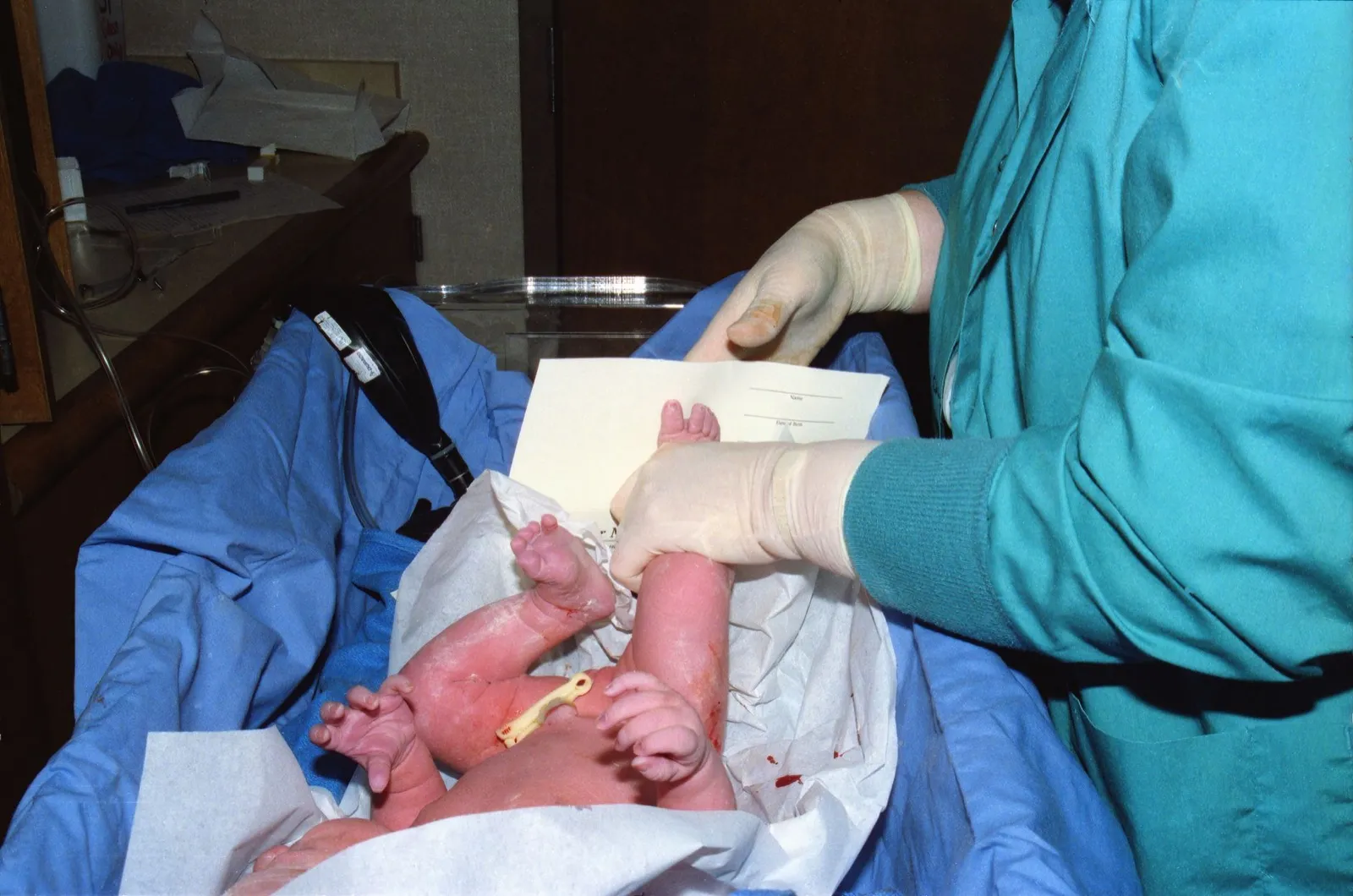
Image Credit: Pexels / Tom Fisk
Looking after your newborn’s umbilical cord stump can feel a little daunting, especially if you are not sure what normal healing is supposed to look like. Fortunately, routine newborn umbilical cord care is usually simple.
The main advice from the NHS is to keep the cord stump clean and dry and allow it to fall off naturally. You generally do not need to clean it routinely. If it becomes dirty with wee or poo, you can gently clean around it with fresh cotton wool and warm water, then pat it dry.
There is no need to pull, pick or hurry the process along. The stump will gradually dry, change appearance and separate by itself.
What is the umbilical cord stump?
During pregnancy, the umbilical cord connects your baby to the placenta. After birth, the cord is clamped and cut, leaving a short stump attached to your baby’s tummy.
This little stump can look unusual if you have never seen one before. As it dries, it shrivels and typically becomes darker before eventually falling away.
NHS guidance says the cord takes about a week to dry out and drop off, although the exact timing can vary between babies. Other NHS maternity guidance notes that separation can take a little longer.
The useful thing to remember is that you do not need to make it come off. Your job is simply to keep the area clean and dry while it heals.
How to care for a newborn’s umbilical cord
Cord care does not need to become another complicated newborn routine.
Keep the stump clean and dry
The NHS advises keeping your baby’s umbilical cord clean and dry until it drops off.
You do not need to wash the stump as part of every nappy change.
If the area becomes dirty with wee or poo, use fresh cotton wool and warm water to gently clean around it. Pat the area dry afterwards with a clean towel.
Wash your hands
Good hand hygiene is sensible whenever you are caring for a newborn.
Wash your hands before and after changing your baby’s nappy and before handling the cord area if you need to clean it.
Let air reach the area
Try to avoid having the nappy constantly rub against or cover the stump.
NHS maternity guidance from University Hospitals Sussex recommends keeping the cord outside the nappy area. Loose clothing can also help prevent unnecessary rubbing.
You do not need to leave your baby undressed to achieve this. The aim is simply to avoid trapping the stump tightly beneath a nappy or clothing.
Leave the stump alone
It can be tempting to touch the stump as it becomes drier, particularly when it looks as though it is hanging on by a tiny piece.
Leave it to separate naturally.
Do not pull the stump off, even if it appears almost ready to come away.
Should you clean the umbilical cord every day?
Routine cleaning is not usually necessary.
NHS bathing guidance says you only need to wash around your baby’s umbilical cord if it becomes dirty with wee or poo.
If that happens:
- Wash your hands.
- Use fresh cotton wool and warm water.
- Gently clean the dirty area.
- Pat it dry carefully.
- Leave the stump to continue drying naturally.
There is no need to scrub the stump.
Some parents worry that doing less means they are neglecting the area, but keeping it clean and dry is the recommended approach.
Should you put anything on the cord stump?
For routine cord care, avoid adding products unless a healthcare professional has specifically advised you to use something.
University Hospitals Sussex NHS guidance says there is no need to use wipes, powders or creams on the cord stump. It recommends tap water for cleaning around the stump when necessary, followed by drying.
Adding creams, powders or other products is not needed for normal healing.
If your midwife, neonatal team or another healthcare professional has given you specific cord-care instructions because of your baby’s circumstances, follow that individual advice instead.
Can you bathe a newborn before the cord falls off?
You can still keep your baby clean while the cord stump is attached.
NHS guidance suggests that newborn babies do not need a bath every day. You may prefer to wash your baby’s face, neck, hands and bottom, which is often called topping and tailing.
If the cord gets dirty while you are washing your baby, gently clean around it with warm water and fresh cotton wool, then pat it dry.
The important part is making sure the stump is clean and dry afterwards.
If your maternity or neonatal team has advised a particular bathing method for your baby, follow their guidance.
What should a healing umbilical cord look like?
The appearance changes as the stump dries.
It may begin looking pale or yellowish and then become darker, brown or black as it dries and shrivels.
This can look more dramatic than you expect, but the drying process itself is normal.
You may also notice a small spot of blood around the time the stump separates. NHS Healthier Together guidance notes that a spot of blood when the cord falls off can be normal.
However, bleeding that concerns you, continues or is more than a small spot should be discussed with your midwife, health visitor or GP.
What happens after the umbilical cord falls off?
Once the stump separates, you will be able to see your baby’s developing belly button underneath.
Try not to pick at the area or remove anything that is still attached. Continue to keep it clean and dry while it finishes healing.
A small amount of stickiness around the time of separation can occur, but persistent discharge, an unpleasant smell, redness, swelling or bleeding should be checked.
If you are unsure whether what you are seeing is normal, you do not need to work it out alone. Your midwife or health visitor is used to looking at healing umbilical cords and can advise you.
Signs the umbilical cord may need checking
Most cord stumps heal without a problem, but newborn infections can become serious, so changes that suggest infection should not be ignored.
Seek professional advice if you notice:
- redness spreading around the belly button
- swelling around the cord or tummy button
- warmth or tenderness around the area
- an unpleasant or unusual smell
- yellow or green discharge
- bleeding that concerns you
- your baby seems unwell, unusually sleepy, floppy or less responsive
- your baby is feeding less well than usual
NHS guidance specifically advises contacting a midwife, health visitor or GP if there is bleeding or discharge from the cord. NHS Healthier Together also advises seeking medical advice for signs such as swelling, heat, redness and smelly discharge.
With a newborn, it is always reasonable to ask for advice if something does not look right to you.
What not to do with the umbilical cord stump
A short list can make cord care easier to remember.
Avoid:
- pulling the stump off
- picking at it as it dries
- routinely scrubbing or cleaning it when it is not dirty
- applying powders, creams or wipes unless specifically advised
- letting a wet or dirty nappy sit against the stump
- ignoring redness, swelling, discharge, an unpleasant smell or concerning bleeding
Simple care is usually enough.
Keep the stump clean, keep it dry and give it time to separate naturally.
When to get professional advice
Tell your midwife, health visitor or GP if you notice bleeding or discharge from your baby’s umbilical cord. You should also seek advice if the skin around the belly button becomes red, swollen, hot or tender, or if there is an unpleasant smell or coloured discharge.
Contact a healthcare professional promptly if your newborn seems unwell, becomes unusually sleepy or difficult to wake, appears floppy, is not feeding normally or you notice another change that worries you.
If your baby has been born prematurely, is receiving neonatal care or has been given individual cord-care instructions, follow the advice from their healthcare team rather than general guidance.
You know what is usual for your baby as you get to know them. If something feels wrong, asking your midwife, health visitor or GP to check is always appropriate.