Pregnancy Food & Drink
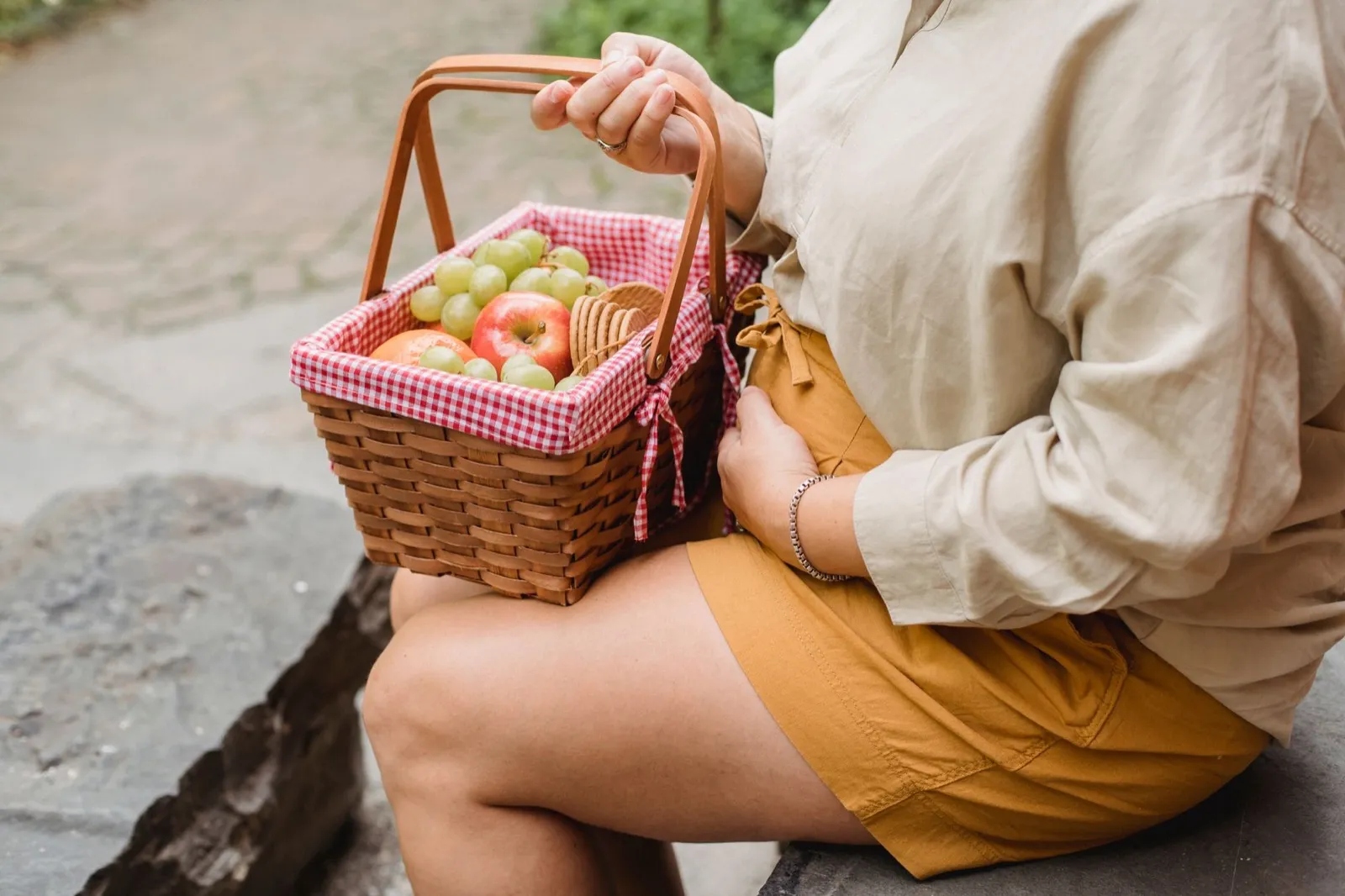
Image Credit: Pexels / Amina Filkins
Pregnancy can make an ordinary trip to the supermarket feel surprisingly complicated. Foods you have eaten for years suddenly come with questions about pasteurisation, cooking temperatures, caffeine, mercury or whether a particular cheese is allowed.
The reassuring part is that most foods and drinks are still suitable during pregnancy. You do not need a special pregnancy diet. The NHS recommends a healthy, varied diet, with a few specific foods avoided or prepared differently because they can carry risks such as listeria, toxoplasmosis, food poisoning, excess vitamin A or certain contaminants.
This guide brings the main UK recommendations together so you can understand what to eat during pregnancy, what to limit and what is best avoided.
What should you eat during pregnancy?
A healthy pregnancy diet is largely built from familiar everyday foods.
The NHS recommends eating a balance of fruit and vegetables, starchy carbohydrates, protein foods and dairy or suitable alternatives. There is no need to buy specialist foods simply because you are pregnant.
Fruit and vegetables provide vitamins, minerals and fibre. The NHS recommends aiming for at least five portions a day. Fresh, frozen, canned and dried options can all contribute. Fruit, vegetables and salad ingredients should be washed thoroughly before eating.
Starchy foods such as potatoes, bread, rice, pasta, noodles and breakfast cereals provide energy as well as nutrients and fibre. Wholegrain or higher-fibre versions can be useful choices where they suit you.
Protein can come from foods including meat, fish, eggs, beans, pulses and nuts. If you follow a vegetarian, vegan or otherwise restricted diet, your midwife or another healthcare professional can help you check that you are getting the nutrients you need.
Milk, yoghurt and cheese provide calcium and other nutrients. Unsweetened, calcium-fortified dairy alternatives can also be used if you do not have dairy.
Pregnancy appetite and food preferences can change considerably. Nausea, vomiting, heartburn, cravings and food aversions may all affect what feels manageable at different times. Eating well does not have to mean eating perfectly at every meal.
Which foods should you avoid during pregnancy?
Most foods are safe, but current NHS guidance identifies several that should be avoided.
Raw or undercooked meat
Avoid raw or undercooked meat. Chicken, pork, turkey, duck, minced meat, burgers and sausages should be thoroughly cooked, with no pink meat or blood remaining.
Raw and undercooked meat can carry a risk of toxoplasmosis. The NHS also advises avoiding game meats such as venison, pheasant, partridge and goose because they may contain lead.
Cold cured meats such as salami, pepperoni, chorizo and prosciutto should be cooked until steaming hot before eating.
Liver and liver products
Avoid liver and foods containing liver during pregnancy.
Liver contains high levels of vitamin A. Too much vitamin A can be harmful to a developing baby. The NHS also advises avoiding cod liver oil and supplements containing vitamin A in the form of retinol.
Certain dairy products and cheeses
Unpasteurised milk, cream, yoghurt, butter and ice cream should be avoided because of the risk of listeria.
Some soft cheeses need additional care. Mould-ripened soft cheeses such as brie and camembert, and soft blue cheeses such as gorgonzola and roquefort, should be thoroughly cooked before eating.
Many other cheeses are suitable, including hard cheeses and pasteurised cheeses such as mozzarella, feta, halloumi, cottage cheese, cream cheese, ricotta and mascarpone.
Checking the label is useful if you are unsure.
Raw fish and shellfish
Current NHS guidance advises avoiding raw fish, sushi made with raw fish and raw shellfish during pregnancy.
Cooked fish and cooked shellfish, including prawns, crab, lobster, mussels, scallops, clams and squid, can be eaten.
Cold-smoked and cured fish, such as smoked salmon, should be cooked until steaming hot.
Shark, swordfish and marlin
Avoid shark, swordfish and marlin during pregnancy.
The NHS also places limits on tuna and oily fish because these can contain mercury or other pollutants. You should have no more than four cans of tuna or two tuna steaks a week, and no more than two portions of oily fish a week.
Can you eat eggs during pregnancy?
Yes, but the advice depends on the type of egg.
Hen eggs carrying the British Lion stamp, or produced under the Laid in Britain scheme, can be eaten raw, partially cooked or fully cooked, provided they are within their use-by date.
Hen eggs that do not meet either of these standards should be thoroughly cooked.
Duck, goose and quail eggs should also be well cooked.
The distinction matters because British Lion eggs and eggs produced under the Laid in Britain scheme have a very low risk of salmonella.
What about ready-to-eat foods?
Some ready-to-eat foods require a little more care because of the possibility of listeria.
The NHS advises keeping pre-packaged sandwiches and salads chilled and eating them before their use-by date. The same applies to products such as cold pre-cooked meats and some ready-to-eat foods containing cheese, eggs, meat or seafood.
Cold pre-cooked prawns should be reheated until steaming hot.
Food does not have to be homemade throughout pregnancy. Paying attention to refrigeration, storage instructions and use-by dates can make convenience foods easier to navigate safely.
How much caffeine can you have?
The NHS recommends having no more than 200 mg of caffeine a day during pregnancy.
Caffeine is not only found in coffee. Tea, green tea, cola, energy drinks, chocolate, guarana and some supplements can contribute to your daily total.
As a guide, the NHS estimates around:
- 100 mg in a cup of instant coffee
- 75 mg in a cup of black or green tea
- 40 mg in a can of cola
- 80 mg in a 250 ml energy drink
Coffee-shop and filter coffees can contain more caffeine than instant coffee, so portion size and preparation matter.
You do not necessarily need to give up coffee or tea. The important point is to consider caffeine from all sources across the day.
Can you drink herbal tea?
Some herbal teas can be included, but herbal does not automatically mean unrestricted during pregnancy.
There is limited research on many herbal teas. Current NHS advice is to have no more than four cups of herbal tea a day and to avoid herbal teas containing liquorice root.
Green tea contains caffeine, so it also counts towards the recommended 200 mg daily caffeine limit.
Herbal blends can contain several ingredients. If you regularly drink a particular blend or do not recognise an ingredient, check the label and ask your midwife, GP or pharmacist if you are uncertain.
Can you drink alcohol during pregnancy?
Current NHS guidance is to avoid alcohol during pregnancy.
There is no known safe amount of alcohol to drink during pregnancy, and drinking alcohol can affect a baby’s development and cause long-term harm.
If you drank alcohol before realising you were pregnant, you can discuss this with your midwife or GP if you are concerned. If stopping alcohol is difficult, tell a healthcare professional so they can help you access appropriate support.
Food hygiene matters too
Pregnancy food safety is not only about avoiding particular ingredients. How food is prepared and stored matters as well.
Wash fruit, vegetables and salad ingredients thoroughly to remove soil. Keep foods that need refrigeration properly chilled and pay attention to use-by dates.
Cook foods that require thorough cooking properly, particularly meat, poultry, eggs that are not covered by the British Lion or Laid in Britain schemes, and foods that NHS guidance says should be heated until steaming hot.
These habits help reduce exposure to infections and food poisoning.
What about vitamins and supplements?
A varied diet supplies many of the nutrients needed during pregnancy, but official guidance recommends specific supplements.
The NHS recommends folic acid when trying for a baby and during early pregnancy, and vitamin D during pregnancy. Some people need different or additional supplementation based on their individual circumstances, so follow advice from your GP, midwife or another qualified healthcare professional.
Do not take cod liver oil or supplements containing vitamin A, also called retinol, during pregnancy because too much vitamin A can harm a baby’s development.
If blood tests show that you have low iron, your GP or midwife may recommend an iron supplement.
Avoid assuming that a supplement labelled “natural” or marketed for pregnancy is automatically appropriate. A pharmacist or maternity professional can help you check the ingredients.
Do you need to eat for two?
Pregnancy does not mean you need twice as much food.
NHS guidance focuses on eating a healthy, varied diet rather than dramatically increasing portion sizes. Your individual appetite may change, and nausea, sickness or food aversions can affect how and what you eat.
If you are struggling to eat or drink normally, losing weight unexpectedly, or concerned about your nutrition, speak to your midwife or GP rather than putting pressure on yourself to follow a perfect meal plan.
What if you accidentally eat something you were meant to avoid?
Food rules are easy to miss, especially before you know you are pregnant or when guidance has changed.
The NHS says that if you have already had a small amount of something that should be avoided, it is unlikely to affect your baby if you did not become ill.
Speak to your midwife or GP if you are worried or develop symptoms. Knowing exactly what you ate, how it was prepared and when you ate it can help them advise you.
When to get professional advice
Contact your midwife or GP if you are concerned about your diet, supplements, food allergies, restricted diet, persistent difficulty eating or drinking, or a food or drink you have consumed during pregnancy.
The NHS advises contacting NHS 111 if you feel unwell after eating or drinking something that should be avoided in pregnancy, if vomiting and diarrhoea associated with food poisoning continue for more than 48 hours, or if you develop symptoms that could suggest listeriosis or toxoplasmosis.
If you have a medical condition, take regular medication or have been given personalised nutritional advice, follow the guidance from the healthcare professionals responsible for your care rather than making major dietary or supplement changes based on general information.
For a life-threatening emergency, call 999 or go to A&E.
Related reading
- Can you drink alcohol based syrups while pregnant?
- Can you drink alcohol while pregnant?
- Can you drink chamomile while pregnant?