Pregnancy Supplements: Vitamin D
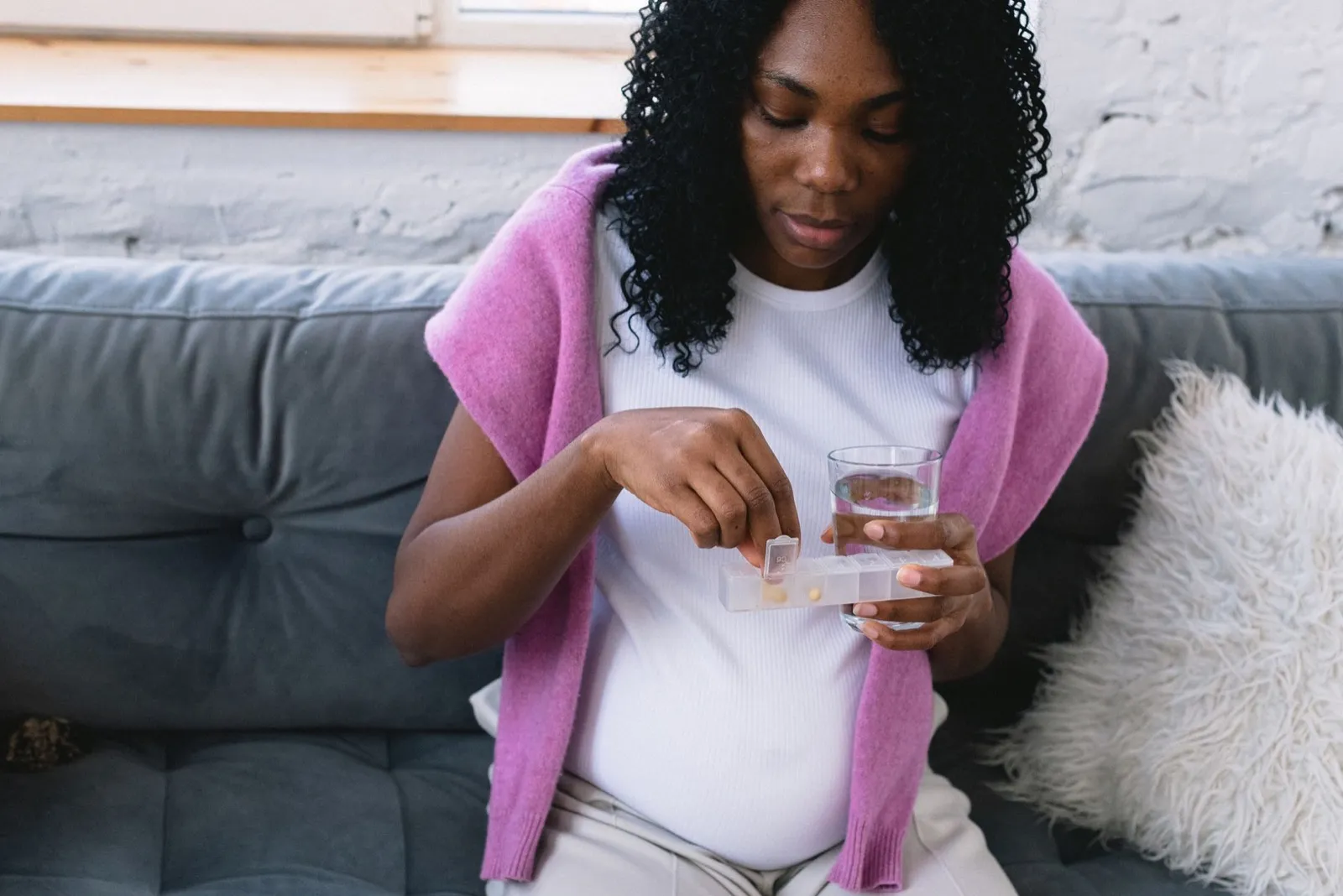
Image Credit: Pexels / SHVETS production
Vitamin D helps support healthy bones, teeth and muscles, and it also contributes to your baby’s bone and tooth development during pregnancy. Current NHS guidance recommends a daily vitamin D supplement during autumn and winter, with some people advised to take one throughout the year.
The standard NHS recommendation is 10 micrograms of vitamin D a day. If you have been diagnosed with vitamin D deficiency or have particular health needs, your doctor or midwife may give you different advice, so it is best not to increase the amount yourself.
Why is vitamin D important during pregnancy?
Vitamin D helps the body regulate calcium and phosphate, nutrients that are needed to keep bones, teeth and muscles healthy.
During pregnancy, vitamin D also supports the development of your baby’s bones and teeth. This is why vitamin D appears in UK guidance on supplements during pregnancy.
Your body can make vitamin D when sunlight reaches your skin, and a small number of foods also contain it. However, sunlight in the UK is not strong enough for the body to make sufficient vitamin D during part of the year.
How much vitamin D is recommended during pregnancy?
The NHS recommends taking 10 micrograms, which is equivalent to 400 IU, of vitamin D every day between early October and late March during pregnancy.
Some people may need to take 10 micrograms throughout the year because they have a greater chance of not making enough vitamin D from sunlight.
The NHS advises taking vitamin D all year if you usually cover most of your skin while outdoors or spend a lot of time indoors. It also advises considering a supplement all year if you have black or brown skin, because skin pigmentation affects how much vitamin D the skin makes from sunlight.
If you are unsure which advice applies to you, your midwife or GP can help.
Do you need vitamin D during summer?
From late March or early April until the end of September, most people in the UK can make the vitamin D they need through sunlight on their skin.
That does not mean the same approach is right for everyone. People who have limited sun exposure or who are more likely to have low vitamin D may still be advised to take a supplement throughout the year.
There is no need to deliberately spend long periods in strong sunlight to obtain vitamin D. The NHS advises protecting your skin if you are outside in the sun for long periods to reduce the risk of skin damage and skin cancer.
Which foods contain vitamin D?
Vitamin D is naturally present in a relatively small number of foods.
Sources listed by the NHS include:
- oily fish such as salmon, sardines, trout, herring and mackerel
- egg yolks
- some fortified foods, including certain breakfast cereals and fat spreads
Red meat is another dietary source, although it will not suit everyone.
The NHS notes that cow’s milk in the UK is generally not a good source because it is not usually fortified with vitamin D.
A varied diet can contribute vitamin D, but it can be difficult to obtain enough from food alone, particularly during autumn and winter. This is why supplements form part of UK guidance.
What type of vitamin D supplement should you choose?
Vitamin D may appear on supplement labels in micrograms, often written as mcg or μg, or in international units, written as IU. Ten micrograms of vitamin D is equivalent to 400 IU.
Many pregnancy multivitamins already contain this amount. If you take a prenatal multivitamin, check its label before adding a separate vitamin D product so you know how much you are already getting.
The NHS also advises avoiding supplements containing vitamin A in the form of retinol during pregnancy, including cod liver oil, because too much vitamin A can harm a developing baby.
If you are uncertain about a product, a pharmacist, midwife or GP can check it with you.
Can you take too much vitamin D?
Yes. More is not automatically better with vitamin supplements.
The NHS advises adults, including pregnant people, not to take more than 100 micrograms, or 4,000 IU, of vitamin D a day unless a healthcare professional has advised otherwise. Taking excessive amounts over a long period can cause calcium to build up in the body and may damage the kidneys, heart and bones.
This upper limit is not a target. For most people, the routine supplement recommendation is much lower at 10 micrograms a day during the months when supplementation is advised.
If a doctor has prescribed a different amount because of vitamin D deficiency or another medical reason, follow their individual advice.
What if you have vitamin D deficiency?
Vitamin D deficiency is different from taking a routine supplement to help prevent deficiency.
If blood tests show that you are deficient, a healthcare professional may recommend a different amount of vitamin D. NHS guidance confirms that colecalciferol, a form of vitamin D, can be used during pregnancy and that people diagnosed with deficiency may be offered a higher dose by their doctor or midwife.
Treatment should be based on your individual circumstances. Do not use general pregnancy supplement guidance to choose a treatment dose for a diagnosed deficiency.
Your healthcare team may also decide that additional blood tests are appropriate.
Who may be more likely to have low vitamin D?
Vitamin D levels are influenced by several factors, particularly how much vitamin D your skin can make from sunlight.
NHS guidance highlights people who spend a lot of time indoors, usually cover most of their skin outdoors, or have black or brown skin as groups who may need vitamin D supplementation throughout the year.
If you think you may not get enough vitamin D, mention it to your midwife or GP. They can consider your circumstances rather than relying on a general checklist.
Can you get vitamin D through Healthy Start?
Some people can receive free vitamins through the NHS Healthy Start scheme.
Healthy Start vitamins for pregnant people include vitamin D, as well as folic acid and vitamin C. Eligibility depends on individual circumstances.
If you think you may qualify, you can check the current Healthy Start criteria through the NHS.
When to get professional advice
Speak to your midwife, GP or pharmacist if you are unsure how much vitamin D you should take, particularly if you already use a pregnancy multivitamin or another supplement containing vitamin D.
Ask your GP or midwife for individual advice if you think you may be at greater risk of vitamin D deficiency, have previously been diagnosed with deficiency, have a medical condition that affects vitamin D or calcium, or have been told to take a different amount.
If blood tests show vitamin D deficiency during pregnancy, treatment may involve a higher dose than routine supplementation. This should be guided by a healthcare professional rather than started independently.
If you have accidentally taken more vitamin D than recommended or are concerned about the amount you have been taking, contact a pharmacist, GP or NHS 111 for advice. For severe or life-threatening symptoms, call 999 or seek emergency medical care.