PREPARING FOR A BABY
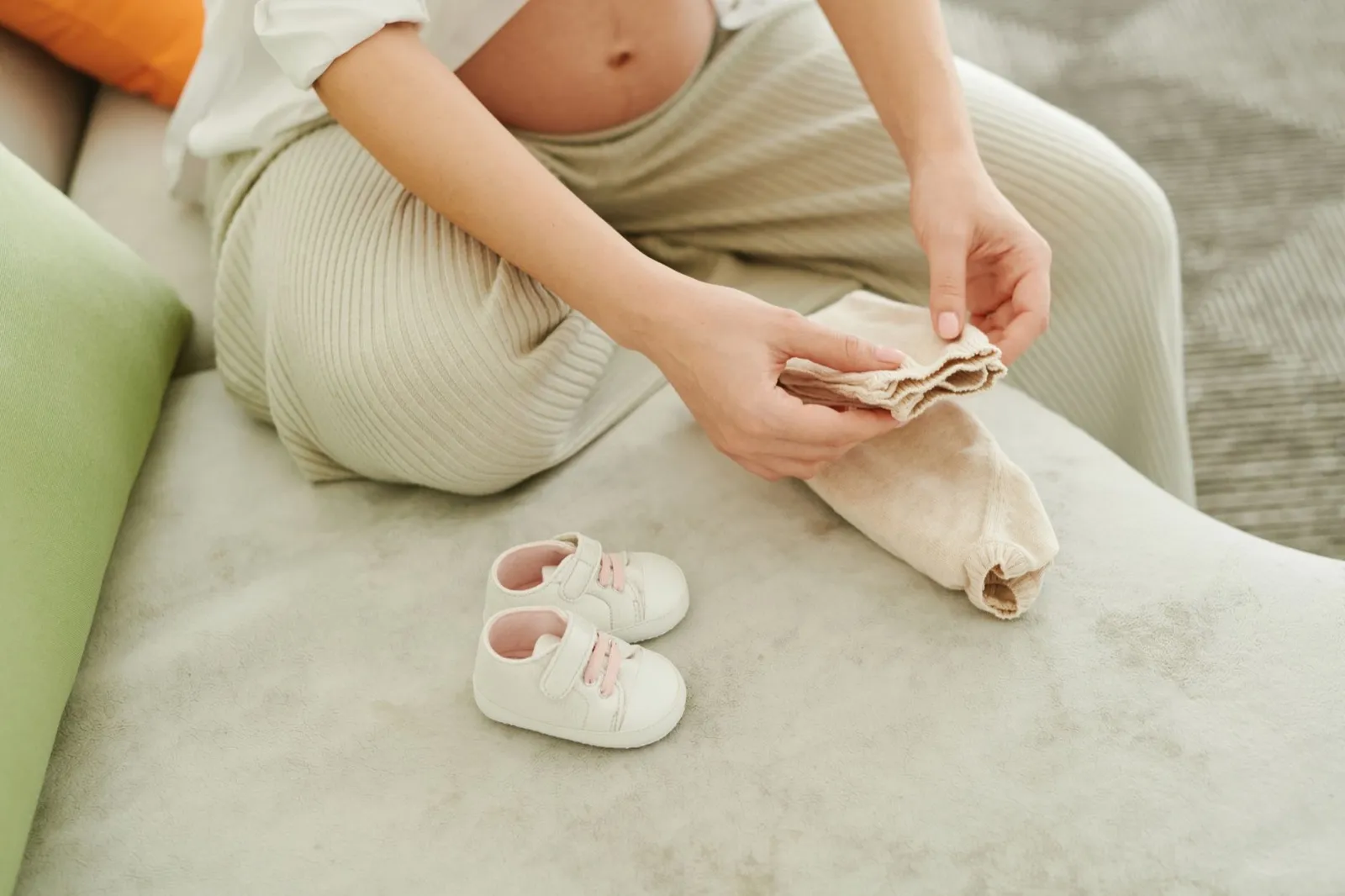
Image Credit: Pexels / Matilda Wormwood
Preparing for a baby can make even a short to-do list feel enormous. There are clothes to buy, a hospital bag to pack, somewhere for your baby to sleep and dozens of products competing for a place in your home.
The good news is that you do not need everything before your baby arrives. The most useful preparation is much simpler: get the genuine newborn essentials ready, create a safer sleep space, think through feeding and travel, pack for the birth and make the first few weeks at home easier for yourself.
You can buy or organise the rest later, once you know what your baby and your family actually need.
Start with the newborn essentials
It is surprisingly easy to spend a lot of money preparing for a baby. Shops and social media can make almost every product look essential, but the NHS advises starting with the basics and adding other items as you need them.
For changing, that means having nappies, cotton wool or suitable gentle wipes, a changing mat or towel and barrier cream available.
For clothing, the NHS newborn checklist includes sleepsuits or babygrows, vests or bodysuits, cardigans and suitable hats or warmer clothing depending on the weather. You do not necessarily need drawers full of one size. Babies grow at different rates, so starting with a manageable amount and buying more later can be more practical.
You will also want some muslin squares, towels and a bag for carrying nappies and other essentials when you leave the house.
Try separating your shopping list into three categories:
- things you need before the birth
- things that would be useful but can wait
- things you will only buy if you discover you need them
This makes it much easier to distinguish genuine preparation from products that simply look appealing.
Prepare a safer place for your baby to sleep
Your baby’s sleep space is one area worth organising carefully before the birth.
NHS safer sleep guidance says that the safest place for a baby to sleep during the first six months is in a cot, on their back, in the same room as you. The NHS also lists a cot or Moses basket as an appropriate sleep space and recommends a firm, flat and waterproof mattress.
The sleep space should be kept clear of things that could cover your baby’s mouth or nose or make them too hot. The NHS advises against cot bumpers, pillows and loose bedding.
That means you do not need an elaborate sleep setup.
Focus on:
- a suitable cot or Moses basket
- a firm, flat mattress
- a waterproof mattress cover if appropriate for your setup
- fitted sheets
- appropriate bedding or a correctly fitting baby sleeping bag
- a clear sleep space without unnecessary soft items
If you are decorating a nursery, remember that your baby does not need to sleep there immediately. You can prepare it for clothes, changing supplies and later use, but a safer sleep space in the room where you sleep is the priority during the early months.
Think about feeding without expecting everything to go to plan
You may already have a clear idea about how you hope to feed your baby. You may plan to breastfeed, formula feed, combination feed or decide after your baby is born.
Preparing can be useful, but you do not need to predict exactly how feeding will work before you have met your baby.
If you are planning to breastfeed, the NHS newborn shopping guidance lists items such as nursing bras, breast pads, nipple cream, a breast pump and muslin squares. You may find some of these useful, but you do not have to buy every possible feeding accessory in advance.
For formula feeding, the NHS lists bottles with teats and caps, sterilising equipment, bottle and teat brushes, infant formula and muslin squares.
It is also worth finding out what feeding support is available locally. Your midwife or health visitor can help with feeding questions and direct you to appropriate services if you need additional support.
A feeding plan can change. Preparing for that possibility can be kinder to yourself than treating one particular method as the only acceptable outcome.
Choose your baby’s car seat before the birth
If you will be taking your baby home by car, you will need an appropriate car seat.
The NHS recommends buying a baby car seat before your baby is born if possible. The seat should fit your car and be suitable for a newborn. It is also a good idea to practise fitting it before the birth.
Follow the manufacturer’s fitting instructions carefully. If you are unsure which seat is appropriate or how it should be installed, a trained retailer or the manufacturer may be able to help.
If your baby will regularly travel in another car, check that the seat is suitable for that vehicle too.
The NHS advises against buying a second-hand car seat because its history may be unknown and it could have been damaged in an accident or be missing parts or instructions. A seat passed on by friends or family should only be accepted if you know its history, it is not too old and it comes with its instructions.
Pack your hospital bag
Packing your hospital bag is one of the easiest jobs to complete in advance.
The NHS suggests having it packed at least three weeks before your due date. Your maternity unit may also provide its own list, so check whether there are any local recommendations.
For your baby, useful items include:
- bodysuits, vests and sleepsuits
- nappies
- cotton wool or wipes
- muslin squares
- a going-home outfit
- weather-appropriate clothing
- a blanket or shawl
- a car seat if you will be travelling home by car
You will need things for yourself too. The NHS hospital bag checklist includes your maternity notes, comfortable clothing, maternity pads, toiletries, any medicines you take, snacks, drinks, a water bottle, your phone and a charger.
If you have a birth partner, they may want to pack a small bag with their own clothes, toiletries, medicines, snacks and charger.
Once the bags are ready, keep them somewhere easy to find. It is a small job, but one you will probably be pleased not to think about later.
Make your home practical rather than perfect
A new baby does not require an immaculate home.
Instead of trying to finish every decorating job or organise every cupboard, think about what will make ordinary life easier during the first days and weeks.
You could prepare or freeze some simple meals, stock up on household basics and put everyday baby supplies where you are most likely to use them.
A small changing basket with nappies, wipes or cotton wool, muslins and spare clothes can be useful in the rooms where you spend most of your time. If you live across more than one floor, keeping a few supplies upstairs and downstairs may save repeated trips.
Think about your comfort too.
Keep water, snacks and a phone charger near a comfortable place where you might feed or hold your baby. Make frequently used household items easy to reach. If somebody offers to cook, shop or help with laundry, consider accepting the practical support rather than feeling you should manage everything yourself.
Preparing your home should make life easier, not give you another standard to meet.
Prepare your support network
It is easy to focus entirely on what the baby will need and forget that the adults caring for them will need support too.
Before the birth, think about who you could realistically call for help.
One person might be able to bring groceries. Another could walk the dog or collect an older child. Someone else might be the person you call when you need company.
If you have a partner, talk about the practical side of the early weeks before the baby arrives. You do not need to create a strict schedule, but discussing meals, household jobs, visitors and how you will ask each other for a break can make expectations clearer.
If family or friends want to visit after the birth, you can decide what feels manageable.
Some parents enjoy having people around immediately. Others prefer a quiet start. You can ask people to message before visiting, keep visits short or wait until you invite them.
You are also allowed to change your mind after your baby arrives.
Sort a few practical details before your due date
A handful of small administrative jobs are worth doing before the birth.
Keep your maternity contact details somewhere easy to access and make sure your partner or support person knows where your maternity notes and hospital bag are kept.
Know how you plan to travel to your place of birth and consider what you would do if your usual transport was unavailable.
If you have other children or pets, arrange who could care for them while you are giving birth.
You may also want to stock up on the ordinary household products you use regularly. Nobody needs to create a six-month supply cupboard, but avoiding an emergency toilet-roll run during your first few days home is a reasonable goal.
What can you buy after the baby arrives?
Quite a lot.
You do not need toys for every developmental stage, a highchair, an enormous collection of clothes or every popular baby gadget before the birth.
Some purchases are actually easier to make later because you will understand your routine better.
You may discover that you love using a baby carrier, or that you rarely reach for it. A particular changing setup may work brilliantly in your home, while another family prefers something completely different.
Starting with the essentials also gives you more freedom to borrow or buy some items second-hand where appropriate.
The NHS says that not everything needs to be new, while specifically recommending a new cot mattress and car seat. For products with a safety function, check current NHS, manufacturer or recognised safety guidance before using something second-hand.
A simple preparing for a baby checklist
If your list has become overwhelming, bring it back to the basics:
- arrange a safer sleep space
- buy a practical amount of newborn clothing
- have nappies and changing supplies ready
- prepare the feeding equipment you expect to need
- choose and practise fitting a suitable car seat if travelling by car
- pack your hospital bag
- organise a few easy meals and household essentials
- arrange care for older children or pets if needed
- save important maternity and healthcare contact details
- talk to your partner or support network about practical help
- leave non-essential purchases until later
There will always be another product you could buy or another task you could add. Being prepared does not mean having every possible situation covered.
It means having the important things ready and knowing where to find help when you need it.
When to get professional advice
If you are unsure about safer sleep, feeding, car-seat use or another aspect of caring for a newborn, use current guidance from recognised health and safety organisations and ask a qualified professional when you need individual advice.
Your midwife and health visitor can help with many questions before and after your baby arrives. Your maternity team can also tell you who to contact if you have concerns during pregnancy or around the birth.
After your baby is born, contact a healthcare professional if you are worried about their health, feeding, breathing, temperature, alertness or behaviour, or if something does not seem right. NHS 111 can provide urgent medical advice in the UK when you are unsure what to do. Call 999 in a life-threatening emergency.
You are not expected to know every answer before your baby arrives. Knowing where to get reliable advice is part of preparing too.
Related reading
- Preparing for a Baby Checklist
- Preparing for a Baby Timeline: What to Do and When
- Newborn Essentials Checklist: Everything You Need Before Baby Arrives