Self-Care Ideas That Don't Cost Any Money
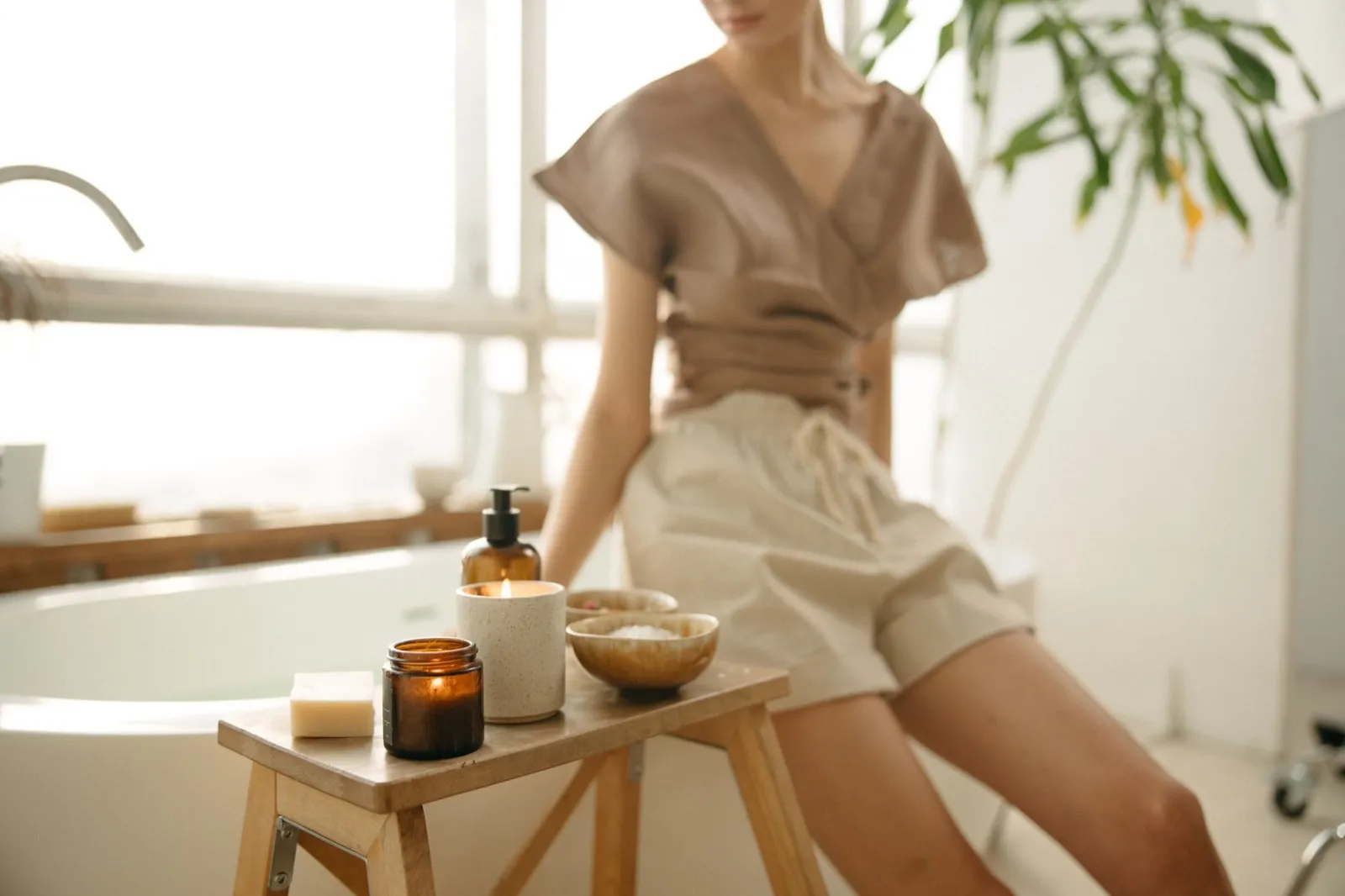
Image Credit: Pexels / Yaroslav Shuraev
Self-care does not need a purchase. Often the most useful forms are free because they involve time, attention, rest and support rather than products. If money is tight, it is especially important that “care” does not become another expectation to spend.
Choose a free idea for the need you have
For a busy mind, write down the next step, take a screen break, or notice five things you can see and hear. For a tense body, walk at your own pace, stretch gently if that feels good, or take a few slower breaths. For loneliness, send a voice note, sit with someone, visit a library or look for a local free group. For boredom, learn something from a library book, podcast or free community class.
The NHS five steps to mental wellbeing provide useful categories: connect with others, be active, learn, give and take notice. You do not need to do them all. Pick the one that feels accessible.
Free ideas at home
- Make the easiest meal available and eat it without multitasking.
- Put on music that changes the feel of the room.
- Have a shower, change clothes or make the bed if that helps you reset.
- Spend ten minutes on a hobby you already own.
- Look through photos that make you feel connected.
- Put your phone in another room for a short while.
- Write a “not for today” list and leave it there.
Free ideas beyond home
Walk in a green space, sit outside with a hot drink from home, borrow a book, use a local library, visit a free museum or gallery, or look at community noticeboards for free activities. If getting out is difficult, a phone call, online peer group or simply looking out of an open window can still be a change of scene.
Care that does not look relaxing
Cancelling an optional plan, setting a boundary, applying for support, sorting one urgent form or asking someone to help can all be care. The value is not in whether it looks soothing. It is in whether it supports you.
Make free care easy to reach
The best free option is often the one that needs the least preparation. Keep a short list somewhere you will see it, with choices for different situations. For example, “window, water, voice note” is a useful low-energy list. “Library, park bench, friend” may suit a day with more room.
Try making a small kit from what you already own: headphones, a book you have not finished, a pen, a warm layer and a bottle of water. It is not a lifestyle project. It simply removes a few decisions when you are tired.
Free care that is practical, not pretty
Some choices are quietly protective even when they do not feel relaxing. Check an urgent letter. Put your next appointment in the calendar. Ask a friend to return a call. Make a simple plan for the morning. Turn down an invitation you do not have the energy for.
The question is not “does this look like self-care?” but “will this reduce a genuine pressure or meet a real need?” Cleaning can count if clearing the kitchen table gives you a place to eat. It does not have to become a whole-house task.
When money is part of the stress
It is hard to relax when you are worried about bills, and a free walk does not erase that. Avoid advice that treats a purchase as a route to wellbeing or makes a limited budget feel like a personal shortcoming. Choose what is available: free community spaces, local libraries, a trusted person, fresh air at a doorway, an easy meal from what is already in the cupboard.
If a practical issue needs attention, one small step can be care too: opening the letter, writing down the number to call, or asking a support organisation what help exists. You do not have to sort it all in one sitting.
A no-cost reset for a difficult afternoon
- Pause long enough to identify the next need.
- Drink or eat something if you can.
- Reduce one source of input: a notification, tab, noise or request.
- Choose one change of scene, even if it is a window or doorway.
- Decide what can wait until tomorrow.
If you have more energy, add connection or movement. The NHS suggests that relationships, activity, learning, giving and noticing the present can support wellbeing. Use those as possibilities rather than jobs to complete.
Common misconceptions
Free self-care is not meant to prove that you should cope alone. Asking for help is free, too, although it can feel difficult. Nor does it have to mean constant positivity. You may still feel worried, disappointed or tired after a pleasant walk. A small pause can be worthwhile without changing everything.
Frequently asked questions
Is rest self-care?
Yes. Rest can mean lying down, doing less, choosing quiet or protecting sleep. If you are withdrawing, sleeping much more than usual or losing interest in life for a sustained period, speak to a GP.
What can I do if I cannot get outside?
Use a window, doorway, balcony or a moment with a plant, music or fresh air. If leaving home is not possible, connection can be a call, message or online community you trust.
Is it still self-care if it is boring?
Often, yes. An easy meal, washing clothes for tomorrow or filling in a form can be useful care when it makes the next day less difficult. Balance practical tasks with rest where you can.
When to get professional advice
Self-care can support you, but it cannot carry everything. Speak to a GP or mental health professional if stress, low mood, anxiety, sleep problems or exhaustion are lasting, worsening or making everyday life hard. If you feel unable to keep yourself safe, call 999 or go to A&E.
Related reading
- How to Create a Balanced Lifestyle When Life Feels Busy
- How to Reset Your Life When You Feel Stuck
- How to Build Healthy Habits That Actually Stick