What herbs should you avoid while pregnant?
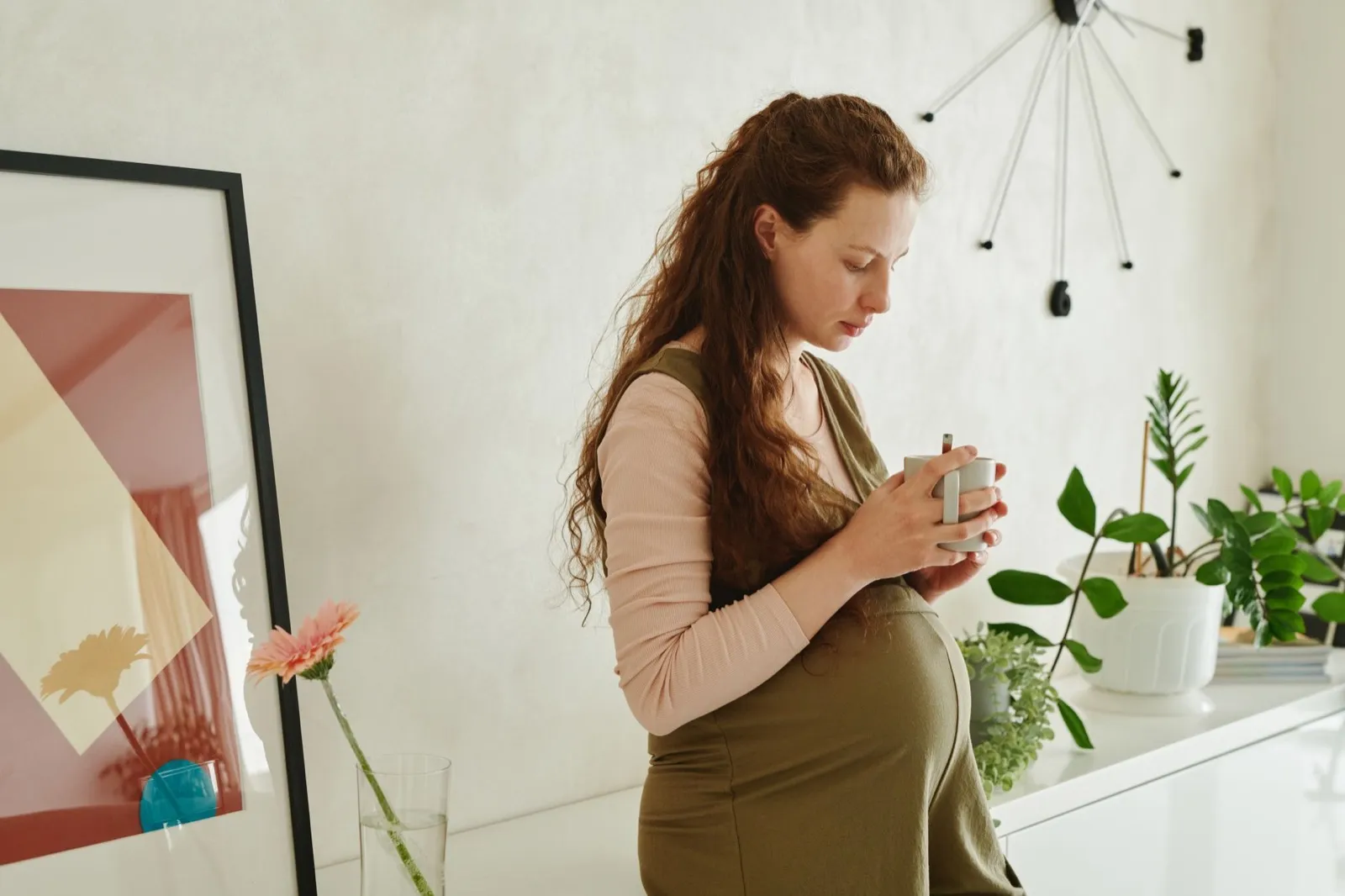
Image Credit: Pexels / Matilda Wormwood
If you are pregnant, the safest approach is not to take herbal medicines or concentrated herbal remedies unless a pharmacist, midwife, GP or another qualified healthcare professional has checked the specific product. Current NHS guidance says herbal medicines should not be taken during pregnancy because there is not enough information about their safety.
There is one particularly clear food and drink recommendation too: the NHS advises avoiding herbal teas containing liquorice root during pregnancy. For other herbal teas, it recommends no more than four cups a day because research on their effects in pregnancy is limited.
That does not mean ordinary culinary herbs need to disappear from your meals. The important distinction is between herbs used in normal amounts as food and concentrated products such as herbal medicines, supplements, extracts, tinctures and some teas.
Why are herbal products treated differently during pregnancy?
“Natural” can sound reassuring, but it does not automatically mean pregnancy-safe.
Herbal medicines contain active substances from plants. The NHS explains that herbal medicines are not tested in the same way as standard medicines, and there may not be enough evidence to establish their safety during pregnancy.
Products can also vary in strength and formulation. A herbal capsule or concentrated extract may expose you to a very different amount of a plant compound than the small quantity of the same herb used to season a meal.
The NHS also warns that some natural remedies may be poor quality or contain other substances that could be harmful.
For that reason, a long internet list of supposedly “safe” and “unsafe” herbs is less useful than checking the exact product you want to use.
Which herbal tea should you avoid during pregnancy?
The NHS specifically advises avoiding herbal teas containing liquorice root during pregnancy because liquorice root may be harmful to a baby’s development.
This is different from liquorice-flavoured sweets. The concern in the NHS herbal tea guidance is liquorice root as an ingredient in tea.
Herbal tea blends can contain several plants, so checking the ingredient list is useful even if the flavour on the front of the box sounds familiar.
For other herbal teas, including peppermint and chamomile, the NHS advises limiting intake to no more than four cups a day. It explains that there is not much research into the effects of herbal teas during pregnancy, so limiting the amount is the safest approach.
Tea blends vary, so if a product contains an unfamiliar herb or is marketed for a medicinal purpose, ask a pharmacist or midwife before using it regularly.
What about herbal medicines and supplements?
Current NHS guidance is more cautious about herbal medicines than about herbs used as ordinary food.
The NHS states that you should not take herbal medicines if you are pregnant. Its pregnancy medicines guidance also advises that not all natural remedies or complementary therapies are safe during pregnancy.
This can include products sold as:
- herbal capsules or tablets
- concentrated plant extracts
- tinctures and drops
- herbal tonics
- medicinal herbal syrups
- traditional herbal remedies
- multi-ingredient botanical supplements
A product being available without a prescription does not establish that it is suitable for pregnancy.
If you are considering one, show the exact packaging or ingredient list to a pharmacist, midwife or GP. This is particularly useful with mixed products because every ingredient needs to be considered.
Are cooking herbs safe during pregnancy?
Using familiar herbs as normal ingredients in food is not the same as taking a concentrated herbal medicine.
The NHS does not advise pregnant people to avoid ordinary culinary herbs as a general category. Its pregnancy food guidance says most fruits and vegetables are safe to eat, provided they are washed thoroughly where appropriate.
The more relevant caution applies when a herb is being consumed in a concentrated or medicinal form.
For example, sprinkling a culinary herb into a meal and taking capsules containing a concentrated extract of that plant are different types of exposure. It is therefore better to check supplements and remedies individually rather than removing normal herbs from your diet without a medical reason.
If you have been given personalised dietary advice because of a health condition, follow the guidance from your maternity or healthcare team.
Does a Traditional Herbal Registration mark mean a product is safe in pregnancy?
Not necessarily.
The NHS advises checking herbal medicines for a Traditional Herbal Registration, or THR, mark because this shows that the product meets certain standards relating to safety and manufacturing.
However, a THR mark does not mean a herbal medicine has been proven safe for pregnancy.
The NHS still advises against taking herbal medicines while pregnant. If you are considering a registered herbal product, pregnancy is a reason to check it with a healthcare professional first.
Avoid buying unlicensed herbal medicines online. The NHS warns that these products may not be safe.
Can herbal remedies interact with medicines?
Yes. Herbal products can interact with conventional medicines.
The NHS notes that some herbal medicines can cause harmful effects when combined with prescribed medicines or can stop medicines working properly.
This is particularly important if you already take regular medication. Tell your GP, midwife and pharmacist about any herbal supplements, remedies or complementary products you use.
Do not stop a prescribed medicine because you want to replace it with a herbal product. NHS pregnancy guidance advises never stopping prescribed medicine without speaking to your doctor first.
What if you took a herbal remedy before knowing you were pregnant?
If you have already used a herbal product, you do not need to work out the possible effects from a generic list online.
Keep the packaging if you still have it. Note the exact product name, ingredients and how you used it, then ask your pharmacist, midwife or GP for advice.
The answer can depend on the particular herb, formulation, strength and amount used. A professional can assess the actual product rather than treating every herbal remedy as though it were the same.
If you take a herbal product regularly for an existing health concern, discuss it with your healthcare team rather than making abrupt changes on your own.
What about herbal products when trying to conceive?
NHS pregnancy medicines guidance advises against taking herbal remedies if you are trying to become pregnant.
If you regularly use herbal medicines, supplements or complementary remedies and are planning a pregnancy, mention them to your GP or pharmacist. This gives you an opportunity to review what you take before pregnancy.
The same applies to prescribed medicines. Do not stop regular medication without discussing it with the clinician responsible for your care.
A simple way to check a herbal product
The number of herbs and mixed formulations available makes a universal list difficult to use safely.
Before taking a herbal remedy during pregnancy, check the full ingredient list and ask a pharmacist, midwife or GP about the exact product. Tell them about any prescribed or over-the-counter medicines and supplements you already take.
For herbal teas, check whether liquorice root appears in the ingredients. NHS guidance says to avoid teas containing liquorice root and limit other herbal teas to no more than four cups per day.
This approach is more reliable than assuming that a product is safe because it is natural, organic, traditional or sold specifically for wellbeing.
When to get professional advice
Speak to a pharmacist, midwife or GP before taking a herbal medicine, supplement, extract, tincture or other concentrated herbal remedy during pregnancy.
Ask for advice if you have already taken a herbal product and are concerned about it. Having the packaging or a photograph of the ingredient list can help the healthcare professional identify exactly what you used.
If you take prescribed medicine, tell your healthcare team about any herbal products you use because interactions are possible. Do not stop prescribed medication without speaking to your doctor.
For symptoms or pregnancy concerns that need medical assessment, contact your maternity unit, GP or NHS 111 as appropriate. Call 999 or go to A&E for a life-threatening emergency.
Related reading
- Can you drink alcohol based syrups while pregnant?
- Can you drink alcohol while pregnant?
- Can you drink chamomile while pregnant?