What Should a Baby Wear to Sleep? Temperature and Clothing Guide
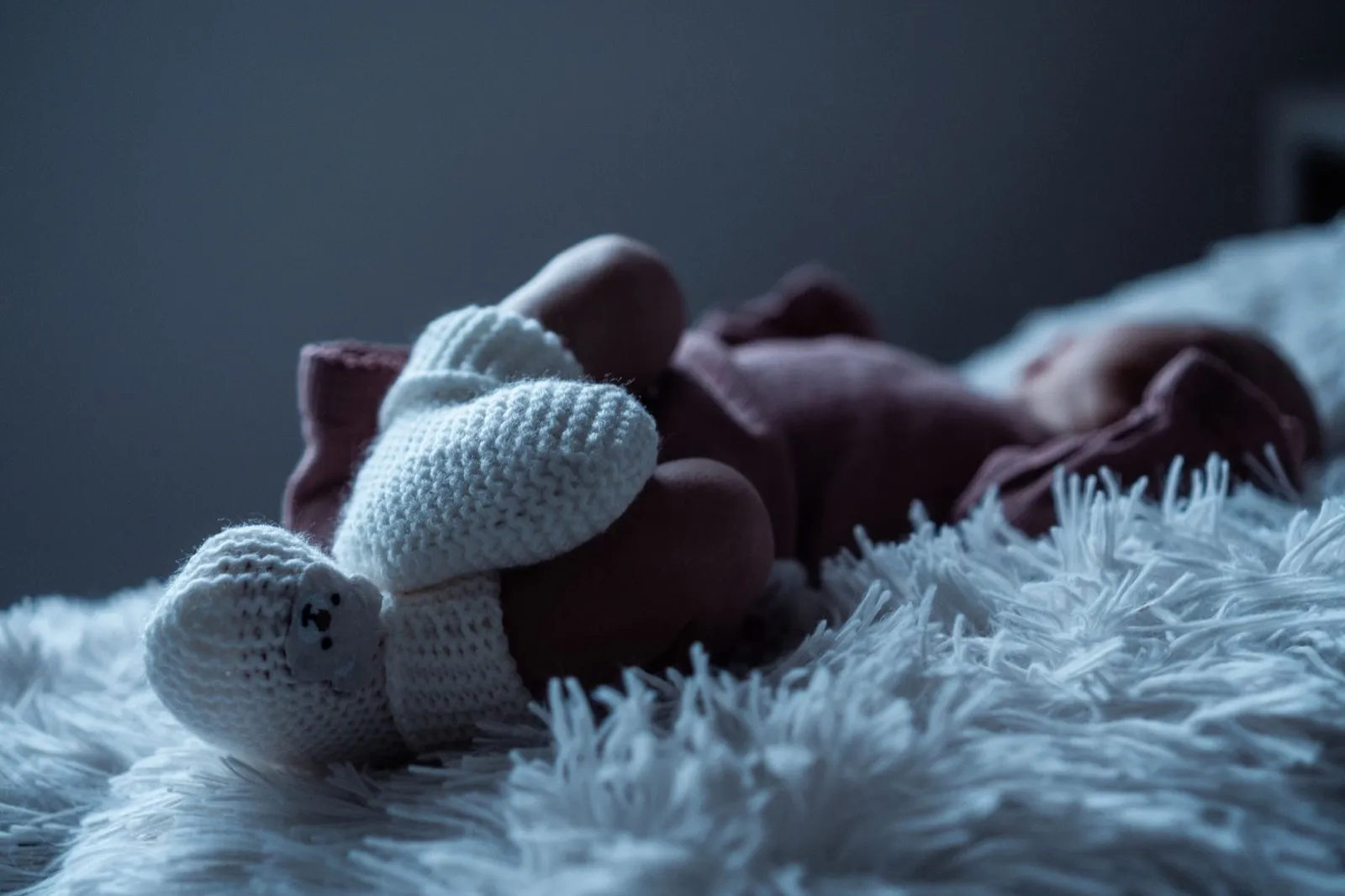
Image Credit: Pexels / Monika Balciuniene
Deciding what your baby should wear to sleep can be surprisingly confusing. A cool evening, a warm bedroom and the different tog ratings on sleep bags can quickly leave you wondering if your baby needs another layer.
The main aim is to keep your baby comfortably warm without letting them overheat. The Lullaby Trust recommends a room temperature of around 16°C to 20°C for babies. What your baby wears should be chosen with the actual room temperature in mind, rather than the season alone.
There is no single outfit that is right for every night. A baby sleeping in a warm room may need fewer layers than a baby in a cooler room, even if it is winter outside.
What temperature should a baby’s room be?
The Lullaby Trust recommends keeping the room where your baby sleeps at around 16°C to 20°C.
A simple room thermometer can make this easier. It gives you a clearer idea of the temperature around your baby rather than relying on how warm or cold the room feels to you.
The NHS also advises taking care that babies do not become too hot while sleeping. Overheating is associated with an increased risk of sudden infant death syndrome, known as SIDS.
You do not need to keep the room at one exact temperature every minute of the night. Instead, use the recommended range as a guide and adjust your baby’s clothing or bedding if the room becomes noticeably warmer or cooler.
What should a baby wear to sleep at 16°C to 20°C?
There is not one prescribed outfit for every temperature within this range.
The Lullaby Trust advises using either lightweight bedding or a well-fitting baby sleep bag that is appropriate for the room temperature.
If you use a sleep bag, follow the manufacturer’s guidance about the tog rating and what clothing should be worn underneath it. Different products can have different instructions, so a clothing combination recommended for one sleep bag should not automatically be applied to another.
If you use sheets or blankets instead, they should be lightweight and firmly tucked in, no higher than your baby’s shoulders. The NHS advises placing your baby with their feet at the foot of the cot so they cannot wriggle down underneath the bedding.
Avoid combining lots of bedding simply because the room feels cool to you.
How do baby sleep bag tog ratings work?
A tog rating describes the thermal insulation of a sleep bag. In simple terms, a higher tog is designed to provide more warmth than a lower tog.
The Lullaby Trust notes that sleep bags are available in different tog ratings for different temperatures and advises parents to follow the manufacturer’s instructions.
Do not add extra blankets over a baby who is wearing a sleep bag. The Lullaby Trust advises that sleep bags should be used without additional bedding.
The sleep bag should also fit properly around your baby’s shoulders so there is no risk of their head slipping down inside it.
Because brands and products differ, check the instructions supplied with the particular sleep bag you own rather than relying on a generic chart from another manufacturer.
How can you tell if your baby is too hot?
Your baby’s hands and feet are not the best place to judge their temperature. They can feel cooler than the rest of the body even when your baby is comfortable.
The Lullaby Trust recommends feeling your baby’s chest or the back of their neck instead.
If their skin feels hot or sweaty, remove one or more layers of bedding or clothing. The NHS also advises checking your baby’s temperature by feeling their tummy or the back of their neck.
Other signs that may accompany overheating include flushed skin or sweating, but checking the chest or back of the neck gives you a more useful indication than cold hands.
If you are concerned that your baby is unwell rather than simply warm, seek medical advice.
What if your baby’s hands feel cold?
Cool hands and feet do not necessarily mean your baby is cold.
The Lullaby Trust explains that babies’ hands and feet often feel cooler, which is why it recommends checking the chest or back of the neck instead.
If your baby’s chest feels comfortably warm and they otherwise seem well, cold hands alone are not a reason to keep adding layers.
This is particularly useful to remember during the night, when it can be tempting to add another blanket every time you touch a cool little hand.
Should a baby wear a hat to sleep?
Babies should not routinely wear hats indoors while sleeping.
The NHS advises that babies lose excess heat through their heads, so their heads should not be covered while they are asleep indoors.
Remove hats and extra outdoor clothing once you come inside, including if your baby has fallen asleep.
If your baby has been given specific medical advice that differs from general guidance, follow the recommendations of their healthcare team.
Can a baby sleep under a duvet?
The NHS advises against using duvets, quilts or pillows for babies under 1 year old because of the risk of suffocation and overheating.
For babies, use appropriate lightweight bedding or a correctly fitted baby sleep bag according to current safer-sleep guidance.
The cot should otherwise remain clear. Avoid cot bumpers, pillows, soft toys, nests and other unnecessary items in the sleep space.
A baby’s cot does not need to resemble an adult bed to be comfortable.
Can you use a blanket with a baby sleep bag?
The Lullaby Trust advises that additional bedding is not needed when a baby is wearing a sleep bag.
Instead of adding a blanket over the sleep bag, choose a sleep bag with a tog rating appropriate for the room temperature and dress your baby underneath according to the manufacturer’s instructions.
If the temperature changes significantly, adjust the clothing or sleep bag rather than piling extra bedding on top.
What should a baby wear to sleep in hot weather?
Warm weather can make bedtime especially worrying because bedrooms may stay hot well into the evening.
The NHS advises using minimal nightwear and bedding during very hot weather. The Lullaby Trust similarly recommends reducing layers according to the room temperature.
Focus on the temperature in the room rather than the outdoor forecast.
If the bedroom is warmer than the usual recommended range, your baby may need fewer layers. Continue checking their chest or the back of their neck for signs that they are becoming too warm.
Keep the sleep space clear and continue following the usual safer-sleep guidance, even during hot weather.
What should a baby wear to sleep in cold weather?
During colder weather, check the room temperature rather than assuming your baby needs several extra layers.
If the room is within the recommended 16°C to 20°C range, choose clothing and bedding suitable for that temperature.
A correctly fitted sleep bag with an appropriate tog rating can be useful, provided you follow its manufacturer’s instructions. Lightweight blankets are another option when used according to safer-sleep guidance.
Avoid hot water bottles, electric blankets or placing your baby next to a radiator or heater in an attempt to keep them warmer.
The Lullaby Trust advises keeping babies away from direct heat sources.
Does every baby need the same number of layers?
No.
Room temperature, clothing material, bedding and the sleep product you use all affect how warm your baby feels.
This is why rigid rules such as always dressing a baby in one more layer than an adult can be less useful than checking the actual sleeping environment and your baby’s temperature.
Use recognised safer-sleep guidance, follow the instructions for your baby’s sleep bag if you use one, and check their chest or the back of their neck if you are unsure.
You may find that the right combination changes as the weather and your home temperature change.
A simple bedtime temperature check
You do not need to spend the evening repeatedly adjusting your baby’s clothes.
Before sleep, you can make a quick check:
- Look at the room thermometer.
- Choose sleepwear appropriate for the room temperature.
- Follow the manufacturer’s tog and clothing guidance if using a sleep bag.
- Keep your baby’s head uncovered indoors.
- Avoid adding unnecessary bedding.
- Check your baby’s chest or the back of their neck if you are unsure whether they are comfortable.
- Remove a layer if your baby feels hot or sweaty.
The aim is comfortable warmth, not making your baby feel as bundled up as possible.
Keep clothing choices within safer-sleep guidance
What your baby wears is only one part of safer sleep.
The NHS recommends putting babies on their backs for every sleep, using a firm, flat mattress and keeping the sleep space clear. For the first six months, the safest place for your baby to sleep is in the same room as you.
Avoid using clothing, blankets or sleep products that can cover your baby’s face or head.
If you are unsure about a particular sleepwear product, check current NHS or Lullaby Trust guidance and the manufacturer’s safety instructions before using it.
When to get professional advice
Speak to your health visitor, midwife, GP or another qualified healthcare professional if you are unsure how to dress your baby safely for sleep, particularly if your baby was born prematurely, has a medical condition or has been given individual advice about temperature regulation.
If your baby feels unusually hot or cold and you are concerned they may be unwell, check their temperature appropriately and seek medical advice according to NHS guidance.
Do not rely on clothing changes alone if your baby seems unwell, is unusually difficult to wake, has breathing difficulties, is feeding differently or has other symptoms that concern you.
For everyday sleepwear questions, current NHS and Lullaby Trust guidance can help you make choices based on room temperature and safer-sleep principles rather than trying to follow a perfect outfit formula.
Related reading
- Safe Sleep for Babies: A Practical Guide for Parents
- Baby Sleep
- Baby Sleep Patterns by Age: What to Expect in the First Year