What supplements should you take?
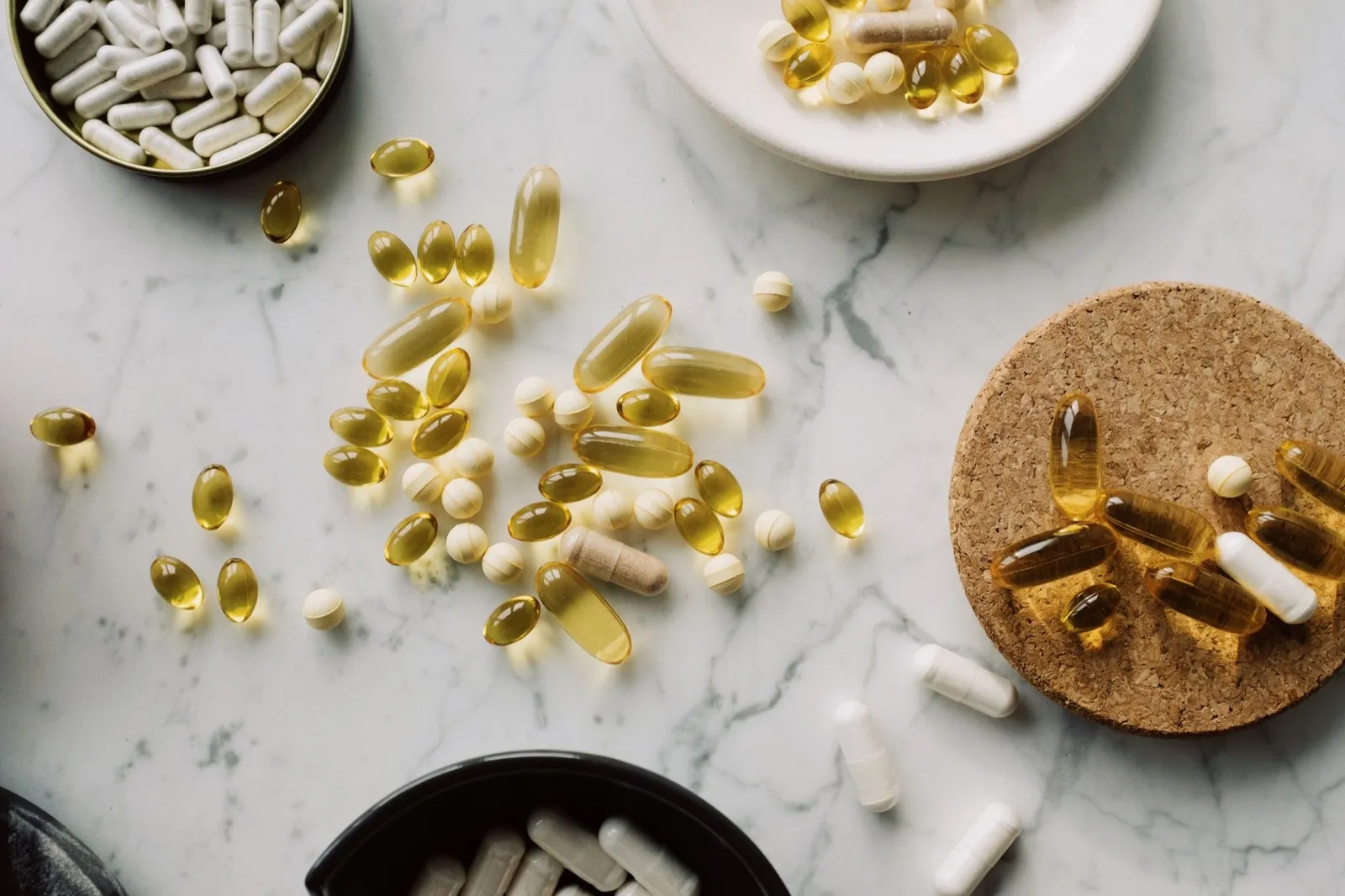
Image Credit: Pexels / ready made
Pregnancy supplement advice can quickly become confusing, especially when prenatal vitamins come with long ingredient lists and different brands make different claims. In the UK, the basic guidance is much simpler: folic acid and vitamin D are the main supplements routinely recommended around pregnancy. Other supplements, including iron and vitamin B12, may be needed in some circumstances, but they are not automatically necessary for everyone.
The NHS says that a healthy, varied diet should provide most of the vitamins and minerals you need during pregnancy. Supplements are used where getting enough from food alone can be difficult, or where a particular nutrient has an established role before and during pregnancy.
There are also supplements to avoid, particularly products containing vitamin A in the form of retinol and cod liver oil.
Here is what current NHS and NICE guidance recommends.
Folic acid
Folic acid is one of the key supplements recommended before and during early pregnancy.
Current NHS and NICE guidance recommends 400 micrograms of folic acid each day when trying to become pregnant, ideally starting around three months beforehand, and continuing for at least the first 12 weeks of pregnancy.
If you are already pregnant and have not been taking folic acid, the NHS advises starting as soon as you find out.
Folic acid helps reduce the chance of neural tube defects, which affect the development of the baby’s brain, spine or both. One example is spina bifida.
Although folate is naturally present in foods such as green leafy vegetables, peas, lentils and beans, the NHS explains that it is difficult to get the recommended amount needed around early pregnancy from food alone. This is why a supplement is advised.
Do some people need a higher dose of folic acid?
Yes, but this is something to discuss with a healthcare professional rather than choosing a higher-dose supplement yourself.
NICE recommends a higher-dose folic acid supplement for some people with an increased risk of neural tube defects or other congenital malformations. This can include people with certain medical conditions, those taking particular medicines, or people with a personal, partner or family history of certain congenital conditions.
Guidance on higher-dose folic acid has changed over time. For example, NICE’s current 2025 guidance says that having a BMI of 25 or above on its own does not mean you need more than the standard 400 micrograms.
If you think you may fall into a higher-risk group, speak to your GP, midwife or specialist team. They can tell you what is appropriate for your circumstances.
Vitamin D
Vitamin D is the other main vitamin routinely discussed during pregnancy.
NICE recommends a 10 microgram, or 400 IU, vitamin D supplement each day between October and March for people who are pregnant or breastfeeding.
Some people are advised to take vitamin D throughout the year because they are more likely to have low vitamin D levels. This includes people who have little or no exposure to sunlight, usually cover most of their skin outdoors, or have darker skin.
Vitamin D helps regulate calcium and phosphate in the body, which are needed for healthy bones, teeth and muscles.
Food can provide some vitamin D, including oily fish, eggs and certain fortified foods, but it can be difficult to get enough through food alone.
If you are unsure whether you should take vitamin D throughout the year, ask your midwife or GP.
Do you need a pregnancy multivitamin?
You do not necessarily need a large prenatal multivitamin simply because you are pregnant.
The NHS advises that most vitamins and minerals can come from a healthy, varied diet, alongside the pregnancy supplements specifically recommended.
Some people prefer a pregnancy multivitamin because it combines several nutrients in one product. If you choose one, check the label carefully to make sure it is designed for pregnancy and does not contain vitamin A in the form of retinol.
A pharmacist can help you check a product if the ingredient list is unclear.
More is not automatically better with supplements. Taking several different products at once can also mean accidentally taking the same vitamin or mineral from multiple sources.
Iron
Iron is important for making red blood cells, which carry oxygen around the body.
Pregnancy increases demands on the body, but the NHS does not advise everyone to routinely start an iron supplement without an identified need.
Iron levels are checked as part of routine pregnancy blood tests. The NHS says these checks are carried out at the first midwife booking appointment and again at around 28 weeks.
If your iron level is low, your GP or midwife may recommend an iron supplement.
There are also dietary sources of iron, including meat, beans, chickpeas, nuts, dried fruit and fortified breakfast cereals. Liver is rich in iron but should not be eaten during pregnancy because it also contains high levels of vitamin A.
If you are concerned about tiredness or think you may have low iron, speak to your midwife or GP rather than starting a high-dose iron supplement on your own.
Vitamin B12
Vitamin B12 helps the body make red blood cells and supports the nervous system.
Many people obtain vitamin B12 from foods including meat, fish, milk, cheese and eggs. People following vegan or other restricted diets may have fewer dietary sources.
NICE advises that people following a restricted diet, including a vegan diet, may need to add foods and drinks containing vitamin B12 or take a B12 supplement.
This does not mean everyone following a plant-based diet needs exactly the same supplement. Your individual diet matters, and your midwife, GP or a dietitian can help you work out what you need.
If vitamin B12 deficiency is suspected or confirmed, supplementation should be discussed with a healthcare professional.
What about calcium, iodine and omega-3 supplements?
You may see calcium, iodine, omega-3 fatty acids and many other nutrients included in prenatal supplements.
That does not mean every pregnant person needs to take each one separately.
The NHS’s routine pregnancy supplement guidance focuses on folic acid and vitamin D, with other supplements recommended according to individual circumstances. A balanced diet can provide many other nutrients.
If your diet excludes particular food groups, you have a diagnosed deficiency, you have had bariatric surgery, or a healthcare professional has identified another nutritional concern, your needs may be different.
NICE specifically advises people who have had bariatric surgery and are planning a pregnancy or are pregnant to contact their bariatric surgery unit for individual specialist advice about folic acid and other micronutrients.
It is sensible to discuss additional supplements with your midwife, GP, pharmacist or dietitian rather than adding several products simply because they are marketed for pregnancy.
Supplements to avoid during pregnancy
One of the clearest pieces of NHS guidance is to avoid supplements containing vitamin A in the form of retinol during pregnancy.
Too much vitamin A can harm a baby’s development.
This includes:
- supplements containing vitamin A or retinol
- cod liver oil
- some ordinary multivitamins that are not specifically designed for pregnancy
Check the label before taking a multivitamin or supplement. Vitamin A can appear as retinol in the ingredients.
Liver and liver products should also be avoided during pregnancy because they contain high levels of vitamin A.
If you already took a supplement containing vitamin A before realising it was unsuitable for pregnancy, speak to your midwife, GP or pharmacist for individual advice rather than trying to assess the risk yourself.
Can herbal supplements be taken during pregnancy?
“Natural” does not automatically mean suitable for pregnancy.
Herbal remedies and supplements can contain active ingredients, and there may be limited evidence about their use during pregnancy. Products can also differ considerably in their ingredients and strength.
If you use herbal remedies, powders, gummies, wellness supplements or other non-prescription products, show the ingredient list to your pharmacist, midwife or GP before continuing them during pregnancy.
The same applies if you are combining a pregnancy multivitamin with separate supplements. Checking the full list can help prevent unnecessary duplication.
What if you have a vegetarian, vegan or restricted diet?
A well-planned vegetarian or vegan diet can include many important nutrients, but some nutrients require particular attention.
NICE specifically highlights vitamin B12 for people following restricted diets such as a vegan diet. The NHS notes that vegan sources of B12 are limited and that fortified foods or a supplement may be needed.
Iron also deserves attention because plant-based iron is absorbed less readily by the body than iron from meat.
Pregnancy is not the time to feel judged for how you eat. If your diet excludes several food groups, asking for personalised nutritional advice can be useful. Your midwife or GP can advise whether you need blood tests, supplements or support from a dietitian.
A simple way to approach pregnancy supplements
For most people, the starting point is not a shelf full of bottles.
Follow the NHS recommendations for folic acid and vitamin D, eat a varied diet where possible, and discuss any additional supplements with your maternity team if you have particular dietary or medical needs.
Before buying a supplement, check:
- whether it is intended for pregnancy
- whether it contains vitamin A as retinol
- whether you are already getting the same nutrient from another supplement
- whether your midwife, GP or pharmacist has recommended something different for you
Pregnancy can come with enough decisions already. Supplement advice is one area where sticking closely to recognised health guidance can keep things much simpler.
When to get professional advice
Speak to your midwife, GP or pharmacist if you are unsure which pregnancy supplements are appropriate for you, have not been taking folic acid, think you may need a higher dose of folic acid, or are considering supplements beyond routine pregnancy guidance.
You should also ask for individual advice if you follow a restricted diet, have had bariatric surgery, have a medical condition that may affect your nutritional needs, take regular medication, or have previously been diagnosed with a vitamin or mineral deficiency.
If routine blood tests show low iron or another nutritional concern, your maternity team can advise you on what supplementation is appropriate. Do not change prescribed medicines or replace them with supplements without speaking to the healthcare professional responsible for your care.
If you think you have taken too much of a supplement, or you become unwell and are concerned about something you have taken, contact your GP, maternity unit, pharmacist or NHS 111 for advice. For a severe or life-threatening medical emergency, call 999 or go to A&E.
Related reading
- Can you drink alcohol based syrups while pregnant?
- Can you drink alcohol while pregnant?
- Can you drink chamomile while pregnant?