2-Year-Old Behaviour: What Is Normal and What Is Not?
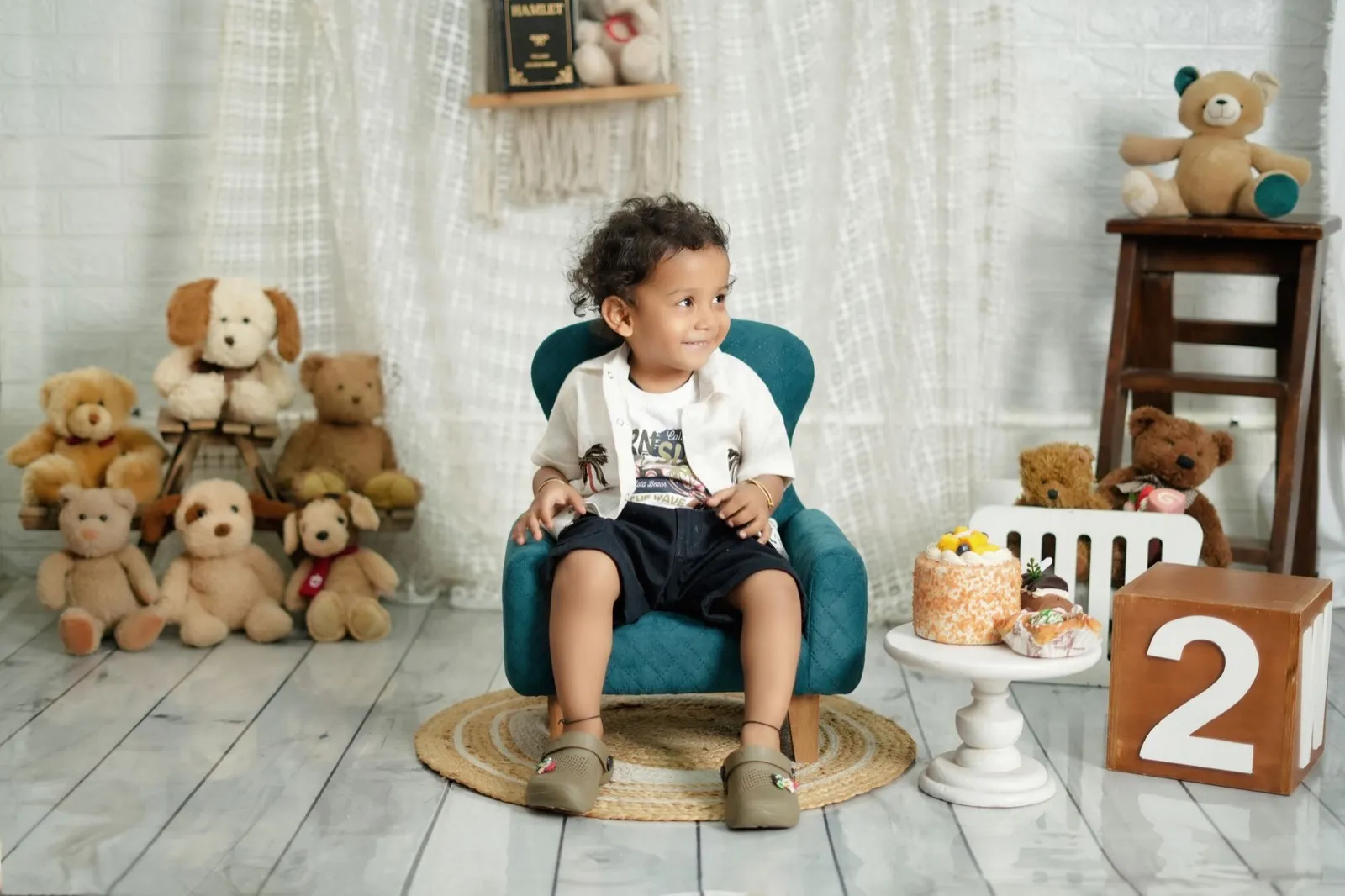
Image Credit: Pexels / Krishna Kids Photography
Life with a 2-year-old can change from delighted giggles to furious protest surprisingly quickly. Your toddler may insist on doing something alone, become devastated when it does not work, refuse a perfectly ordinary request and then want to be held five minutes later.
Much of this can be a normal part of toddler development. At around two, children are becoming more independent while still developing language, emotional regulation and the ability to cope with frustration. Tantrums, saying “no”, testing limits, struggling with sharing and wanting more control can all appear during this stage.
There is also no single definition of “normal” behaviour that every 2-year-old must fit. Development varies between children. The more useful question is whether your child’s behaviour broadly fits their developmental stage, whether they are continuing to develop skills and whether anything is causing significant or persistent difficulty in everyday life.
What behaviour is common in a 2-year-old?
Two-year-olds are learning an enormous amount about themselves and the people around them.
They are discovering that they can make choices. They have preferences. They can say no. They can move towards things they want and away from things they do not.
At the same time, their ability to manage disappointment is still developing.
This can create behaviour that feels intense to adults.
Tantrums
Tantrums are common during the toddler years.
The NHS explains that tantrums usually begin at around 18 months and are very common in toddlers. They can involve crying, screaming, kicking, hitting or throwing themselves onto the floor.
A tantrum does not necessarily mean your toddler is deliberately trying to make your life difficult.
The NHS notes that toddlers want to express themselves but can find this difficult, which can lead to frustration. As children’s language develops, tantrums often become less frequent.
Saying “no” frequently
A 2-year-old may say no even when the thing you are offering is something they usually enjoy.
This can be part of asserting independence.
They are beginning to understand that they have their own wishes, and “no” is a wonderfully efficient word for expressing them.
You do not need to turn every no into a negotiation. Keep important boundaries clear and offer manageable choices where either answer works.
For example:
“Would you like the red cup or the blue cup?”
“Do you want to put your shoes on, or shall I help you?”
Small choices can give a toddler some control without handing over decisions that need to remain with an adult.
Testing boundaries
Toddlers often repeat behaviour after being told not to do something.
That can feel like deliberate defiance, but young children are still learning rules, cause and effect, impulse control and what happens in different situations.
Consistency helps.
The NHS advises responding consistently to difficult behaviour because reacting differently to the same behaviour from one day to another can be confusing for children.
Keep rules simple and realistic. A 2-year-old does not need a long lecture about why drawing on the wall is unacceptable.
A calm, short response such as “Crayons are for paper” followed by redirecting them to paper is easier to understand.
Strong emotions
Two-year-olds can have very big feelings about things adults consider small.
The wrong spoon, a broken banana or having to leave the park can become genuinely upsetting.
NHS Best Start in Life guidance explains that toddlers are still learning how to manage big emotions. When they are very upset, they may find it difficult to take in new information.
This is why reasoning with a toddler in the middle of a meltdown often gets nowhere.
Helping them calm first can be more useful than trying to explain the lesson immediately.
Wanting independence and help at the same time
Your toddler may shout “me do it” when you try to help with their coat and then cry because they cannot manage the zip.
That contradiction is very toddler-like.
They are developing independence but still need plenty of practical and emotional support.
Where possible, give them time to try. If frustration builds, offer help without turning it into a battle.
“You want to try the zip. Have a go, then I can help if you need me.”
Difficulty sharing
Sharing is a complicated social skill.
A 2-year-old may understand that another child wants their toy without being willing or able to hand it over calmly.
Rather than expecting perfect sharing, help with turn-taking and supervise situations that are likely to cause conflict.
Simple language works well:
“Sam is using the truck. You can have a turn next.”
“You both want the ball. I’ll help.”
Hitting, biting or pushing
Some toddlers hit, bite, push or grab, particularly when frustrated, excited or unable to communicate what they want.
This behaviour needs a clear boundary because someone can get hurt, but it does not automatically mean a toddler is aggressive in the adult sense of the word.
The NHS notes that hitting and biting are common in young children and often do not mean a child will grow up to be aggressive.
Respond calmly and immediately:
“I won’t let you hit.”
“Hitting hurts.”
Then focus on safety and help your toddler settle before trying to explain more.
Why 2-year-old behaviour can feel so difficult
Toddlers are developing rapidly, but different abilities do not develop at exactly the same pace.
Your child may be physically capable of running across a playground while still finding it very difficult to stop when asked. They may know dozens of words but still lack the language to explain exactly why they are furious.
That gap between what they want to do and what they can manage can create frustration.
Everyday factors can also make behaviour harder.
The NHS recommends considering whether difficult behaviour is linked to a child being tired, hungry, overexcited, frustrated or bored.
If your toddler tends to struggle at the same point every day, look at what is happening around that time.
A difficult supermarket trip just before lunch may have less to do with discipline and more to do with hunger, tiredness and overstimulation.
How to respond to challenging behaviour at age two
You do not need to prevent every tantrum or make your toddler cheerful about every boundary.
Your job is to keep limits safe and understandable while helping them gradually learn what to do with difficult feelings.
Keep boundaries short and clear
Long explanations can be difficult for a distressed toddler to process.
Try simple phrases:
“We hold hands by the road.”
“I won’t let you bite.”
“The tablet is finished.”
“Food stays on the table.”
You can explain more once your toddler is calm if it is useful.
Be consistent where you can
If a rule matters, try to respond similarly each time.
This does not mean parents must react perfectly. Nobody does.
It means avoiding a pattern where a behaviour is firmly prohibited one day and rewarded the next because the protest becomes exhausting.
Choose boundaries that genuinely matter and that you can reasonably maintain.
Name the feeling
Helping toddlers develop emotional language can give them another way to understand what is happening.
You might say:
“You’re angry because we have to leave.”
“You wanted that toy.”
“You’re sad that Daddy went to work.”
NHS Best Start in Life recommends helping toddlers recognise and name emotions while supporting them to calm.
Naming a feeling does not mean changing the boundary.
“You are angry” and “we are still leaving the park” can both be true.
Help them calm before explaining
A toddler in the middle of an intense tantrum may not be ready for reasoning.
NHS guidance describes helping a child regulate first, then connecting with them before discussing what happened.
Stay nearby if it is safe to do so. Use a calm voice. Reduce stimulation if possible.
Once your child is calmer, you can keep the explanation brief.
Notice positive behaviour
Difficult behaviour naturally gets attention because it demands an immediate response.
Try to notice ordinary moments that are going well too.
The NHS recommends giving children positive attention for behaviour you want to encourage.
That can be simple:
“You waited for me.”
“Thank you for putting the book back.”
“You were gentle with the cat.”
Specific comments help your toddler understand what you noticed.
Offer limited choices
A 2-year-old often wants control.
Offer choices where both options are genuinely acceptable:
“Would you like to walk upstairs or hold my hand?”
“Do you want the green jumper or the yellow one?”
Avoid offering a choice if there is not really one.
“Shall we leave the park?” can create unnecessary conflict if you need to leave regardless of the answer.
What behaviour might need more attention?
There is no checklist that can diagnose a behavioural or developmental problem from an article.
A single difficult behaviour also rarely tells the whole story.
Instead, consider frequency, intensity, context and how much the behaviour affects your child’s everyday life.
It may be worth asking for professional advice if behaviour is:
- consistently causing significant distress
- interfering with nursery, play or ordinary family activities
- regularly putting your child or other people at risk
- markedly different from your child’s usual behaviour
- accompanied by concerns about communication, movement, interaction or other areas of development
- becoming more difficult rather than gradually improving
If your child loses skills they previously had, speak to a health professional rather than assuming it is simply a behavioural phase.
You do not need to compare your child with every other 2-year-old you know. If you have a genuine concern, your health visitor or GP can look at your child’s development in context.
Behaviour and 2-year developmental review
In England, children are offered a health and development review when they are around 2 to 2 and a half years old.
According to the NHS, this review may cover areas including general development, movement, speech, social skills, behaviour, hearing and vision.
It is an opportunity to mention anything that has been worrying you.
If your child attends nursery or another early years setting, staff may also be able to tell you what they notice there. Behaviour can look different at home and in childcare, so having information from both environments can be useful.
You do not have to wait for a scheduled review if you are worried now.
When to get professional advice
Speak to your health visitor or GP if you are concerned about your 2-year-old’s behaviour, emotional wellbeing or development.
The NHS advises parents who are struggling with their child’s behaviour to speak to their health visitor, who can offer support and suggest strategies. You should also seek advice if anxiety or distress is severe, persists or interferes with everyday life.
If you are concerned that your toddler is not meeting expected developmental milestones or has lost abilities they previously had, discuss this with your health visitor or GP. Developmental concerns are best considered across several areas rather than judged from one behaviour alone.
Seek appropriate medical help if a sudden behavioural change occurs alongside signs of illness, pain or another physical health concern.
If your child’s behaviour creates an immediate safety risk, focus first on keeping your child and other people safe, then seek professional support appropriate to the situation.
Two can be a wonderfully funny, affectionate and demanding age. Difficult behaviour does not mean you are failing at parenting, and it does not automatically mean something is wrong with your child. Clear boundaries, realistic expectations and support for their developing emotional skills can make this stage easier to navigate.
Related reading
- Toddler Behaviour
- Toddler Behaviour: What Is Normal and What to Expect
- How to Manage Difficult Toddler Behaviour Calmly