Baby kicks
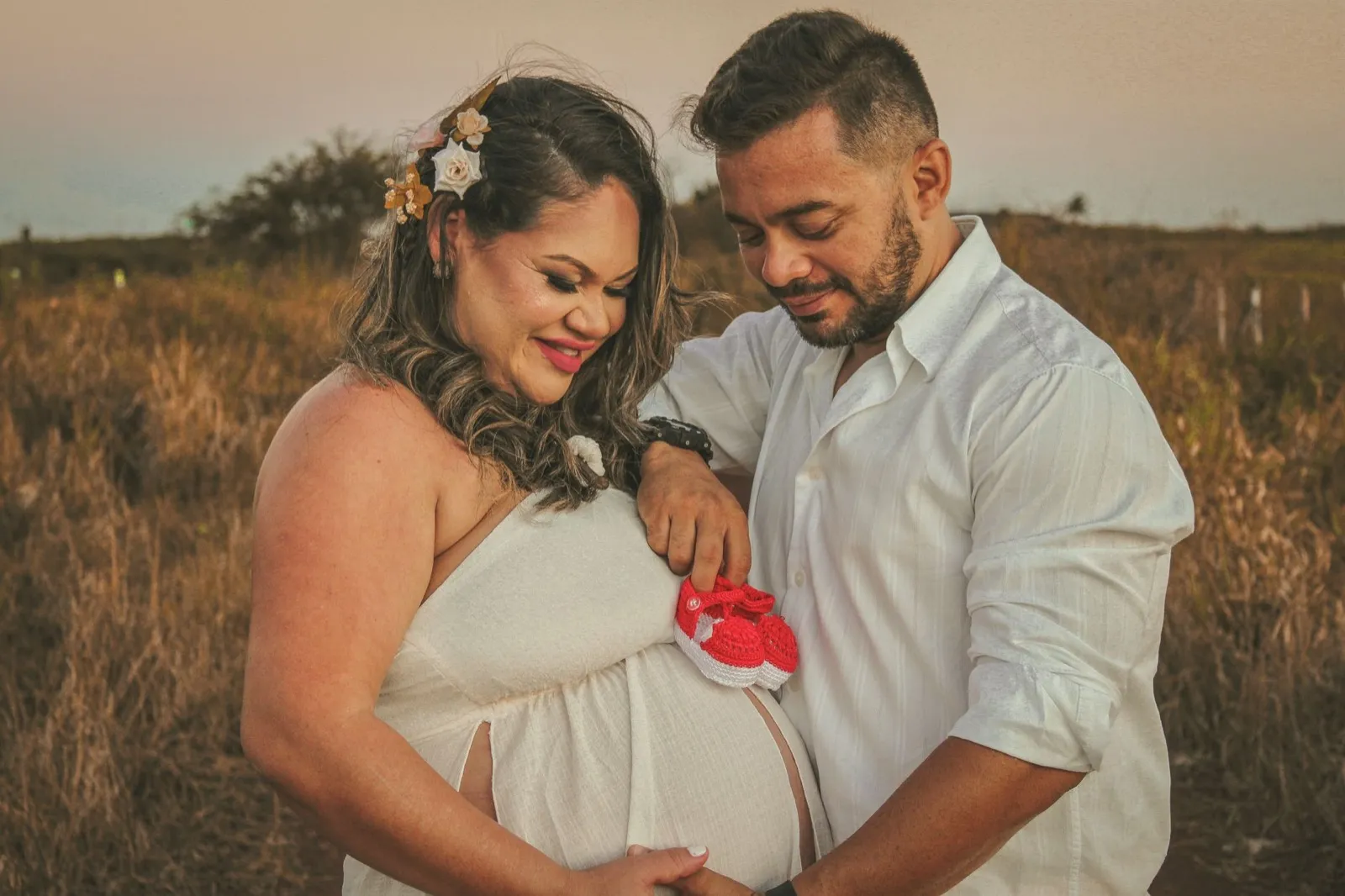
Image Credit: Pexels / Alzenir Silva do Nascimento
Feeling your baby move for the first time can be exciting, reassuring, strange or even difficult to identify. Baby kicks do not always begin as obvious kicks. Early movements can feel more like fluttering, swirling or gentle shifting, and they usually become easier to recognise as pregnancy progresses.
According to the NHS, you should usually start to feel your baby move between 16 and 24 weeks of pregnancy. If this is your first baby, you might not notice movements until after 20 weeks. There is no single number of kicks that every baby should make each day. What matters later in pregnancy is getting to know your baby’s usual pattern and seeking help immediately if that pattern changes or movements reduce.
When do you first feel baby kicks?
Most people begin to notice fetal movements sometime between 16 and 24 weeks.
RCOG says most people first become aware of their baby’s movements at around 18 to 20 weeks. If you have been pregnant before, you may recognise them earlier, sometimes from around 16 weeks. In a first pregnancy, movements may not become noticeable until after 20 weeks.
There is therefore a fairly wide normal window for noticing those first movements.
If you have not felt your baby move at all by 24 weeks, the NHS advises telling your midwife. They can check your baby’s heartbeat and movements.
What do baby kicks feel like?
The word “kick” can be misleading at first because early movements are often much subtler.
The NHS describes early baby movements as gentle swirling or fluttering. RCOG also describes sensations such as kicks, flutters, swishes and rolls.
You may gradually notice different types of movement as your baby grows. Movements can feel like:
- fluttering
- swirling
- rolling
- stretching
- nudges
- jerky movements
- more obvious kicks
There is no requirement for your baby’s movements to feel exactly like somebody else’s description. The sensations can change as pregnancy progresses, and learning what your own baby’s movement feels like is more useful than trying to match a particular example.
How do baby movements change during pregnancy?
Movements generally become easier to recognise as pregnancy progresses.
RCOG says the number and type of movements change as your baby develops. The number of movements tends to increase until around 32 weeks and then remain roughly the same, although the type of movement can change as you get closer to your due date.
That distinction matters. Your baby may move differently later in pregnancy, but babies should not simply stop moving because there is less room.
The NHS advises that you should continue to feel your baby move right up to and during labour.
How many baby kicks should you feel?
There is no set number of movements that is considered normal for every baby.
The NHS does not advise counting a specific number of kicks each day. RCOG similarly says there is no particular number that applies to everyone and does not recommend the routine use of a movement chart.
Instead, the key is becoming familiar with your baby’s individual pattern.
Some babies may have recognisable periods when they are particularly active. RCOG notes that babies also have sleep periods during the day and night, during which they will usually not move.
The aim is not to achieve a daily target. It is to notice what is usual for your baby so that you are more likely to recognise a change.
Why might you notice some movements more than others?
How easily you notice baby kicks can vary.
RCOG explains that you may be less aware of movements while you are active or busy. The position of the placenta can also affect how easily movements are felt. If your placenta is at the front of the uterus, known as an anterior placenta, movements may be harder to notice.
Your baby’s position can influence where you feel movements too.
These factors can help explain why movements feel different from one pregnancy to another, but they should not be used to dismiss a genuine reduction or change in your baby’s usual movement pattern.
If something feels different from what is normal for your baby, contact your maternity team rather than trying to explain the change yourself.
Do babies kick less towards the end of pregnancy?
No. Babies should continue to move towards the end of pregnancy.
RCOG states that although the type of movement may change as you approach your due date, the number of movements tends to remain about the same after around 32 weeks. The NHS also advises that you should continue to feel your baby move right up to and during labour.
This means that a noticeable reduction in movement should not be assumed to be caused by your baby “running out of room”.
If your baby is moving less than usual, you cannot feel movement anymore or there has been a change in your baby’s normal pattern, contact your midwife or maternity unit immediately.
Should you count baby kicks?
Routine kick counting is not currently recommended by the NHS.
There is no universal number that can tell you whether your baby’s movements are normal. What is normal for one baby may be different for another.
Getting to know the pattern matters more. You may gradually notice that your baby tends to be more active at particular times or that certain movements are especially familiar.
If your maternity team has given you individual instructions about monitoring movements, follow their advice.
What should you do if baby kicks feel reduced?
Do not wait to see if reduced movements improve by the next day.
The NHS advises calling your midwife or maternity unit immediately if:
- your baby is moving less than usual
- you cannot feel your baby moving anymore
- your baby’s usual pattern of movements has changed
This advice applies even if it is the middle of the night.
RCOG also advises seeking professional help immediately for reduced or changed movements and says not to go to sleep while ignoring a change.
You do not need to decide for yourself whether the reduction is serious enough to be checked. Contacting your maternity team allows them to assess your baby’s wellbeing properly.
Can you use a home Doppler if you are worried?
A home Doppler should not be used to check whether your baby is well if movements have reduced.
The NHS specifically advises against relying on a home heartbeat listening kit. Hearing a heartbeat does not mean that your baby is necessarily well, and using one could delay proper assessment.
If movements are reduced, absent or different from your baby’s normal pattern, contact your maternity unit or midwife instead.
When to get professional advice
Contact your midwife or maternity unit immediately if your baby is moving less than usual, you cannot feel your baby moving anymore or you notice a change in your baby’s normal movement pattern. Do not wait until the following day, even if the change happens at night.
If you have never felt your baby move by 24 weeks, tell your midwife. The NHS advises that your baby’s heartbeat and movements should be checked.
Do not rely on a home Doppler or another home monitoring device if you are concerned about movements.
If you have already been assessed for reduced movements and later notice another reduction or change, contact your maternity team again. A previous reassuring assessment should not stop you seeking advice about a new change.
For other urgent pregnancy concerns, contact your maternity unit or follow the urgent-care advice provided by your maternity team. NHS 111 can provide urgent medical advice where appropriate, and 999 should be used for a life-threatening emergency.