Baby Products You Don't Really Need: What You Can Skip
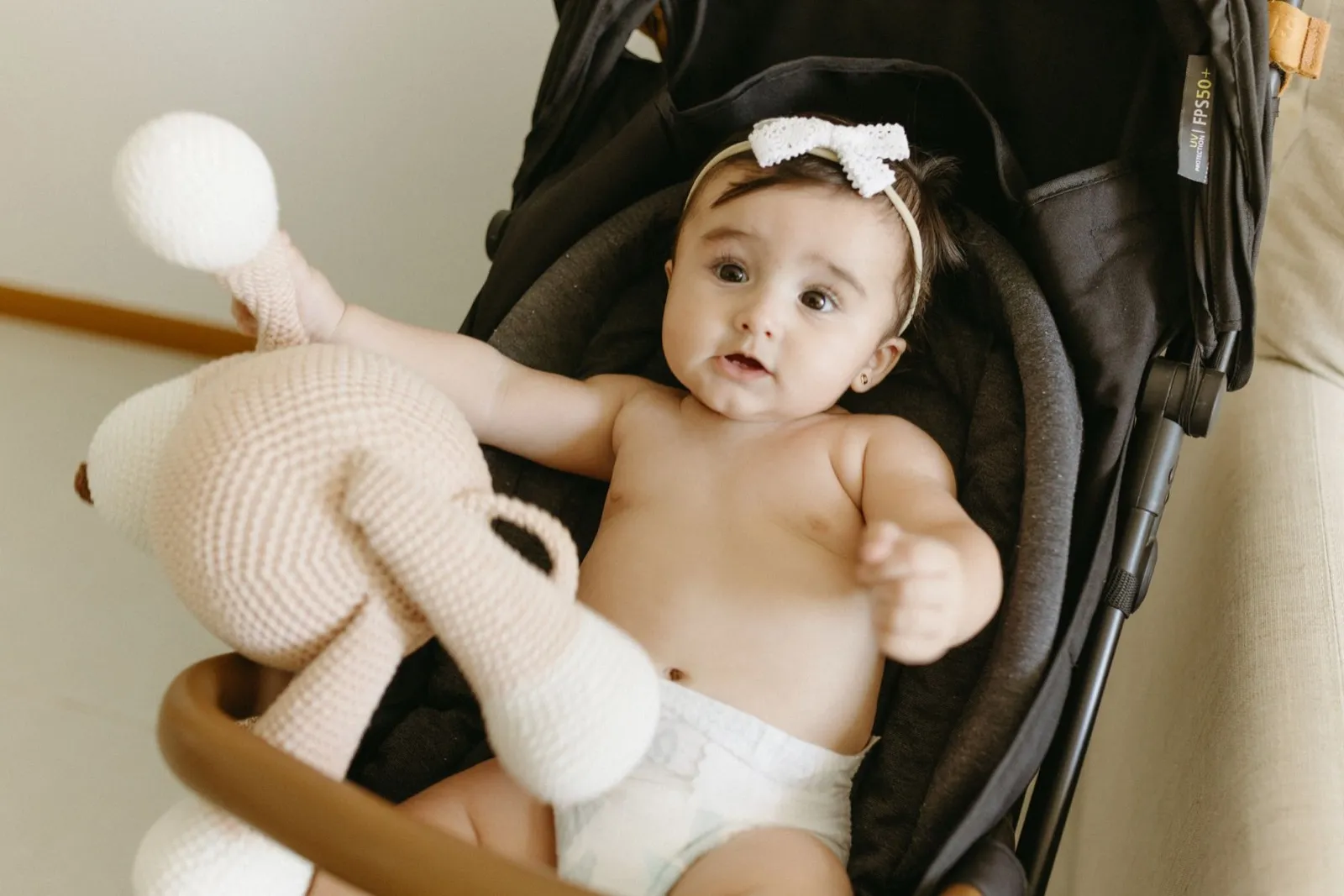
Image Credit: Pexels / Jonathan Borba
Baby Products You Don’t Really Need: What You Can Skip
Preparing for a baby can make an ordinary shopping list feel enormous. There are warmers, sterilisers, special bins, sleep gadgets, wipe dispensers, changing stations and countless products described as essentials.
The reassuring truth is that babies need far less equipment than the baby aisle suggests.
You will need safe places for your baby to sleep and travel, suitable clothing, nappies, feeding supplies appropriate to how your baby is fed and a few everyday care items. Many of the products surrounding those basics are optional conveniences.
Some families genuinely love the extras. Others buy them and barely use them. If you are trying to save money, reduce clutter or simply work out what is genuinely necessary, there are plenty of baby products you can wait to buy or skip completely.
Start with what your baby actually needs
Before deciding what to leave off your list, separate essentials from convenience products.
The NHS newborn shopping guidance focuses on relatively simple basics, including clothing, nappies, feeding equipment where needed, a safe sleep space, suitable bedding, changing supplies, a baby bath or washing bowl and an appropriate car seat if travelling by car.
You do not need to recreate a fully equipped nursery before your baby arrives.
A useful approach is to ask three questions about every extra product:
- Does my baby need this for safety, feeding, clothing, hygiene or transport?
- Does something I already own perform the same job safely?
- Could I wait and buy it later if I discover I need it?
That final question can save a lot of money.
1. Cot bumpers
Cot bumpers are one product to skip for safety reasons rather than simply to save money.
The NHS advises keeping a baby’s cot free from bumpers, pillows and soft toys. It warns that cot bumpers can create choking, suffocation and strangulation hazards.
A cot does not need padding around the bars to be complete.
For safer sleep, the NHS recommends a firm, flat mattress in a clear cot or Moses basket.
So if cot bumpers appear on a nursery inspiration board or matching bedding set, leave them off your shopping list.
2. Baby sleep pods and nests
Sleep pods and nests can look cosy, but they are not recommended as baby sleep spaces.
NHS safer sleep guidance advises against sleeping pods or nests because their raised or cushioned areas can create risks for babies.
The Lullaby Trust recommends a clear, flat, separate sleep space with a firm, flat, waterproof mattress.
That means you do not need to buy a padded nest to make a cot or Moses basket feel smaller or more comfortable for a newborn.
A large empty cot may look sparse to an adult. It does not need to be filled with extra products.
3. Baby pillows
A newborn does not need a pillow.
NHS guidance advises against pillows for babies because of the risk of suffocation.
That includes pillows marketed as decorative nursery items or products designed to change a baby’s head position unless a qualified healthcare professional has specifically advised otherwise.
Your baby’s sleep space should remain clear.
This is one of the easiest purchases to remove from the list entirely.
4. A matching cot bedding set
Nursery bedding sets can include far more than a baby actually needs.
A coordinated bundle might contain a duvet, pillow, bumper and decorative blanket, even though several of those items are not appropriate for a young baby’s sleep space.
The NHS says babies need a firm, flat mattress and appropriate sheets and bedding. It advises against pillows, duvets and cot bumpers for babies.
Buy the individual items you actually need instead of assuming a matching set is better value.
Often, the prettiest parts of the bundle are exactly the things that should not go into the cot.
5. A dedicated changing table
A changing table can be useful, particularly if bending to the floor is uncomfortable for you, but it is not essential for every family.
The NHS specifically recommends changing a baby’s nappy on a changing mat on the floor as a way of removing the risk of the baby falling from a raised surface.
If you already have a suitable dresser and plan to use a secure changing arrangement according to the manufacturer’s guidance, you may not need another large piece of nursery furniture.
Some parents prefer a simple changing mat on the floor.
Others value having a dedicated station at a comfortable height.
This one is about your home, body and routine rather than a universal requirement.
6. A wipe warmer
A wipe warmer is a classic example of a product that may be pleasant but is rarely essential.
Your baby does not need warmed wipes for routine nappy changes.
If you use disposable wipes, the NHS recommends fragrance-free and alcohol-free wipes for changing. Cotton wool and water are another option.
A wipe warmer adds another appliance to clean, refill and find space for.
If you later discover that you love having one, you can always buy it. There is little reason to purchase it before you know whether it would make any difference to your routine.
7. A special nappy bin
A purpose-designed nappy disposal system can help contain smells, but you do not have to own one.
A normal bin used hygienically may work perfectly well for your household.
Think about:
- How often your rubbish is taken out
- Where you will change your baby
- Whether replacement bin cartridges are expensive
- Whether the system uses proprietary refills
- How much floor space you have
If you live in a flat or regularly take rubbish outside, an elaborate nappy bin may add very little.
If your nursery is upstairs and the main bin is far away, you may find one convenient.
Convenient and essential are not the same thing.
8. Baby-specific laundry detergent
You do not automatically need a detergent with a baby picture on the packaging.
If your baby’s skin is comfortable with the laundry products you use, a separate baby-branded detergent may not be necessary.
For babies with eczema, allergies or sensitive skin, individual advice may be useful because different products and ingredients can affect skin differently.
Avoid assuming that the word “baby” automatically makes a household product medically necessary or suitable for every child.
If you have concerns about your baby’s skin, speak to your health visitor, pharmacist or GP.
9. Baby clothes in every newborn size
Tiny clothes are difficult to resist, but buying a large wardrobe in the smallest sizes can be wasteful.
Babies vary considerably in size at birth and grow at different rates.
The NHS suggests a practical newborn clothing list rather than an enormous wardrobe, including sleepsuits, bodysuits and weather-appropriate layers.
Start with enough basics to manage washing comfortably.
You can add more once you know:
- Which size fits your baby
- Which fastenings you prefer
- How often you do laundry
- Which styles are easiest for you
- What the weather actually requires
You may also receive more baby clothes as gifts than you expect.
10. Baby shoes for a newborn
A newborn who is not walking does not need structured shoes.
Socks, booties or the covered feet on a sleepsuit can provide warmth where appropriate.
Tiny trainers can be adorable in photographs, but they are an optional fashion purchase rather than a newborn essential.
If you enjoy them and want to buy them, that is fine.
If you are trying to reduce your baby budget, this is an easy category to skip.
11. A baby bath
This one is genuinely optional rather than useless.
The NHS includes a baby bath among useful bathing items but also says you can use a clean washing-up bowl instead.
Some parents like a baby bath because it creates a dedicated place for washing their baby. Others find it bulky and use it for a surprisingly short time.
Before buying, ask where you will store it.
If the answer is “somewhere in the middle of the bathroom floor”, you may prefer a simpler option.
Whatever you use, the NHS advises never leaving a baby alone in the bath, even for a second.
12. A bath thermometer
A bath thermometer can provide an easy temperature reading, but it does not replace checking the water yourself.
The NHS advises mixing bath water thoroughly and checking the temperature with your wrist or elbow before putting your baby in.
If a thermometer makes you feel more confident, it can be a useful inexpensive extra.
If you would rather keep bath supplies minimal, you can follow NHS guidance without buying a specialist gadget.
13. A huge collection of baby towels
A hooded baby towel is lovely, but you do not need a cupboard full of them.
A clean, soft towel can dry a baby perfectly well.
The NHS recommends having towels available for bath time but does not require a special style.
A couple of baby towels may be convenient because they are small and easy to wrap around a baby. Ten matching hooded towels are unlikely to transform bath time.
Start small and buy more only if your laundry routine demands it.
14. A bottle warmer
If you bottle-feed, you may wonder whether a bottle warmer is essential.
It is not automatically required.
NHS guidance states that there is no need to warm infant formula or expressed breast milk before feeding. If milk is warmed, it should never be heated in a microwave because this can create hot spots that may burn a baby’s mouth.
If your baby accepts milk at an appropriate temperature without a warmer, you may never need one.
If you later find that warming feeds suits your routine, choose a product carefully and continue following NHS preparation and storage guidance.
15. A bottle steriliser in every situation
You do need to sterilise feeding equipment used for formula or expressed breast milk according to NHS guidance, but that does not necessarily mean you need to buy a large electric sterilising machine.
The NHS describes several methods of sterilising feeding equipment, including cold-water sterilising solution, steam sterilising using an electric steriliser or microwave, and boiling where the equipment is suitable.
So the requirement is safe sterilisation, not ownership of one particular gadget.
Choose the method that works for your equipment, budget and kitchen.
If you do not use bottles or expressing equipment, you may have very little to sterilise in the first place.
16. A formula preparation machine
A formula preparation machine can sound appealing during night feeds, but it is not essential equipment.
The NHS provides instructions for safely making up infant formula using freshly boiled drinking water and advises preparing feeds one at a time as your baby needs them.
If you are considering an automated preparation machine, check current NHS guidance and the manufacturer’s instructions carefully rather than assuming the machine’s convenience makes it necessary.
You can formula-feed without owning a specialist preparation appliance.
17. Dozens of bottles before your baby arrives
If you expect to bottle-feed, you will need bottles and teats, but buying a huge set before you know what works for your baby may not be the best use of your budget.
The NHS advises choosing bottles with simple designs that are easy to wash and sterilise.
Different babies may manage different teats and bottle shapes differently.
Starting with a sensible number rather than a cupboard full gives you flexibility.
You can always buy more of the type that works well for your family.
18. A nursing chair
A comfortable place to feed and settle your baby can be genuinely useful.
It does not have to be a specialist nursery chair.
A supportive chair you already own may work perfectly well.
Before spending several hundred pounds on a glider or rocking chair, think about where you are actually likely to feed your baby.
You may prefer:
- Your sofa
- An armchair
- Your bed while awake
- A chair already in the bedroom
One important safety point is sleep. The NHS warns that falling asleep with a baby on a sofa or chair increases the risk of SIDS. If you feel you may fall asleep, follow current safer sleep guidance and move your baby to an appropriate sleep space.
19. A baby food maker
Once your baby starts solids, you do not need a dedicated machine to prepare every meal.
Ordinary kitchen equipment can often mash, blend, steam or chop food as required.
The NHS provides guidance on preparing food safely for babies without requiring specialist baby-food appliances.
A baby food maker may still be convenient if you enjoy using one.
But if you already own a saucepan, fork, blender or food processor, ask what the new machine would actually add.
Your kitchen does not have to become a baby equipment showroom.
20. Special baby bowls for every meal
Once your baby begins eating solid foods, a few suitable bowls and spoons can be helpful.
You do not need a large matching collection immediately.
Start with a small number of practical, easy-to-clean items.
You may discover that you prefer:
- Suction bowls
- Flat plates
- Divided plates
- Ordinary small bowls
- Eating directly from the high-chair tray for some foods
Wait until you understand your own feeding routine before buying sets in every colour.
21. Too many newborn toys
Newborns do not need a playroom full of toys.
Early interaction can be very simple. Talking, singing, cuddling and giving your baby opportunities to look at faces and age-appropriate objects all provide stimulation.
A few simple toys can be enough to begin with.
You might choose:
- A soft rattle
- A baby-safe mirror
- A simple play mat
- High-contrast images
- A few board or cloth books
You can gradually add toys as your baby’s interests and abilities develop.
Buying everything for the first year before your baby arrives usually creates more storage problems than benefits.
22. A giant soft-toy collection
Soft toys are common baby gifts, which is another reason not to buy many yourself.
They also need to stay out of your baby’s sleep space.
NHS safer sleep guidance says a cot should be kept clear of soft toys and anything that could cover a baby’s mouth or nose or make them too hot.
Keep favourite toys for awake play rather than using them to decorate the cot.
If relatives ask what your baby needs, you can always suggest books, clothes in larger sizes or contributions towards something practical instead.
23. A baby swing, bouncer and rocker
You may enjoy having one of these products. You probably do not need all three.
Bouncers, swings and rockers offer different types of movement and can provide somewhere to put an awake baby for short periods while you remain nearby.
Some babies love them. Others barely tolerate them.
If space and budget are limited, choose one only if it seems useful, or wait until after your baby arrives.
Remember that inclined seats, swings and bouncers are not substitutes for a safe sleep space. If your baby falls asleep in an unsuitable seated or inclined product, move them to an appropriate firm, flat sleep space according to safer sleep guidance.
24. An expensive baby monitor with health-style tracking
A baby monitor can be useful in some homes, but more data does not automatically mean more safety.
Simple audio or video monitoring may be all you want.
Products that offer movement, breathing or other health-style tracking can generate information that parents may find difficult to interpret.
The Lullaby Trust states that there is no research showing baby monitors prevent SIDS and advises parents to continue following safer sleep guidance regardless of which monitor they use.
If your baby needs medical monitoring, use the equipment and advice provided or recommended by their healthcare team rather than substituting a consumer gadget.
25. A nursery full of furniture before your baby arrives
A beautiful nursery can be enjoyable to create, but your newborn does not need a complete bedroom furniture set waiting on day one.
NHS safer sleep guidance recommends that babies sleep in a cot or Moses basket in the same room as their parent or carer for at least the first six months.
You may eventually want:
- A cot or cot bed
- Clothes storage
- A comfortable chair
- Shelving
- Toy storage
But you can add these gradually.
Waiting also lets you understand how the room will actually be used instead of designing it entirely around assumptions made before your baby arrives.
Products that may be worth waiting to buy
Some items are not unnecessary, but they are difficult to judge before you know your baby and your routine.
Consider waiting before buying:
- A baby swing
- A bouncer
- A bottle warmer
- A large bottle set
- A breast pump, depending on your circumstances
- A specialist feeding chair
- A baby food maker
- Large quantities of one nappy brand
- Large quantities of one skincare product
- An expensive baby monitor
- Lots of newborn-size clothes
- Multiple types of swaddle or sleepwear
Waiting does not mean going without.
Most everyday baby products can be bought quickly if you discover that you need them.
Products you should not skip for safety reasons
Saving money should not mean going without equipment that is genuinely necessary.
Depending on your circumstances, priorities include:
- A suitable cot, crib or Moses basket with a firm, flat mattress
- Appropriate clothing and nappies
- Safe feeding equipment for the way your baby is fed
- An appropriate child car seat if your baby travels by car
- A suitable pram, pushchair or carrier if needed for transport
- A secure high chair once your baby is ready for solid foods
- Basic hygiene and changing supplies
Exactly what your family needs will vary.
A family without a car may have no reason to buy equipment designed around regular driving beyond any legally required transport arrangements they actually use. A family living in a small flat may prioritise a carrier over a bulky travel system.
Build your list around your real life.
Borrow before you buy
For products you are unsure about, borrowing can be useful.
Friends or relatives may have:
- Baby baths
- Bouncers
- Clothes
- Moses baskets
- High chairs
- Toys
- Travel cots
Safety-critical products still need the same checks as anything bought second-hand.
Confirm the exact model, instructions, condition and relevant safety requirements before using borrowed baby equipment.
For mattresses, The Lullaby Trust recommends buying new for each baby where possible.
Car seats are better treated cautiously because an unknown accident history may not be visible.
Buy gradually rather than preparing for the whole first year
One reason baby shopping becomes overwhelming is that products for newborns, six-month-olds and toddlers are often displayed together.
Your newborn does not immediately need:
- A high chair
- Weaning bowls
- Toddler cutlery
- Baby shoes
- Large toys
- A year’s supply of clothes
- A cupboard of feeding gadgets
Buying gradually spreads the cost and gives you better information.
By the time you actually need a high chair, for example, you will know how much room you have around the dining table and which features matter to you.
There is no prize for having every stage of babyhood purchased before the birth.
A simple rule for deciding what to skip
Before buying an optional baby product, ask:
What problem is this solving?
If you cannot answer, wait.
Then ask:
Do I already own something that safely solves the same problem?
If yes, you may not need another product.
Finally:
Could I buy this later?
For most convenience items, the answer is yes.
This approach leaves more of your budget for products that genuinely matter and gives you permission to discover your preferences as you go.
What if another parent says something is essential?
Parents can have completely different experiences with the same product.
One parent may describe a bottle warmer as indispensable. Another may never use one.
One baby may happily spend short awake periods in a bouncer. Another may immediately protest.
One family may rely on a changing table because it is more comfortable for a parent’s back. Another may prefer a changing mat on the floor.
Recommendations are useful, but they are not instructions.
Listen to why somebody found a product helpful, then decide whether the same reason applies to your home and routine.
The baby list can stay small
You do not need to prove that you are prepared by buying everything.
A smaller baby list can mean:
- Less money spent before you know what works
- Less clutter
- Fewer products to clean
- Fewer instructions to understand
- More flexibility as your baby’s needs become clearer
Start with the essentials for sleeping, feeding, changing, clothing and safe transport.
Add convenience products when they solve a real problem.
Some of the best things you can leave off your baby registry are simply the things you can buy later.
When to get professional advice
If you are unsure whether a sleep product is safe, follow current NHS and The Lullaby Trust safer sleep guidance rather than relying on marketing claims or online reviews.
Speak to your midwife or health visitor if you have questions about what equipment your baby needs for feeding, sleep or everyday care.
If your baby has a medical condition, was born prematurely or needs specialist feeding, positioning or monitoring equipment, ask the healthcare professional responsible for their care before replacing recommended equipment with a cheaper or more convenient alternative.
For concerns about your baby’s health, development or feeding, seek advice from your health visitor, GP, midwife, paediatrician or another appropriate qualified professional.
Related reading
- Baby Products & Gear
- Baby Essentials Checklist: What You Actually Need for Your Baby
- How to Choose a Baby Car Seat: What Parents Need to Know