Baby Sun Safety: How to Protect Your Baby From the Sun and Heat
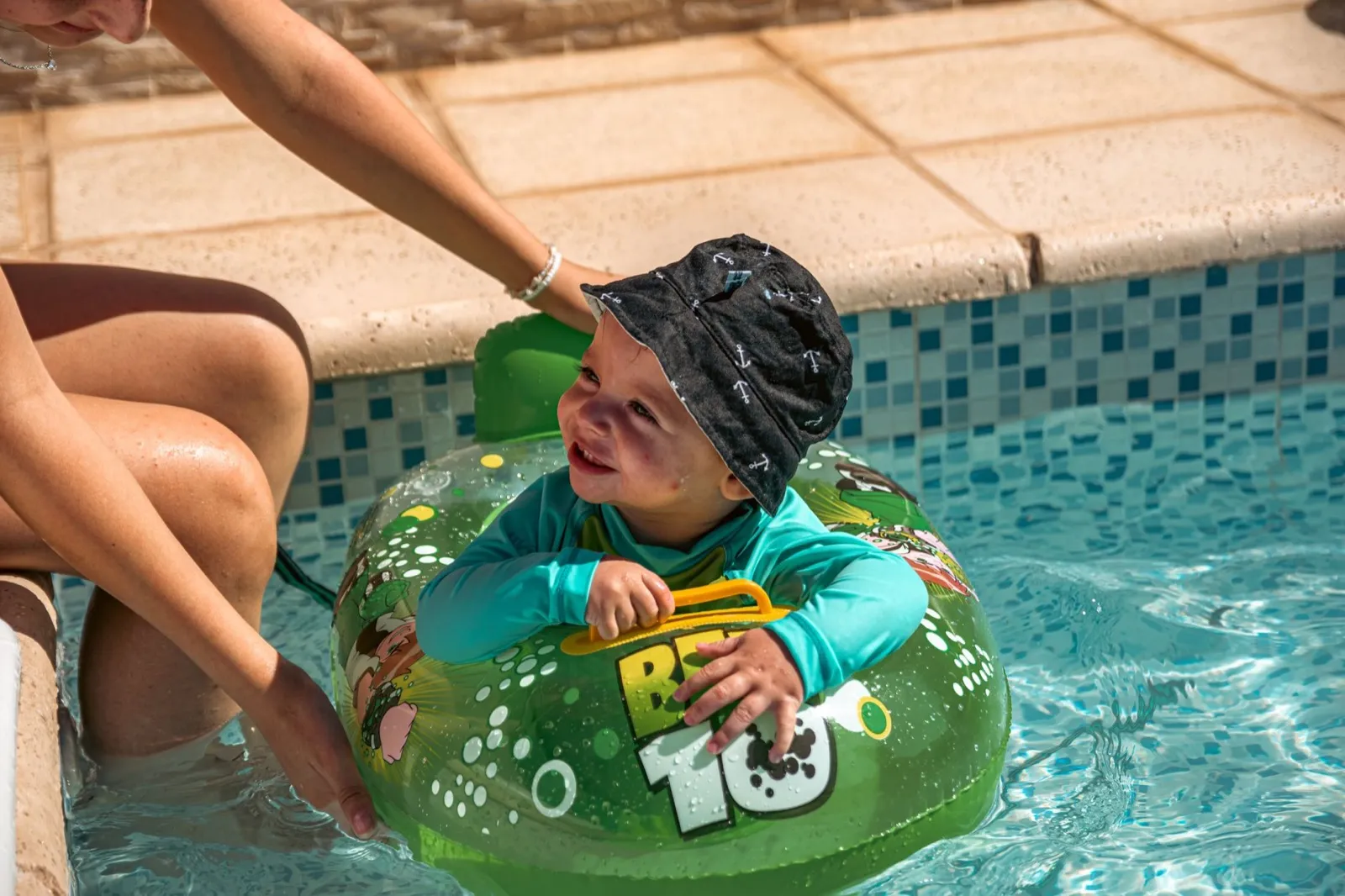
Image Credit: Pexels / Franco Monsalvo
Warm, sunny days can make getting outside with a baby feel much easier, but babies need extra protection from both strong sunlight and heat. Their skin is sensitive, and babies and young children can become unwell in very hot weather.
For babies under 6 months, NHS guidance is to keep them out of direct sunlight. Older babies should also be kept out of the sun as much as possible, particularly during the strongest part of the day. Shade, lightweight clothing, an appropriate sun hat and careful use of sunscreen for babies aged 6 months and over can all help.
Heat matters too. Keeping your baby cool, offering their usual feeds appropriately and checking them regularly are just as important as protecting their skin.
Keep babies under 6 months out of direct sunlight
The NHS advises keeping babies under 6 months old out of direct sunlight.
Their skin is particularly sensitive and contains less melanin, the pigment that provides some natural protection from sunlight.
Shade should therefore be your first line of protection.
This does not mean you need to stay indoors all summer. You can still go for walks, sit in the garden or spend time outside. Look for shaded areas and use a suitable parasol or sunshade on your baby’s pushchair.
Older babies should also spend as much time as practical in the shade during strong sunshine.
In the UK, the NHS recommends taking particular care between 11am and 3pm from March to October, when the sun is strongest.
Do not cover a pram with a blanket
It can be tempting to drape a blanket or muslin over a pushchair to create shade.
The NHS specifically advises against covering a baby’s pushchair or pram with a blanket because this could cause overheating.
Instead, use a suitable parasol or sunshade that provides shade while allowing air to circulate.
Check your baby regularly while you are out.
A shaded pram can still become warm, particularly on a hot, still day. Feel your baby’s chest or the back of their neck rather than relying on their hands and feet to judge whether they are too warm.
If your baby feels hot or sweaty, move somewhere cooler and remove a layer of clothing if appropriate.
Dress your baby for hot weather
On warm days, choose lightweight clothing rather than piling on layers.
NHS guidance says that a single layer may be enough in hot weather and suggests lightweight cotton because it is breathable.
Clothing can also help protect skin from sunlight. A wide-brimmed sun hat can shade your baby’s face, head and neck when you are outside.
The aim is to balance sun coverage with keeping your baby comfortable.
Avoid dressing your baby in heavy or unnecessarily thick clothing simply to cover more skin. Shade should do much of the work.
Remember to remove hats and unnecessary extra layers when you move indoors or into a warm vehicle.
When can babies wear sunscreen?
For babies under 6 months, NHS guidance is to keep them out of direct sunlight rather than relying on sunscreen.
For babies aged 6 months and over, the NHS recommends applying sunscreen with a sun protection factor of at least SPF 30.
Choose a product that also provides good UVA protection. General NHS sunscreen guidance recommends at least 4-star UVA protection, or a product showing the UVA symbol in a circle.
Apply sunscreen to exposed skin according to the product instructions.
Sunscreen should not be the only form of protection. Shade and suitable clothing remain important.
The NHS advises reapplying sunscreen regularly, including after swimming, sweating or towel drying, even if the product is described as water resistant.
If your baby has sensitive skin, eczema or another skin condition and you are unsure which sunscreen to use, ask a pharmacist, health visitor or GP for advice.
Remember that babies can burn in the UK
Sun protection is not only for holidays abroad.
The NHS notes that sunburn can happen in the UK, even when it is cloudy.
Checking the UV index can be useful. NHS guidance suggests considering sun protection when the UV index is 3 or higher.
That means a mild-feeling spring or summer day can still require protection.
Cloud, breeze and cooler air can make sunshine feel less intense without removing the effects of ultraviolet radiation.
Build shade and sun protection into your plans rather than waiting until the weather feels very hot.
Plan outings around the strongest sun
If you have some flexibility, timing can make sunny days easier.
The NHS recommends spending time in the shade between 11am and 3pm when the sun is strongest in the UK.
You might choose an earlier morning walk, find a shaded park or save an outdoor activity for later in the afternoon.
You do not need to avoid leaving home whenever the sun is out. The aim is to reduce unnecessary exposure to strong direct sunlight.
If you are travelling somewhere hotter than the UK, local temperatures and UV levels may be considerably higher, so plan for shade and cooling accordingly.
Keep your baby hydrated in hot weather
Milk remains central to a baby’s hydration.
Fully breastfed babies do not need additional water before they start eating solid foods. The NHS says they may want to breastfeed more often during hot weather.
Formula-fed babies under 6 months may need small sips of cooled boiled water in hot weather alongside their usual milk feeds, according to NHS guidance.
Once a baby has started eating solid foods, usually from around 6 months, sips of water can be offered from a cup or beaker with meals.
Do not dilute formula or change the amount of powder to water in a feed because the weather is hot. Prepare formula exactly according to the manufacturer’s instructions and NHS safe preparation guidance.
If you are unsure whether your baby is drinking enough during very hot weather, ask your health visitor, midwife, pharmacist or GP for advice.
Know the signs of dehydration
Babies cannot tell you that they are thirsty, so pay attention to changes in feeding, nappies and behaviour.
Signs of dehydration in a baby can include nappies that are less wet than usual, sunken eyes and fewer or no tears when crying.
A baby who is becoming unusually sleepy, difficult to wake, not feeding normally or generally seems seriously unwell needs medical assessment.
If you are concerned that your baby may be dehydrated, particularly during very hot weather or if they also have vomiting or diarrhoea, seek medical advice.
You do not need to wait until every possible sign appears before asking for help.
Keep the home as cool as you reasonably can
On very hot days, your home can stay warm long after the strongest sunshine has passed.
The NHS suggests closing curtains or blinds during the day to help keep a child’s bedroom cool.
A fan can be used to circulate air, but NHS baby heat guidance advises not aiming it directly at your child.
Opening windows when it is safe and when the outside air is cooler may also help.
A nursery thermometer can make it easier to see how warm the room actually is.
For sleep, NHS safer sleep guidance recommends a room temperature of around 16°C to 20°C. Reduce clothing or bedding if your baby’s skin feels hot or sweaty.
Never place your baby’s sleep space in direct sunlight or beside a radiator, heater or fire.
Avoid overheating during sleep
Hot nights can make parents understandably unsure about what their baby should wear.
The NHS advises keeping nightwear and bedclothes to a minimum during hot weather. If your baby is hot or sweaty, remove one or more layers.
Check your baby’s temperature by feeling their chest or the back of their neck.
Cool hands and feet do not necessarily mean your baby is cold.
Continue to follow normal safer sleep advice even in hot weather. Put your baby to sleep on their back in their own clear, flat sleep space and avoid adding items to the cot in an attempt to make them more comfortable.
A hot water bottle or electric blanket should never be used in a baby’s sleep space.
Never leave a baby in a parked car
Do not leave your baby in a parked vehicle, even for a short time.
The NHS warns that babies and children can become hot very quickly in small enclosed spaces such as parked cars.
Take your baby with you whenever you leave the vehicle.
The same principle applies to other hot, poorly ventilated spaces.
If you are travelling on a hot day, keep an eye on your baby’s temperature and clothing. Remove outdoor hats and unnecessary layers once you are inside the vehicle.
Water play still needs close supervision
A paddling pool can be a pleasant way for babies and children to cool down during warm weather.
The NHS suggests keeping paddling pools in the shade during very hot weather.
Close adult supervision is essential whenever a baby is around water.
Stay beside your baby and keep them within reach. Do not rely on an older child to supervise.
Empty pools and other containers of water when you have finished using them.
Sun protection is still needed around water because exposed skin can burn, and sunscreen can wash or rub off.
What to do if your baby gets sunburn
Sunburn should be taken seriously in babies and young children.
NHS guidance says to seek urgent GP advice or contact NHS 111 if a baby or young child has sunburn.
Keep sunburnt skin out of direct sunlight while it heals.
Do not put ice or ice packs directly onto sunburnt skin, and do not pop any blisters.
A pharmacist can advise about appropriate sunburn care, but because the person affected is a baby or young child, follow NHS advice and seek medical guidance.
Preventing another exposure is important while the skin recovers.
Signs of heat exhaustion and heatstroke
Babies and young children are among the groups more vulnerable to hot weather.
Heat exhaustion can include symptoms such as tiredness, excessive sweating, thirst, nausea or vomiting, pale or clammy skin and a high temperature.
Heatstroke is more serious and is a medical emergency. NHS warning signs include a very high temperature, hot skin that is not sweating, fast breathing or heartbeat, confusion, restlessness or a seizure.
With a baby, changes may be harder to interpret than they are in an older child or adult. If your baby seems unusually sleepy, difficult to wake, is breathing abnormally, is not responding normally or appears seriously unwell, seek urgent medical help.
A simple baby sun and heat safety checklist
Before heading out on a warm or sunny day, check that:
- babies under 6 months will be kept out of direct sunlight
- you have access to shade
- your baby’s clothing is lightweight and suitable for the weather
- you have a sun hat for outdoor use
- babies aged 6 months and over have suitable sunscreen for exposed skin
- you have considered the UV level and strongest part of the day
- you can continue your baby’s usual feeds
- the pushchair has a suitable sunshade rather than a blanket covering it
- you will check your baby’s temperature and comfort regularly
- you have a plan for moving somewhere cooler if the weather becomes too hot
You do not have to make summer outings complicated. A shady spot, light clothing, regular checks and sensible timing cover many of the basics.
When to get professional advice
Contact your health visitor, GP, pharmacist or NHS 111 if you are worried that your baby is dehydrated, is feeding much less than usual, has fewer wet nappies, seems unusually sleepy or unwell, or you are unsure how to keep them hydrated during very hot weather.
NHS guidance advises seeking urgent GP advice or contacting NHS 111 if a baby or young child has sunburn.
Seek urgent medical help if your baby develops signs of serious heat-related illness. Heatstroke is a medical emergency.
Call 999 if your baby is difficult to wake, has a seizure, is struggling to breathe, is not responding normally or appears seriously unwell.
Parents are often told to trust their instincts with babies. If something feels wrong, you do not need to wait for the situation to fit a perfect checklist before asking for medical advice.
Related reading
- How to Prevent Burns and Scalds in Babies
- Baby Health & Safety Checklist: Essential Rules Every Parent Should Know
- Car Seat Safety for Babies: Essential Rules for Parents