Car Seat Safety for Babies: Essential Rules for Parents
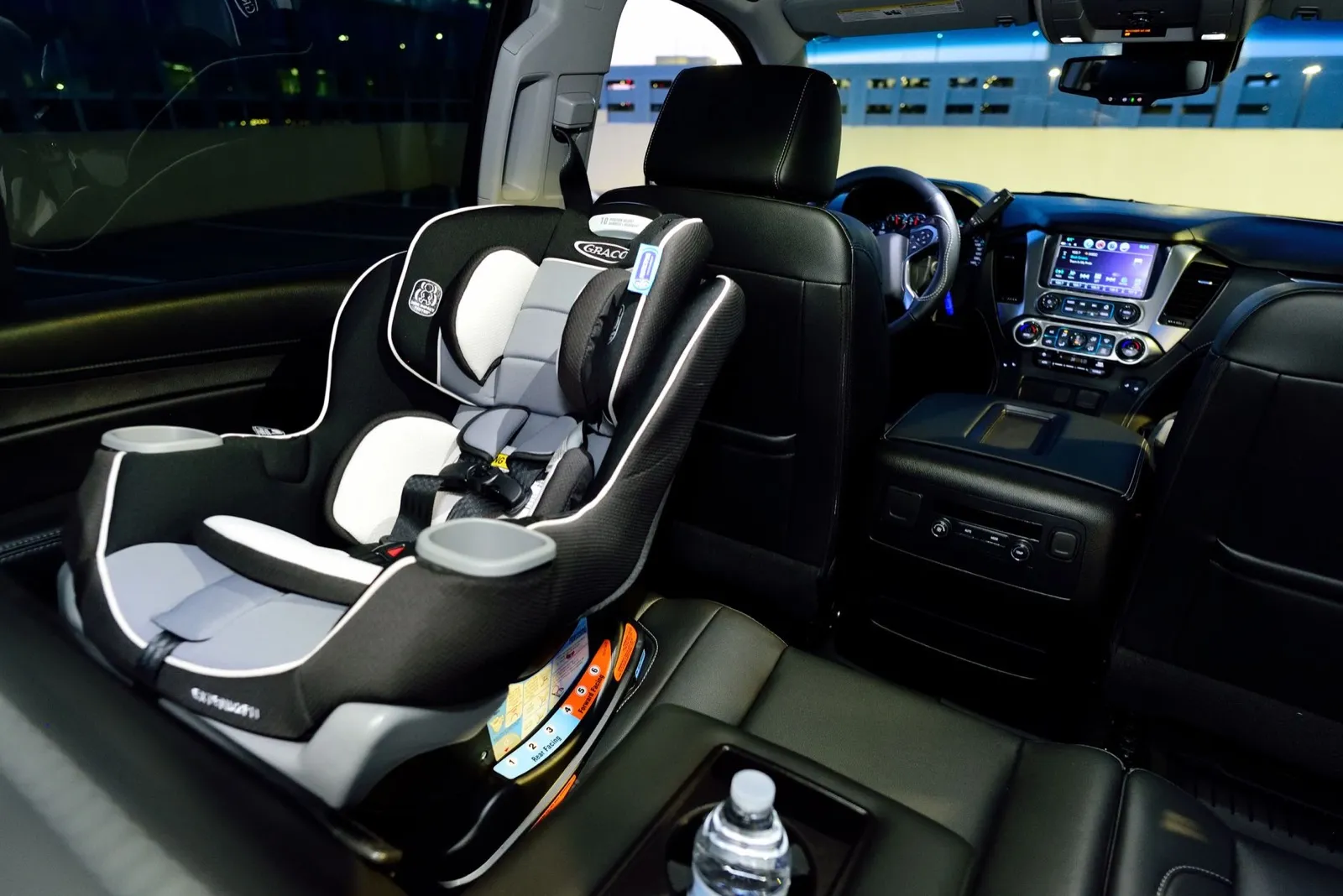
Image Credit: Pexels / Lee Salem
A correctly chosen and fitted car seat is one of the most important pieces of safety equipment you will use for your baby. In the UK, children normally need to use an appropriate child car seat until they are 12 years old or 135cm tall, whichever comes first.
For babies, the key rules are to use an approved rear-facing seat that is suitable for your child’s size, install it exactly as the manufacturer instructs, secure your baby correctly on every journey and never use a rear-facing seat in front of an active frontal airbag.
Car seats can feel surprisingly complicated at first. Different seats use different approval standards, size limits and installation systems, so your own seat’s instructions matter alongside the general safety rules.
Why babies travel rear-facing
Babies should travel rear-facing in a suitable car seat.
A rear-facing seat supports a baby’s head, neck and spine during a collision by spreading crash forces across a larger area of the body.
Under UK rules, height-based i-Size seats must remain rear-facing until a child is over 15 months old.
Some seats allow children to remain rear-facing for longer, depending on the child’s height or weight and the limits set by the manufacturer.
Do not move your baby to forward-facing simply because their feet appear close to the vehicle seat. Follow the limits and instructions for the specific child restraint you are using.
Choose a car seat that meets UK requirements
Car seats used in the UK must meet the relevant approval requirements.
Current government guidance explains that seats approved under UN R129 are based on a child’s height. Older approved seats may be based on weight under the R44 standard.
Always check the label and instructions on the individual seat.
A suitable car seat needs to work for:
- your baby’s height or weight, depending on the seat
- your vehicle
- the seating position where it will be installed
- the installation method you intend to use
Not every child seat fits every vehicle equally well.
Before buying, check the manufacturer’s vehicle compatibility information where available. A specialist retailer or trained car seat adviser may also be able to check the fit in your own car.
Understand i-Size and R129 seats
R129 is a newer child restraint approval standard. Many R129 seats are commonly described as i-Size seats, although not every R129 seat is necessarily an i-Size universal seat.
R129 seats are selected according to a child’s height rather than only their weight.
The standard also includes side-impact testing and requires rear-facing travel for babies until they are older than 15 months.
The important point for parents is not the terminology itself. Check the approval label, your baby’s measurements and the manufacturer’s instructions before using the seat.
ISOFIX or seat belt installation?
Some child car seats attach using ISOFIX points built into the vehicle. Others are secured using the adult seat belt, and some models offer more than one approved installation method.
Neither system removes the need for correct fitting.
For ISOFIX seats, check that all required connectors, support legs or top tethers are positioned exactly as instructed.
For belt-installed seats, follow the correct belt route carefully. The belt should not be twisted and must pass through the points specified by the seat manufacturer.
Do not improvise an installation method or combine methods unless the manufacturer specifically permits it.
Always read the car seat and vehicle manuals
The instructions that came with your car seat are part of using it safely.
Keep them somewhere accessible or save the manufacturer’s official digital version.
Your vehicle handbook also matters because it identifies suitable seating positions, ISOFIX locations and airbag information.
Check both manuals if you:
- move the seat into another vehicle
- change from rear-facing to forward-facing
- remove or refit the seat
- adjust the headrest or harness
- use a support leg or top tether
- are unsure about an airbag
- change the seating position
If the instructions conflict with something you have seen on social media or in a general online guide, follow the official instructions for your approved seat and vehicle.
Never put a rear-facing seat in front of an active airbag
A rear-facing child seat must not be used in a passenger seat protected by an active frontal airbag.
In a collision, the deploying airbag could strike the back of the child seat with enormous force.
UK government guidance specifically states that you must deactivate any front airbags before fitting a rear-facing baby seat in a front seat.
If you cannot safely deactivate the airbag according to your vehicle manufacturer’s instructions, do not install a rear-facing child seat there.
The rear seats are generally the appropriate place for a baby’s car seat, subject to the instructions for your vehicle and child restraint.
Fit the harness correctly every time
Your baby’s harness needs to hold them securely in the seat.
Follow your car seat manufacturer’s instructions for harness height, positioning and tightness.
Remove obvious slack so the harness fits closely against your baby’s body.
Bulky coats can make it difficult to achieve a secure harness fit because the padding creates space between the straps and your baby’s body.
The Royal Society for the Prevention of Accidents, or RoSPA, advises removing thick outer clothing before securing a child into their restraint. You can place a blanket over your baby after the harness has been fastened if needed.
Do not add unofficial harness pads, inserts or accessories unless they are supplied or approved for use with your specific seat.
Check the seat before every journey
You do not need to reinstall the seat every time you drive, but a quick check can catch problems.
Before setting off, check that:
- the car seat is still securely installed
- ISOFIX indicators show the correct connection if applicable
- the support leg or top tether is correctly positioned if required
- the harness is not twisted
- your baby is properly secured
- there is no bulky clothing beneath the harness
- nothing has become trapped underneath or behind the seat
If someone else has used your car or moved the child seat, check the installation again before putting your baby in it.
Do not move to the next seat too early
Car seat stages can be confusing, and there is no benefit in rushing from one stage to another.
Keep using your current approved seat while your baby remains within its permitted limits and it continues to be used according to the manufacturer’s instructions.
For a height-based seat, follow its height range.
For a weight-based seat, follow its weight group and limits.
Do not base the decision solely on your baby’s age or whether their legs look long.
If you are unsure whether your baby has outgrown their seat, check the manual or contact the manufacturer or a qualified child car seat adviser.
Carrycot car seats and lie-flat options
Some baby travel systems include carrycots or lie-flat products that are approved for use in vehicles.
A normal pram carrycot is not automatically a car restraint.
Only use a carrycot for car travel if it is specifically approved as a child restraint and installed according to its instructions.
For most journeys, babies travel in an appropriate rear-facing infant car seat.
If your baby was premature or has a medical condition that affects positioning or breathing, ask their healthcare team whether you need individual advice about car travel.
Car seats are for travel, not routine sleep at home
Babies often fall asleep in the car, and that is normal.
However, a car seat is designed primarily as a safety restraint for travel rather than as your baby’s regular sleep space at home.
The Lullaby Trust advises moving a baby who has fallen asleep in a car seat to a firm, flat sleeping surface once you have reached your destination.
At home, follow safer sleep guidance by placing your baby on their back in their own clear, flat sleep space.
Do not place the infant carrier on an elevated surface such as a table, worktop or bed where it could fall.
Take breaks on longer journeys
There is no single NHS rule giving every healthy baby an exact maximum number of minutes they may spend in a car seat.
The Lullaby Trust advises taking regular breaks on long journeys and removing your baby from the car seat during the break.
For very young or premature babies, ask your midwife, health visitor or medical team for individual guidance before a long journey.
Plan extra time into the trip so stops do not feel like an inconvenience.
If possible, having another adult sit where they can keep an eye on a young baby can also be helpful on longer journeys.
Never leave your baby alone in the car
Do not leave your baby unattended in a vehicle.
Cars can become dangerously hot, even when outdoor temperatures do not feel extreme.
A baby also cannot tell you if they are distressed, unwell or having difficulty breathing.
Take your baby with you when you leave the vehicle, even if you expect to be gone for only a short time.
Build this into your routine rather than relying on memory when you are tired or distracted.
Be careful with second-hand car seats
A second-hand car seat may look perfectly fine while having a history you cannot verify.
RoSPA advises that it is best to avoid buying a second-hand child car seat because you cannot be certain whether it has been involved in a collision or has hidden damage.
If you are considering a seat from someone you trust, make sure you know its complete history, that it has not been in a crash, that all parts and instructions are present, and that it is still suitable and approved for use.
Check the manufacturer’s stated lifespan or expiry information where applicable.
Do not use a seat with cracks, missing parts, damaged harnesses or unclear approval markings.
What to do with a car seat after a crash
After a collision, follow the child seat manufacturer’s instructions about replacement.
Damage caused during a crash is not always visible.
Some manufacturers recommend replacing a seat after particular types of collision, while requirements can vary by model and circumstances.
If you are unsure, contact the manufacturer directly and tell your insurer that a child restraint was in the vehicle.
Do not continue using a seat if the manufacturer advises replacement.
Avoid unapproved car seat accessories
There is a large market for car seat accessories, including head supports, harness covers, seat liners and strap products.
If an accessory did not come with your car seat or is not approved by its manufacturer, it may alter the way the restraint performs or affect the harness fit.
Use only components and accessories that the manufacturer says are compatible with your exact model.
This also applies to replacement parts.
If something is lost or damaged, contact the manufacturer rather than improvising a substitute.
Check that everyone who drives your baby knows the setup
Your baby’s seat may sometimes be used by a partner, grandparent, relative or childcare provider.
Show regular caregivers:
- how the seat is installed
- how to tighten and release the harness
- how the buckle works
- where the straps should sit
- which inserts are currently required
- how to recognise a correct installation
- what the seat’s current size limits are
If the seat is frequently transferred between vehicles, make sure each vehicle is compatible and the person fitting it knows the correct installation method.
A correctly fitted seat in one car is not automatically correctly fitted in another.
A simple baby car seat safety checklist
Before driving, check that:
- your baby is using a suitable approved child car seat
- the seat is rear-facing as required for their stage
- the seat is compatible with your vehicle
- the installation follows the manufacturer’s instructions
- a rear-facing seat is never positioned in front of an active frontal airbag
- the harness fits securely and is not twisted
- bulky coats are not interfering with the harness
- required ISOFIX indicators, support legs or tethers are correctly positioned
- your baby remains within the seat’s height or weight limits
- no unapproved accessories have been added
You do not need to memorise every technical detail about every car seat. You do need to know your own seat well enough to use it consistently and correctly.
When to get professional advice
Ask the car seat manufacturer, a reputable specialist retailer or a qualified child car seat adviser if you are unsure whether your seat is suitable for your baby or vehicle, or if you cannot achieve a secure installation.
Speak to your midwife, health visitor, GP or paediatric team before longer car journeys if your baby was born prematurely or has a medical condition that may affect breathing or positioning.
After a collision, follow the car seat manufacturer’s instructions and seek medical attention for your baby if needed. Call 999 after a serious crash or if your baby is unconscious, struggling to breathe, seriously injured or otherwise needs emergency medical care.
Car seat safety is less about achieving a perfect setup on your first attempt and more about following the approved instructions carefully every time. If something about the installation does not look or feel right, get it checked before travelling.
Related reading
- Baby Health & Safety Checklist: Essential Rules Every Parent Should Know
- Babyproofing Your Home: A Room-by-Room Safety Checklist
- Baby Sun Safety: How to Protect Your Baby From the Sun and Heat