Babyproofing Your Home: A Room-by-Room Safety Checklist
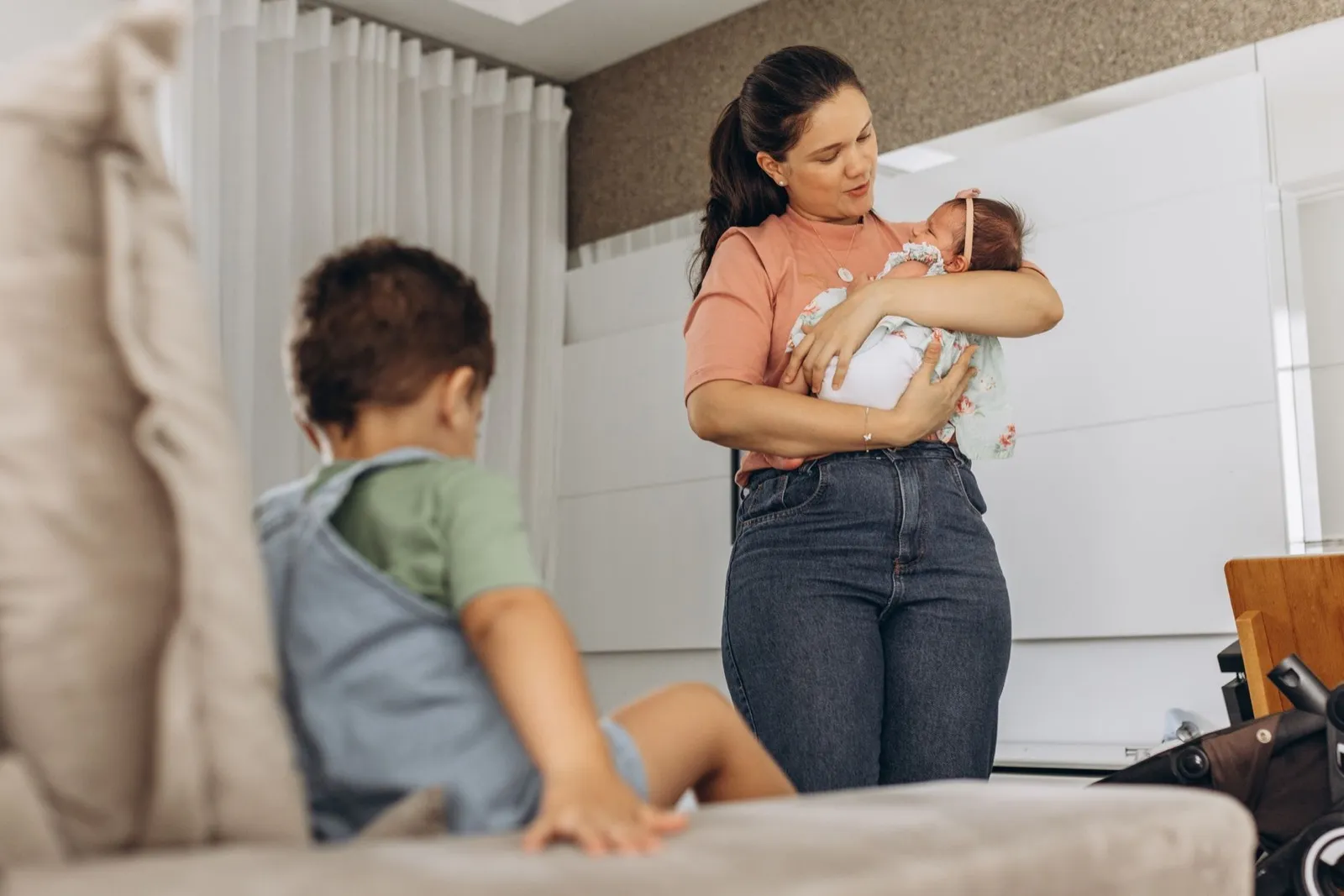
Image Credit: Pexels / Jonathan Borba
Babyproofing can feel like an enormous job when you start looking at your home through a baby’s eyes. You do not need to turn every room into an empty padded space. Focus first on the hazards that can cause serious harm, including falls, burns, choking, poisoning, drowning, strangulation and access to unsafe objects.
It also helps to think of babyproofing as an ongoing habit rather than a single weekend project. A newborn who stays where you put them has very different opportunities from a baby who can suddenly roll, crawl, pull up or climb.
This room-by-room checklist covers the practical changes worth making and the everyday habits that matter just as much as safety products.
Before you start: get down to your baby’s level
One of the simplest ways to spot hazards is to look at each room from floor level.
Check what your baby could potentially grab, pull, climb, swallow or become tangled in. Look beneath furniture and around its edges, not just at the obvious surfaces.
Pay particular attention to:
- small objects
- medicines and cleaning products
- dangling cords and cables
- unstable furniture
- hot appliances and drinks
- stairs and windows
- plastic bags
- button batteries
- magnets
- sharp objects
- accessible water
Repeat the check as your baby’s mobility changes. Something that was safely out of reach last month may become accessible once they can stand.
Living room babyproofing checklist
The living room is often where babies spend much of their floor time, so start with anything within reach.
Secure furniture that could topple
Babies eventually use furniture to pull themselves up and may try to climb.
Tall or unstable furniture that could be pulled over should be securely fixed according to the manufacturer’s instructions. Think about chests of drawers, shelving and televisions as well as obvious tall units.
Avoid placing tempting objects on top of furniture where a child might try to climb to reach them.
Check blind and curtain cords
Looped blind and curtain cords can present a strangulation risk.
Keep cords and chains secured and completely out of children’s reach. Follow the safety instructions and use the safety devices supplied with the blind.
RoSPA advises checking blind cords in every room a child uses and keeping furniture, cots and beds away from windows with blind cords.
If older blinds cannot be made safe with appropriate devices, consider replacing them with a safer design.
Remove small objects
Coins, buttons, small toy pieces and other little objects can become choking hazards.
Check the floor regularly, especially after visitors or older children have been playing.
Toys intended for older children may contain pieces unsuitable for babies, so keep them separately.
Keep hot drinks away
A mug that feels safely out of reach to you may become reachable surprisingly quickly once your baby can pull up.
Keep hot drinks well away from the edges of tables and other surfaces.
The NHS notes that a hot drink can still scald a child 15 minutes after it has been made.
Living room checklist
- Secure unstable furniture where necessary.
- Keep blind and curtain cords safely out of reach.
- Move climbable furniture away from windows.
- Remove coins, batteries and other small objects.
- Keep hot drinks well away from your baby.
- Keep plastic bags and nappy sacks out of reach and sight.
- Check toys for loose or small pieces.
- Keep matches and lighters inaccessible.
- Keep electrical cables and appliances safely managed.
Kitchen babyproofing checklist
The kitchen combines heat, sharp objects, cleaning chemicals and heavy equipment, so supervision is particularly important.
Keep medicines and cleaning products inaccessible
Store medicines locked away or high up, out of sight and reach.
Cleaning products should also be stored safely. If they must be kept in a low cupboard, the NHS recommends fitting an appropriate safety catch.
Do not rely on child-resistant packaging alone. Child-resistant does not mean child-proof.
Laundry and dishwasher capsules also need to be kept out of sight and reach.
Make cooking areas safer
Use the back rings of the cooker where possible and turn saucepan handles towards the back so little hands cannot grab them.
Keep kettle leads short or positioned where they cannot be pulled.
Knives, scissors and other sharp utensils should be stored securely out of reach.
Do not hold your baby while carrying hot food or drinks if doing so could put them in the path of a spill.
Use the high chair safely
Secure your baby with the high chair’s fitted harness every time.
Stay with your baby while they eat. The NHS advises keeping children seated while eating and supervising meals because food is a common choking hazard.
Keep the high chair away from surfaces your baby could push against with their feet.
Kitchen checklist
- Lock away or safely store medicines.
- Keep cleaning products and laundry capsules inaccessible.
- Store knives and other sharp tools out of reach.
- Use back cooker rings where practical.
- Turn saucepan handles towards the back.
- Keep kettle and appliance cables out of reach.
- Keep hot food and drinks away from edges.
- Use the high chair harness every time.
- Stay with your baby throughout meals.
- Keep small magnets and button batteries inaccessible.
Bathroom babyproofing checklist
Water requires active supervision. Safety equipment does not replace an adult being present.
Never leave a baby alone in the bath
Stay with your baby for the entire bath.
The NHS warns that babies can drown in very shallow water and that drowning can be silent.
A bath seat is not a safety device and does not make it safe to leave a baby unattended.
Prepare everything you need before putting your baby in the bath so you are less likely to need to step away.
If you need to leave the room, take your baby with you.
Prevent scalds
When preparing a bath, the NHS advises putting cold water in first and then adding hot water.
Check the temperature before your baby gets in.
Keep hair straighteners, curling tools and other heated appliances out of reach while they are being used and while they cool.
Store toiletries and medicines safely
Do not assume a bathroom product is harmless because it is used every day.
Keep medicines, cleaning products, cosmetics and other potentially harmful products out of reach.
Bathroom checklist
- Stay with your baby throughout every bath.
- Never rely on a bath seat for safety.
- Empty the bath after use.
- Keep medicines securely out of reach.
- Store cleaning products safely.
- Keep heated styling tools and their cables inaccessible.
- Keep razors and scissors out of reach.
- Check the bath temperature before putting your baby in.
Nursery babyproofing checklist
A nursery should be calm and practical, but several common decorative items can create avoidable risks.
Keep the cot area clear
Follow current NHS safer sleep advice for your baby’s sleep space.
The NHS advises keeping cots free from pillows, duvets, cot bumpers and soft toys for babies under 1 because these can create suffocation or other hazards.
Do not add items to the cot simply because they are marketed for babies.
Keep the cot away from cords
Position the cot away from windows and blind or curtain cords.
Also check nearby cables, monitor leads and other cords that might become reachable as your baby grows.
A cable that is well beyond a newborn’s reach may not remain that way once the baby can stand in the cot.
Think ahead before your baby can climb
Remove objects from the cot that could later be used as a step for climbing.
Check the cot regularly and follow the manufacturer’s guidance for adjusting its setup as your baby develops.
Nursery checklist
- Follow current NHS safer sleep guidance.
- Keep the cot clear of unnecessary soft items.
- Position the cot away from windows and blind cords.
- Keep monitor and electrical cables out of reach.
- Secure unstable furniture.
- Keep medicines and nappy products inaccessible.
- Keep plastic nappy bags out of reach and sight.
- Check the room again once your baby can pull to stand.
Stairs and hallway babyproofing checklist
Falls are one of the major home accident risks for young children.
Fit appropriate stair gates
Once your baby becomes mobile, use safety gates that meet the relevant British Standard to prevent access to stairs.
Follow the manufacturer’s installation instructions carefully and close the gate properly each time you pass through it.
Keep stairs free from toys, bags and other trip hazards, particularly because adults may be carrying a baby while using them.
Check banisters
The NHS advises taking action if gaps between banisters or balcony railings are wide enough for a small child to squeeze through.
Do not create a covering that itself provides an easy climbing surface or introduces another hazard.
Hallway and stairs checklist
- Install suitable safety gates where needed.
- Close gates properly after use.
- Keep stairs free from clutter.
- Keep stairways well lit.
- Check banister and railing gaps.
- Keep shoes and bags away from walking routes.
- Use the handrail when carrying your baby on stairs.
Windows and balconies
Windows become more relevant once a baby can crawl, stand and climb.
Keep low furniture away from windows so it cannot become a climbing step.
The NHS recommends window locks or safety catches that restrict how far a window can open while still allowing adults to access keys when needed in an emergency.
Check balconies and railings for gaps and climbing opportunities.
Never rely on an insect screen to prevent a fall unless it has specifically been designed and certified for that purpose.
Window checklist
- Move climbable furniture away from windows.
- Fit appropriate window locks or restrictors where needed.
- Keep blind cords safely secured.
- Check balcony and railing gaps.
- Keep keys accessible to adults for emergencies.
- Reassess the area once your baby begins climbing.
Bedroom babyproofing checklist
If your baby spends time in your bedroom, check it just as carefully as the nursery.
Medicines on bedside tables, loose change, charging cables, cosmetics and small jewellery can all become accessible.
Never leave your baby unattended on a bed, even if they have not rolled before. Babies can develop new movement skills unexpectedly.
The NHS suggests changing a baby’s nappy on a changing mat on the floor as a way to reduce fall risk.
Bedroom checklist
- Keep medicines away from bedside tables.
- Remove coins, jewellery and other small objects.
- Keep charging cables and cords out of reach.
- Secure blind cords.
- Keep plastic bags inaccessible.
- Do not leave your baby unattended on the bed.
- Keep cosmetics and toiletries out of reach.
- Secure unstable furniture where necessary.
Changing area safety
Changing tables are convenient, but they are raised surfaces.
Never leave your baby unattended on one, even briefly.
If you need to reach for something, keep a hand on your baby or move them to a safe place first.
Keeping nappies, wipes and clean clothes within adult reach before you start can make this easier.
A changing mat on the floor removes the risk of falling from height.
Keep nappy sacks and plastic bags away from your baby’s reach because they can cause suffocation.
Garden and outdoor spaces
Your babyproofing check should extend beyond the back door.
Water needs particular attention
Ponds should be securely fenced, covered appropriately or filled in while children are small.
Paddling pools should be supervised continuously while in use, then emptied and stored away afterwards.
Check neighbouring gardens too if your child could gain access to them.
Buckets and other containers can also collect water, so empty them when they are not being used.
Check plants and garden products
Some plants can be harmful if eaten.
Keep gardening chemicals and tools securely stored.
As your baby becomes a toddler, teach them not to eat berries, leaves or other things they find outdoors without checking with an adult.
Garden checklist
- Secure access to ponds and other water.
- Supervise paddling pools continuously.
- Empty pools and water containers after use.
- Store gardening products securely.
- Keep tools inaccessible.
- Check the garden for potentially harmful plants.
- Make sure gates and boundaries are secure.
Button batteries and magnets throughout the home
Button batteries deserve a separate home-wide check because they can be found in many everyday objects.
Look at remote controls, toys, key fobs and other small electronic devices.
Make sure battery compartments are securely closed and spare batteries are stored completely out of reach.
Small magnets should also be kept away from babies and young children.
If you think your baby has swallowed a button battery or magnet, NHS guidance says to call 999 or go straight to A&E. Do not wait for symptoms to develop.
Fire safety for a home with a baby
Fit smoke alarms on every level of your home and test them regularly in line with current fire safety guidance and the manufacturer’s instructions.
Keep matches and lighters out of reach.
Do not overload electrical sockets.
If you have an open fire or heater, use an appropriate securely fitted fireguard.
Think through how you would leave your home during a fire, including how you would get your baby out safely.
Keeping hallways and escape routes free from clutter can help.
You do not need to buy every babyproofing product
There are plenty of safety products marketed to parents, but effective babyproofing is not about filling your home with gadgets.
Some of the most useful changes are simple:
- moving dangerous items higher
- locking medicines away
- keeping hot drinks out of reach
- removing small objects
- moving furniture away from windows
- supervising around water
- keeping stairs clear
- securing cords
- storing sharp objects safely
For products such as safety gates, window restrictors and furniture fixings, choose suitable products and follow the manufacturer’s installation instructions.
Babyproofing works best when physical safeguards are combined with everyday supervision.
A final whole-home babyproofing check
Walk through your home and ask yourself:
- Could my baby fall from here?
- Could they climb this?
- Could this furniture tip?
- Could they swallow this?
- Could this wrap around their neck?
- Could they reach something hot?
- Could they access water?
- Could they reach medicine or chemicals?
- Could they pull this cable or object down?
- Could they get through this door, gate or window?
Then repeat the exercise whenever your baby reaches a new stage of mobility.
A home does not need to be perfectly hazard-free to be a loving, comfortable place for a baby. The goal is to remove serious, foreseeable risks while giving your child safe space to explore.
When to get professional advice
If your baby has an accident and you are unsure whether they need medical help, contact NHS 111.
Call 999 for serious emergencies, including if your baby stops breathing, is struggling to breathe, is unconscious or difficult to wake, has a seizure, is bleeding heavily, has been severely injured, or has swallowed poison or too much medicine.
If you think your baby has swallowed a button battery or magnet, call 999 or take them straight to A&E.
For home safety concerns that are specific to your property, such as unsafe windows, stairs, blinds or rented accommodation, seek appropriate professional advice rather than relying on improvised modifications.
Babyproofing reduces risk, but it cannot replace supervision. Revisit your safety setup as your baby’s abilities change, particularly when they begin rolling, crawling, pulling to stand and climbing.
Related reading
- Poisoning Prevention for Babies: Medicines, Cleaning Products and Household Hazards
- How to Prevent Burns and Scalds in Babies
- Baby Sun Safety: How to Protect Your Baby From the Sun and Heat