Baby's First Foods: What Foods Can You Introduce First?
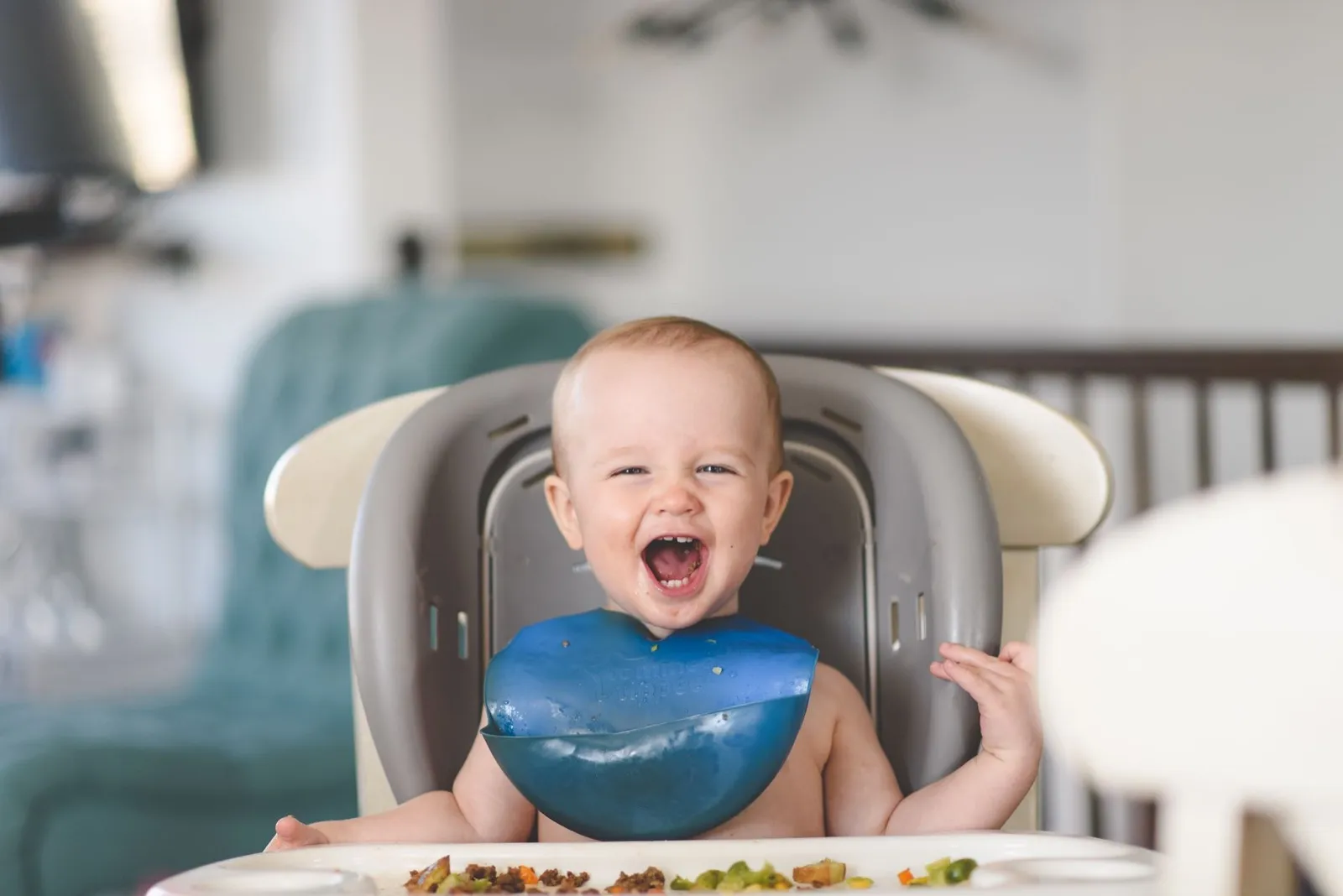
Image Credit: Pexels / Stephen Andrews
Baby’s First Foods: What Foods Can You Introduce First?
Starting your baby on solid food can feel surprisingly complicated when you are faced with lists of purées, finger foods, allergens and foods to avoid. The reassuring answer is that first foods can be simple.
From around 6 months, once your baby shows the developmental signs that they are ready for solids, you can begin with small amounts of soft foods alongside their usual breast milk or first infant formula. NHS guidance suggests offering a variety of foods and recommends including vegetables that are not naturally sweet, such as broccoli, cauliflower and spinach, from the start.
Soft fruit, starchy foods, protein-rich foods and pasteurised full-fat dairy can also become part of your baby’s diet. Foods that can trigger allergies can usually be introduced from around 6 months too, one at a time and in small amounts.
There is no single perfect first food. What matters is offering safe, age-appropriate textures and gradually building variety while letting your baby explore at their own pace.
When is your baby ready for first foods?
The NHS recommends introducing solid foods from around 6 months.
Age is only part of the picture. Your baby should also show three developmental signs together.
They should be able to:
- stay sitting and hold their head steady
- coordinate their eyes, hands and mouth so they can pick up food and bring it towards their mouth
- swallow food rather than pushing it back out
Behaviours such as chewing fists, waking more often at night or wanting extra milk feeds are not reliable signs that a baby is ready for solids.
If your baby was born prematurely, ask your health visitor or GP when it would be appropriate to start.
Which vegetables make good first foods?
Vegetables are a practical place to begin.
NHS guidance specifically encourages parents to include vegetables that are not sweet, such as broccoli, cauliflower and spinach. This gives babies experience of a wider range of flavours rather than introducing only naturally sweeter foods.
Other vegetables suitable from around 6 months can include:
- parsnip
- potato
- sweet potato
- carrot
- courgette
- peas
- butternut squash
Preparation matters more than creating complicated recipes.
Vegetables should be cooked until they are soft enough for your baby to manage. Depending on your baby’s abilities and how you are feeding them, you might mash them, offer them on a spoon or prepare them as soft finger foods.
Allow hot food to cool properly before offering it.
What fruits can babies try first?
Fruit can also be introduced from around 6 months.
Soft ripe fruits may need little preparation, while harder fruits should be cooked or softened.
Possible early options include:
- banana
- pear
- apple
- peach
- melon
- mango
- berries
Remove stones, pips and hard skins where appropriate, and prepare fruit in a texture and shape your baby can safely manage.
There is no need to sweeten fruit or add sugar.
Fruit is naturally sweet, which is another reason it can be useful to offer plenty of vegetables alongside it rather than relying mainly on fruit-based purées.
Should first foods be puréed?
They can be, but they do not have to be.
Some babies begin with smooth or blended foods on a spoon. Others are comfortable with mashed, lumpy or soft finger foods from the beginning.
The NHS advises moving on from smooth purées towards mashed, lumpy and finger foods as soon as your baby can manage them.
Different textures help babies practise moving food around their mouths, chewing and swallowing.
If your baby initially prefers smoother textures, that is fine. Keep giving them opportunities to experience more texture as their skills develop.
Can you start with finger foods?
Yes, if your baby is developmentally ready and the food is prepared safely.
Finger foods give babies an opportunity to touch, hold and explore food for themselves.
Good first finger foods are soft enough to manage and large enough for your baby to hold.
Soft cooked broccoli, for example, can work well because the stalk gives your baby something to grip.
Other options might include soft pieces of cooked vegetables or suitably prepared soft fruit.
Always supervise your baby while they are eating and make sure they are sitting upright.
What about starchy first foods?
Starchy foods can be included as you build variety.
Suitable foods can include potato, sweet potato, bread, pasta, rice and cereals prepared in an age-appropriate way.
You do not have to rely on baby rice as the first or main food.
The aim is gradually to introduce your baby to different food groups, tastes and textures.
If you use packaged baby foods or cereals, check the label and choose options without unnecessary added sugar or salt.
Which protein-rich foods can babies eat?
From around 6 months, babies can also begin eating appropriately prepared protein-rich foods.
These can include:
- eggs
- beans
- lentils
- chickpeas and other pulses
- tofu
- fish without bones
- meat such as chicken or beef
These foods can provide useful nutrients as your baby’s diet becomes more varied.
Beans and lentils should be cooked until soft and prepared in a texture your baby can manage.
Fish should be thoroughly cooked and carefully checked for bones.
Eggs should be cooked appropriately, following current food safety guidance.
Can babies have yoghurt and cheese?
Pasteurised full-fat dairy foods can be offered from around 6 months.
Plain, full-fat yoghurt or fromage frais without added sugar can be a simple option.
Pasteurised cheese can also be included.
Cows’ milk can be used in cooking or mixed into food from around 6 months, but it should not replace breast milk or first infant formula as your baby’s main drink before 12 months.
Breast milk or first infant formula remains your baby’s main drink throughout the first year.
What foods should you introduce for allergy exposure?
Foods that commonly trigger allergic reactions can usually be introduced from around 6 months as part of your baby’s normal diet.
The NHS recommends introducing them one at a time and in very small amounts so you can recognise a reaction.
These foods include:
- eggs
- peanuts and nuts in a safe form
- cows’ milk in food
- foods containing gluten
- sesame and other seeds
- soya
- fish
- shellfish
Whole nuts should not be given to babies because they are a choking hazard. Nuts and peanuts should be offered crushed, ground or in another suitable form.
Once an allergenic food has been introduced and tolerated, NHS guidance recommends continuing to include it as part of your baby’s usual diet.
If your baby has a diagnosed food allergy or eczema, or there is a family history of food allergies, eczema, asthma or hay fever, speak to your GP or health visitor before introducing foods that may trigger an allergic reaction.
How should you introduce an allergenic food?
Keep the first introduction simple.
Introduce one potential allergen at a time and offer a very small amount.
This makes it easier to identify which food may have caused a reaction if symptoms appear.
Do not introduce several new allergenic foods together in one complicated meal.
Watch your baby afterwards for symptoms of an allergic reaction.
Possible symptoms can include an itchy red rash, swelling of the lips or face, red or itchy eyes, coughing, wheezing, vomiting or tummy symptoms.
Severe reactions involving breathing difficulties or swelling of the throat or tongue require emergency medical help.
How much food should you offer at first?
You do not need to prepare a full plate.
When your baby first starts solids, the NHS recommends beginning with a small amount once a day at a time that suits you both.
Your baby might swallow very little initially.
They may lick the food, squeeze it, drop it or make surprised faces.
That is still useful experience.
At this stage, learning how food feels and tastes matters more than eating a large quantity.
Continue offering breast milk or first infant formula according to your baby’s needs.
Should you introduce one new food at a time?
You do not need to introduce every ordinary food individually and wait several days before trying another.
Variety is encouraged.
The important exception is foods that can trigger allergic reactions. These should be introduced one at a time and in small amounts so that a reaction can be identified.
For ordinary vegetables, fruits and other foods, you can gradually build variety as your baby becomes comfortable with eating.
Keeping meals fairly simple at the beginning may also help you understand what your baby enjoys and which textures they find easiest to manage.
What if your baby dislikes a food?
A wrinkled nose or dramatic expression does not necessarily mean your baby hates broccoli forever.
New tastes and textures can feel strange.
The NHS advises continuing to offer a variety of foods, including foods your baby has previously rejected.
Some babies need repeated opportunities before they become familiar with a particular taste or texture.
Avoid forcing your baby to eat it.
Offer a small amount another time alongside foods they already know.
The goal is exposure and familiarity, not an empty bowl.
Should you add salt or sugar?
Babies do not need salt or sugar added to their food.
Avoid adding salt to cooking water or using salty ingredients such as stock cubes when preparing food specifically for your baby.
Many processed foods can also contain significant amounts of salt.
There is no need to add sugar either.
Simple foods allow your baby to experience their natural flavours.
Which foods should babies avoid?
Some foods are unsuitable because of food safety concerns, nutritional reasons or choking risk.
The NHS advises that babies should not have honey before 12 months because of the risk of infant botulism.
Whole nuts are a choking hazard and should not be given to young children.
Other choking hazards include foods such as popcorn, hard sweets and sticky sweets.
Unpasteurised milk and certain unpasteurised or mould-ripened soft cheeses should be avoided because of the risk of harmful bacteria.
Raw shellfish should not be given to babies.
Rice drinks should also be avoided in young children because they can contain too much arsenic.
Check current NHS guidance if you are unsure about a particular food.
How can you reduce choking risk?
Food needs to be prepared with your baby’s developing eating skills in mind.
Think about size, shape and texture.
Hard foods such as raw carrot or apple should not be given in pieces that a baby could easily choke on. Cook or soften them appropriately.
Whole nuts should not be offered.
Small round foods need careful preparation rather than being given whole.
Always keep your baby sitting upright while eating and supervise every meal.
It is also useful for parents and regular caregivers to learn baby and child first aid so they know how to respond if choking happens.
Gagging is not the same as choking
Gagging is common while babies learn to manage solid food.
A gagging baby may make noise, retch, push their tongue forward or have watery eyes.
Choking is different because the airway is blocked. A choking baby may be unable to breathe or make effective sounds.
Understanding the difference can make early meals feel less frightening.
If your baby is choking and cannot breathe properly, immediate first aid and emergency help may be needed.
A simple way to plan the first few foods
You do not need a complicated weaning timetable.
Start with a few simple foods and gradually expand.
For example, you might begin by offering different soft vegetables, then add fruit, starchy foods and protein-rich options as your baby becomes comfortable.
Introduce potential allergens carefully, one at a time.
Keep milk feeds going alongside solids.
Over time, your baby’s meals can begin to look more like simplified versions of family food, provided the ingredients and textures are suitable.
The aim is variety, not perfection.
When to get professional advice
Speak to your health visitor or GP if you are unsure whether your baby is ready for solids, particularly if your baby was born prematurely or has a medical or developmental condition affecting feeding.
Ask for advice if your baby repeatedly coughs or chokes while eating, has difficulty swallowing, struggles to manage appropriate textures, refuses both milk and solids, or you are worried about their growth.
If your baby has eczema, a diagnosed food allergy or a family history of allergic conditions, ask your GP or health visitor for advice about introducing allergenic foods.
If you think your baby has reacted to a food, stop giving that food and seek medical advice.
A severe allergic reaction can cause breathing difficulty or swelling of the throat or tongue. This is a medical emergency.
If your baby is choking and cannot breathe effectively, follow emergency first aid guidance and call 999.
Related reading
- When Can Babies Start Eating Solid Foods?
- How to Start Weaning Your Baby: A Beginner’s Guide
- Baby-Led Weaning: What Parents Need to Know