Best nursing bras
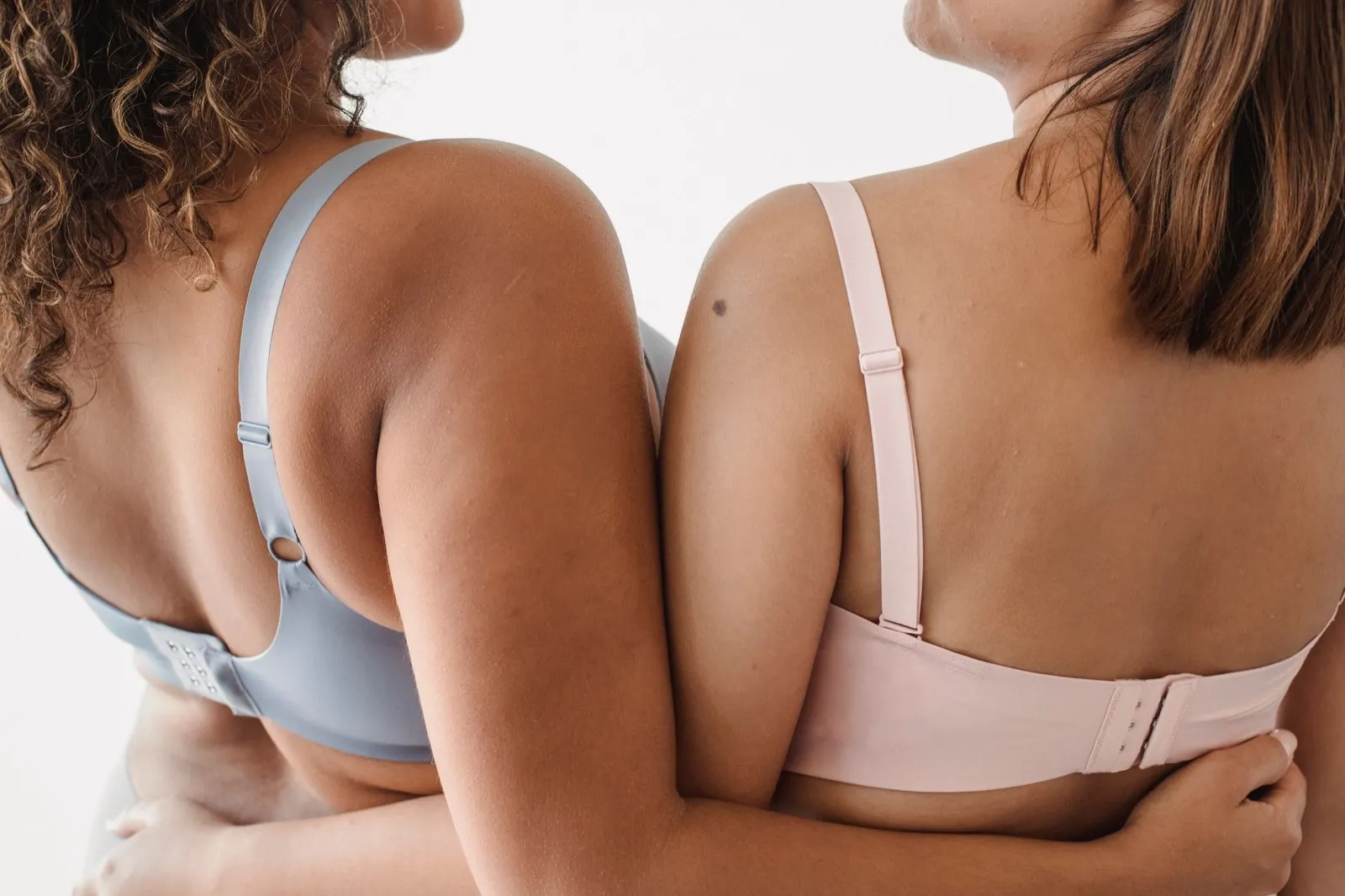
Image Credit: Pexels / Antonius Ferret
The best nursing bra is one that fits comfortably, gives you the level of support you want and makes feeding or expressing straightforward if you choose to do either. You do not need a particular brand, a huge collection or the most expensive option.
Breast size and shape can change during pregnancy and after birth, so flexibility matters. Adjustable bands, several hook settings, comfortable fabric and cups that are easy to open or move aside can all be more useful than buying according to appearance alone.
You also do not have to buy nursing bras simply because you are pregnant. They are a practical clothing option, not a requirement, and how you feed your baby is a personal decision.
What makes a good nursing bra?
A good nursing bra should feel comfortable when you are sitting, moving and feeding. It should support your breasts without digging in, rubbing or feeling restrictive.
Useful features can include:
- adjustable shoulder straps
- several band settings
- soft, comfortable fabric
- cups that open or move aside easily
- enough stretch to accommodate some changes in breast size
- secure fastenings that you can manage one-handed
- washable materials suitable for frequent wear
Fit is particularly important. NHS guidance for people experiencing sore or cracked nipples while breastfeeding recommends a well-fitting bra without underwire to avoid restricting the breasts.
A nursing bra should not leave you feeling compressed simply because it is described as supportive.
The main types of nursing bra
There is no single style that works best for everyone. Your routine, breast size, preferred level of support and clothing all affect what feels practical.
Clip-down nursing bras
Clip-down bras have cups that unfasten from the strap and fold down for feeding.
They are one of the most familiar nursing styles and can work well if you want a bra that feels similar to a conventional everyday bra.
Try the clips before committing to a style. You should be able to open and close them comfortably, particularly if you expect to use them one-handed while holding your baby.
Crossover nursing bras
Crossover or pull-aside bras usually have overlapping fabric cups rather than clips.
They can be soft and simple, with fewer fastenings to manage. Some people find them particularly comfortable for relaxing at home.
The trade-off can be less structured support, depending on the design and your preferences.
Nursing bralettes
A nursing bralette combines a softer shape with feeding access.
This style can suit people who dislike structured bras and prefer light support. Look at the actual sizing range rather than assuming a stretchy design will fit every breast and band combination equally well.
Nursing sports bras
If you want to return to exercise after birth, a nursing sports bra may combine feeding access with more support.
Your activity level matters. A bra intended for gentle movement may feel very different from one designed for higher-impact exercise, so choose according to what you plan to use it for rather than the nursing label alone.
Pumping and nursing bras
Some bras are designed for both breastfeeding and hands-free pumping.
These can be convenient if expressing becomes part of your routine, but there is no reason to buy one in advance if you do not know whether you will use a breast pump.
The NHS notes that breast milk can be expressed by hand or with a manual or electric pump. How, or whether, you express is individual.
Should you buy nursing bras during pregnancy?
You can, but you do not need to rush.
A nursing bra may also work as a comfortable maternity bra, particularly if your usual bras stop fitting well during pregnancy. Choosing an adjustable style can give you some flexibility as your body changes.
However, breast size can continue to change. Buying a large collection very early in pregnancy could mean some bras no longer fit comfortably when you want to use them.
A practical approach is to buy according to your current needs rather than trying to predict exactly what size you will be after birth.
If you are unsure about fit, a professional bra fitting can be useful. Check the retailer’s exchange and returns policy too, especially when buying online.
How should a nursing bra fit?
The band should sit securely around your body without feeling restrictive. Straps should feel supportive without digging into your shoulders, and the cups should accommodate your breasts without obvious compression or spillage.
Move around while trying the bra on. Raise your arms, sit down and take a few deep breaths. If it already feels restrictive in the fitting room, it is unlikely to become more comfortable after several hours of wear.
Also test the feeding mechanism. Open the cup or move the fabric aside and check that it gives you enough access without forcing the rest of the bra into an awkward position.
If you are breastfeeding and a bra begins to feel noticeably tight as your breasts change, reassess the fit rather than simply tolerating the pressure.
Are underwired nursing bras suitable?
If you prefer an underwired bra, individual fit and professional advice matter.
For people dealing with sore or cracked nipples, NHS guidance recommends wearing a well-fitting bra without underwire to avoid restricting the breasts. NHS guidance on mastitis also advises avoiding tight, restrictive clothing and bras that put pressure on the breasts.
That does not mean you need to diagnose a feeding problem from your bra. It does mean that persistent pressure, pain or restriction should not be dismissed as something you simply have to tolerate.
If you are unsure what style is appropriate for you, speak to your midwife, health visitor or a trained breastfeeding professional.
How many nursing bras do you need?
There is no required number.
Think about how often you do laundry, how frequently you expect to wear a bra and whether you want separate styles for daytime, sleeping, exercise or pumping.
Starting with a small number can be sensible because your preferences may change once you actually begin using them. You might discover that you love clip-down bras, prefer crossover styles or rarely use the specialist design you expected to wear every day.
Breast pads and milk leaks can mean bras need washing more frequently for some people, while others may experience very little leaking.
Your own routine is a better guide than a standard maternity shopping checklist.
Do you need a nursing sleep bra?
Only if you find one useful.
Some people like light support at night, particularly if they use breast pads. Others are more comfortable without a bra.
If you choose a sleep bra, prioritise softness and a non-restrictive fit. You will be wearing it for several hours, so seams, elastic and tight bands that seem minor during a quick fitting can become uncomfortable overnight.
A simple crossover design can provide easy feeding access without clips, although personal preference matters more than the particular shape.
What fabric is best?
Softness, breathability and washability are useful qualities for a nursing bra.
Cotton-rich fabrics may appeal if you prefer natural fibres, while blends containing stretch can help a bra accommodate changes in shape. Seamless designs can feel comfortable against sensitive skin, but some people prefer the support of more structured seams.
Rather than searching for one universally superior material, check how the fabric feels against your skin and how the garment needs to be washed.
If you plan to wear a bra frequently, easy care can become surprisingly important.
Do you need special clothes for breastfeeding?
No. A nursing bra can make access easier, but specialist breastfeeding clothing is optional.
NHS guidance on breastfeeding in public notes that you do not need to spend lots of money on nursing clothes. It suggests options such as two stretchy tops or a loose top that can be lifted.
The same practical principle applies to bras. Specialist designs can be convenient, but you are not failing to prepare if you prefer clothing you already own or wait until after birth to see what works for you.
What to check before buying
Before buying a nursing bra, check the size range, adjustability, fabric, washing instructions and return policy.
If it has feeding clips, test whether they are easy to operate. If it is a pull-aside design, make sure the fabric returns comfortably to position afterwards. For pumping bras, check compatibility with the type of pump you expect to use rather than assuming every design works with every setup.
Most importantly, avoid buying based only on a maternity label or glowing reviews. A bra can be beautifully made and still be completely wrong for your proportions.
The best nursing bra is the one you can wear without thinking about it constantly.
When to get professional advice
A nursing bra should not be used to manage unexplained breast pain or feeding difficulties.
If you are breastfeeding and your nipples hurt at every feed, become cracked or bleed, the NHS advises getting help from your midwife, health visitor or breastfeeding supporter as soon as possible. Pain can be related to positioning and attachment, and getting appropriate feeding support is more useful than trying to solve the problem by changing bras alone.
Seek professional advice if you develop breast pain, swelling, an area that feels hot or tender, flu-like symptoms or a high temperature. These can occur with mastitis, and NHS guidance explains when medical assessment may be needed.
If your bra feels tight, restrictive or places uncomfortable pressure on your breasts, stop treating discomfort as an unavoidable part of feeding and reassess the fit.
For breastfeeding questions or concerns, your midwife, health visitor or breastfeeding specialist can provide individual support.