Best stretch mark cream
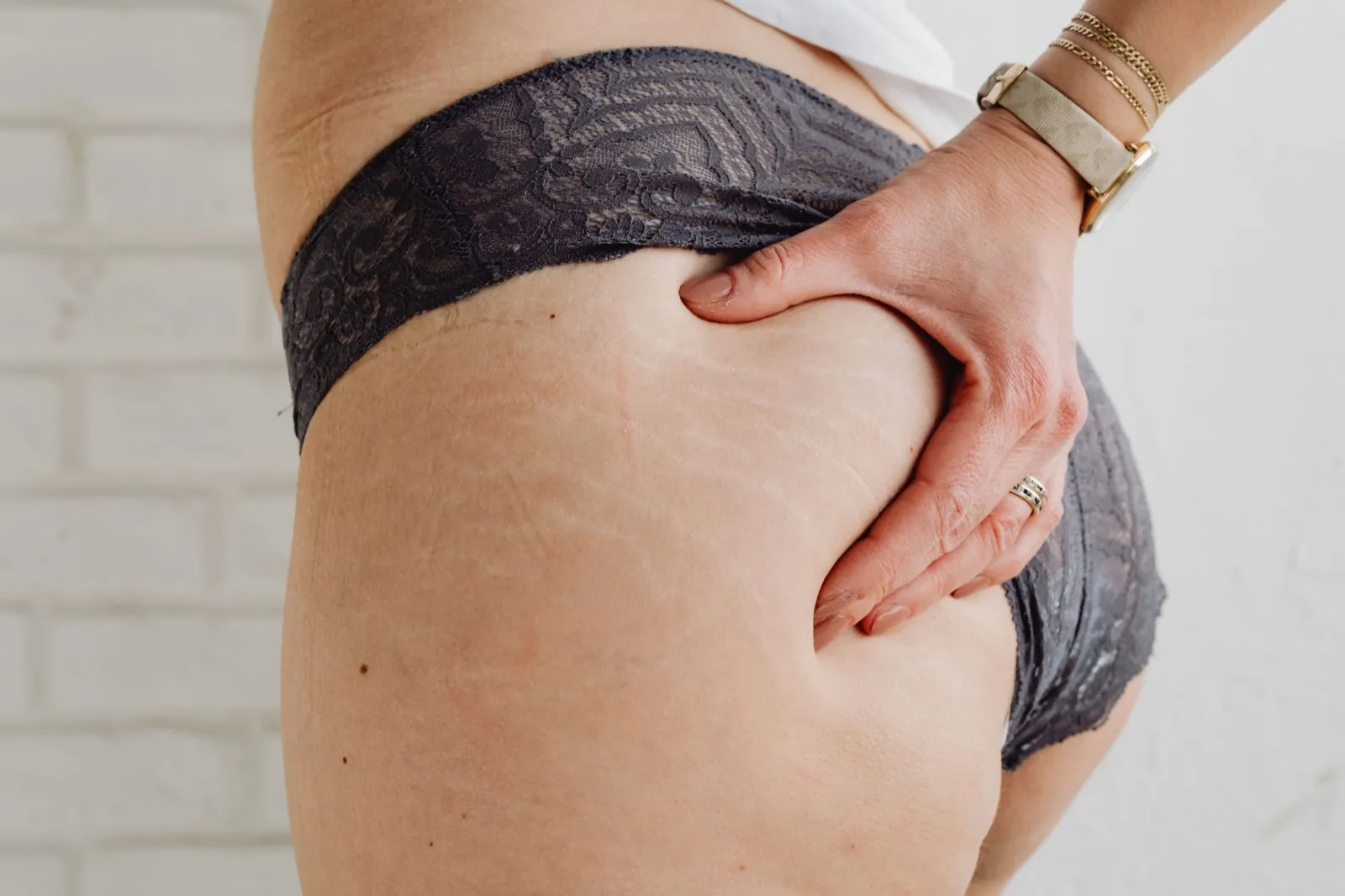
Image Credit: Pexels / https://kaboompics.com/
If you are looking for the best stretch mark cream during pregnancy, the most useful place to start is with realistic expectations. There is no cream proven to guarantee that pregnancy stretch marks will not appear, and products cannot reliably remove them once they have developed.
The NHS says there is limited evidence that creams or oils prevent stretch marks and very little evidence that products marketed to reduce or remove them work. That does not make a moisturising body cream pointless. If your skin feels dry, tight or itchy, you may still enjoy using one for comfort. It simply helps to separate skincare from promises a product cannot reliably keep.
What are pregnancy stretch marks?
Stretch marks are narrow lines or streaks that develop in the skin. Depending on your skin tone, they can look pink, red, purple or brown when they first appear.
They are particularly common during pregnancy and often develop on the tummy, breasts or upper thighs. The NHS explains that pregnancy hormones can affect the skin and that stretch marks form when the middle layer of the skin becomes stretched and breaks in places.
Some people develop many marks, some only a few, and others do not notice them at all. Skin type and elasticity are among the factors that can influence whether they appear.
Stretch marks are harmless and often become paler and less noticeable after pregnancy, although they may not disappear completely.
Can stretch mark creams actually prevent them?
This is where product marketing can be much more confident than the evidence.
The NHS states that there is limited evidence about whether oils or creams help prevent pregnancy stretch marks. It also says there is no reliable evidence that creams claiming to remove existing stretch marks actually do so.
That means there is no evidence-based reason to spend a large amount of money on a cream simply because the packaging promises “stretch mark prevention”.
A moisturiser may make your skin feel softer and more comfortable, but that is different from proving that it prevents changes deeper within the skin.
If you enjoy applying a cream to your bump, breasts, hips or thighs, there is nothing wrong with making it part of your routine. Think of it primarily as body moisturising rather than a guaranteed preventative treatment.
So what should you look for in a stretch mark cream?
Without a proven miracle ingredient to search for, choosing a product can be refreshingly practical.
A texture you will actually use
A rich body butter may suit dry skin, while a lighter lotion may be preferable if you dislike feeling sticky or want something that absorbs quickly before getting dressed.
There is no benefit in buying a luxurious formula that sits untouched in the bathroom because you dislike how it feels.
Moisturising ingredients
Look for products designed to moisturise and soften the skin. Ingredients commonly used in moisturisers include glycerin, ceramides, shea butter and various plant oils.
You do not need a long list of exotic ingredients for a body cream to feel pleasant and moisturising.
Fragrance that suits your skin
Pregnancy can sometimes change how you feel about scents. A fragrance you previously loved may suddenly feel overpowering.
Fragrance-free options can also be worth considering if your skin is sensitive or easily irritated.
Clear ingredient information
Pregnancy is not the time to assume that every cosmetic ingredient is appropriate simply because a product is described as natural.
The NHS advises that not all natural remedies or complementary products are safe during pregnancy. If you are unsure about an ingredient or medicated skincare product, ask a pharmacist, midwife or GP before using it.
Ingredients to be careful with during pregnancy
One ingredient group deserves particular attention: retinoids.
The NHS states that retinoid creams should not be used during pregnancy because they may harm the baby. Topical retinoids include ingredients such as tretinoin and adapalene.
This matters because retinoids may appear in skincare marketed for concerns such as acne, ageing or stretch marks rather than in products explicitly labelled for pregnancy.
Check the ingredient list rather than relying only on the front of the packaging. If you are uncertain whether a product contains a retinoid or another ingredient that is appropriate during pregnancy, ask a pharmacist, GP or midwife.
Do not assume that an expensive, botanical or “clean” product is automatically more suitable. Those descriptions do not replace pregnancy-specific safety information.
Are oils better than creams for stretch marks?
There is no strong evidence that choosing an oil instead of a cream will prevent stretch marks.
The difference is more about what you enjoy using. Oils can feel richer and provide plenty of slip for massage. Creams and lotions may absorb more quickly and feel less greasy under clothes.
Some people like using an oil on damp skin, while others prefer a simple moisturising cream. You can choose based on texture, fragrance, ingredients, price and how your skin responds rather than worrying that you are missing a superior format.
The same realistic expectation applies to both. Moisturising your skin can be pleasant, but no oil or cream can promise that stretch marks will not develop.
Does an expensive stretch mark cream work better?
A higher price does not mean a product has better evidence behind its stretch mark claims.
Premium creams may contain elegant formulations, fragrances or packaging that you genuinely enjoy. If those things matter to you and fit your budget, that is a perfectly reasonable reason to choose one.
They are not, however, proof that the cream will prevent stretch marks.
Before spending more, look beyond before-and-after photographs and marketing claims. Ask what you are actually paying for. If your main goal is comfortable, moisturised skin, a straightforward body moisturiser may meet that need just as well.
What about creams for existing stretch marks?
Stretch marks often fade naturally over time, although they may not disappear completely.
The NHS lists some treatments that may help improve the appearance of stretch marks, but it also makes clear that they will not get rid of them completely. Some treatments, including retinoid creams, are not suitable during pregnancy.
If stretch marks bother you and you would like to explore treatment after pregnancy, speak to a GP or qualified dermatology professional about appropriate options and timing rather than starting a treatment designed for existing stretch marks while pregnant.
There is also no obligation to treat them. Stretch marks are a common physical change and deciding how you feel about yours is personal.
A simple way to choose your cream
You can make the shopping decision much easier by ignoring dramatic promises.
Choose a moisturiser with ingredients you are comfortable using during pregnancy, a texture that feels good on your skin and a price you are happy to pay. Check the label, particularly if the product contains active skincare ingredients.
If a specialist stretch mark cream makes your skin feel lovely and you enjoy using it, that can be enough reason to buy it. If an inexpensive body moisturiser gives you the same comfort, you do not need to upgrade simply because another product promises prevention.
No skincare purchase can guarantee how your skin will change during pregnancy.
When to get professional advice
Stretch marks themselves are usually harmless. The NHS advises seeing a GP if you develop large stretch marks alongside certain other unusual physical changes, as rarely stretch marks can be associated with an underlying condition.
If you develop a new rash, significant irritation, swelling, persistent or severe itching, or another skin change that concerns you during pregnancy, speak to your midwife, GP or maternity team rather than assuming it is caused by ordinary stretch marks.
Ask a pharmacist, midwife or GP before using a medicated cream or treatment if you are unsure whether its ingredients are suitable during pregnancy. Retinoid creams should not be used while pregnant.
If you have already used a product and later discover that it contains an ingredient you were advised to avoid, contact a healthcare professional for individual advice rather than trying to assess the risk yourself.