Body Makeup for Beginners: How to Apply It for a Natural, Even Finish
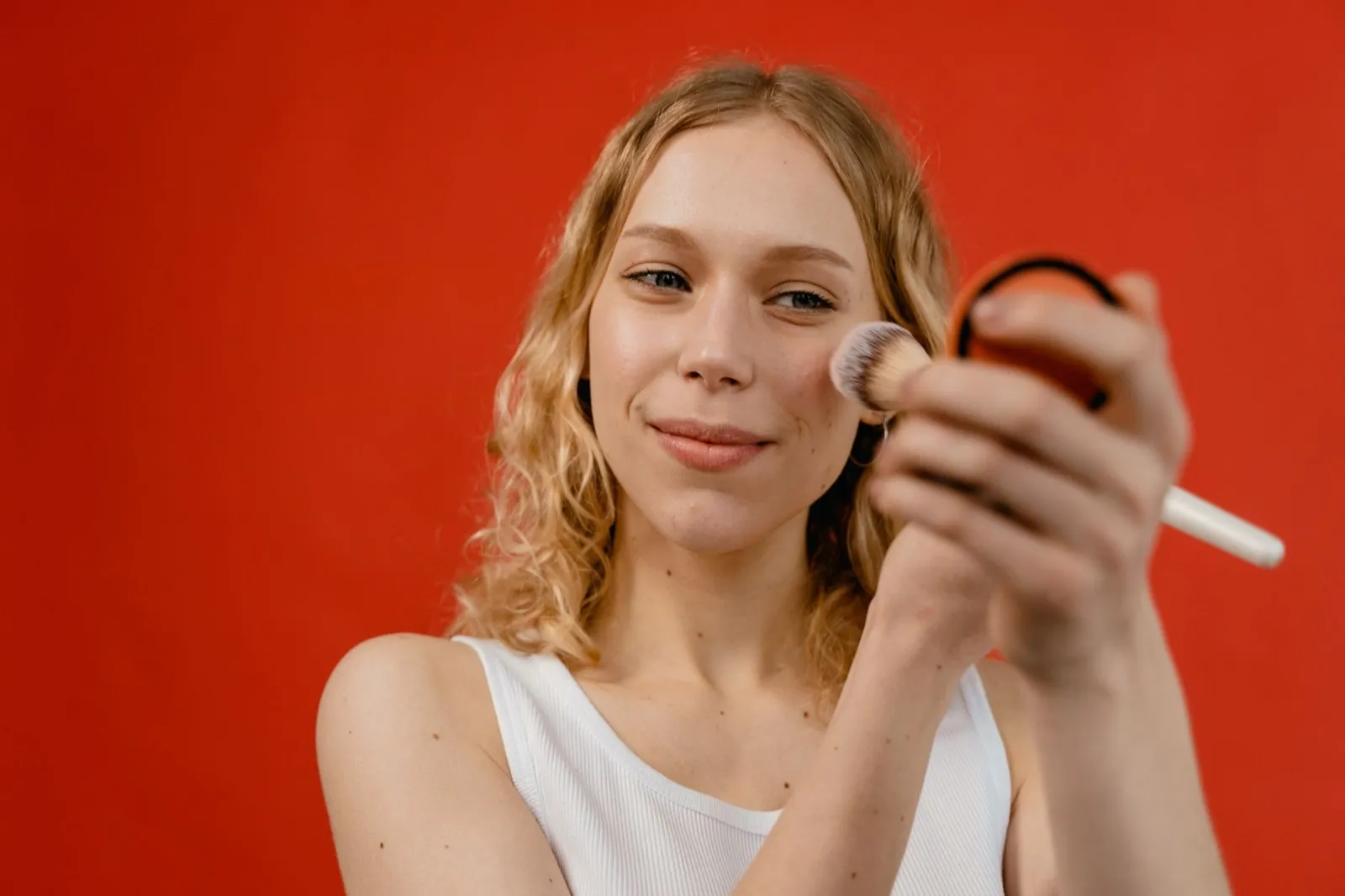
Image Credit: Pexels / MART PRODUCTION
Body makeup is designed to add colour, create a more even-looking skin tone, or temporarily soften the appearance of marks such as bruises, veins, scars, and uneven pigmentation. It can be applied to areas including the legs, arms, shoulders, chest, and back.
You do not need to cover anything unless you want to. Body makeup is simply another cosmetic option, much like foundation for your face. The best results usually come from applying thin layers, blending carefully, and allowing each product to dry before getting dressed.
What is body makeup?
Body makeup is a broad name for cosmetic products intended for use below the neck. Depending on the formula, it may provide sheer colour, a subtle glow, or fuller coverage.
Common types include:
- Body foundation
- Body concealer
- Tinted body lotion
- Body bronzer
- Shimmer lotion
- Leg makeup
- Wash-off body tan
- Water-resistant body makeup
Some products are intended to even out the skin, while others mainly add warmth or radiance. Check the packaging before applying a facial product to your body, as the formula may not be designed to cover a large area or withstand friction from clothing.
What can body makeup be used for?
Body makeup can be used anywhere you would like a temporary cosmetic finish.
Many people use it to:
- Even the appearance of their legs
- Add warmth to pale areas
- Reduce the visible contrast of scars
- Cover the appearance of bruises
- Soften the look of veins
- Add colour to the chest and shoulders
- Blend uneven fake tan
- Create a subtle glow for an event
- Make the face and body appear more consistent in photographs
Coverage varies between products. A tinted lotion may give a sheer finish, while a highly pigmented body foundation may cover more noticeable colour differences.
Makeup will not change the texture of raised scars, dry patches, or stretch marks. Applying too much product to textured areas can sometimes make them more visible, so start with a small amount.
Types of body makeup
Body foundation
Body foundation works in a similar way to foundation for the face. It adds pigment to create a more even-looking surface.
It is available in different levels of coverage, from lightweight formulas to products intended for areas that need more colour correction.
Body concealer
Body concealer is usually thicker and more concentrated than body foundation. It can be applied to smaller areas such as a bruise, scar, or patch of pigmentation.
A precise application often looks more natural than covering the entire surrounding area.
Tinted body lotion
Tinted body lotion combines light colour with the feel of a moisturising product. It is useful if you want subtle coverage rather than a fully perfected finish.
Some tinted lotions wash off with soap and water, while gradual tanning lotions develop over several hours. Read the label carefully so you know which type you are using.
Body bronzer
Body bronzer adds temporary warmth to the skin. It may come as a cream, liquid, spray, or powder.
Unlike many self-tanning products, a wash-off bronzer gives immediate colour and can usually be removed at the end of the day.
Body shimmer
Body shimmer adds light-reflecting particles rather than significant coverage.
It is often applied to the shoulders, collarbones, arms, or legs. A small amount can create a soft glow, while too much may look uneven or transfer more easily.
Water-resistant body makeup
Water-resistant body makeup is designed to cope better with moisture than an ordinary tinted lotion.
However, no cosmetic is completely immune to rubbing, sweat, or prolonged contact with water. Check the individual product instructions rather than assuming it will remain unchanged all day.
How to choose body makeup
Start by thinking about the finish you want.
Choose a tinted lotion or light body foundation if you want:
- Subtle evening of the skin tone
- Light colour
- A natural finish
- Easy application over a larger area
Choose a body concealer or fuller coverage foundation if you want:
- More concentrated coverage
- Help disguising a small mark
- Greater control over where the product is applied
- A finish suitable for photographs or events
Choose a body bronzer or shimmer if you mainly want:
- Warmth
- Radiance
- Definition around the shoulders or collarbones
- A temporary sun-kissed effect
Also consider where you will wear it. A product used on bare shoulders may not need the same resistance to friction as one applied beneath a pale dress or fitted trousers.
How to find the right shade
Test body makeup on the area where you plan to wear it. Your arms, chest, and legs may not be exactly the same colour as your face.
Apply a small amount, blend it, and allow it to dry before judging the shade. Some formulas appear slightly different once set.
Look at the result in natural daylight if possible. The correct shade should blend into the surrounding skin without leaving an obvious orange, pink, grey, or overly pale patch.
If you are covering a small area, match the product to the skin surrounding it rather than to the mark itself.
How to apply body makeup step by step
Step 1: Prepare your skin
Apply body makeup to clean, dry skin.
If the area feels rough or flaky, gently exfoliate it the day before rather than immediately before applying makeup. Freshly scrubbed or irritated skin may feel more sensitive.
Use a lightweight moisturiser if your skin is dry. Allow it to absorb fully so the makeup does not slide or become patchy.
Step 2: Protect your surroundings
Body makeup can mark towels, furniture, and clothing while it is wet.
Apply it somewhere with good lighting and protect pale surfaces. Wash your hands after handling the product unless you are using an application mitt.
Step 3: Apply a small amount
Start with less than you think you need.
Place a small amount onto the skin or your chosen applicator. Spread it across the area using gentle circular or sweeping movements.
It is easier to add another layer than to remove excess product without disturbing the finish.
Step 4: Blend the edges
Blend beyond the area you want to cover so there is no visible line between the makeup and your bare skin.
Pay particular attention to:
- Wrists
- Ankles
- Elbows
- Knees
- The edges of the chest
- The tops of the shoulders
Use less product around joints and dry areas, where makeup can collect in lines or uneven patches.
Step 5: Build coverage where needed
Allow the first layer to settle before adding more.
For a small mark, gently tap a fuller coverage product onto the centre, then soften the edges without rubbing away the first layer.
Several thin layers usually look more natural than one heavy coat.
Step 6: Let it dry
Give the makeup enough time to dry before touching it, sitting down, or getting dressed.
Drying time varies between products, so follow the instructions on the packaging. Test the area gently with a clean tissue before putting on light-coloured clothing.
Step 7: Set the makeup
If the product instructions allow it, a light dusting of translucent powder may help reduce tackiness.
Some formulas are designed to be used with a setting spray. Choose one intended for cosmetic use and avoid breathing in the mist.
Even properly set body makeup may transfer if it is rubbed firmly against fabric.
What should you use to apply body makeup?
The best applicator depends on the size of the area and the finish you prefer.
Your hands
Hands work well for lotions, bronzers, and lightweight formulas. They help warm the product and spread it quickly.
Wash them carefully afterwards, especially around your palms, fingertips, and nails.
A tanning mitt
A mitt is useful for larger areas such as the legs and arms. It can help spread liquid products evenly while keeping your palms clean.
A makeup sponge
A damp makeup sponge works well for smaller areas and layered coverage. Press the product into the skin rather than dragging it across the surface.
A body brush
A large, dense brush can blend body foundation across the shoulders, chest, and legs.
Keep the brush clean. The American Academy of Dermatology recommends washing makeup brushes regularly because product residue and bacteria can collect in the bristles.
How to stop body makeup transferring
No transfer-prevention method is perfect, but these steps may help:
- Apply light layers
- Allow the product to dry fully
- Use powder or setting spray only if suitable for the formula
- Avoid applying thick layers near tight straps, waistbands, and cuffs
- Choose darker clothing if transfer is a concern
- Keep the skin cool while the product sets
- Test the product with the outfit before an important event
Products described as transfer-resistant may still leave marks when exposed to sweat, water, or repeated friction.
How to cover scars with body makeup
You can use body makeup to reduce the visible contrast between a healed scar and the surrounding skin.
Begin with a small amount of body concealer or foundation. Pat it over the scar, then blend the edges gently. Add another thin layer only if needed.
Do not apply makeup to a fresh incision, open wound, broken skin, or a scar that has not fully healed. Follow any aftercare instructions given by your doctor or surgeon.
A raised or indented scar will still have texture, even after its colour has been covered. Keeping the finish light may look more natural than trying to hide it completely.
How to cover bruises with body makeup
Makeup can temporarily soften the appearance of a bruise, although the result depends on its colour and size.
A colour-correcting product may help before foundation. Different shades are used to balance different colours, but applying too many layers can create a heavy result.
Use makeup only if the skin is intact and comfortable to touch. Do not press firmly on a painful area.
An unexplained bruise, frequent bruising, or a bruise accompanied by significant pain or swelling should not simply be covered without considering whether you need medical advice.
Can you use face foundation on your body?
You can use some face foundations on small areas of the body, but it may not be the most practical choice.
Face foundation may:
- Come in a smaller container
- Be expensive to use over a large area
- Transfer onto clothing
- Lack resistance to sweat or friction
- Create a finish that looks different from the surrounding skin
A dedicated body product is often easier to spread and may be designed with clothing transfer in mind. Always check the instructions, especially if you have sensitive skin.
How to remove body makeup
Remove body makeup before going to bed unless the product instructions say otherwise.
Start with warm water and a gentle body cleanser. An oil-based cleanser may help loosen waterproof or long-wearing formulas.
Avoid aggressive scrubbing. If some pigment remains, repeat the cleansing step rather than rubbing the skin until it feels sore.
After cleansing, rinse thoroughly and apply moisturiser if your skin feels dry.
Body makeup safety and hygiene
Cosmetics can sometimes cause irritation or an allergic reaction. Symptoms may include itching, a rash, dryness, cracking, or blistering.
To use body makeup more safely:
- Follow the product instructions
- Check whether it is intended for the area you want to cover
- Avoid broken, infected, or freshly shaved skin if it feels irritated
- Stop using a product that causes burning, itching, or a rash
- Do not share applicators that touch the skin
- Keep brushes, sponges, and mitts clean
- Check the product’s recommended period of use after opening
- Patch test a new formula if your skin is sensitive or reactive
A label such as “hypoallergenic” does not guarantee that a product cannot cause a reaction.
When to get professional help
Stop using the product and speak to a pharmacist, GP, or dermatologist if you develop a persistent rash, significant itching, blistering, swelling, or painful skin after applying body makeup.
Seek urgent medical help if you experience difficulty breathing or swelling of your lips, mouth, tongue, or throat.
You should also ask a healthcare professional about a skin mark that is new, changing, bleeding, painful, or not healing. Body makeup can alter its appearance temporarily, but it should not replace an assessment of a concerning change.
Related reading
- Makeup Basics for Beginners: Step by Step Guide
- Face Makeup Guide for Beginners: Products, Order and Easy Application Tips
- Eye Makeup for Beginners: A Complete Guide to Beautiful, Easy Looks
- Lip Makeup Guide for Beginners: Products, Application and Everyday Tips