C-section recovery
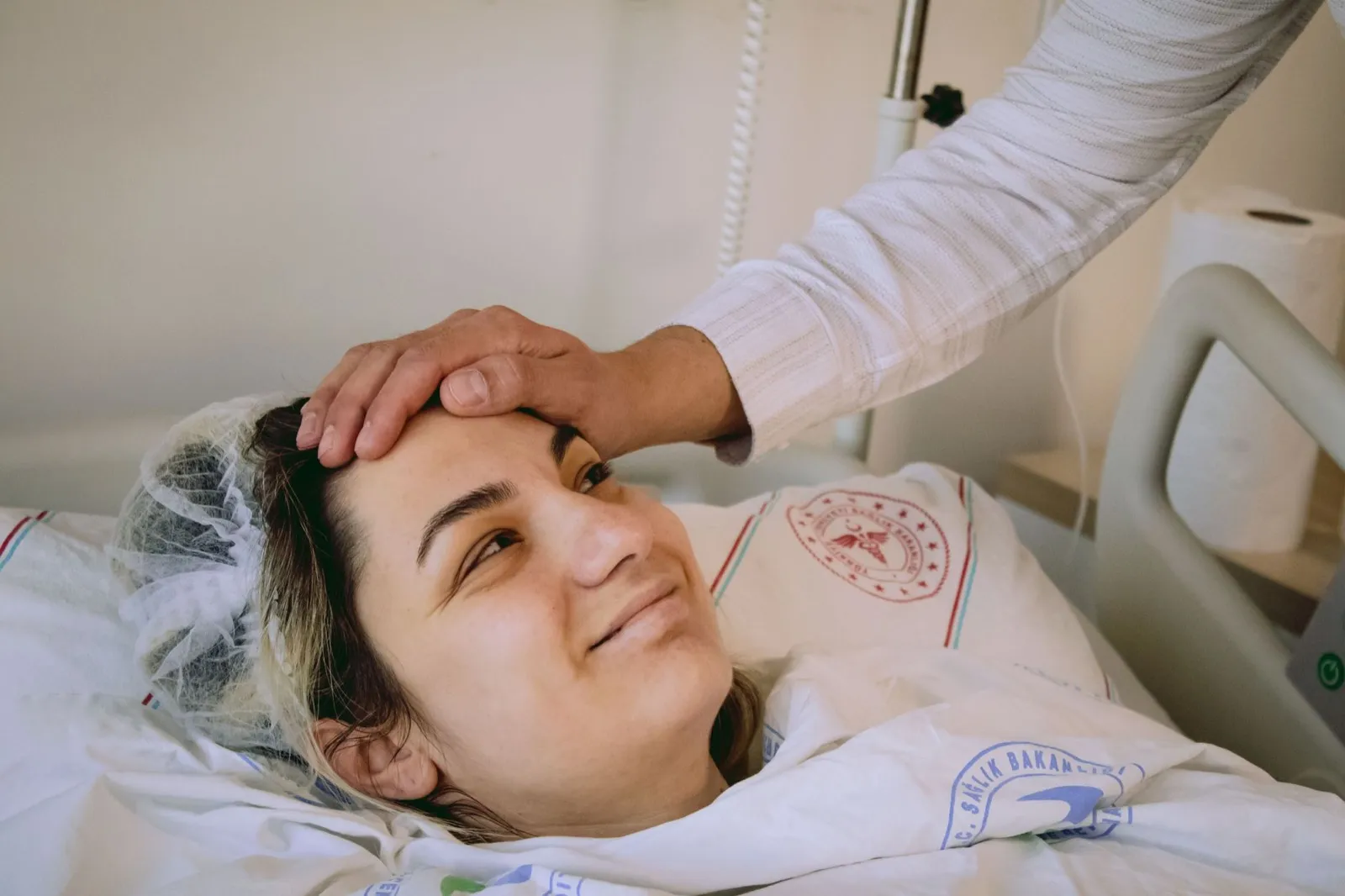
Image Credit: Pexels / melis can
Recovering from a C-section takes time because a caesarean birth is major abdominal surgery as well as a birth. You may be caring for a newborn while dealing with soreness, tiredness, vaginal bleeding and a healing wound, so recovery does not need to look quick or tidy.
The NHS says most people can leave hospital 1 to 2 days after a caesarean if there are no complications, but some everyday activities may remain uncomfortable for several weeks. RCOG describes the usual physical recovery period as around 6 weeks, although individual recovery varies.
Your own maternity team should give you advice that reflects your birth, health and any complications you experienced. If your recovery feels different from what you expected, asking for help is appropriate.
What C-section recovery can feel like
The first part of recovery often involves discomfort around the abdomen and incision. You may find movements such as getting out of bed, standing upright, coughing or changing position uncomfortable.
The NHS says pain and discomfort in the tummy are common during the first few days. Pain relief is normally provided in hospital and your healthcare team can advise you about suitable pain relief after you go home.
You will also usually have vaginal bleeding after a caesarean. This is part of postnatal recovery and is not limited to vaginal birth.
There is no single day when you should suddenly feel recovered. Some people notice steady improvements, while others have days when they feel more tired or sore.
The first days after a C-section
While you are in hospital, your healthcare team will monitor your recovery and help you begin moving again.
According to the NHS, you will usually be encouraged to get out of bed and move around as soon as possible. A urinary catheter generally remains in place for at least 12 hours, and the wound is normally covered with a dressing for at least 24 hours.
Eating and drinking can usually resume when you feel hungry or thirsty.
Before leaving hospital, ask any questions you have about your wound, pain, bleeding, movement and what you should expect at home. It can be difficult to remember every instruction when you are tired, so written discharge information can be useful to keep nearby.
Looking after your C-section wound
Your midwife should explain how to care for your incision before or after you leave hospital.
The NHS advises gently cleaning and drying the wound every day. Follow the specific wound care instructions given by your maternity team, particularly if you have a particular type of dressing or wound closure.
As healing progresses, the incision will form a scar. Its appearance can change over time.
Keep an eye on how the wound looks and feels. Increasing redness, swelling or pain, or pus or foul-smelling fluid coming from the wound, needs prompt medical advice because these symptoms can indicate an infection.
If you are unsure whether something you notice is part of ordinary healing, contact your midwife or GP rather than trying to diagnose it yourself.
Moving around after a caesarean
Movement after surgery can feel daunting, especially if your abdomen is sore.
The NHS recommends staying mobile and doing gentle activities, such as walking, during C-section recovery. Movement can help reduce the risk of blood clots, but the advice is also to avoid overexerting yourself.
This is not a target to reach or a reason to push through significant pain. Your activity can build gradually according to how you feel and the advice you have received from your healthcare team.
You should usually be able to hold and carry your baby after returning home. The NHS advises avoiding carrying anything heavier than your baby until you are ready to return to that activity comfortably.
Practical help with shopping, laundry, cleaning, lifting and other physically demanding tasks can make the early weeks easier if support is available to you.
Exercise after a C-section
Returning to exercise is not something you need to rush.
The NHS says activities such as exercise may not feel comfortable for around 6 weeks after a caesarean. You should only start again when you feel able and the activity is not uncomfortable.
Recovery varies, so a calendar alone cannot tell you when your body is ready for a particular type of exercise.
If you want to return to running, weight training or another demanding activity, your midwife, GP or an appropriately qualified physiotherapist can help you decide what is suitable for your individual recovery.
Your postnatal check is also an opportunity to discuss pain, movement, your scar and any concerns about returning to exercise.
Driving after a C-section
Driving requires more than being able to sit comfortably. You need to be able to control the vehicle safely and respond quickly if something unexpected happens.
The NHS says you may not be able to drive for around 6 weeks after a caesarean and advises restarting only when you feel able and it is not uncomfortable. RCOG also describes standard advice as allowing around 6 weeks for physical recovery and not planning to drive during that period.
Ask your midwife or GP if you are unsure when driving is appropriate for you. It is also sensible to check any requirements set by your motor insurer.
Sex after a C-section
There is no requirement to resume sex by a particular date.
The NHS says sex is another activity that may not feel comfortable until around 6 weeks after a caesarean, and advises restarting when you feel able and it does not cause discomfort.
Physical healing is only one part of this. Tiredness, hormonal changes, feeding, pain, emotions and simply not wanting sex can all affect how you feel about intimacy after birth.
If sex remains painful or you have concerns about your recovery, mention this to your midwife or GP.
Vaginal bleeding after a C-section
Vaginal bleeding is expected after a caesarean as the womb recovers after pregnancy and birth.
The NHS recommends using period pads rather than tampons during this stage because tampons can increase the risk of infection.
Bleeding should not simply be assumed to be normal if it becomes heavy. Contact your midwife or GP for advice if you are concerned about the amount of blood you are losing.
Sudden or very heavy bleeding, particularly if you feel faint, dizzy or otherwise unwell, needs urgent medical assessment.
The emotional side of C-section recovery
A caesarean can be planned or unplanned, calm or frightening, straightforward or complicated. How you feel about the birth may not match how anyone else expects you to feel.
Physical recovery can also affect your mood. Pain, limited mobility, disrupted sleep and the demands of caring for a newborn can make the early postnatal period feel intense.
You do not have to minimise difficult feelings because you and your baby are physically well. If you are struggling emotionally, tell your midwife, health visitor or GP. Postnatal care includes your mental health as well as your physical recovery.
Your postnatal check
The postnatal check is a useful point to discuss how your recovery is progressing.
You can raise concerns about your wound, pain, bleeding, bladder or bowel symptoms, contraception, sex, exercise, mental health or anything else that is affecting you.
You do not need to wait for this appointment if something is worrying you beforehand. New, severe or worsening symptoms should be discussed with a healthcare professional when they occur.
When to get professional advice
Contact your midwife or GP promptly if you develop severe pain, pain when urinating, leaking urine, heavy vaginal bleeding, or if your wound becomes increasingly red, painful or swollen. Pus or foul-smelling fluid coming from the wound also needs medical assessment.
The NHS also advises seeking prompt medical advice for a cough or shortness of breath, or swelling or pain in the lower leg after a caesarean. These symptoms can be associated with a blood clot and should not be ignored.
If you feel seriously unwell, have severe difficulty breathing, collapse, or have another life-threatening emergency, call 999. If you need urgent medical advice and cannot reach your maternity team or GP, NHS 111 can direct you to the appropriate service.
You can also contact your maternity team simply because something about your recovery does not feel right to you. You do not need to wait until a concern becomes severe before asking for advice.