Perineal care
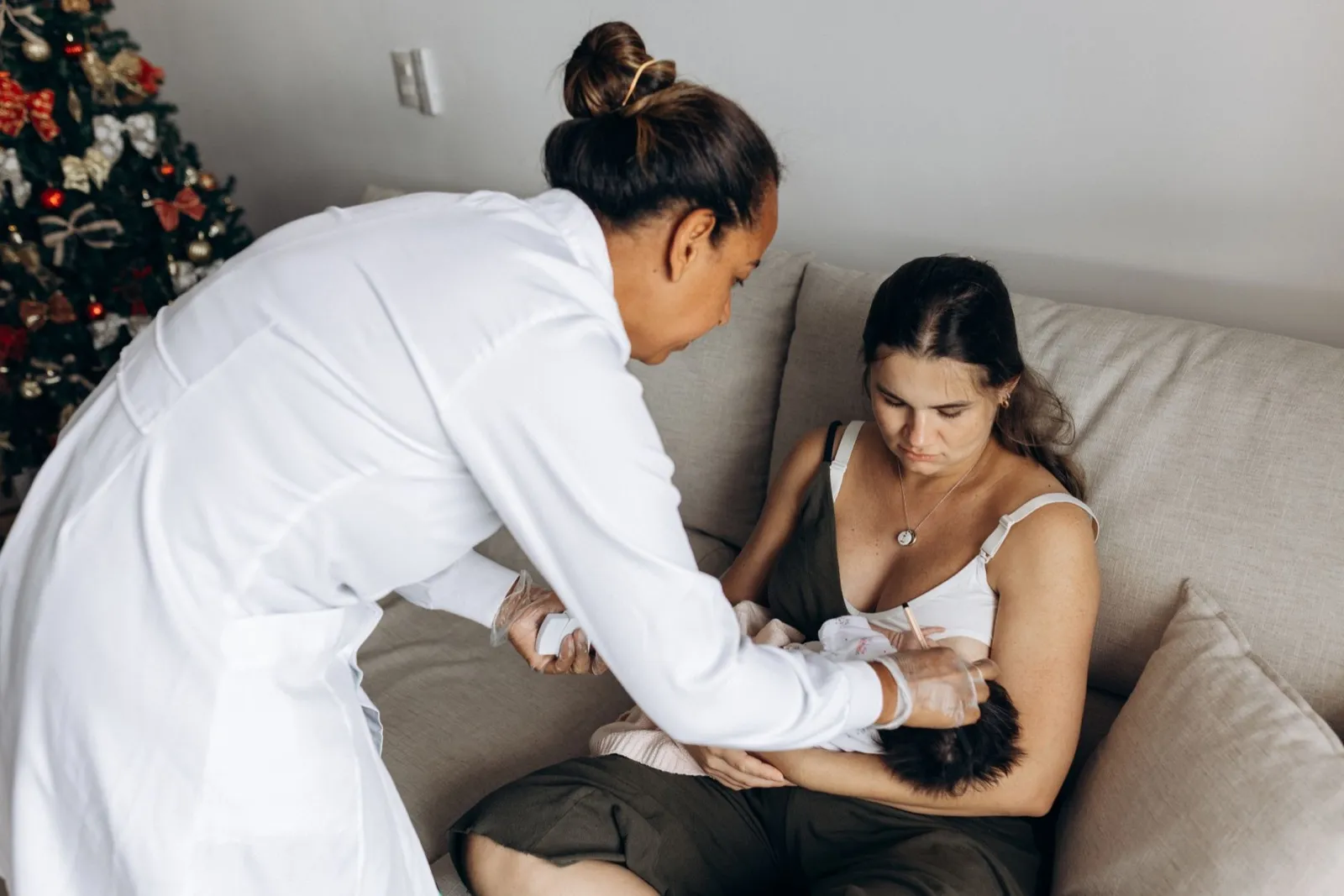
Image Credit: Pexels / Jonathan Borba
Your perineum is the area between the vaginal opening and the anus, and it can feel sore, swollen or tender after giving birth. If you had a tear, an episiotomy or stitches, looking after the area gently while it heals can help you stay comfortable and notice early if something is not healing as expected.
Good perineal care is mostly simple: keep the area clean, change sanitary pads regularly, wash your hands before and after using the toilet or changing a pad, and pay attention to changes in pain, discharge, smell or the wound itself.
Recovery varies depending on your birth and whether you experienced a tear or episiotomy. Your midwife or maternity team can give you advice specific to your recovery.
What happens to the perineum during birth?
The perineum stretches during a vaginal birth and sometimes tears. An episiotomy is a cut made in the perineum by a healthcare professional in certain circumstances during birth.
Perineal tears are described by their depth. A first-degree tear affects the skin, while a second-degree tear also affects the perineal muscle and usually requires stitches. Third- and fourth-degree tears extend into the muscles around the anus and require more specialised repair and follow-up care.
After birth, a healthcare professional should examine you to identify any tear and advise whether stitches are needed.
Dissolvable stitches are normally used for perineal tears and episiotomies, so they do not usually need to be removed later.
Keeping the area clean
Good hygiene is an important part of perineal care, particularly if you have stitches.
RCOG advises using water only to keep a perineal tear clean. Wash or shower at least once a day, change sanitary pads regularly, and wash your hands before and after going to the toilet or changing a pad.
Avoid assuming that scented washes, creams or other products will help the wound heal. RCOG advises keeping healing perineal wounds clean with water rather than applying products to the area.
After washing, treat the area gently rather than rubbing a healing wound.
Your maternity team may give you additional instructions based on the type of tear, stitches or wound you have.
Caring for perineal stitches
Stitches can feel uncomfortable while the tissue heals. RCOG says dissolvable stitches eventually soften and disappear, although you may occasionally notice small pieces of thread.
Soreness while sitting, walking or moving around can also occur after a tear.
Healing does not feel identical for everyone. What matters is how your symptoms change. Pain that becomes worse rather than gradually improving, an unusual smell, discharge or a wound that does not appear to be healing should be assessed by a healthcare professional.
If you are worried about your stitches, ask your midwife or another healthcare professional to examine them.
Managing soreness
Perineal soreness can make ordinary activities such as sitting, walking and using the toilet uncomfortable.
RCOG advises that an ice pack wrapped in a towel may help with discomfort after a first- or second-degree tear. Ice should not be placed directly on the skin because this can cause damage.
If you need pain relief, ask your midwife, GP or pharmacist what is appropriate for you, particularly if you are taking other medicines or have individual health considerations.
Pain should not automatically be dismissed as a normal part of recovery. NICE guidance recommends that healthcare professionals ask about perineal pain because changes in pain can sometimes indicate a complication that needs assessment.
Going to the toilet after a tear or stitches
It is understandable to feel nervous about going to the toilet when you have stitches.
RCOG says opening your bowels should not cause stitches from a first- or second-degree tear to open. Avoiding constipation can make bowel movements more comfortable, and a balanced diet and adequate fluids can help.
Passing urine may sting if urine comes into contact with sore tissue. RCOG and the NHS advise that pouring body-temperature or warm water over the area while urinating can help with discomfort.
If you develop pain when passing urine, difficulty controlling your bladder or bowels, or another new problem, speak to your healthcare team.
What healing can look like
Minor tears often heal relatively quickly, while deeper tears need more recovery time and follow-up.
RCOG says the skin part of a first- or second-degree tear usually heals within a few weeks. Its patient information also notes that most perineal tears heal within 6 weeks without long-term problems.
These timeframes are guides rather than deadlines. Your recovery may be different.
A third- or fourth-degree tear involves the anal sphincter and requires specialist care. RCOG advises that people recovering from these tears may experience pain or discomfort that affects mobility and should receive appropriate follow-up and support.
If you have ongoing pain, bowel-control difficulties or concerns about your pelvic floor after a tear, tell your healthcare professional. Specialist support is available for people who experience longer-term problems.
Pelvic floor recovery
Pregnancy and birth can affect the pelvic floor, which includes muscles supporting the bladder, bowel and pelvic organs.
RCOG recommends pelvic floor exercises after birth following perineal tears and provides specific information for people recovering from deeper tears.
If you are unsure how to perform pelvic floor exercises, have significant pain, or experience bladder or bowel symptoms, ask your midwife, GP or a specialist pelvic health physiotherapist for guidance rather than trying to work around persistent symptoms yourself.
Sex after a perineal tear
There is no deadline for resuming sex after birth.
A healing tear or episiotomy can make the area feel tender, and physical recovery is only one part of feeling ready for intimacy. Tiredness, emotions, hormonal changes and your experience of the birth may all affect how you feel.
If sex is painful after your wound has healed, or you are worried about your scar or pelvic floor, speak to your GP, midwife or another appropriate healthcare professional. Persistent pain deserves attention rather than something you simply have to tolerate.
When to get professional advice
Contact your midwife, GP or another healthcare professional if your stitches become increasingly painful, the area becomes red or swollen, you notice pus or unusual discharge, there is an unusual or unpleasant smell, or the wound does not seem to be healing. These can be signs of infection or wound problems that need assessment.
RCOG advises seeking medical advice if you notice increasing pain, new bleeding, pus-like discharge or that the wound appears to have opened. Feeling generally unwell alongside concerns about your wound also needs medical attention.
Speak to a healthcare professional if you have problems controlling your bowels or wind after a perineal tear, persistent perineal pain, or any concern about how your recovery is progressing.
If you become seriously unwell or experience a life-threatening emergency, call 999. For urgent medical advice when you cannot reach your maternity team or GP, contact NHS 111.