Everything you need to know about placenta
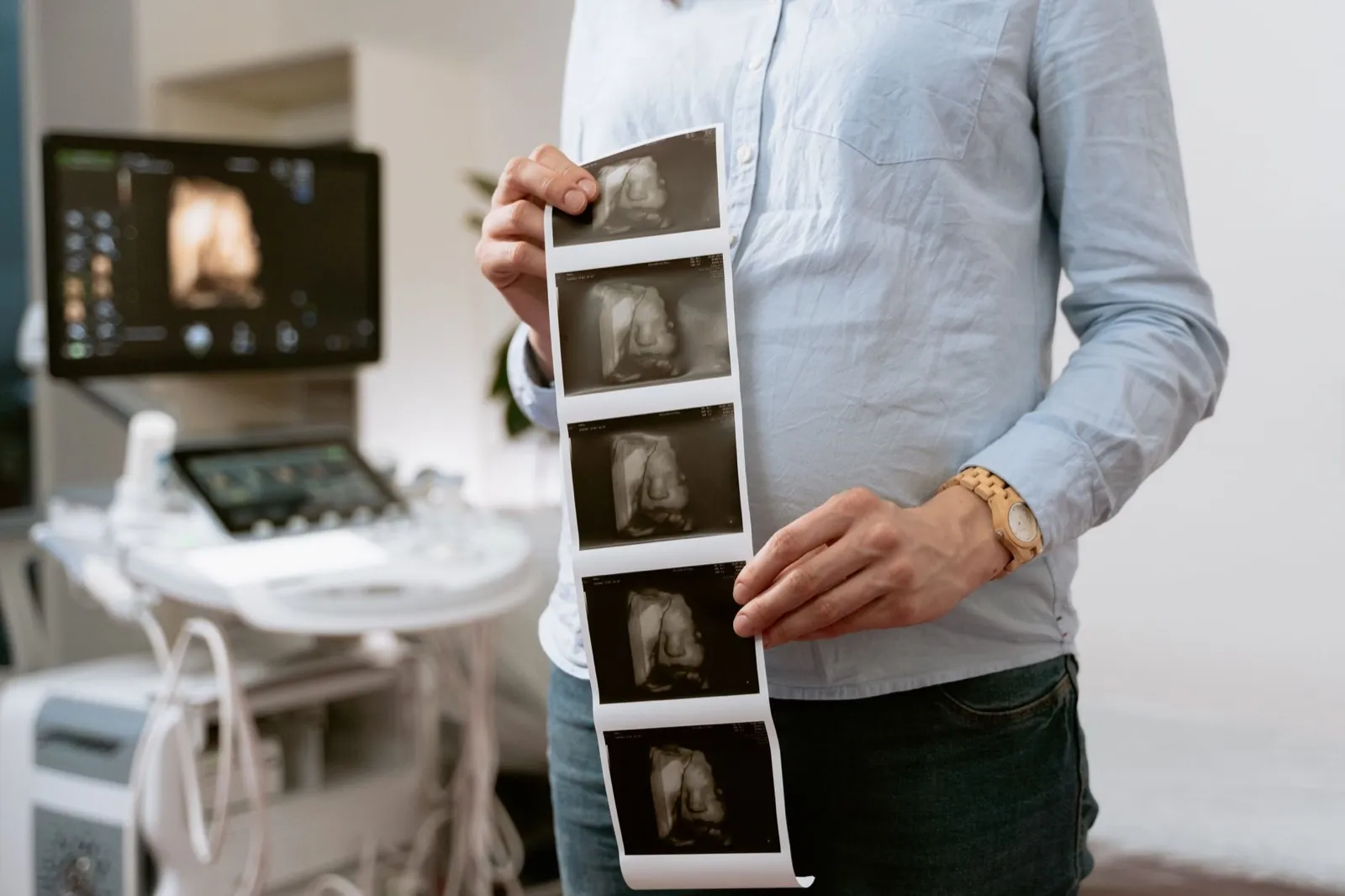
Image Credit: Pexels / MART PRODUCTION
The placenta is an organ that develops during pregnancy and connects your baby to your blood supply through the umbilical cord. It provides oxygen and nutrients to your baby and carries waste products away. It also has an important role in producing hormones that support pregnancy.
You may barely think about your placenta until its position appears on a scan report or your midwife mentions it at an appointment. Terms such as anterior, posterior, low-lying or placenta praevia can sound worrying when they are unfamiliar. In many cases, they simply describe where the placenta has attached. Some placental conditions do need additional monitoring, though, which is why its position and appearance form part of your maternity care.
What is the placenta?
The placenta develops alongside your baby inside the uterus. It attaches to the wall of the womb, while the umbilical cord connects the placenta to your baby.
Oxygen and nutrients pass from your blood through the placenta to your baby’s blood. Waste products from your baby pass back through the placenta so that your body can remove them.
The placenta also produces hormones that help maintain pregnancy and support your baby’s development.
After your baby is born, the placenta is delivered too. This is why you may hear it called the “afterbirth”.
When does the placenta develop?
Placental development begins very early in pregnancy. NHS guidance explains that the outer layer of the early embryo develops into the placenta and goes on to provide oxygen and nutrients to the baby.
The placenta continues to grow and change as pregnancy progresses. You do not normally feel the placenta developing, and there is nothing you need to do to make it form in a particular place.
Its location is determined by where the pregnancy implants in the womb.
What does the placenta do?
The placenta has several important jobs throughout pregnancy.
It transfers oxygen and nutrients from your blood supply to your baby. It also carries waste products away from your baby so your body can remove them.
The placenta acts as the connection between your circulation and your baby’s circulation, but the two blood supplies do not simply mix together. Exchange takes place across specialised placental tissue.
The placenta also produces hormones involved in maintaining pregnancy and supporting changes in your body.
Because the placenta is so closely involved in your baby’s supply of oxygen and nutrients, healthcare professionals may monitor your baby’s growth or placental function more closely if there are concerns during pregnancy.
Where can the placenta be positioned?
The placenta can attach in several places within the uterus.
An anterior placenta is attached to the front wall of the womb. Tommy’s describes this as a normal place for the placenta to implant and grow.
A posterior placenta is attached towards the back wall of the womb.
The placenta can also be positioned towards the top or side of the uterus. These descriptions refer to location rather than how well the placenta is working.
An anterior placenta may cushion some of your baby’s movements, particularly earlier on, so movements may feel different from what you expected. Regardless of placental position, NHS guidance says you should contact your maternity unit immediately if your baby’s usual pattern of movements reduces or changes.
What does a low-lying placenta mean?
Sometimes the placenta attaches in the lower part of the uterus, close to the cervix.
The NHS defines a low-lying placenta as one that is less than 2 cm from the cervix. Placenta praevia means the placenta completely covers the cervix.
Placental position is checked during the routine 20-week screening scan. If the placenta is significantly low at this point, you will usually be offered another ultrasound later in pregnancy to check its position.
As the uterus grows, the area where the placenta is attached often stretches upwards and away from the cervix. The NHS states that in 9 out of 10 pregnancies where the placenta is low at the 20-week scan, it is no longer low at the follow-up scan.
If it remains low, your maternity team will discuss what that means for the rest of your pregnancy and birth based on your individual circumstances.
What is placenta praevia?
Placenta praevia is when the placenta completely covers the cervix.
This matters because the placenta can block the baby’s route through the cervix and can be associated with significant bleeding. If placenta praevia remains towards the end of pregnancy, a caesarean birth is generally recommended.
Bleeding associated with placenta praevia can be painless and bright red. Any vaginal bleeding during pregnancy should be assessed rather than assumed to be caused by the placenta.
If you have already been diagnosed with a low-lying placenta or placenta praevia, follow the individual advice your maternity team gives you about symptoms and when to contact the hospital.
What is placental abruption?
Placental abruption is a serious complication in which the placenta begins to separate from the wall of the womb before the baby is born.
According to the NHS, possible signs include abdominal pain, vaginal bleeding and frequent contractions. The amount of visible bleeding does not necessarily show how much separation has occurred.
Placental abruption requires medical assessment. If you develop symptoms that could suggest an abruption, contact your maternity unit urgently rather than trying to work out the cause yourself.
What is placenta accreta spectrum?
Placenta accreta spectrum describes a serious condition in which the placenta is abnormally attached to the wall of the uterus and can grow into the uterine muscle.
RCOG guidance explains that placenta accreta spectrum can make separation of the placenta at birth difficult and may cause major bleeding.
It is more likely in some circumstances, including where placenta praevia is present alongside previous caesarean birth, although updated RCOG guidance also recognises associations with other forms of previous uterine surgery or trauma.
If placenta accreta spectrum is suspected, specialist maternity teams plan care around the individual pregnancy. This may involve additional imaging and detailed planning for birth.
What happens to the placenta after birth?
After the baby is born, the placenta still needs to be delivered. This is known as the third stage of labour.
Usually the uterus contracts and the placenta separates from the uterine wall before being delivered. Your maternity team will explain the options for managing the third stage as part of your birth care.
Sometimes all or part of the placenta remains inside the womb. This is called a retained placenta. The NHS advises that a retained placenta needs treatment because it can cause serious bleeding.
If this happens, the maternity team will manage it according to the circumstances and explain any treatment that is needed.
Can the placenta tell you anything about baby movements?
Placental position can influence how movements feel. An anterior placenta sits between the baby and the front of your abdomen, so it can sometimes make movements at the front feel less obvious.
That does not mean reduced or changed movements should be attributed to the placenta without assessment.
The NHS advises getting to know your baby’s usual pattern of movements. Contact your maternity unit immediately if your baby is moving less than usual, you cannot feel movement anymore or the usual pattern changes. Do not wait until the next day.
Can you keep the placenta after birth?
Some people are interested in seeing or keeping their placenta after birth. Policies and practical arrangements can vary between maternity units, particularly if the placenta needs to be examined.
If this matters to you, ask your midwife or maternity unit before the birth so you know what is possible locally.
Claims about eating the placenta or taking placenta capsules are separate from the placenta’s medical role during pregnancy. If you are considering placentophagy, discuss it with your maternity team so you can receive current advice about possible risks and the evidence available.
When to get professional advice
Contact your midwife, maternity unit or GP if you have questions about your placental position, have been told that your placenta is low, or are unsure what a finding on an ultrasound report means. Your care should be based on the exact position of your placenta and your individual pregnancy rather than a general description online.
Seek urgent maternity advice if you have vaginal bleeding during pregnancy. If you have a known low-lying placenta or placenta praevia, RCOG advises contacting the hospital straight away if you have vaginal bleeding, contractions or pain.
Contact your maternity unit immediately if your baby’s movements are reduced, have stopped or have changed from their usual pattern. Do not wait until the next day.
Severe abdominal pain, vaginal bleeding or frequent contractions can occur with placental abruption and require urgent assessment.
For urgent medical advice when you cannot reach your usual maternity service, NHS 111 can advise you on what to do next. Call 999 for a life-threatening emergency or if you need immediate emergency medical help.