False positive pregnancy test
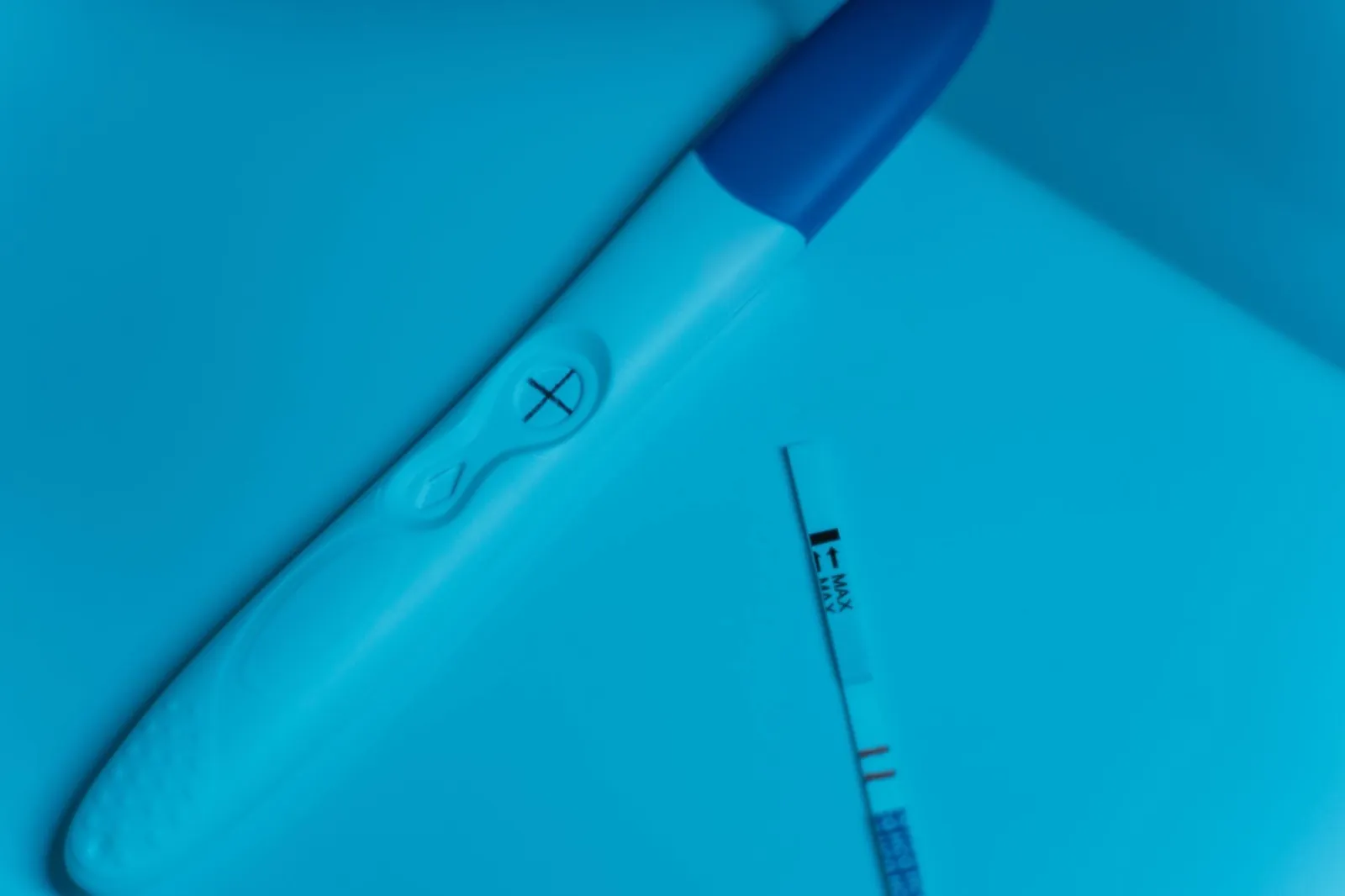
Image Credit: Pexels / Tima Miroshnichenko
Seeing a positive pregnancy test when you were not expecting one can bring a rush of questions. If a later test is negative, or the result does not fit with what you expected, it is understandable to wonder whether the first test was wrong.
A true false positive pregnancy test is uncommon. The NHS says that a positive home pregnancy test is almost certainly correct when the instructions have been followed properly. However, there are situations in which hCG can be detected even though an ongoing pregnancy is not ultimately confirmed.
That distinction matters. A positive test followed by a negative one does not automatically mean the original test was faulty.
What does a false positive pregnancy test mean?
Home pregnancy tests detect human chorionic gonadotrophin, usually called hCG, in urine.
A false positive generally means a test gives a positive pregnancy result when there is no pregnancy. However, some situations that can look like false positives are more complicated.
For example, a very early pregnancy can produce enough hCG for a positive test and then end shortly afterwards. Tommy’s describes this as a chemical pregnancy, which is a very early miscarriage. In that situation, the original positive result detected a pregnancy and was not technically a false positive.
hCG may also remain in the body for a period after a pregnancy has ended. Certain fertility treatments containing hCG can affect pregnancy test results too.
If your results are unexpected or conflicting, a healthcare professional can help establish what they mean in your individual circumstances.
How reliable is a positive pregnancy test?
The NHS states that home pregnancy tests are accurate when the instructions are followed correctly and that a positive result is almost certainly correct.
Negative results are less reliable, particularly if testing happens too early.
This means that if you have a positive result followed by a negative one, it is better not to assume that the first test was simply inaccurate. Timing, a very early pregnancy loss, medication and other circumstances may need to be considered.
Following the manufacturer’s instructions is important because pregnancy tests differ. Check the expiry date, use the test as directed and read the result within the time specified in the instructions.
Can a chemical pregnancy look like a false positive?
Yes. A chemical pregnancy can sometimes be mistaken for a false positive pregnancy test.
Tommy’s explains that a chemical pregnancy is a very early miscarriage, usually occurring before a pregnancy can be seen on an ultrasound scan. One possible pattern is a positive pregnancy test followed by a negative test soon afterwards.
The first positive result in this situation is not necessarily an error. The test may have correctly detected hCG produced by the pregnancy before hormone levels later fell.
If you experience bleeding or pain after a positive pregnancy test, seek advice from an appropriate healthcare professional. Symptoms in early pregnancy can have different causes and cannot be interpreted from a home test alone.
Can fertility treatment cause a positive result?
Some fertility medicines can affect pregnancy test results.
NHS laboratory guidance from Gloucestershire Hospitals notes that fertility treatments based on hCG may cause a false positive pregnancy test result.
If you are having fertility treatment, follow the testing date and instructions provided by your fertility clinic. Testing earlier than your clinic recommends can make a result difficult to interpret.
If you receive an unexpected result, contact the clinic caring for you rather than changing medication or treatment based on a home pregnancy test.
Can hCG remain after a pregnancy ends?
Yes. hCG does not necessarily disappear from the body immediately after a pregnancy ends.
Gloucestershire Hospitals NHS guidance notes that hCG may remain detectable for several weeks after birth, miscarriage or termination of pregnancy.
This means a pregnancy test can remain positive for a period afterwards. The expected pattern depends on the circumstances, so follow any testing or follow-up instructions given by your maternity team, early pregnancy service or other healthcare professional.
After some miscarriages, healthcare teams specifically ask people to take a pregnancy test at a particular time as part of follow-up. If that test remains positive, contact the service caring for you as instructed.
Can medicines cause a false positive pregnancy test?
The NHS states that some medicines can affect pregnancy test results.
This does not mean that every prescription or over-the-counter medicine interferes with testing. Hormonal contraception, including the contraceptive pill, does not stop a pregnancy test from working, according to the NHS.
If you take medication and receive an unexpected pregnancy test result, ask a pharmacist, GP or the clinician who prescribed your medicine whether it could affect the test.
Do not stop prescribed medication because of a pregnancy test result without discussing it with an appropriate healthcare professional.
What about an evaporation line or reading the test late?
Home pregnancy tests need to be interpreted according to their manufacturer’s instructions.
Tests vary in how results appear and in the time window during which the result should be read. Looking at a test outside the stated reading time can make interpretation difficult.
If you see a line or symbol that you cannot confidently interpret, check the instructions supplied with that specific test. You can repeat the test according to the manufacturer’s guidance or ask a pharmacist or GP for advice.
A faint line within the correct reading window can represent a positive result. Tommy’s notes that, in most cases, even a faint line usually means hCG has been detected.
What should you do after an unexpected positive test?
If you have a positive test that you were not expecting, give yourself a moment to process the result. There is no particular way you are supposed to feel.
If you think the test may be wrong, check that it was used and read according to its instructions. If the result remains uncertain, you can repeat testing or speak to a healthcare professional.
If you have recently had a pregnancy, pregnancy loss or fertility treatment, tell the healthcare professional assessing you. These details can be relevant when interpreting hCG results.
A home pregnancy test can tell you that hCG has been detected, but it cannot confirm where a pregnancy is located or explain symptoms such as pain or bleeding.
When to get professional advice
Speak to your GP, fertility clinic, early pregnancy service or maternity team if you have conflicting pregnancy test results, a positive result that remains unexplained, or a positive test following a recent pregnancy or pregnancy loss.
Seek medical advice if you think you may be pregnant and develop vaginal bleeding or pain. These symptoms can have several causes and may need assessment.
The NHS advises contacting your GP or NHS 111 if you might be pregnant and have symptoms associated with ectopic pregnancy, including one-sided lower abdominal pain, vaginal bleeding or brown watery discharge, shoulder-tip pain, or discomfort when going to the toilet. You should seek advice even if you have not had a positive pregnancy test.
Call 999 or go to A&E if you develop sharp, sudden and intense abdominal pain with symptoms such as severe dizziness or fainting. NHS guidance states that these can occur if an ectopic pregnancy ruptures and require emergency assessment.
If you are unsure what your result means, you do not need to work it out alone. A healthcare professional can assess your test history, symptoms and individual circumstances.